manuals.online logo
Brands
  1. Home
  2. •
  3. Brands
  4. •
  5. Q-See
  6. •
  7. Security Camera
  8. •
  9. Q-See QTN8022D User manual

Q-See QTN8022D User manual

Other Q-See Security Camera manuals

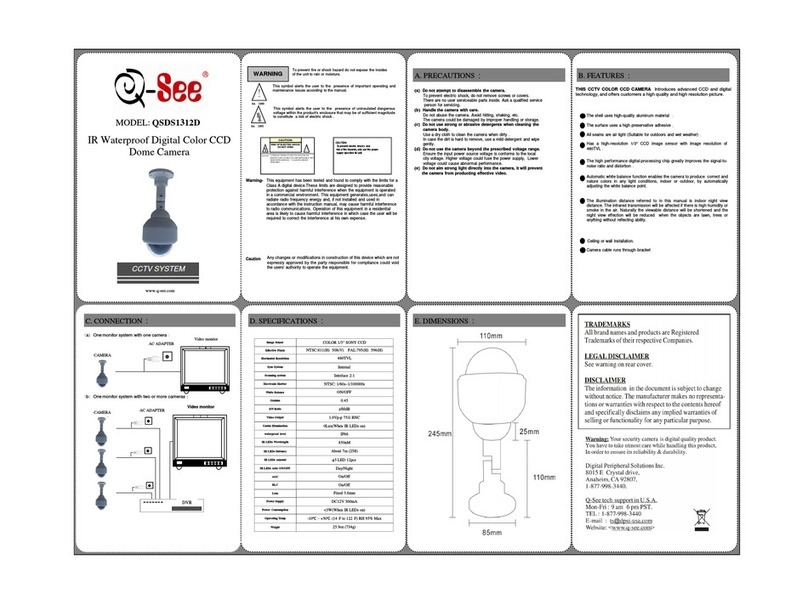
Q-See QS2350C User manual

Q-See

Q-See QS2350C User manual

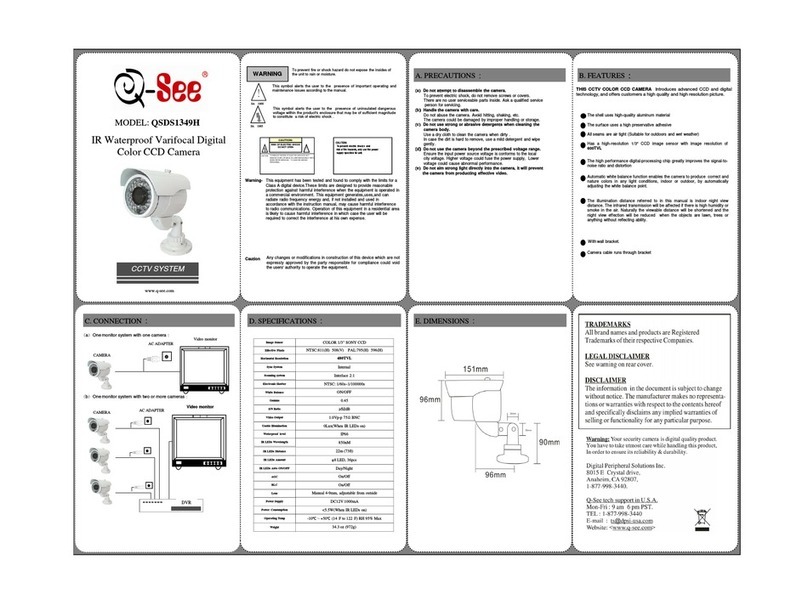
Q-See QCN7005B User manual

Q-See

Q-See QCN7005B User manual

Q-See QTH7212P User manual

Q-See

Q-See QTH7212P User manual

Q-See QPSCDNV User manual

Q-See

Q-See QPSCDNV User manual

Q-See QPSCDCA User manual

Q-See

Q-See QPSCDCA User manual

Q-See QSDS13358A User manual

Q-See

Q-See QSDS13358A User manual

Q-See SDI Cameras User manual

Q-See

Q-See SDI Cameras User manual

Q-See QSDS1428D User manual

Q-See

Q-See QSDS1428D User manual

Q-See QTN8043B User manual

Q-See

Q-See QTN8043B User manual

Q-See QCW3MP16 User manual

Q-See

Q-See QCW3MP16 User manual

Q-See QS926C User manual

Q-See

Q-See QS926C User manual

Q-See QSZ515D User manual

Q-See

Q-See QSZ515D User manual

Q-See QTN8044D User manual

Q-See

Q-See QTN8044D User manual

Q-See EasyView QN6401X User manual

Q-See

Q-See EasyView QN6401X User manual

Q-See QOCDC User manual

Q-See

Q-See QOCDC User manual

Q-See QSOCWC User manual

Q-See

Q-See QSOCWC User manual

Q-See QC8116 Operating and maintenance instructions

Q-See

Q-See QC8116 Operating and maintenance instructions

Q-See QCW3MP1B User manual

Q-See

Q-See QCW3MP1B User manual

Q-See QCW2MP User manual

Q-See

Q-See QCW2MP User manual

Q-See QSDS1436D Installation guide

Q-See

Q-See QSDS1436D Installation guide

Q-See QH8013Z User manual

Q-See

Q-See QH8013Z User manual

Q-See QCW3MP16 User manual

Q-See

Q-See QCW3MP16 User manual

Q-See QCN8009D User manual

Q-See

Q-See QCN8009D User manual

Q-See EFFIO-E User manual

Q-See

Q-See EFFIO-E User manual

Popular Security Camera manuals by other brands

ADEMCO RapidDome Owners Operating & Installation Guide

ADEMCO

ADEMCO RapidDome Owners Operating & Installation Guide

EverFocus EBA2880 user manual

EverFocus

EverFocus EBA2880 user manual

Honeywell OptiCAM-IR Installation and setup guide

Honeywell

Honeywell OptiCAM-IR Installation and setup guide

Uniq UC-600 user manual

Uniq

Uniq UC-600 user manual

OPTICOM NVD-120-S datasheet

OPTICOM

OPTICOM NVD-120-S datasheet

Steren CCTV-221 instruction manual

Steren

Steren CCTV-221 instruction manual

Arm Electronics C420BCDNVFIR Features

Arm Electronics

Arm Electronics C420BCDNVFIR Features

Eneo PLD-2036PTZ installation guide

Eneo

Eneo PLD-2036PTZ installation guide

Axis AXIS M20 Series installation guide

Axis

Axis AXIS M20 Series installation guide

Panasonic KX-HCM230 operating instructions

Panasonic

Panasonic KX-HCM230 operating instructions

COP-USA CC15NV-SL Specifications

COP-USA

COP-USA CC15NV-SL Specifications

Active Silicon HARRIER H.264 quick start guide

Active Silicon

Active Silicon HARRIER H.264 quick start guide

Motorola Avigilon 1.3C-H5SL-BO1-IR installation guide

Motorola

Motorola Avigilon 1.3C-H5SL-BO1-IR installation guide

INSTEON 2864-232 user manual

INSTEON

INSTEON 2864-232 user manual

Wisenet XNB-6002 quick start guide

Wisenet

Wisenet XNB-6002 quick start guide

Axis M5525-E user manual

Axis

Axis M5525-E user manual

Vitek VTC-IR62NZ922 user guide

Vitek

Vitek VTC-IR62NZ922 user guide

Panasonic WV-SF342 Specifications

Panasonic

Panasonic WV-SF342 Specifications

manuals.online logo
manuals.online logoBrands
  • About & Mission
  • Contact us
  • Privacy Policy
  • Terms and Conditions

Copyright 2025 Manuals.Online. All Rights Reserved.

QTN8022D
In addition to its video surveillance functions, the QTN8022D is able to accept input
from other devices and either pass their signals back to an NVR, or utilize them to
trigger recording or alert actions when it is being used in a stand-alone role. The
camera can accept a micro SD card up to 64GB, allowing it to record still images
without the need for an NVR.
By using the audio input and output to connect both a microphone and speaker -
and with similar audio equipment on the user’s end, two-way communication can
take place. Two alarm sensors can be connected to the alarm block with a single
output to an audible alarm, an external alarm input or to a NVR. When used with an
NVR or on a network, the alarm signal can trigger recording and its signal can be
transmitted via the Cat 5e cable to an NVR.
# Item Function
1 Inside camera:
Storage
Focus,
Reset
Up to 64GB memory
Adjust camera’s zoom and focus
Reset camera if user is locked out
2 Alarm 2 Alarm inputs 1 Output
3 PT Controls Connection point for analog pan-tilt platform.
4 Power For use without POE
5 RJ45 (Ethernet)
Port
For network connectivity, video output and power input
(via POE)
6 HP (Headphones) Audio out - connect to speaker
7 Mic Input for optional microphone, using included adapter (7a)
MOUNTING THE CAMERA
The QTN8022D camera is designed to be mounted on the ceiling. The baseplate is
removable to allow for easy installation.
Use the included hexagonal wrench to unscrew
the retaining bolt half-way. This bolt is located on
the front of the camera, above the Q-See logo.
Use the self-adhesive template to locate the
holes for the mounting screws rather than the
baseplate itself to prevent damage. The large
circle on the template marks the ideal position
to drill a hole for the cables if you will be running
them inside the ceiling. The knock-out on the
back of the base can be removed if you intend to
run the cables along the wall, etc.
ADJUSTING THE LENS
The QTN8022D has a lens that can be manually
adjusted between 2.8mm and 12mm. The
2.8mm setting provides a 109° field of view.
The 12mm setting enlarges subjects by
approximately three times compared to the
2.8mm configuration, with the field of view
narrowing to 22°.
The camera is shipped in the 2.8mm position.
To adjust the lens, you will have to first remove
the camera’s dome by loosening the four screws
holding the cover in place. The screws should
not be removed from the cover.
Once the cover has been removed, you can
adjust the Focus (a) and zoom (b) using the two
knobs located on the lens body behind the LED
circuit board. You may need to loosen them
by twisting the knob counter-clockwise before
making the adjustments. Do not apply excessive
force to the knobs as they can snap off, leaving
your camera unable to be adjusted.
a
b
1
2
3
4
5
6
7
7a Once you have drilled the necessary holes, use the included screws and anchors - or
other mounting hardware as needed - to secure the base to the surface.
Connect the cables and ensure that they will not be pinched when the camera is
attached.
Attach the camera body to the base and tighten the retaining bolt.
Instructions continued on other side

SPECIFICATIONS
Camera Type Dome
Camera Technology IP
Image Sensor size 1/3”
Image Sensor Type CMOS Sony Exmor
Image Resolution 1920 x 1080, 1280 x 720, 640 x 480, 320 x 240
Megapixels (digital) 2
Effective Pixels 1920 x 1080
Lens Size 2.8 to 12mm
Angle of View 22 to 109°
IR Cut Filter Yes
Night Vision
IR LEDS 30
Infrared Wavelength 850nM
Min Lux Illumination 0 Lux (LEDS on)
Night Vision Range Up to 100 ft
Additional Image Features
Electronic Shutter 1/30s-1/100,000s
Gain Control Auto/Manual
Wide Dynamic Range Digital
Noise Reduction 3D DNR
Audio
Audio External input
Audio Microphone Audio input G711A compression
Audio Range Depends on microphone used
Connectivity
Connector Types RJ45 POE, Audio input, Audio output, RS485
Other Connections 2.1mm power, MicroSD (64GB), Alarm in, Alarm out,
IP Protocol ONVIF 2.3
Remote Monitoring
Use as Standalone Yes
Compatible Mobile Devices iPhone, iPad, Android, Windows Phone 7.5/8
Compatible Systems NVRs
Power
Power Supply 12V 1A or POE
Power Consumption 2.76W to 6.48W (LEDs ON)
Physical
Weatherproof IP Rating IP66
Body Construction Metal
Weight 31 oz
Dimensions (WxHxD) 4.5 in x 6 in
Operating Temperature -40° to 122°F, 10% to 90% Humidity
When adjusting the zoom and focus, you should
be able to monitor the camera’s view to ensure
that the image is properly in focus and includes
the entire area that you wish to monitor. This can
be done by connecting it to an NVR where you
can remotely monitor it using a phone or tablet.
Another method is to use the temporary power/
video cable (right). The white end is plugged into
the
DC IN/CVBS
port (d). A camera tester is
connected to the yellow and red ends to show the
camera’s field of view.
SD CARD
The QTN8022D also has a slot for a Micro SD card (e)which allows the camera to
record still images when it is operating on its own network (ie; not directly connected to
the NVR with the Ethernet cable. Please see Section 3.5 of the Remote Monitoring
Guide for instructions on recording with an SD card.
RESET BUTTON
The Reset button (c) is also located inside the camera. This is only for use if the camera
becomes inoperable.
cd
e