1.5
Before you begin
Safety
Information to the user
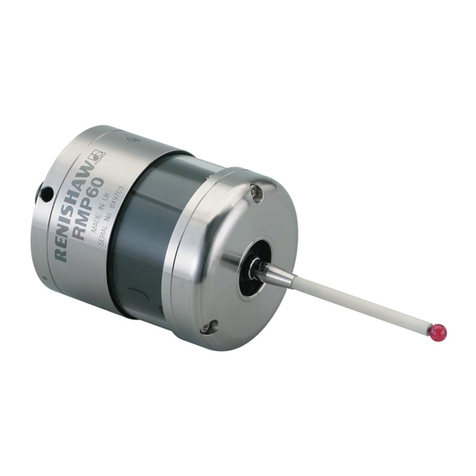
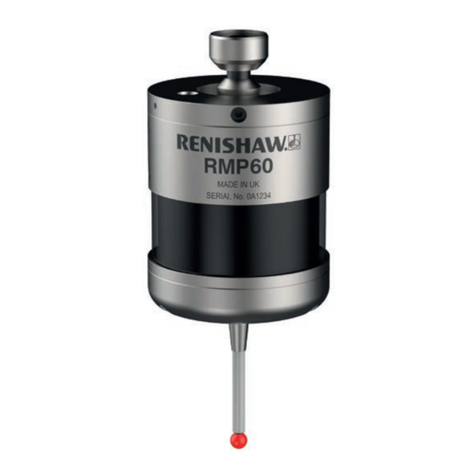
The RMP60 is supplied with two non-rechargeable
AA alkaline batteries. Lithium Thionyl Chloride
non-rechargable AA batteries may also be used
in the RMP60 (see 'Changing the batteries' in
Section 5 - Maintenance). Lithium batteries must
be approved to IEC 62133. Once the charge in the
batteries is depleted, do not attempt to recharge
them.
The use of this symbol on the batteries used in this
product indicate that the batteries must be collected
and disposed of separately from household waste
in accordance with EU battery directive 2006/66/
EC. Please contact your local authority about
the rules on the separate collection of batteries
because correct disposal helps to prevent negative
consequence for the environmental and human
health.
Please ensure replacement batteries are of the
correct type and are fitted with the correct polarity
in accordance with the instructions in this manual,
and as indicated on the product. For specific
battery operating, safety and disposal guidelines,
please refer to the battery manufacturers'
literature.
• Ensure that all batteries are inserted with
the correct polarity.
• Do not store batteries in direct sunlight or
rain.
• Do not heat or dispose of batteries in a fire.
• Avoid forced discharge of the batteries.
• Do not short-circuit the batteries.
• Do not disassemble, pierce, deform or apply
excessive pressure to the batteries.
• Do not swallow the batteries.
• Keep the batteries out of the reach of
children.
• Do not get batteries wet.
If a battery is damaged, exercise caution when
handling it.
Please ensure that you comply with international
and national battery transport regulations when
transporting batteries or the products.
Lithium batteries are classified as dangerous
goods and strict controls apply to their shipment
by air. To reduce the risk of shipment delays, if you
need to return the products to Renishaw for any
reason, do not return any batteries.
The RMP60 has a glass window. Handle with care
if broken to avoid injury.
Information to the machine supplier/
installer
It is the machine supplier's responsibility to ensure
that the user is made aware of any hazards
involved in operation, including those mentioned
in Renishaw product literature, and to ensure
that adequate guards and safety interlocks are
provided.
Under certain circumstances, the probe signal
may falsely indicate a probe seated condition. Do
not rely on probe signals to halt the movement of
the machine.