TIGA User Manual | Product Description
07
Product Description
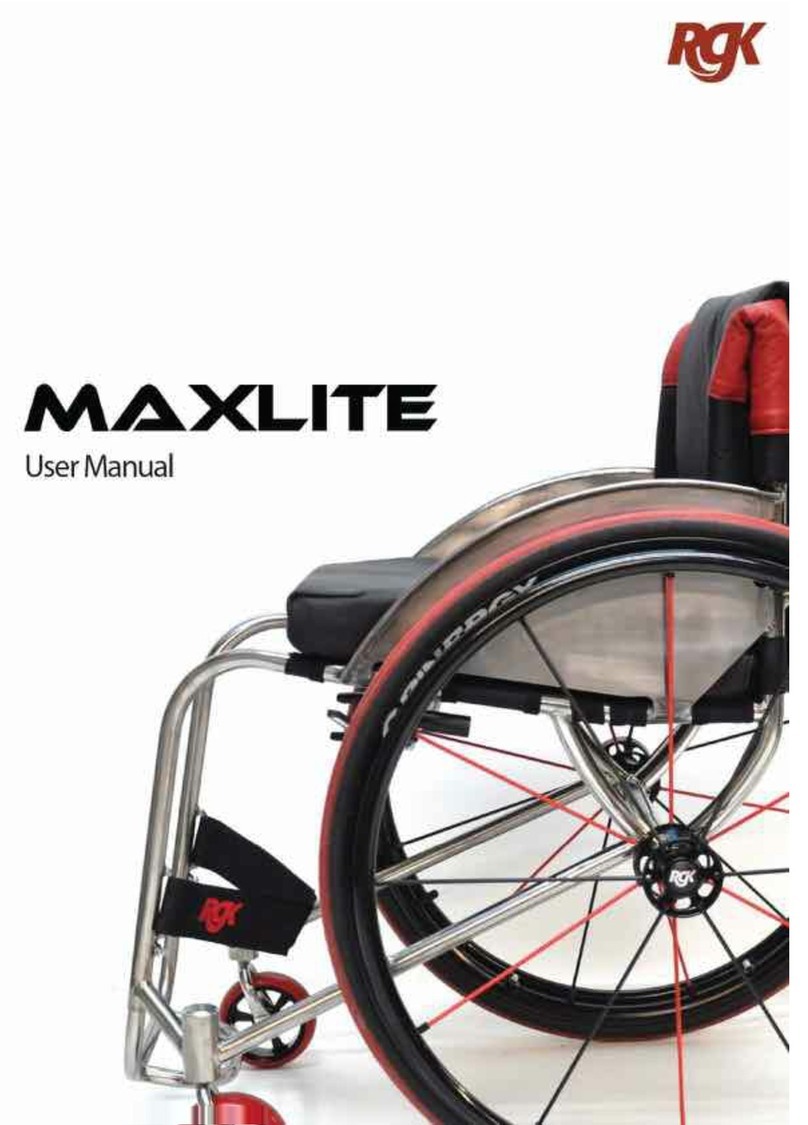
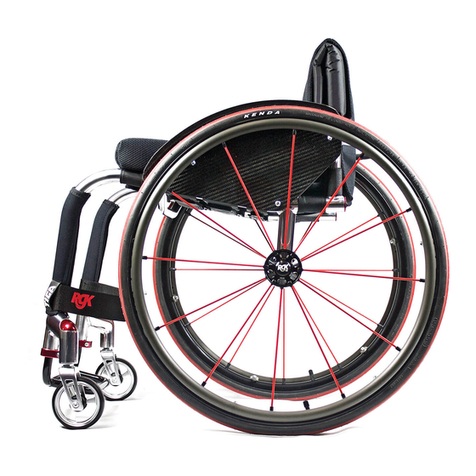
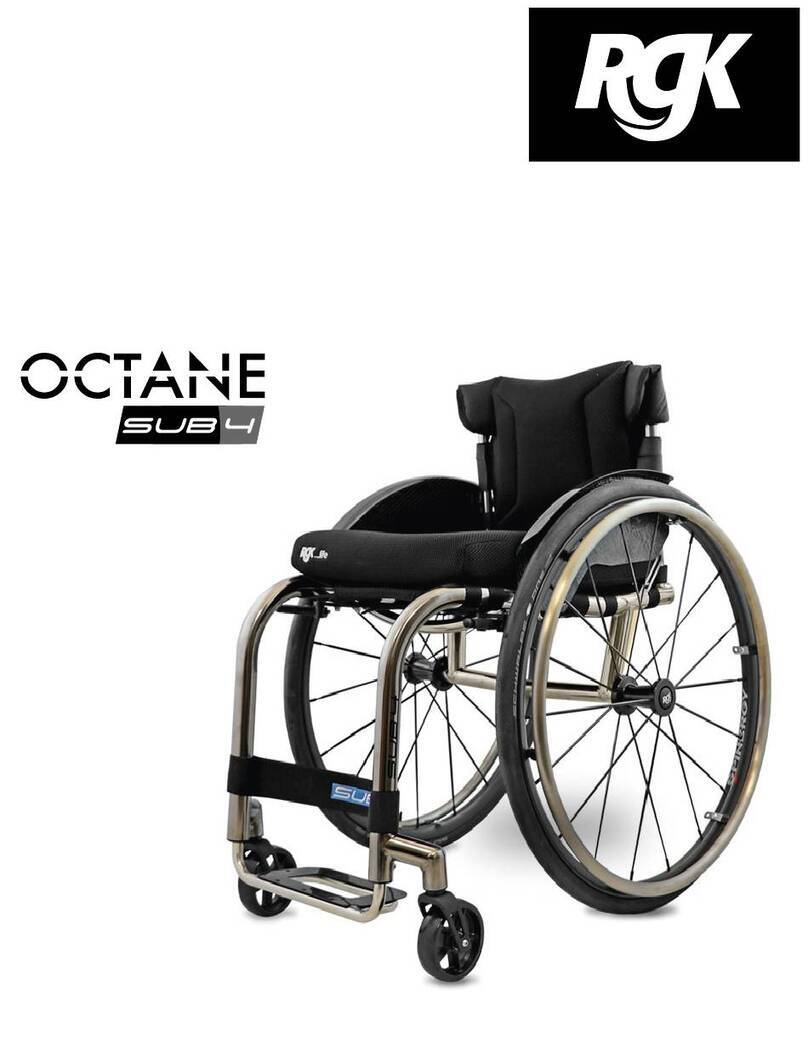
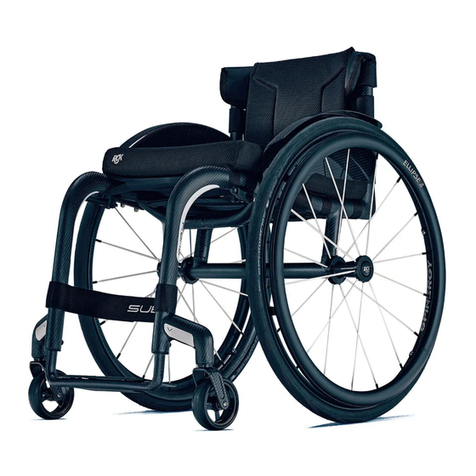
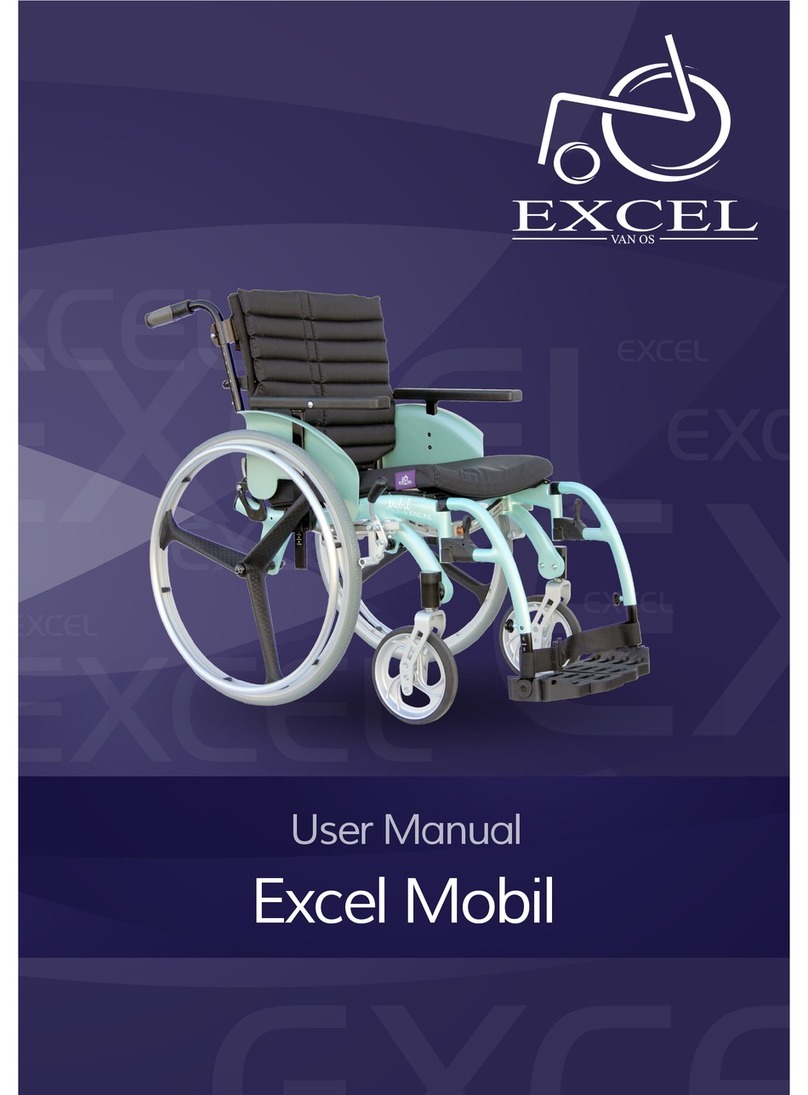
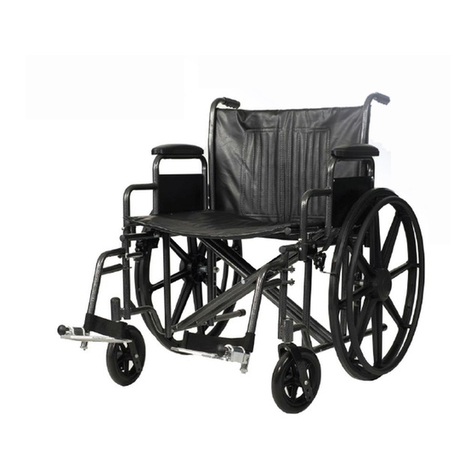
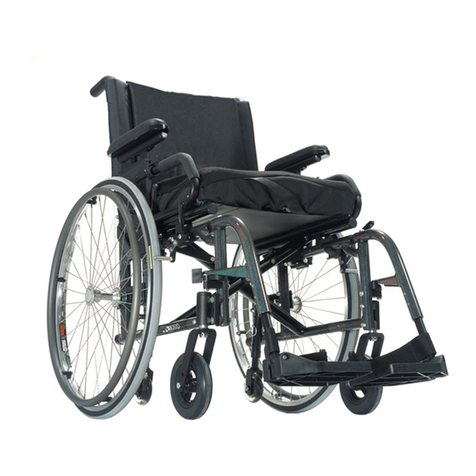
TIGA manually propelled wheelchair combines the
bespoke, personal values and perfection. Chair is
suitable for a wide range of users whose mobility has
been reduced or removed by a disability or chronic
illness. The TIGA is hand built from aerospace grade
aluminium. Two frame design options are available
either open frame or closed frame design, delivering
a lightweight and versatile chair. It is the ultimate
lightweight wheelchair with its smooth clean curves
and a simplistic design make it the perfect complement
to its lightweight design.The design incorporates
an aluminium frame, with either an integrated
aluminium camber bar and footrest suited to the more
experienced users looking for the lightest option, or can
be prescribed with an adjustable aluminium camber
bar and adjust height footrest, scissor or push to lock
brakes, adjustable tension seat sling, backrest and calf
strap all as standard, with further options available.
The design accommodates a wide range of disabilities
for all ages of user up to a maximum user weight of
125kg.
Suitability is dependent upon the degree and nature of
disability and must be determined through a thorough
Client risk assessment carried out by a qualied medical
professional or RGK personnel. This wheelchair is
suitable for a means of transfer from one location to
another where physical mobility is impaired or reduced
and is not designed for any other purpose.
Consideration must be given at point of prescription
to required usage with regard to the capabilities of the
user and the environment and terrain on which the
product will be used.
The TIGA, manufactured by RGK Wheelchairs Ltd,
is placed on the EU market, CE marked, as a Class
1 Medical Device and complies with the Essential
Requirements of the Medical Device Directive 93/42/
EEC.
By denition all wheelchairs are marketed as a medical
device where a“medical device”* means an instrument,
apparatus, appliance, material or other article, whether
used alone or in combination, together with any
software necessary for its proper application, which-
(a) is intended by the manufacturer to be used for
human beings for the purpose of-
(i) diagnosis, prevention, monitoring, treatment or
alleviation of disease,
(ii) diagnosis, monitoring, treatment, alleviation of or
compensation for an injury or handicap,
(iii) investigation, replacement or modication of the
anatomy or of a physiological process, or
(iv) control of conception; and
(b) does not achieve its principal intended action
in or on the human body by pharmacological,
immunological or metabolic means, even if it is assisted
in its function by such means.
* denition taken from the Medical Devices Directive
93/42/EEC
RGKTIGA Manual
Propelled Wheelchair