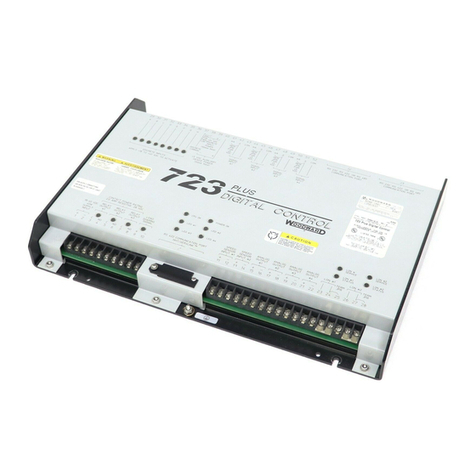
2301A Load Sharing & Speed Control Manual 02303
ii Woodward
Illustrations and Tables
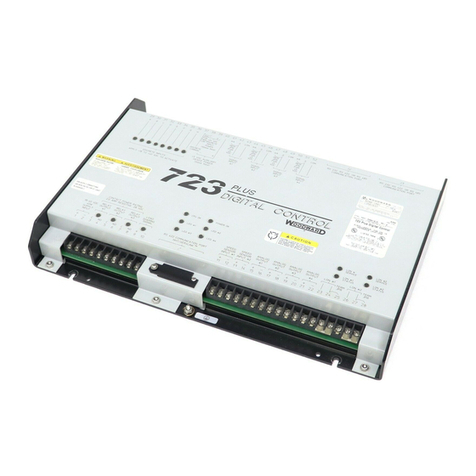
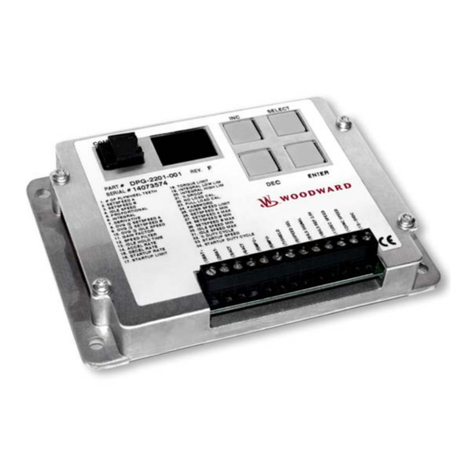
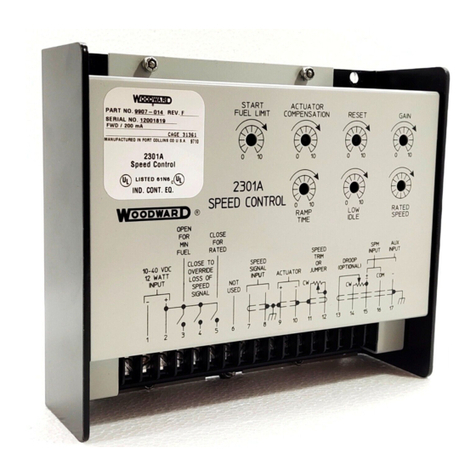
Figure 1-1. 2301A Load Sharing and Speed Control .............................................3
Figure 1-2. Plant Wiring Diagram (9900-430) ........................................................4
Figure 1-3. Plant Wiring Diagram (9900-431) ........................................................5
Figure 1-4. Plant Wiring Diagram (9900-432) ........................................................6
Figure 1-5. Plant Wiring Diagram (9900-433) ........................................................7
Figure 3-1. Diesel Engine Performance Curves...................................................17
Figure 3-2. Temporary Wiring for Transformer Phase Correction .......................21
Figure 3-3. Droop Adjustment ..............................................................................24
Figure 4-1. Speed Control System .......................................................................26
Figure 4-2. Terminal Connections ........................................................................28
Figure 4-3. Paralleling System .............................................................................29
Table 5-1. Troubleshooting ..................................................................................31
Electrostatic Discharge Awareness
All electronic equipment is static-sensitive, some components more than others.
To protect these components from static damage, you must take special
precautions to minimize or eliminate electrostatic discharges.
Follow these precautions when working with or near the control.
1. Before doing maintenance on the electronic control, discharge the static
electricity on your body to ground by touching and holding a grounded metal
object (pipes, cabinets, equipment, etc.).
2. Avoid the build-up of static electricity on your body by not wearing clothing
made of synthetic materials. Wear cotton or cotton-blend materials as much
as possible because these do not store static electric charges as much as
synthetics.
3. Keep plastic, vinyl, and Styrofoam materials (such as plastic or Styrofoam
cups, cup holders, cigarette packages, cellophane wrappers, vinyl books or
folders, plastic bottles, and plastic ash trays) away from the control, the
modules, and the work area as much as possible.
4. Do not remove the printed circuit board (PCB) from the control cabinet
unless absolutely necessary. If you must remove the PCB from the control
cabinet, follow these precautions:
•Do not touch any part of the PCB except the edges.
•Do not touch the electrical conductors, the connectors, or the
components with conductive devices or with your hands.
•When replacing a PCB, keep the new PCB in the plastic antistatic
protective bag it comes in until you are ready to install it. Immediately
after removing the old PCB from the control cabinet, place it in the
antistatic protective bag.
CAUTION—ELECTROSTATIC DISCHARGE
To prevent damage to electronic components caused by improper handling, read
and observe the precautions in Woodward manual 82715, Guide for Handling and
Protection of Electronic Controls, Printed Circuit Boards, and Modules.