manuals.online logo
Brands
  1. Home
  2. •
  3. Brands
  4. •
  5. Apogee
  6. •
  7. Accessories
  8. •
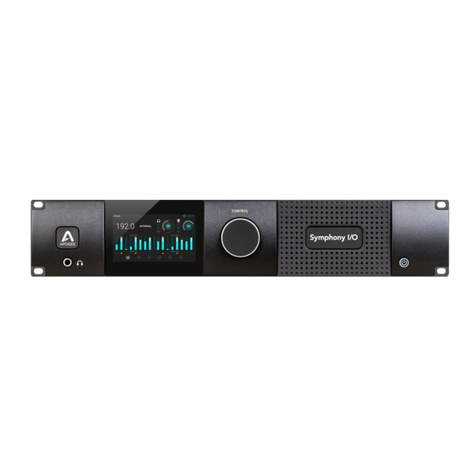
  9. Apogee Symphony I/O Instruction Manual

Apogee Symphony I/O Instruction Manual

Other manuals for Symphony I/O

2

Other Apogee Accessories manuals

Apogee ONE User manual

Apogee

Apogee ONE User manual

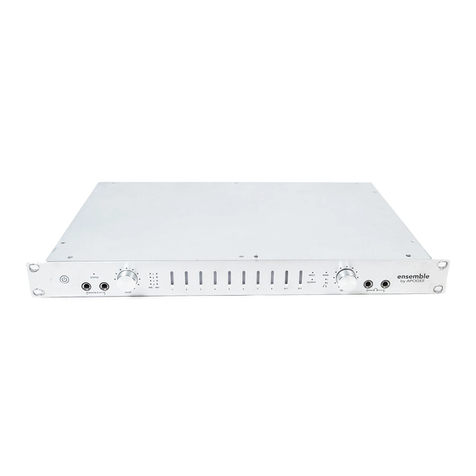
Apogee ensemble User manual

Apogee

Apogee ensemble User manual

Apogee Symphony Mk II User manual

Apogee

Apogee Symphony Mk II User manual
Apogee SQX Series User manual

Apogee

Apogee SQX Series User manual

Apogee SQX Series User manual

Apogee

Apogee SQX Series User manual

Apogee SQ-422 User manual

Apogee

Apogee SQ-422 User manual
Apogee ONE User manual

Apogee

Apogee ONE User manual

Apogee ensemble User manual

Apogee

Apogee ensemble User manual
Apogee SU-100 User manual

Apogee

Apogee SU-100 User manual

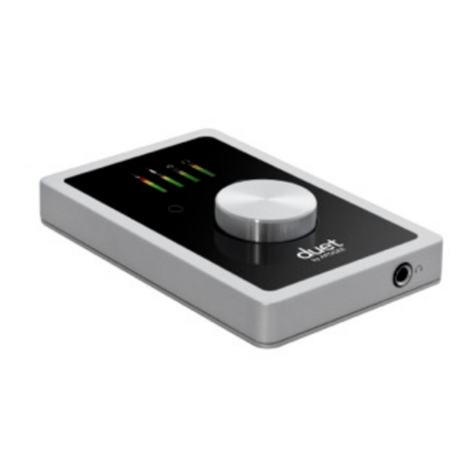
Apogee Apogee Duet User manual

Apogee

Apogee Apogee Duet User manual

Apogee Apogee Duet User manual

Apogee

Apogee Apogee Duet User manual

Apogee SQ-640 User manual

Apogee

Apogee SQ-640 User manual

Apogee SP-214 User manual

Apogee

Apogee SP-214 User manual

Apogee Apogee Duet User manual

Apogee

Apogee Apogee Duet User manual

Apogee ensemble User manual

Apogee

Apogee ensemble User manual

Apogee SQ-627 User manual

Apogee

Apogee SQ-627 User manual

Apogee SQ Series User manual

Apogee

Apogee SQ Series User manual

Apogee Quartet User manual

Apogee

Apogee Quartet User manual

Apogee duet3 User manual

Apogee

Apogee duet3 User manual

Apogee ONE User manual

Apogee

Apogee ONE User manual

Apogee ensemble User manual

Apogee

Apogee ensemble User manual
Apogee ensemble User manual

Apogee

Apogee ensemble User manual

Apogee AD-16X User manual

Apogee

Apogee AD-16X User manual
Apogee SQ-514 User manual

Apogee

Apogee SQ-514 User manual

Popular Accessories manuals by other brands

Quincy lab 140AE-1 operating manual

Quincy lab

Quincy lab 140AE-1 operating manual

HomePro ZIR000 user manual

HomePro

HomePro ZIR000 user manual

DOL 20SCR Technical user guide

DOL

DOL 20SCR Technical user guide

RAB Smart Task installation manual

RAB

RAB Smart Task installation manual

Kemppi KMS 300 quick guide

Kemppi

Kemppi KMS 300 quick guide

Stearns 57,500 Series Installation and service instructions

Stearns

Stearns 57,500 Series Installation and service instructions

iGuzzini TWILIGHT COPENAGHEN manual

iGuzzini

iGuzzini TWILIGHT COPENAGHEN manual

Adelaide Annexe & Canvas Avan Deluxe installation guide

Adelaide Annexe & Canvas

Adelaide Annexe & Canvas Avan Deluxe installation guide

OHAUS 5000 instruction manual

OHAUS

OHAUS 5000 instruction manual

HOME8 WLS1300 quick start guide

HOME8

HOME8 WLS1300 quick start guide

MAXBOTIX MaxSonar quick start guide

MAXBOTIX

MAXBOTIX MaxSonar quick start guide

ioSmart iSmart56 Installation and user guide

ioSmart

ioSmart iSmart56 Installation and user guide

Focusrite Scarlett 18i8 user guide

Focusrite

Focusrite Scarlett 18i8 user guide

Velleman ED38105 user manual

Velleman

Velleman ED38105 user manual

JumpSport SkyBounce user manual

JumpSport

JumpSport SkyBounce user manual

Prima-Temp PRIYA Instructions for use

Prima-Temp

Prima-Temp PRIYA Instructions for use

Tefcold BC85I-BC85I W user manual

Tefcold

Tefcold BC85I-BC85I W user manual

Vaisala WMS302 user guide

Vaisala

Vaisala WMS302 user guide

manuals.online logo
manuals.online logoBrands
  • About & Mission
  • Contact us
  • Privacy Policy
  • Terms and Conditions

Copyright 2025 Manuals.Online. All Rights Reserved.

Symphony I/O Connections
Instructions & Guidelines
Symphony I/O Systems: 1 Unit
Pro Tools HD
✴Software Release 2.1 or later must be downloaded from Apogeedigital.com and
installed. Following installation restart your computer.
✴Power off Symphony I/O.
✴Connect Symphony I/O to port 1 of HD core card.
✴Power up unit. Set Symphony I/O to "Pro Tools HD" Audio Interface Mode (hold in
the right encoder to check and change if needed)
✴Verify that the Symphony I/O is clocked to internal and displays "INT" on the front-
panel.
✴Launch Pro Tools (you should hear relays clicking from the Symphony I/O and the
exclamation mark icon on the front-panel should go away) and open the "hardware
setup". Click "default" to double-check that all the I/O display.
NOTE: You can use a Symphony I/O with any sort of ProTools HD card (PCI-X, PCIE,
ProToolsHD 7.4, 8, and 9). Both G5 computers and Intel computers are supported. To
get Maestro 2 control, you have to use Maestro 2 on an Intel Mac, which you can do
separately if you connect the units via USB.
2
© Copyright 2011, Apogee Electronics.
The information in this document is confidential and proprietary. Redistribution without consent is strictly prohibited.
Pro Tools Native-HD
(Using single PCI card- not to be confused with ProTools Native)
✴Software Release 2.1 or later must be downloaded from Apogeedigital.com and
installed. Following installation restart your computer.
✴Power off Symphony I/O.
✴Connect Symphony I/O to port 1 of Native-HD card.
✴Power up unit. Set Symphony I/O to "Pro Tools HD" Audio Interface Mode (hold in
the right encoder to check and change if you need to)
✴Verify that the Symphony I/O is clocked to internal and displays "INT" on the front-
panel.
✴Launch Pro Tools (you should hear relays clicking from the Symphony I/O and the
exclamation mark icon on the front-panel should go away) and open the "hardware
setup"... click "default" just to double-check that all the i/o show up.
NOTE: Native-HD is compatible with ProTools 9 Intel Mac Pros only.
3
© Copyright 2011, Apogee Electronics.
The information in this document is confidential and proprietary. Redistribution without consent is strictly prohibited.
Symphony 64 PCI
(Compatible with ProTools Native- not to be confused with ProTools
Native-HD)
✴Software Release 2.1 or later must be downloaded from Apogeedigital.com and
installed. Following installation restart your computer.
✴Power off Symphony I/O.
✴Connect Symphony I/O to Symphony 64 card 1, port 1.
✴Power up unit. Set Symphony I/O to "Symphony" Audio Interface Mode (hold in the
right encoder to check and change needed)
✴Open "Audio MIDI Setup" (found in Applications > Utilities...) make sure "Symphony
64" is selected for input and output. Make sure the "Source" is set to "PCI Card 1,
Port 1 (Ch 1-32)".
✴Wait for Symphony I/O to lock to Internal and display "INT" on the front-panel. (you
should hear relays clicking from the Symphony I/O and the exclamation mark icon
on the front-panel should go away) The clock source can be changed from front-
panel (hold in left encoder) or in Maestro 2.
✴Launch Logic (or any other CoreAudio application) and make sure Symphony 64 is
the I/O for the app in the audio preferences.
NOTE: SBUS and VBUS are not available when using ProTools Native due to the 32
channel limit.
4
© Copyright 2011, Apogee Electronics.
The information in this document is confidential and proprietary. Redistribution without consent is strictly prohibited.
Symphony I/O Systems: 2 Units
NOTE: As of January 28, 2011, a maximum of 2 units is supported. Daisy chaining units
is not supported. The Secondary PC32 port on the back of the Symphony I/O is not yet
functional.
Pro Tools HD
✴Software Release Beta 3.1 or later must be downloaded from ApogeeDigital.com
and installed. Following installation restart your computer.
✴Power off Symphony I/Os
✴Connect Loop Sync BNC cables to proper connectors in back of unit (Loop Sync Out
on Unit A to Loop Sync In on Unit B and vice versa). Make sure you don't
accidentally connect to the WC connectors!
✴Connect 1st Symphony I/O to port of HD core card.
✴Connect 2nd Symphony I/O to port of 2nd HD card.
✴Power up units. Set both Symphony I/Os in "Pro Tools HD" Audio Interface Mode
(hold in the right encoders to check and change if needed)
✴Launch Maestro 2 (Maestro 2 is Intel Mac only). Go to the "System Setup" tab and
check the checkbox "use Loop Sync" (in some versions of the software, the box is
ALWAYS checked and it's grayed out- this is normal). Also verify that unit A is the
"loop sync master" in the drop-down menu next to the checkbox.
✴Wait for both units to lock. Unit A should be clocked to Internal displaying "INT" and
Unit B should display "LOOP".
5
© Copyright 2011, Apogee Electronics.
The information in this document is confidential and proprietary. Redistribution without consent is strictly prohibited.
✴Launch Pro Tools and open the "hardware setup". Click "default" to double-check
that all I/O display.
NOTE: You can use Symphony I/Os with any sort of ProTools HD card (PCI-X, PCIE,
ProToolsHD 7.4, 8, and 9). G5 computers and Intel computers are supported. To get
Maestro 2 control, you have to use Maestro 2 on an Intel Mac, which you can do
separately if you connect the units via USB.
6
© Copyright 2011, Apogee Electronics.
The information in this document is confidential and proprietary. Redistribution without consent is strictly prohibited.
Pro Tools Native-HD
(using single PCI card- not to be confused with ProTools Native)
✴Software Release Beta 3.1 or later must be downloaded from Apogeedigital.com and
installed. Following installation restart your computer.
✴Power off Symphony I/Os
✴Connect Loop Sync BNC cables to proper connectors in back of unit (Loop Sync Out
on Unit A to Loop Sync In on Unit B and vice versa). Make sure they don't
accidentally connect to the WC connectors!
✴Connect 1st Symphony I/O to port 1 of Native-HD card.
✴Connect 2nd Symphony I/O to port 2 of Native-HD card.
✴Power up units. Set both Symphony I/O’s in "Pro Tools HD" Audio Interface Mode
(hold in the right encoders to check and change if you need to)
✴Launch Maestro 2 (Maestro 2 is Intel Mac only). Go to the "System Setup" tab and
check the checkbox "use Loop Sync" (in some versions of the software, the box is
ALWAYS checked and it's grayed out- this is normal). Also verify that unit A is the
"loop sync master" in the drop-down menu next to the checkbox.
✴Wait for both units to lock. Unit A should be clocked to Internal displaying "INT" and
Unit B should display "LOOP".
✴Launch Pro Tools and open the "hardware setup". Click "default" to double-check
that all I/O display.
NOTE: To use Native-HD, you have to use ProTools 9, on G5s, so only Intel Mac-Pros.
7
© Copyright 2011, Apogee Electronics.
The information in this document is confidential and proprietary. Redistribution without consent is strictly prohibited.
Symphony64
(Compatible with ProTools Native- not to be confused with ProTools
Native-HD)
✴Software Release Beta 3.1 or later must be downloaded from Apogeedigital.com and
installed. Following installation restart your computer.
✴Power off Symphony I/Os
✴Connect Loop Sync BNC cables to proper connectors in back of unit (Loop Sync Out
on Unit A to Loop Sync In on Unit B and vice versa). Make sure they don't
accidentally connect to the WC connectors!
✴Connect 1st Symphony I/O to Symphony 64 card 1, port 1.
✴Connect 2nd Symphony I/O to Symphony 64 card 1, port 2.
✴Power up units. Set both Symphony I/Os in "Symphony" Audio Interface Mode (hold
in the right encoders to check and change if you need to)
✴Launch Maestro 2 (Maestro 2 is Intel Mac only). Go to the "System Setup" tab and
check the checkbox "use Loop Sync" (in some versions of the software, the box is
ALWAYS checked and it's grayed out- this is normal). Also verify that unit A is the
"loop sync master" in the drop-down menu next to the checkbox.
✴Open "Audio MIDI Setup" (found in Applications > Utilities > Audio MIDI Setup),
select "Symphony 64" for input and output. Set the "Source" to "PCI Card 1, Port 1-2
(Ch 1-64)".
✴Wait for both units to lock. Unit A should be clocked to Internal displaying "INT" and
Unit B should display "LOOP".
8
© Copyright 2011, Apogee Electronics.
The information in this document is confidential and proprietary. Redistribution without consent is strictly prohibited.
✴Launch Logic (or any other CoreAudio application) and verify Symphony 64 as the I/
O for the app in the audio preferences.
NOTE: SBUS and VBUS are not available when using ProTools Native due to the 32
channel limit.
9
© Copyright 2011, Apogee Electronics.
The information in this document is confidential and proprietary. Redistribution without consent is strictly prohibited.