EnglishDeutsch
 logo
Brands
  1. Home
  2. •
  3. Brands
  4. •
  5. Aroma
  6. •
  7. Kitchen Appliance
  8. •
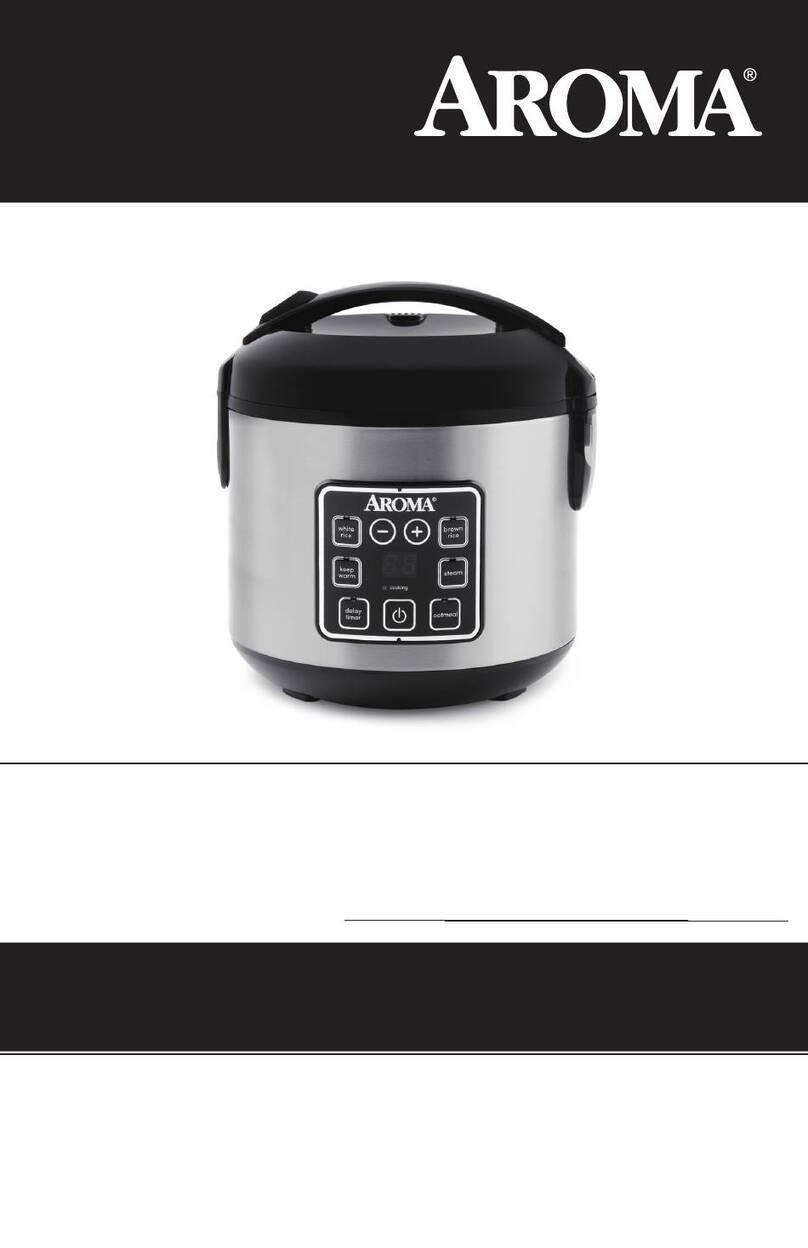
  9. Aroma AEW-316 Use and care manual

Aroma AEW-316 Use and care manual

Other manuals for AEW-316

1

Other Aroma Kitchen Appliance manuals

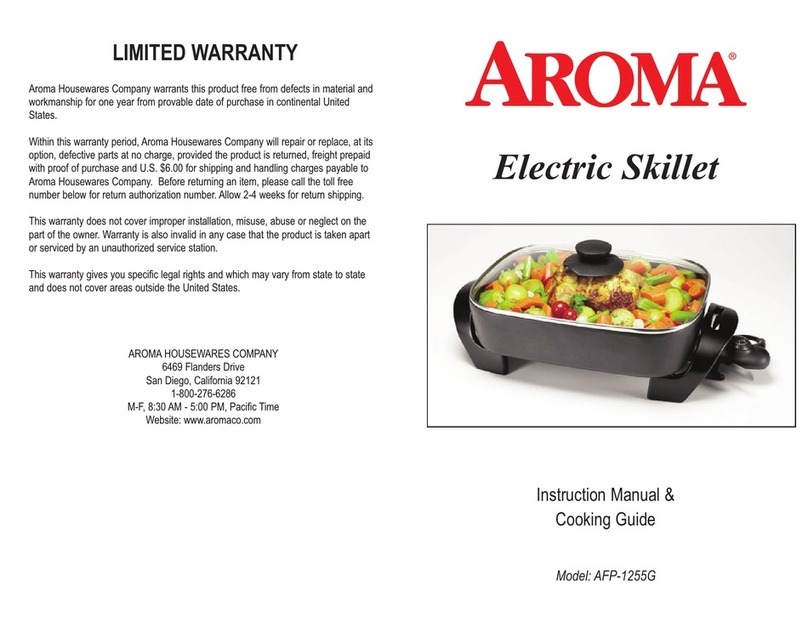
Aroma AFP-1255G Use and care manual

Aroma

Aroma AFP-1255G Use and care manual
Aroma ASM-905 User manual

Aroma

Aroma ASM-905 User manual
Aroma SuperPot ASP-137 User manual

Aroma

Aroma SuperPot ASP-137 User manual

Aroma ACJ-260 User manual

Aroma

Aroma ACJ-260 User manual
Aroma Hot Froth X-Press AFR-110 User manual
Aroma

Aroma Hot Froth X-Press AFR-110 User manual

Aroma AFS-140 User manual

Aroma

Aroma AFS-140 User manual
Aroma Super Pot ARC-1021DR User manual
Aroma

Aroma Super Pot ARC-1021DR User manual

Aroma AFR-180 User manual

Aroma

Aroma AFR-180 User manual
Aroma Select Stainless ARC-914SBDS User manual

Aroma

Aroma Select Stainless ARC-914SBDS User manual

Aroma ARC-150SB User manual

Aroma

Aroma ARC-150SB User manual
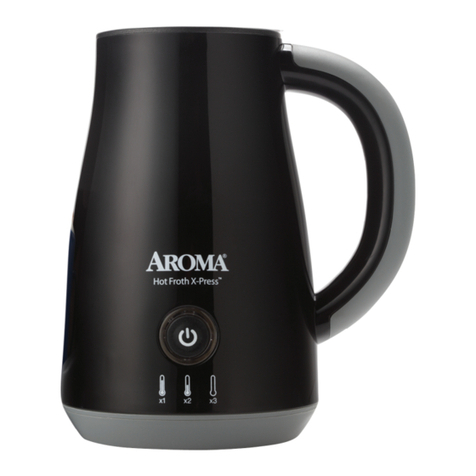
Aroma Hot Froth X-Press AFR-200B User manual
Aroma

Aroma Hot Froth X-Press AFR-200B User manual

Aroma NutriWare NFD-600HD User manual

Aroma

Aroma NutriWare NFD-600HD User manual

Aroma ARC-928S User manual

Aroma

Aroma ARC-928S User manual
Aroma Select Stainless ARC-914SBDS User manual
Aroma

Aroma Select Stainless ARC-914SBDS User manual

Aroma ANW-102 User manual

Aroma

Aroma ANW-102 User manual
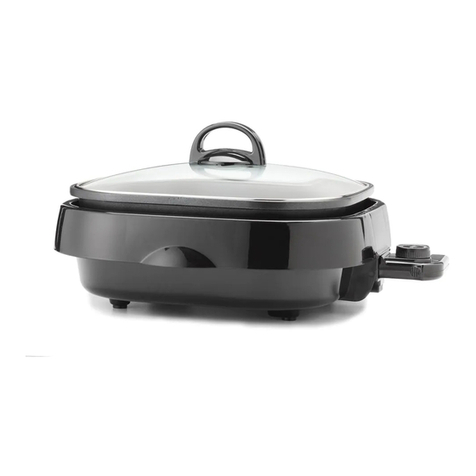
Aroma ASP-238 User manual

Aroma

Aroma ASP-238 User manual
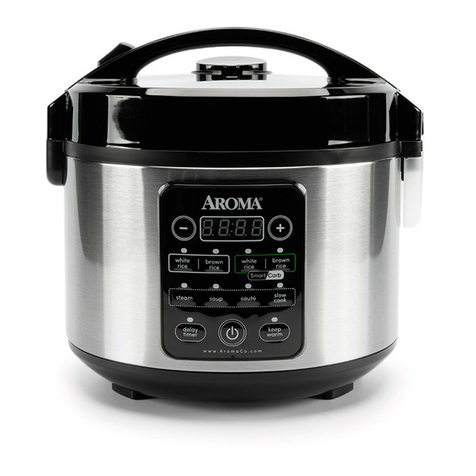
Aroma ARC-1126SBL User manual

Aroma

Aroma ARC-1126SBL User manual

Aroma ARC-1230B User manual

Aroma

Aroma ARC-1230B User manual
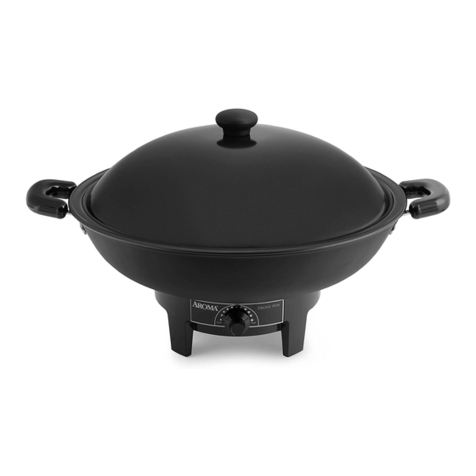
Aroma AEW-305 Technical specifications
Aroma

Aroma AEW-305 Technical specifications

Aroma ARC-5104SB User manual

Aroma

Aroma ARC-5104SB User manual

Aroma ARC-1120SBL User manual

Aroma

Aroma ARC-1120SBL User manual

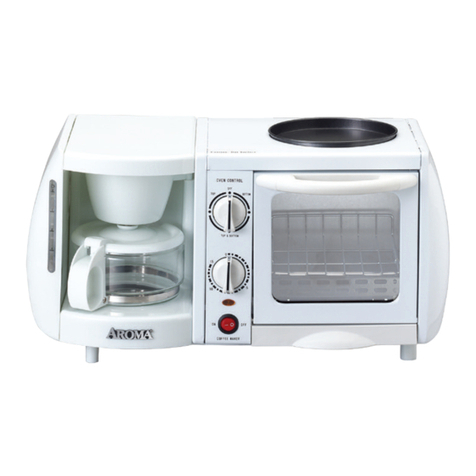
Aroma Breakfast-To-Go User manual

Aroma

Aroma Breakfast-To-Go User manual

Aroma ARC-1126SBL User manual

Aroma

Aroma ARC-1126SBL User manual

Aroma AWT-1503SP User manual

Aroma

Aroma AWT-1503SP User manual

Popular Kitchen Appliance manuals by other brands

Tayama TYG-35AF instruction manual

Tayama

Tayama TYG-35AF instruction manual
AEG 43172V-MN user manual

AEG

AEG 43172V-MN user manual

REBER Professional 40 Use and maintenance

REBER

REBER Professional 40 Use and maintenance

North American BB12482G / TR-F-04-B-NCT-1 Assembly and operating instructions
North American

North American BB12482G / TR-F-04-B-NCT-1 Assembly and operating instructions

Presto fountain popper instruction manual

Presto

Presto fountain popper instruction manual

Westmark 1035 2260 operating instructions
Westmark

Westmark 1035 2260 operating instructions
Zanussi ZCG64396XA user manual

Zanussi

Zanussi ZCG64396XA user manual

HOFFEN SM-9302M instruction manual

HOFFEN

HOFFEN SM-9302M instruction manual

Philips HD3133 user manual

Philips

Philips HD3133 user manual

Ronco Beef Jerky User guide and recipes

Ronco

Ronco Beef Jerky User guide and recipes

Hendi 470411 user manual

Hendi

Hendi 470411 user manual

Livoo MEN386 user manual

Livoo

Livoo MEN386 user manual

croydon WR-10313-700 instruction manual

croydon

croydon WR-10313-700 instruction manual

Chefman RJ43-SQ Series user guide

Chefman

Chefman RJ43-SQ Series user guide

Vacmaster VP680 user guide

Vacmaster

Vacmaster VP680 user guide

Jetmaster 900HG operating instructions

Jetmaster

Jetmaster 900HG operating instructions

Küppersbusch EEH 610.0 Instructions for use and installation instructions

Küppersbusch

Küppersbusch EEH 610.0 Instructions for use and installation instructions

HURAKAN HKN-F10 manual

HURAKAN

HURAKAN HKN-F10 manual

https://manuals.online logo
https://manuals.online logoBrands
  • About & Mission
  • Contact us
  • Privacy Policy
  • Terms and Conditions

Copyright 2026 Manuals.Online. All Rights Reserved.

5-QUA T
Electric Wok
Instruction Manual &
Authentic Cooking Guide
AEW-316
www.AromaCo.com
Published By:
Aroma ousewares Co.
6469 Flanders Drive
San Diego, CA 92121
U.S.A.
1-800-276-6286
www.aromaco.com
© 2008 Aroma
ousewares Company
All rights reserved.
The wok is an invention of pure necessity. In ancient times, the vast
majority of people spent their lives in short of those things that the kings,
emperors, and warlords had in abundance. Even staple items like fuel,
cooking oil, utensils, and water were scarce. In these lands and living
conditions, foods had to be cooked quickly and efficiently.
Though the wok may appear to be a rather recent addition to Asian
kitchen cookery, it has been used for over two thousand years. The first
woks were pottery models found in the an Dynasty tombs. Similar pans
have been found in India and southeast Asia. There is believed to have
been a sharing of cultures and cooking techniques between these
ancient civilizations.
The smooth, even distribution of intense heat is the wok’s most distinc-
tive feature. The semi-spherical curve and shape of the wok allow for a
maximum cooking surface with very minimal fuel contact. It can be
used to boil, braise, sauté, stir-fry, tempura-fry, and steam. In any case,
the cooking is done with little added oil or fat and with a wide range of
seasonings and flavors.
For other kitchen appliance solutions and recipe ideas,
please visit us online at www.AromaCo.com.
The Food of China, E.N.Anderson [Yale Universi y Press:New Haven] 1988 (p.184-185)
A WOK TH OUGH HISTO Y
1
Basic safety precautions should always be followed when using electrical
appliances, including the following:
1. Important: ead all instructions carefully before first use.
2. Do not touch hot surfaces. Use handles or knobs.
3. To protect against electrical shock, do not immerse cord, plug or the
appliance itself in water or other liquid.
4. Close supervision is necessary when the appliance is used by or near children.
This appliance is not intended to be used by children.
5. Unplug from outlet when not in use and before cleaning. Allow unit to cool
before putting on or taking off parts, and before cleaning the appliance.
6. Do not operate any appliance with a damaged cord or plug or after the
appliance malfunctions or has been damaged in any manner. Return to the
nearest authorized service facility for examination, repair or adjustment.
7. Do not use attachments or accessories other than those supplied or
recommended by the manufacturer. Incompatible parts create a hazard.
8. Do not use outdoors.
9. Do not let cord hang over edge of table or counter, or touch hot surfaces.
10. Do not place on or near a hot burner or in a heated oven.
11. Do not use the appliance for other than intended use.
12. Do not clean with metal scouring pads. Pieces can break off the pad and
touch electrical parts, creating a risk of electric shock. Metal scouring pads
may also damage the finish.
13. Always unplug from the base of the wall outlet. Never pull on the cord.
14. Extreme caution should be exercised when using or moving the appliance
containing hot oil or other hot liquids.
15. The wok should be operated on a separate electrical circuit from other
operating appliances. If the electric circuit is overloaded with other
appliances, this appliance may not operate properly.
16. Store in a cool, dry place.
17. To disconnect, move the temperature controller to the “Off” position before
unplugging the wok from the electric outlet.
18. Place the electric wok on a flat and heat-resistant surface, and use it in a
well-ventilated area.
19. Do not place the wok too close to the edge of the table or countertop as the
wok might be knocked off.
20. The heating base and the other parts may become hot. Be sure to use the
handles and wear protective oven mitts or gloves.
21. Check the handles on a regular basis to ensure that they are firmly attached to
the pan.
SSAAVVEE TTHHEESSEE IINNSSTTRRUUCCTTIIOONNSS
IMPO TANT SAFEGUA DS
1. A short power-supply cord is provided to reduce the risks resulting from
becoming entangled in or tripping over a longer cord.
2. Longer extension cords are available and may be used if care is exercised in
their use.
3. If a longer extension cord is used:
a. The marked electrical rating of the extension cord should be at least as
great as the electrical rating of the appliance.
b. The longer cord should be arranged so that it will not drape over the
countertop or tabletop where it can be pulled by children or tripped over
unintentionally.
This appliance has a polarized plug (one blade is wider than the other); follow
the instructions below:
To reduce the risk of electric shock, this plug is intended to fit into a polarized
outlet only one way. If the plug does not fit fully into the outlet, reverse the
plug. If it still does not fit, contact a qualified electrician. Do not attempt to
modify the plug in any way.
If the supply cord is damaged, it must be replaced by the manufacturer, its
service agent or a similarly qualified person in order to avoid a hazard.
This appliance is for household use only.
2
SHO T CO D INST UCTIONS
POLA IZED PLUG
3
D
1
2
4
6
8
1
2
4
6
8
5
3
A.Long chopsticks
B. Tempura rack
C.Steam rack
6
1
7
ABC
Accessories
1. Steam vent
2. Tempered glass lid
3. Nonstick interior surface
4. Cool-touch handles
5. Wok body
6. Trigger release temperature
probe
7. Quick-release detachable
base
2
4
PA TS IDENTIFICATION
4
BBeeffoorree FFiirrsstt UUssee::
1. Read all instructions and important safeguards.
2. Remove all packaging materials and make sure items are received in good
condition.
3. Tear up all plastic bags as they can pose a risk to children.
4. Wash the wok in warm, soapy water. Rinse and dry thoroughly.
5. Place wok on a dry and level countertop or table. Keep the edge of the wok
2-4 inches away from any walls and objects on the countertop or table.
6. With the wok turned off and completely cold, condition the surface with 1 to
1½ tablespoons of cooking oil; use a kitchen paper towel to wipe it thoroughly.
ØDo not use abrasive cleaners or scouring pads.
ØDo not immerse the wok, cord or plug in water at any time.
TToo CCooookk::
1. Attach the temperature probe to the wok (see figure 2A on the next page)
and plug it into a proper electrical outlet.
2. Add cooking oil (or water, if steaming) and adjust the cooking temperature to
the desired setting. When the indicator light goes off, the temperature has
been reached and the wok is ready.
ØDo not cover the wok with the lid when heating up the cooking oil.
3. When cooking with the lid on, adjust the steam vent to release or retain steam
while cooking. (See figure 3A on the next page to operate the steam vent.)
ØUse caution when operating the steam vent to prevent burning hands or face.
5. When cooking is complete, move the temperature dial to “Off” position and
take food out of the wok right away.
6. Unplug the power cord from the wall immediately after you have finished
cooking. When cool, remove the temperature control probe. Allow the wok
to cool completely before cleaning.
HOW TO USE
Steam Vent Operation
Figure 2A
Steam ent allows
you to control
desired moisture
le els while cooking
and steaming.
1
2
4
6
8
1
2
4
6
8
Press trigger and
insert temperature
probe into wok.
Release by
pressing trigger &
remo ing
temperature
probe.
Trigger Release
Figure 3A
CAUTION:
!
• The wok heats up fast. Be sure to prepare all the ingredients first
and place them near cooking area before the wok is plugged in.
• Do not use metal or abrasive utensils that may damage the
nonstick surface.
• old one of the wok handles with a hot pad or oven mitt when
you stir-fry a large portion of food.
• Wok base can become extremely hot. Do not touch the base of
the wok during or after cooking.
La Salida del Vapor
5
HOW TO USE
6
Before cleaning, allow your wok to cool completely.
1. Move the temperature dial to “Off” position and unplug the power cord
immediately after cooking. When cool, remove control probe and place
aside.
2. To detach the quick-release base: Turn the wok over with bottom facing up
and turn the release knob counterclockwise to release. (See figure 4A below.)
3. The lid, the wok body and the detachable base are all dishwasher safe for
easy cleanup.
4. emember: the temperature control probe is NOT dishwasher safe and may
only be cleaned with a damp sponge or dishcloth. Always unplug before
cleaning.
5. Reattach the wok base before storing. Turn wok over and line up the wok base
with wok heating element. Press down hard on the knob and turn clockwise to
lock. (Refer to figure 4A below for further instructions.)
Do not use harsh abrasive cleaners, products or utensils that are not
considered safe to use on nonstick coatings.
The temperature control probe is NOT dishwasher safe. Do not immerse
temperature control probe, cord or plug in water or any other liquid.
Detachable base
Figure 4A
1. 2.
This diagram depicts base removal,
When reattaching base, reverse the
steps and remember to push down
hard on the knob before turning
clockwise.
HOW TO CLEAN
STI -F Y
1. Chop ingredients into thin, bite-sized pieces for evenly-cooked stir-fry. The
temperature control should be turned to maximum heat. Wait to add
ingredients until the wok has heated up completely.
2. First add the denser vegetables that take the longest to cook, and then add
the meat, letting it brown before
stirring. Always stir-fry with
lean meat.
3. Finally, clear the center of the
wok, pushing food up the sides
before adding sauce, so it can
fully thicken.
TEMPU A
1. Turn temperature dial to medium heat and add oil, allowing it to heat up
completely before adding other ingredients. Add a drop of the batter to the
oil - if the batter immediately rises, you are ready to cook tempura!
2. Dip the batter-coated food into the hot oil using a skewer or fork. Note that
cooking time is shorter for seafood
(2 minutes) and longer for vegetables
(4-5 minutes). Once batter turns slightly
brown, remove it from the oil and place
on tempura rack to drain.
TIP: When cooking stir-fry, preparation usually requires more time
than cooking, so make sure to have all the necessary
ingredients ready before heating up your wok!
Stir-Fry Favorites: Beef, Chicken,
Lamb, Pork, Veal, Onion,
Mushrooms, Peppers, Scallions,
Bamboo shoots, Water Chestnuts,
Zucchini & Snow Peas
TIP: When making the batter for tempura, always use sifted
flour and ice-cold water.
Tempura Favorites: Shrimp,
Scallops, Calamari, Chicken
Breast Cubes, Steak Cubes,
Mushrooms, Asparagus,
Japanese Eggplant, Green
Beans & Squash
7
HELPFUL HINTS
B AISE (SLOW COOK)
1. eat up wok to high heat and add oil. Once the surface is hot, add
vegetables or meat and cook until meat is browned, then turn heat to low.
2. Add stock, wine, water or other sauce to wok until food is simmering, but not
completely covered, and cover with
the lid. When braising, it's
important that the steam is not
released too quickly, as this might
cause the meat to dry out.
STEAM
1. Place steam rack inside the wok. Cut vegetables into small pieces and place
on top of the steam rack. Bring an inch or two of water to a boil over high
heat.
2. Cover with lid, adjust steam vent, and monitor carefully so food doesn’t over
cook. Cooking time usually
varies from 10 to 15 minutes
depending on the
vegetable.
Braising Favorites: Ribs, Shanks,
Poultry Legs & Thighs.
TIP: Braising is a technique that is typically used to tenderize
tough cuts of meat. Braising tender cuts of meat will most
likely cause them to become overcooked and dry.
TIP: Always use high heat to steam vegetables. Since steam is
hotter than boiling water, vegetables will cook faster and will
absorb less water.
Steaming Favorites: Fish, Asparagus,
Broccoli, Cabbage, Carrots,
Cauliflower, Corn, Eggplant, Green
Beans, Spinach, Squash, Zucchini
8
HELPFUL HINTS