_ 8 PORTS VDSL IP DSLAM USER MANUAL VER. B.9
1
Copyright
8 PORTS VDSL IP DSLAM USER MANUAL
The VDSL IP DSLAM networking solution delivers cost-effective, high-performance
broadband access to multiunit buildings (hotels, apartment, and multi-tenant unit office
buildings) and enterprise campus environments such as manufacturing, educational
campuses, and medical facilities. VDSL technology dramatically extends Ethernet over
existing Category 1/2/3 wiring at speeds from 4/1,5/10/15 Mbps (full duplex) and
distances up to 1900/1500/1200/1000 meters. The VDSL technology delivers broadband
service on the same lines as Plain Old Telephone Service (POTS), digital telephone, and
ISDN system. In addition, VDSL supports modes compatible with symmetric digital
subscriber line, allowing service providers to provision VDSL to buildings where
broadband services already exist.
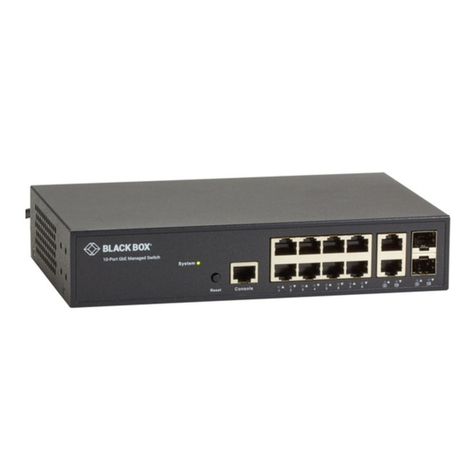
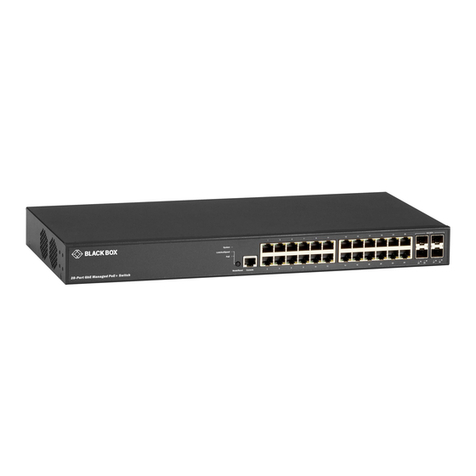
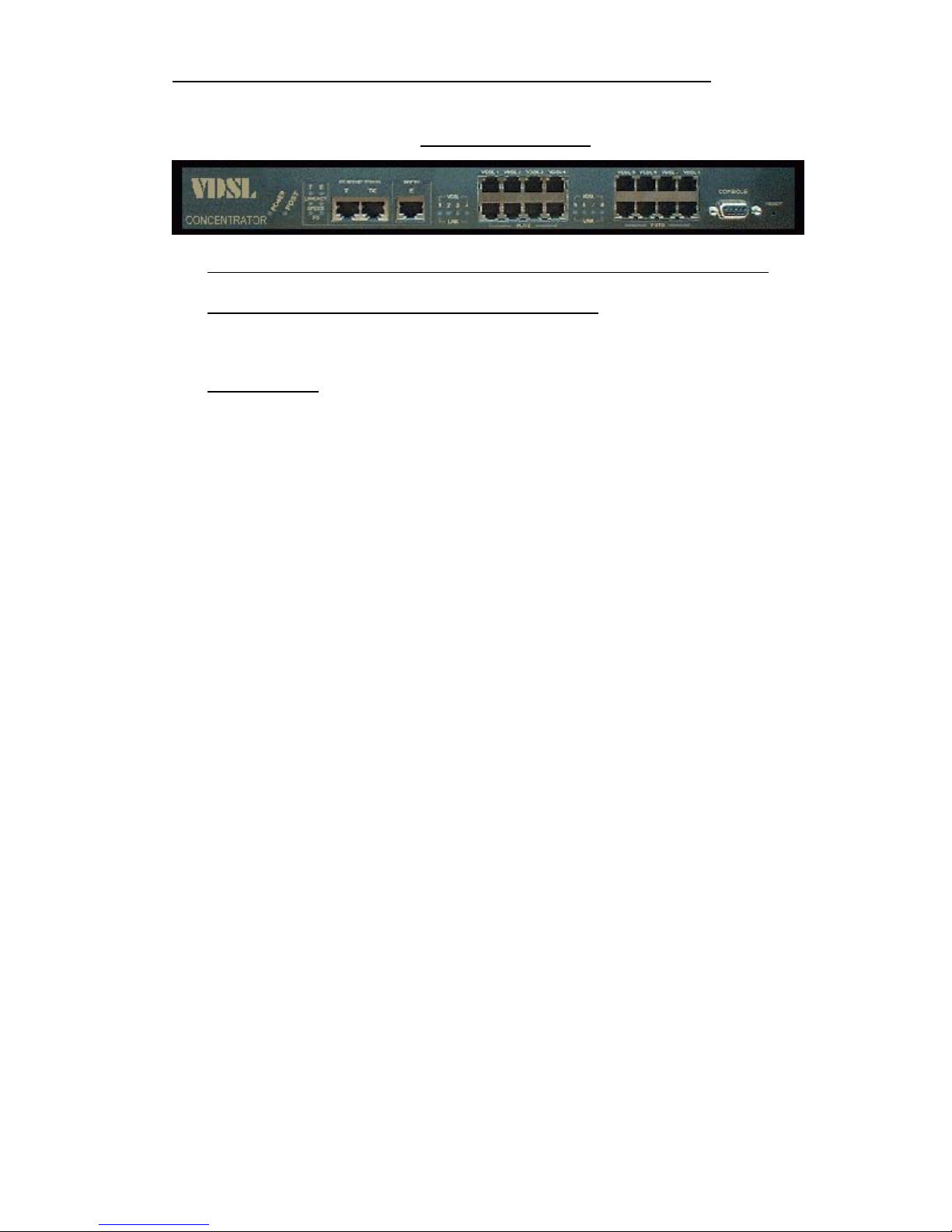
The VDSL solution includes 8 ports IP DSLAM (CO side), and VDSL converter as CPE
device.
The VDSL solution delivers everything needed to quickly deploy an Ethernet-based
network with the performance required to deliver high-speed Internet access at much
greater distances and drive services like IP telephony and audio/video streaming. With
this technology, a broad range of customers can benefit from lower operating costs and
rapid deployment. The VDSL solution provides multicast, Layer 2 quality of service
(COS), Link Aggregation (LACP) dynamic trunking group, security, GVRP, IGMP for
VOD (Video on demand) and SNMP RMON management and Web-based Switch
network management.
The VDSL IP DSLAM is a bridge between external Internet backbone through a router
for IP sharing and the building 110D telephone rack or telephone box. It utilizes the
available telephone wire to enable high-speed Internet access to building residents.
The IP DSLAM uses the phone line networking technology endorsed by the VDSL (Very
High Data Rate DSL), and the IP DSLAM utilizes the already existing telephone wire to
deliver 4/1,5/10/15 Mbps Internet access on each RJ-11 port.
This gives users a low-cost, end-to-end solution and eliminates the need to train
installation teams on multiple systems.