manuals.online logo
Brands
  1. Home
  2. •
  3. Brands
  4. •
  5. Gardeners
  6. •
  7. Lawn And Garden Equipment
  8. •
  9. Gardeners Cedar Keyhole Garden User manual

Gardeners Cedar Keyhole Garden User manual

Other Gardeners Lawn And Garden Equipment manuals
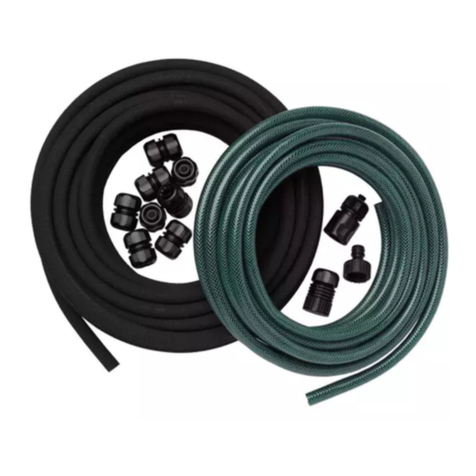
Gardeners Snip-n-Drip User manual

Gardeners

Gardeners Snip-n-Drip User manual
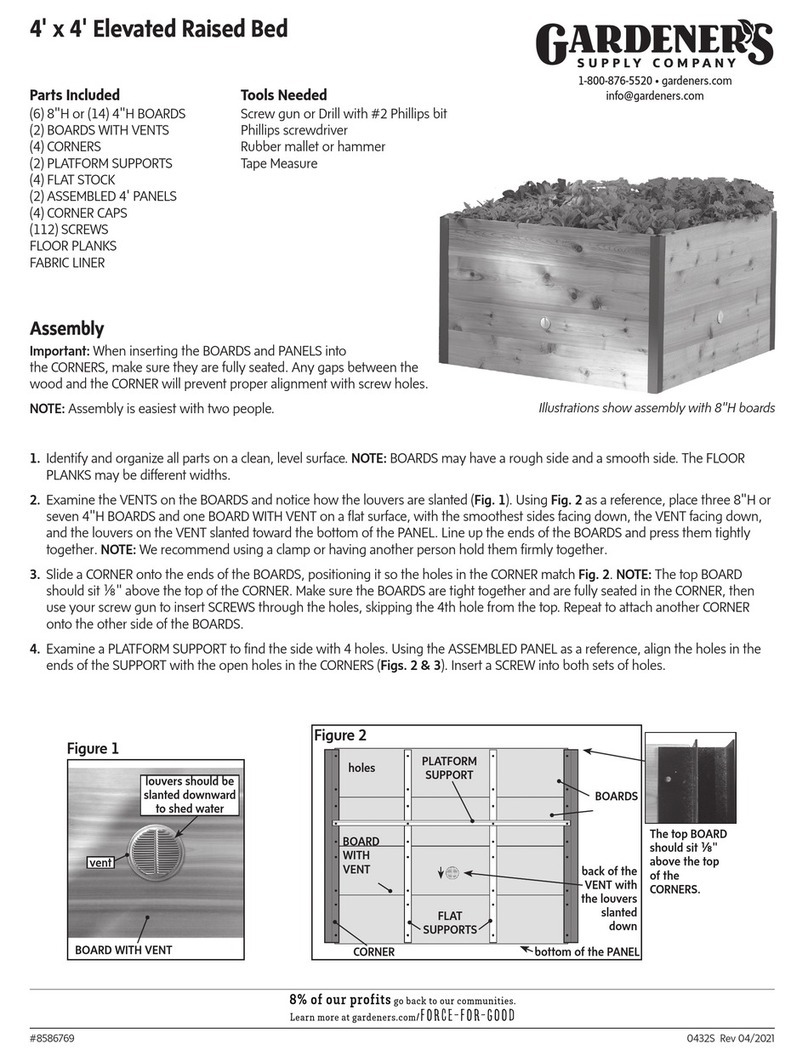
Gardeners 8610923 User manual

Gardeners

Gardeners 8610923 User manual
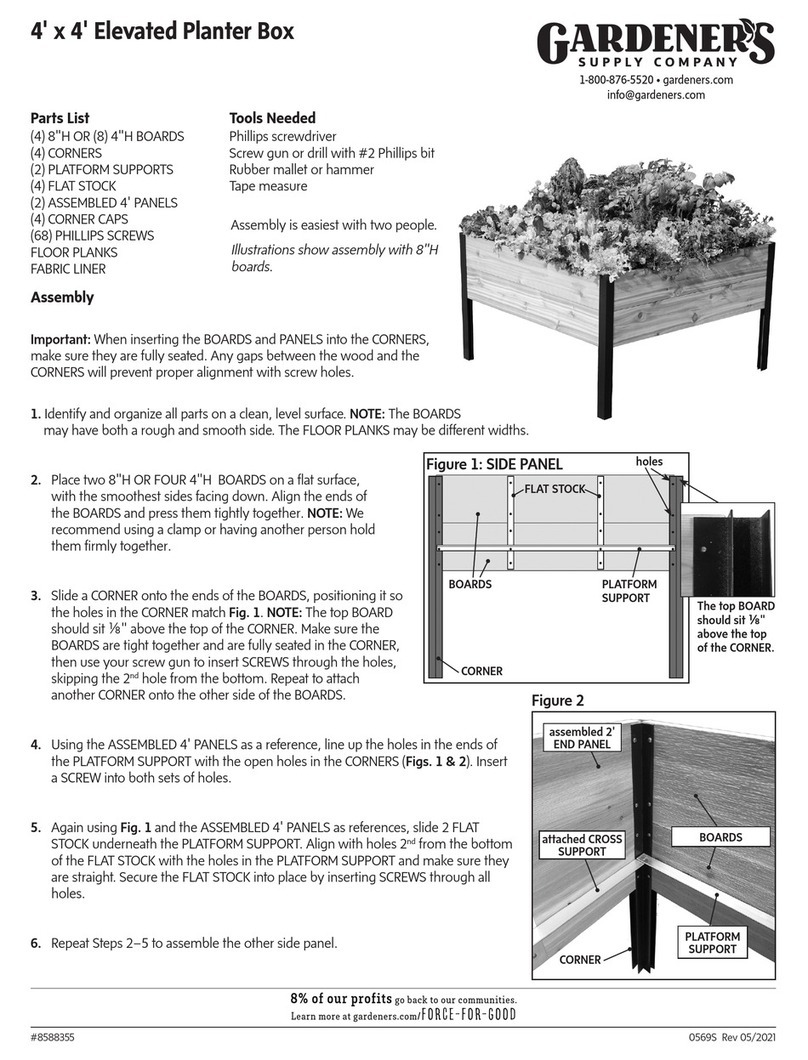
Gardeners 8610909 User manual

Gardeners

Gardeners 8610909 User manual

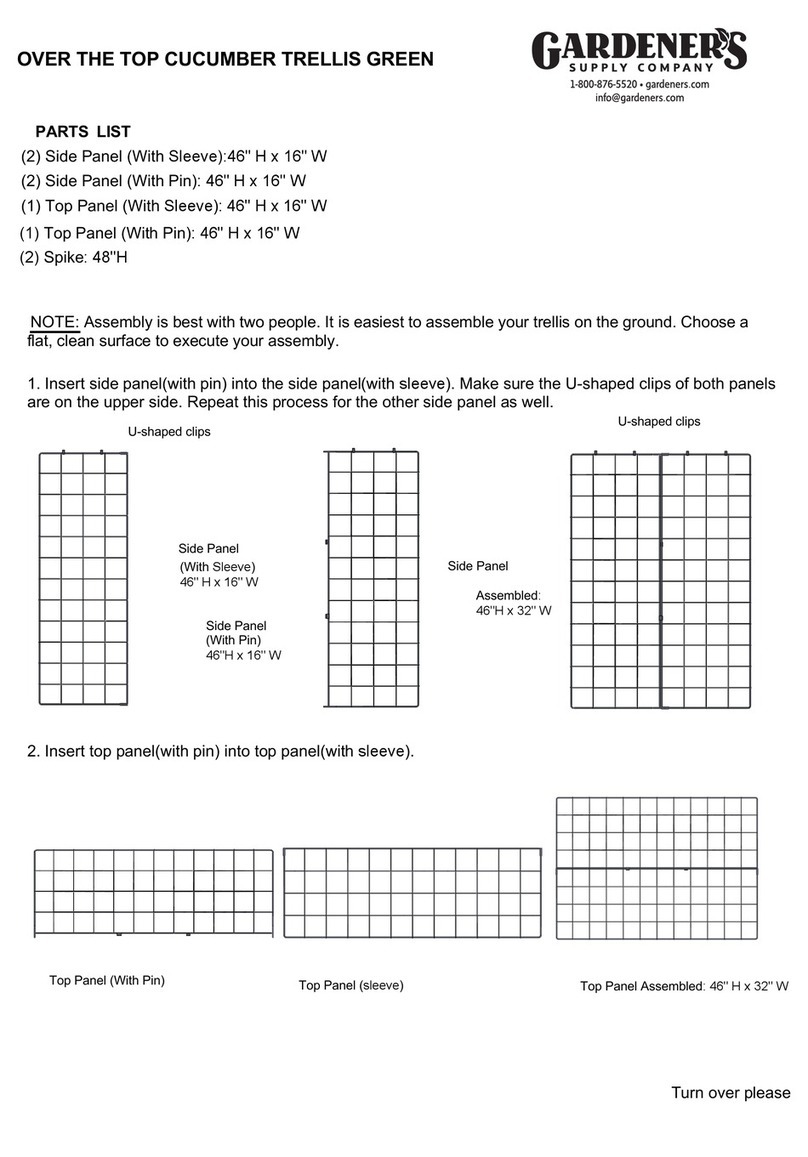
Gardeners Titan A-Frame Trellis User manual
Gardeners

Gardeners Titan A-Frame Trellis User manual

Gardeners 8613058 User manual

Gardeners

Gardeners 8613058 User manual

Gardeners 8600331 User manual

Gardeners

Gardeners 8600331 User manual

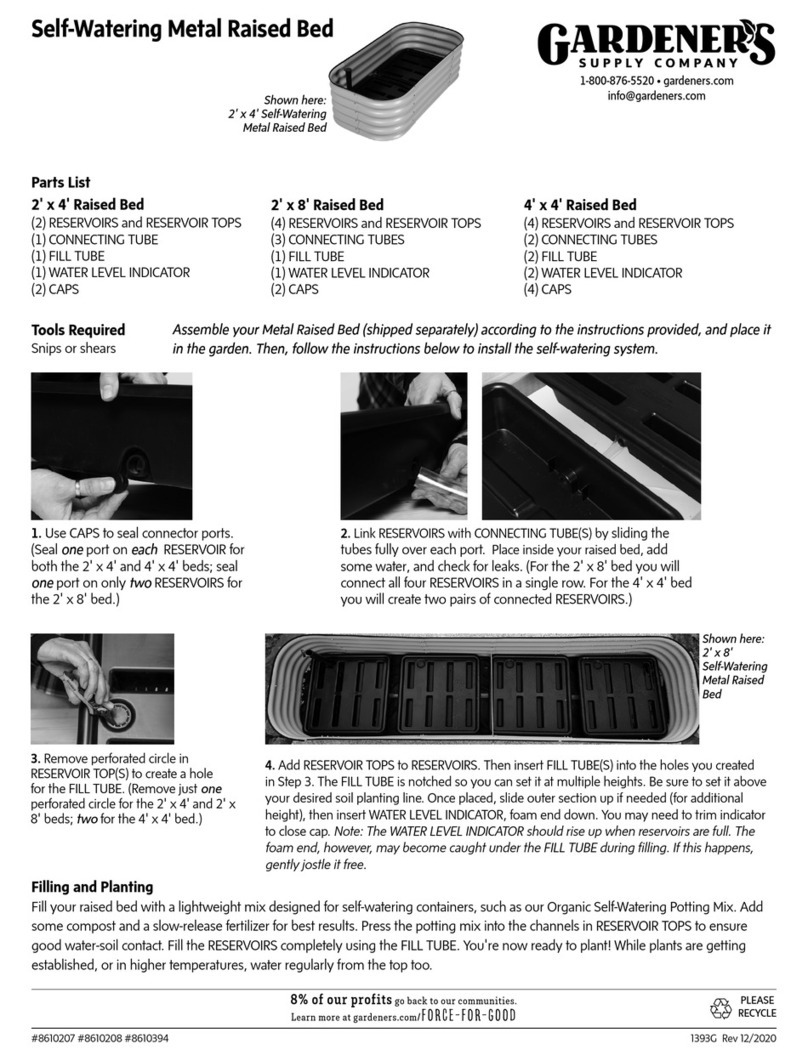
Gardeners Harrod Storm-Proof Crop Cage, Large User manual
Gardeners

Gardeners Harrod Storm-Proof Crop Cage, Large User manual

Gardeners 8610207 User manual

Gardeners

Gardeners 8610207 User manual
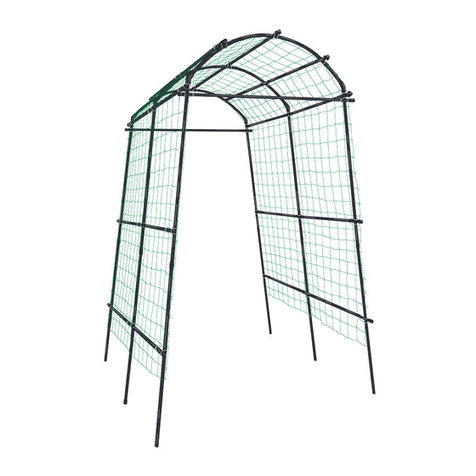
Gardeners Titan Squash Tunnel User manual
Gardeners

Gardeners Titan Squash Tunnel User manual

Gardeners Kylemore 8592686 User manual

Gardeners

Gardeners Kylemore 8592686 User manual

Gardeners Oxford Arch User manual

Gardeners

Gardeners Oxford Arch User manual
Gardeners 34-051 User manual

Gardeners

Gardeners 34-051 User manual

Gardeners Essex Roman Arch User manual
Gardeners

Gardeners Essex Roman Arch User manual

Gardeners 8600272 User manual

Gardeners

Gardeners 8600272 User manual
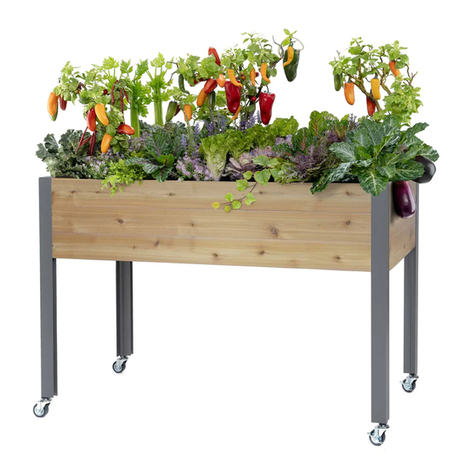
Gardeners 8609686 User manual

Gardeners

Gardeners 8609686 User manual
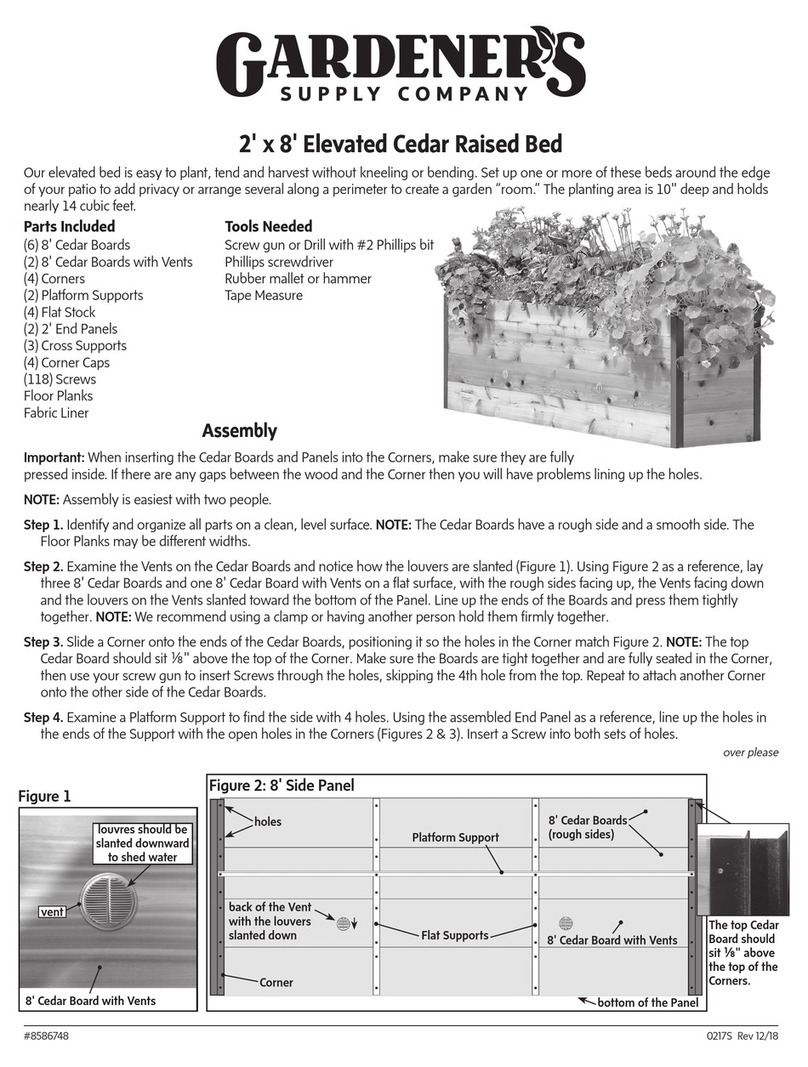
Gardeners Elevated Cedar Raised Bed User manual
Gardeners

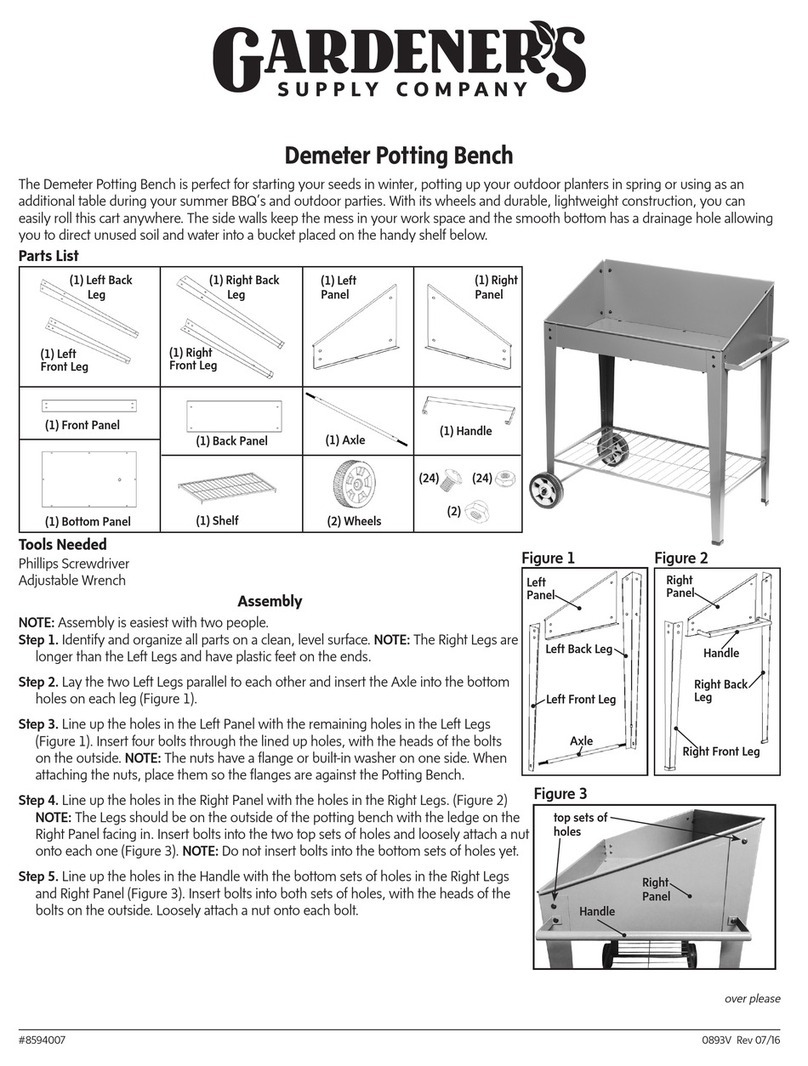
Gardeners Elevated Cedar Raised Bed User manual

Gardeners Demeter Potting Bench User manual
Gardeners

Gardeners Demeter Potting Bench User manual

Gardeners 8600603 User manual

Gardeners

Gardeners 8600603 User manual
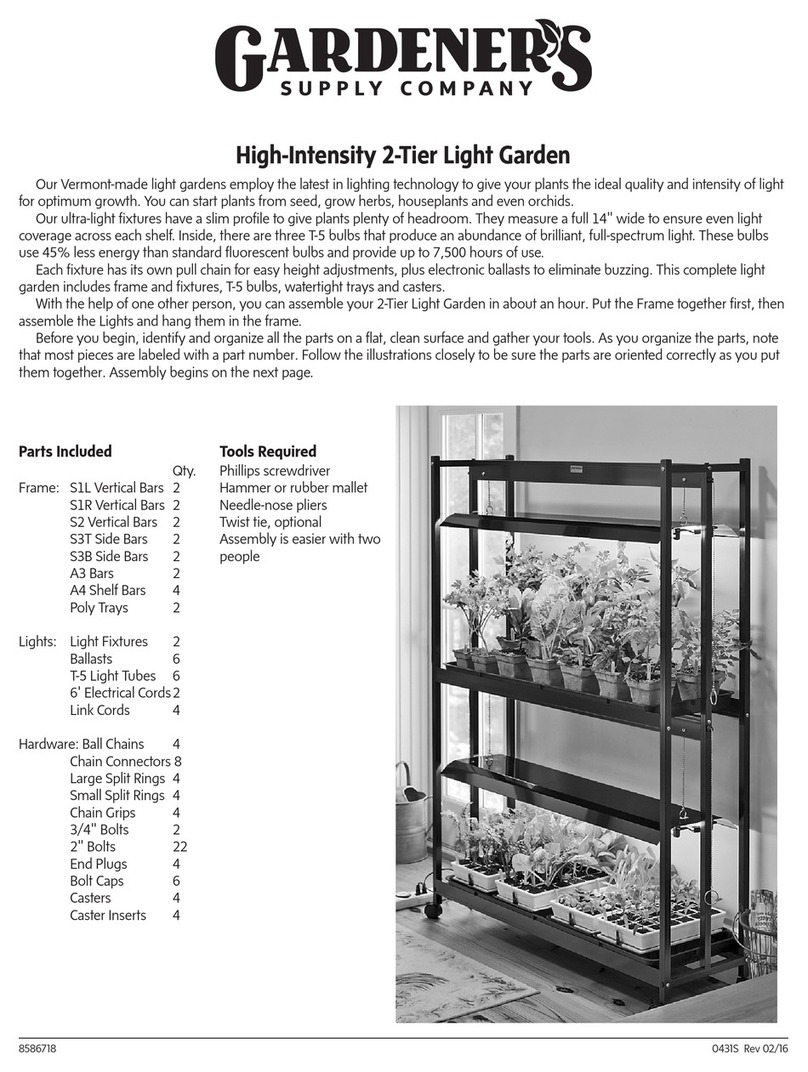
Gardeners 8586718 User manual

Gardeners

Gardeners 8586718 User manual
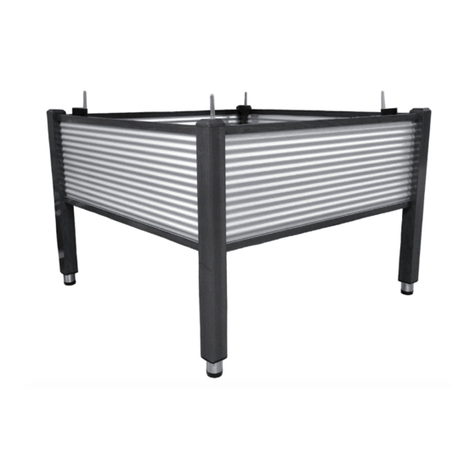
Gardeners Square Galvanized Elevated Raised Bed User manual
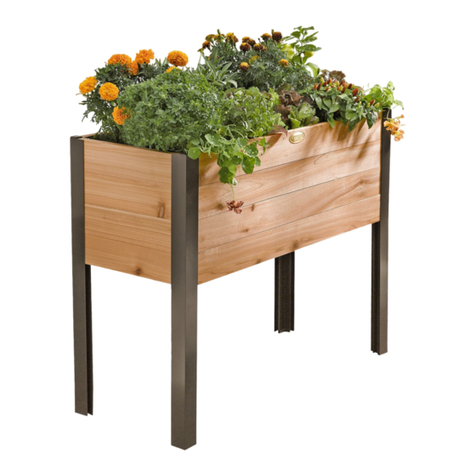
Gardeners

Gardeners Square Galvanized Elevated Raised Bed User manual
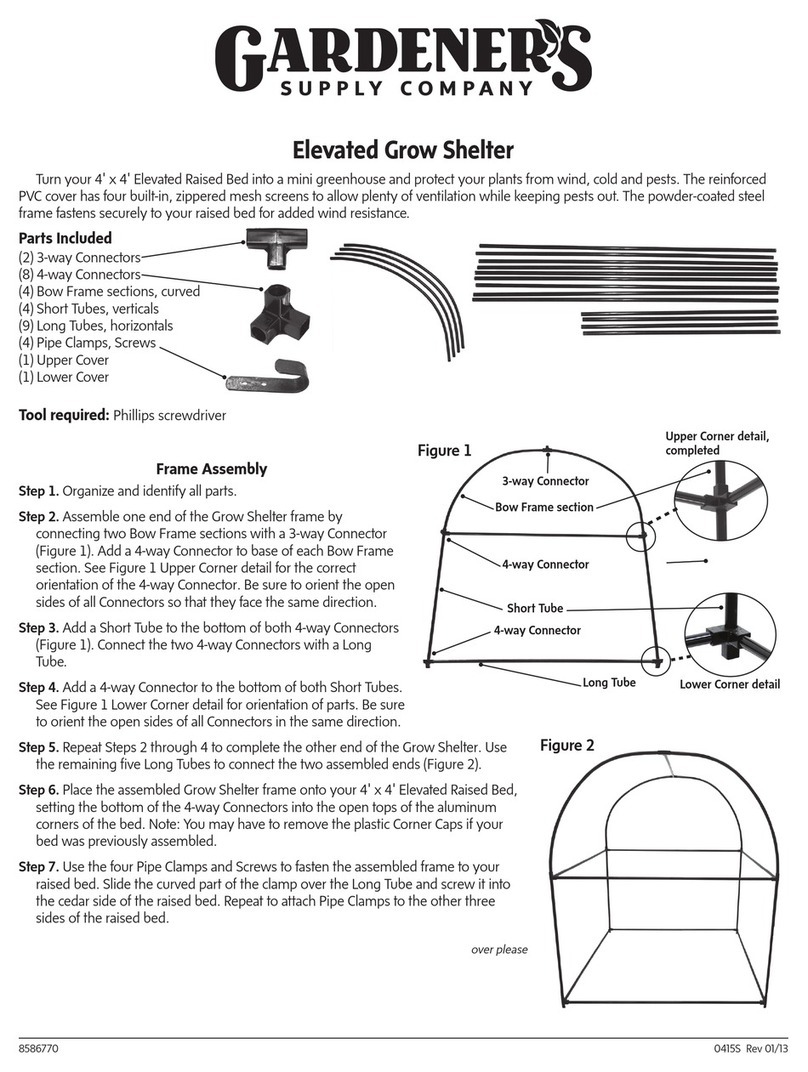
Gardeners 8586751 User manual

Gardeners

Gardeners 8586751 User manual

Gardeners 8586770 User manual

Gardeners

Gardeners 8586770 User manual

Gardeners Randolph User manual

Gardeners

Gardeners Randolph User manual

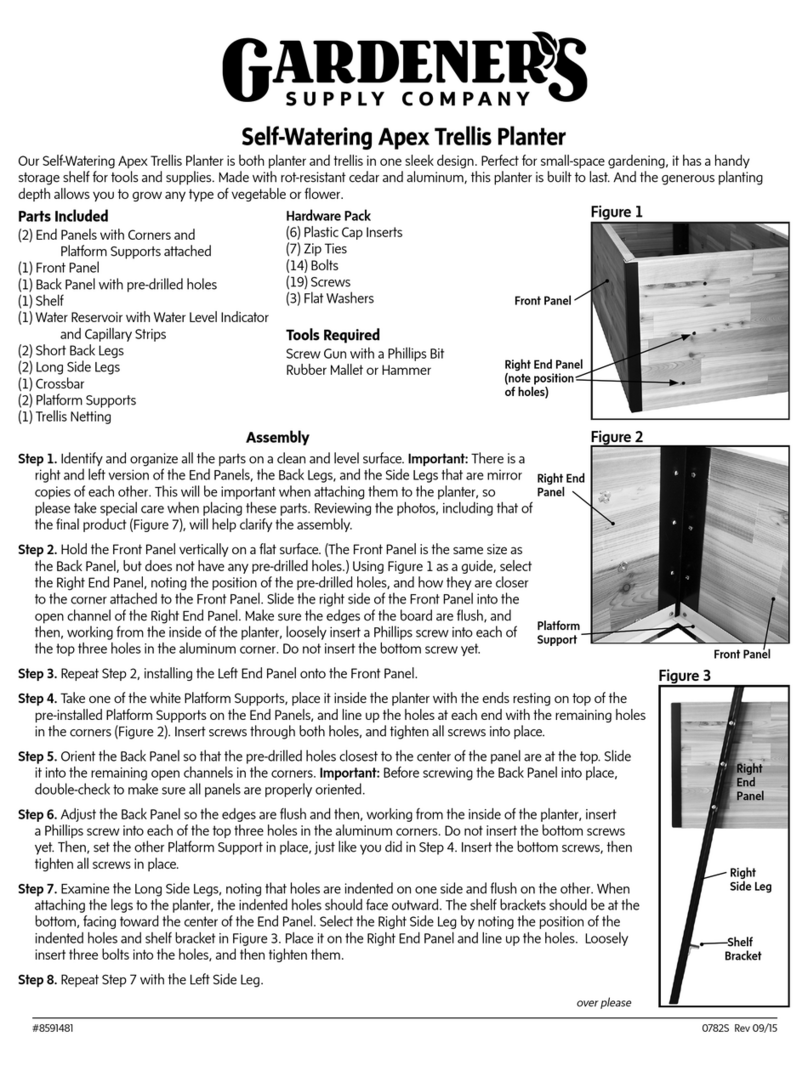
Gardeners Self-Watering Apex Trellis Planter User manual

Gardeners

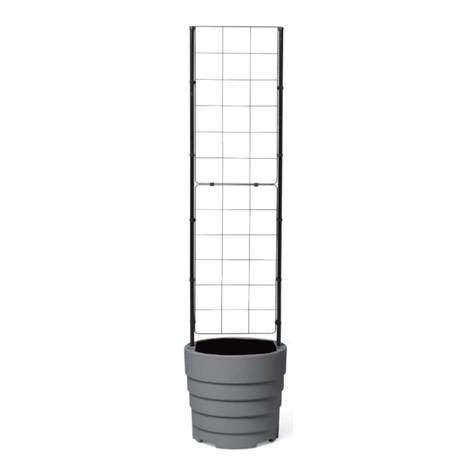
Gardeners Self-Watering Apex Trellis Planter User manual

Popular Lawn And Garden Equipment manuals by other brands
Sunforce SOLAR user manual

Sunforce

Sunforce SOLAR user manual

GARDEN OF EDEN 55627 user manual

GARDEN OF EDEN

GARDEN OF EDEN 55627 user manual
Goizper Group MATABI POLMINOR instruction manual

Goizper Group

Goizper Group MATABI POLMINOR instruction manual

Rain Bird 11000 Series Operation & maintenance manual

Rain Bird

Rain Bird 11000 Series Operation & maintenance manual

Cub Cadet BB 230 brochure

Cub Cadet

Cub Cadet BB 230 brochure

EXTOL PREMIUM 8891590 Translation of the original user manual
EXTOL PREMIUM

EXTOL PREMIUM 8891590 Translation of the original user manual

Snapper 690179 installation instructions

Snapper

Snapper 690179 installation instructions

Exmark SAR481KA30 Operator's manual

Exmark

Exmark SAR481KA30 Operator's manual

Yazoo/Kees Z12 Operator's manual

Yazoo/Kees

Yazoo/Kees Z12 Operator's manual

Makita EM408MP Original instruction manual

Makita

Makita EM408MP Original instruction manual

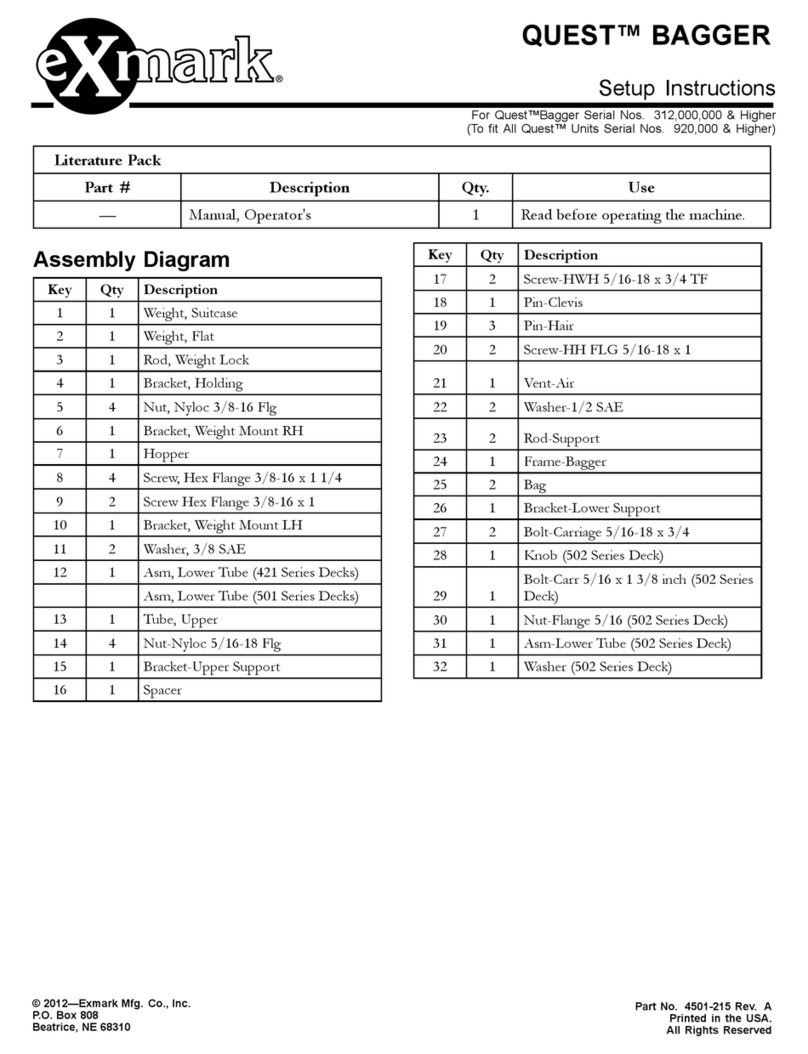
Exmark Quest Bagger Setup instructions

Exmark

Exmark Quest Bagger Setup instructions

Manitou Systems AS960 Operator's manual

Manitou Systems

Manitou Systems AS960 Operator's manual

Vertex 1/3 HP Maintenance instructions
Vertex

Vertex 1/3 HP Maintenance instructions

GHE AeroFlo 80 manual

GHE

GHE AeroFlo 80 manual

Land Pride Post Hole Diggers HD25 Operator's manual

Land Pride

Land Pride Post Hole Diggers HD25 Operator's manual

Yazoo/Kees Z9 Commercial Collection System Z9A Operator's & parts manual

Yazoo/Kees

Yazoo/Kees Z9 Commercial Collection System Z9A Operator's & parts manual

Premier designs WindGarden 26829 Assembly instructions
Premier designs

Premier designs WindGarden 26829 Assembly instructions

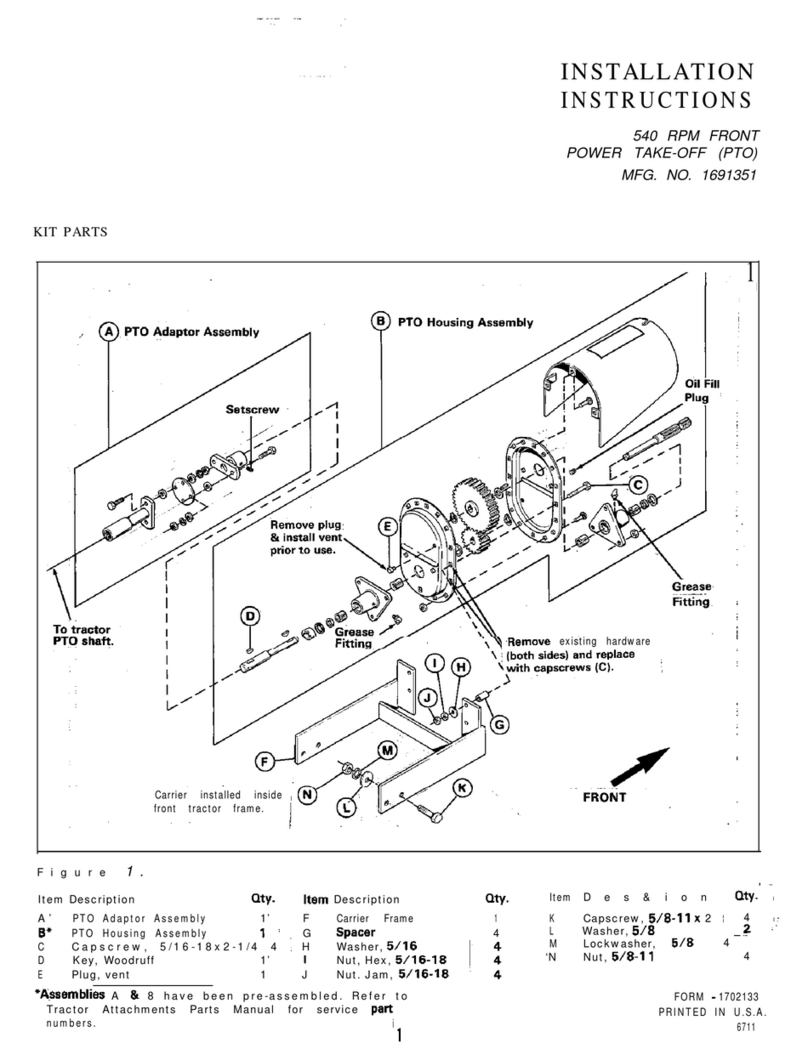
Snapper 1691351 installation instructions

Snapper

Snapper 1691351 installation instructions

manuals.online logo
manuals.online logoBrands
  • About & Mission
  • Contact us
  • Privacy Policy
  • Terms and Conditions

Copyright 2025 Manuals.Online. All Rights Reserved.

S Rev /#
Cedar Keyhole Garden
A Keyhole Garden has many advantages over a traditional raised bed: less watering, higher yields in less space, and it turns food
waste into nutrients and moisture for your garden. Our premium Keyhole Garden is made with rot-resistant cedar, sturdy aluminum
corners that will never rust, and a high-density polyethylene composter that is the secret to the garden's success.
Parts List Tools required
() ' Wood Boards Rubber mallet
() " Wood Boards Tape measure
() ” Wood Boards Phillips screwdriver
() Flat Supports Screwgun or Drill with # Phillips bit
() Outside Corners
() Inside Corners
() Screws
() Corner Caps
() Composter
() Stakes
Assembling the Side Panels
NOTE: Assembly is easiest with two people. Assemble the Cedar
Keyhole Garden where you intend to keep it.
Step 1. Identify and organize all parts on a clean, level surface. NOTE: You can
tell the difference between the Outside and Inside Corners by examining the
placement of the holes (Figures ). There are no predrilled holes in the Wood Panels.
Step 2. Assemble the ” Panel by laying the two ” Wood Boards on a flat surface and
pressing them tightly together as shown in Figure . Slide the Inside Corners onto both ends
of the Boards. NOTE: The top Wood Board should sit ⅛" above the top of the Corners. Make
sure both Boards are fully seated in the Corners, and then insert Screws through the holes in
the Corners to attach them.
Step 3. Assemble a ” Panel by laying two ” Wood Boards on a flat surface and pressing
them tightly together (Figure ). Slide an Outside Corner onto the left side of the Boards.
NOTE: The top Wood Board should sit ⅛" above the top of the Corner. Make sure both
Boards are fully seated in the Corner, and then insert Screws through the holes in the Corner
to attach them. Important: Do not attach a Corner to the other end of the Wood Boards.
Step 4. Repeat Step  to make another ” Panel, but attach the Corner to the right side of the Boards (Figure ). NOTE: You will have
four " Wood Boards that will be used later in assembly.
holes
Inside Corner Outside Corner
Figure 1
Inside Corners
24" Wood Boards
holes
The top of the
Wood Panel
should sit ⅛"
above the top
of the Corner.
Figure 2: 24" Panel
Figure 3: 22" Panels
The top of the
Wood Panel
should sit ⅛"
above the top
of the Corner.
Outside Corner attached
to left side of Boards
22" Wood Boards
Outside Corner attached
to right side of Boards
holes
Step 5. Assemble a ’ Long Side Panel
by laying two ’ Wood Boards on a
flat surface and pressing them tightly
together (Figure ). Slide Outside Corners
onto both ends of the Boards and
position them so the top Wood Panel sits
⅛" above the top of the Corners. Make
sure both Boards are fully seated in the
Corners, and then insert Screws through
the holes to attach them.
Step 6. Use a Tape Measure to mark ’ in on the ’ Wood Boards from Step . Place a Flat Support at the marked spot, positioning it
so the holes match Figure . Make sure the Support is straight and insert Screws through the holes.
Step 7. Repeat Steps  and  twice to make two more ’ Side Panels, but only attach one Corner to each of them, one on the right
side of the Boards and one on the left side of the Boards. NOTE: This is just like when making the " Panels in Steps  and 
(Figure ).
Assembling the Keyhole Garden
NOTE: Use Figure  for help when assembling the Keyhole Garden.
Step 8. Slide the wooden end of a ’ Panel with  Corner into the
open channel of a Corner on the ’ Panel with  Corners (Figure
). NOTE: If the Corner was attached to the right side of the
Wood Boards in Step , the Panel should be attached to the
Corner on the right side of the ' Panel with  Corners, and vice
versa. Use a rubber mallet to tap the Panel into place, making
sure it is fully inserted into the Corner and that the top is flush
with the top of the other ' Panel. Important: The open channel
on the  Corner should be facing inward. Use your screwgun to
insert Screws into the holes in the Corner. Repeat to attach the
remaining ’ Panel with  Corner to the other side of the ' Panel
with  Corners.
Step 9. Slide the wooden end of a " Panel into an open Corner
on a ’ Panel with  Corner (Figure ). NOTE: If the Corner was
attached to the right side of the " Wood Boards in Step ,
attach the Panel to the ' Side Panel on the right side of the
Keyhole Garden. Make sure the " Panel is fully inserted into
the Corner and that the top is flush with the top of the ' Panel.
Important: The open channel on the " Panel's Corner should
be facing inward. Use your screwgun to insert Screws into the
holes in the Corner. Repeat to attach the other " Panel to the
other ’ Panel with  Corner.
Figure 4: 6' Side Panels
6' Wood Boards
Flat Support
Outside Corner
holes
Outside
Corners
The open channels on the Corners
should be facing inward.
6' Panel with 2 Corners
6' Panel with Corner
attached to left side
6' Panel with Corner
attached to right side
Figure 6
Screws
22" Panel with Corner
attached to right side
6' Panel with
Corner attached
to right side
Outside Corners
Screws
Figure 7
Composter
6' Panel with 2 Corners
(Figure 6)
6' Panel with
Corner attached
to right side
(Figure 6)
6' Panel with
Corner attached
to left side
(Figure 6)
22" Panel with
Corner attached
to right side
(Figure 7)
22" Panel with
Corner attached
to left side 22" Wood Boards
(Figure 8)
24" Wood Panel
(Figure 9)
Inside CornerInside Corner
Outside Corner Outside Corner
Outside CornersOutside Corners
Figure 5: Assembled Keyhole Garden, overhead view
Step 10. Slide two " Wood Boards into the open Corner on a " Panel (Figure ). Make sure the boards are fully inserted into the
corner and are flush with the top of the " Panel. Attached them by inserting Screws into the holes in the Corner. Repeat to attach
the remaining " Wood Boards to the other " Panel.
Step 11. Fit the Inside Corners on the ” Panel over the ends of the " Wood Boards (Figure ). Make sure the Boards are fully
inserted into the Corners and are flush with the top of the " Panel. Insert Screws into the holes on each Corner. NOTE: The holes
are on the inside of the raised bed (Figure ).
Step 12. Overlap the edges of the Composter to form a circle and tighten until it is approximately "
in diameter, as shown in Figure . NOTE: The Composter will be taller than the Wood Panels. If
you want to lower it, we recommend digging down a couple of inches where the Composter will
sit. Line up the long holes in each end of the Composter with the same set of long holes in the
middle of it (Figure ). Place the lined up holes against the middle of the " Panel. Use a screw
gun to place Screws through a set of lined up long holes near the top and the bottom of the
Composter to attach it to the Panel.
Step 13. Use a rubber mallet to pound the  Stakes into the
ground around the inside perimeter of the Composter. NOTE:
This helps the Composter keep its shape when filling the raised
bed.
Step 14. Use the rubber mallet to place a Corner Cap into the top
of each corner. Your assembly is complete!
over please
Figure 9
22" Wood
Boards
Screws
24" Panel
Inside
Corners
Outside Corners
Figure 8
22" Wood
Boards
Screws
22" Panel
Outside
Corners
Line up the long holes in each of
the ends with the same set of
long holes in the middle of the
Composter.
Figure 11
Composter
long holes
Figure 10
Phone Orders: 1-800-427-3363 • Customer Service: 1-800-876-5520
e-mail: info@gardeners.com • Web: www.gardeners.com
Preparing the Keyhole Garden
When filling your Keyhole Garden, we recommend you use this layering technique for the best results.
Step 1. Start by covering the bottom with a layer of cardboard
(Figure ).
Step 2. Place a -" layer of brown materials over the
cardboard. Brown materials include twigs, small logs,
cardboard, shredded paper, newspaper, brown leaves, pine
needles, coconut coir and sawdust. Add water until the layer
is thoroughly wet.
Step 3. Place a -" layer of green materials on top of the
layer of brown materials. Green materials include grass
clippings, green leaves, eggshells, tea bags, coffee grounds,
vegetable and fruit scraps and plant trimmings. Add water
until the layer is thoroughly wet.
Step 4. Continue alternating between brown and green layers
until the Keyhole Garden is ¾ full (Figure ). Finish filling
the bed with -" of a mix of soil and compost. NOTE:
Slope the mix so it is highest around the Composter and lower towards the edges. This encourages nutrients to flow from the
Composter into the raised bed. Add water until the soil is thoroughly wet.
Important: Wait - days before adding your plants to the Keyhole Garden. This gives the layers time to settle and compress, and
you may need to add more soil and compost to fill in the top of the bed. NOTE: Due to the nature of the layers, you should expect
the soil to settle over time.
Composter and Watering Instructions
Place stones or broken pottery into the bottom of the Composter. NOTE: This helps with drainage and encourages nutrients to
flow into the raised bed. We recommend giving your compost a headstart by adding layers of the above materials to the Composter
until it is half full.
Continue adding kitchen scraps to the Composter. For the best results, we recommend you add an equal amount of brown
ingredients to match the amount of kitchen scraps. Important: Do NOT add meats, pet waste, fats, bones, fish, dairy products, trash
or plastic to the Composter. These do not break down easily and can attract unwanted pests to your compost.
Water your plants directly from the top for the first couple of weeks. Once they are well established, you should directly water
them less and start watering into the Composter. This allows the water to carry the compost's nutrients directly to your plants' roots.
cardboard
brown layer
green layer
brown layer
green layer
soil and
compost
Composter
Soil slopes up around
the composter
Figure 12