logo
Brands
  1. Home
  2. •
  3. Brands
  4. •
  5. GREAT PLAINS
  6. •
  7. Farm Equipment
  8. •
  9. GREAT PLAINS NP2540 User manual

GREAT PLAINS NP2540 User manual

Other GREAT PLAINS Farm Equipment manuals

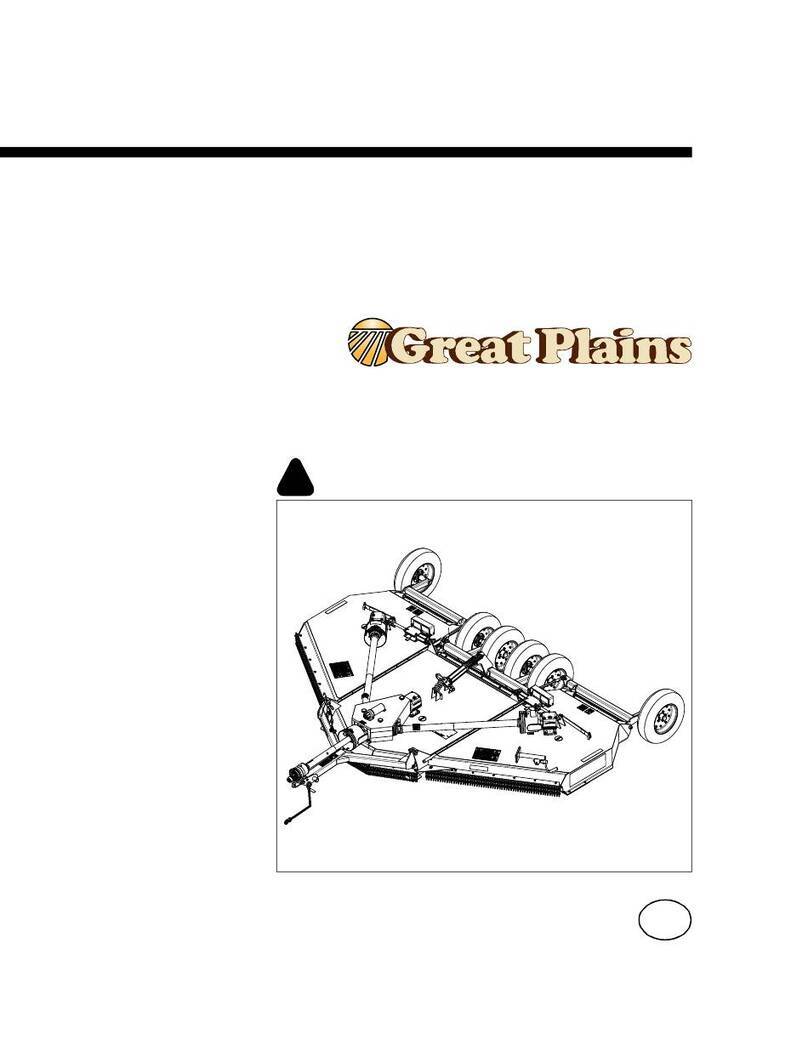
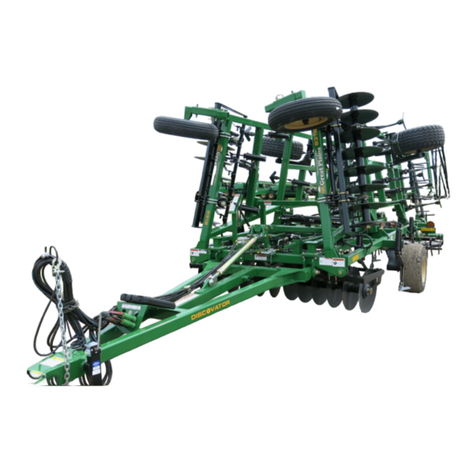
GREAT PLAINS VT1520-0370 User manual

GREAT PLAINS

GREAT PLAINS VT1520-0370 User manual

GREAT PLAINS 6000 Series User manual

GREAT PLAINS

GREAT PLAINS 6000 Series User manual

GREAT PLAINS 3S-4000 User manual

GREAT PLAINS

GREAT PLAINS 3S-4000 User manual

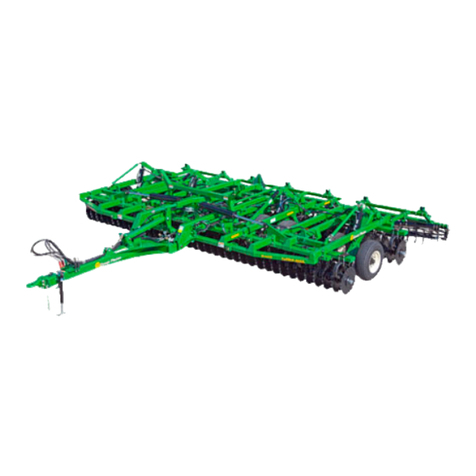
GREAT PLAINS Terra Max HT1110-6.0M User manual

GREAT PLAINS

GREAT PLAINS Terra Max HT1110-6.0M User manual

GREAT PLAINS 706NT User manual

GREAT PLAINS

GREAT PLAINS 706NT User manual

GREAT PLAINS BD7600 User manual

GREAT PLAINS

GREAT PLAINS BD7600 User manual

GREAT PLAINS 6321UC Guide

GREAT PLAINS

GREAT PLAINS 6321UC Guide

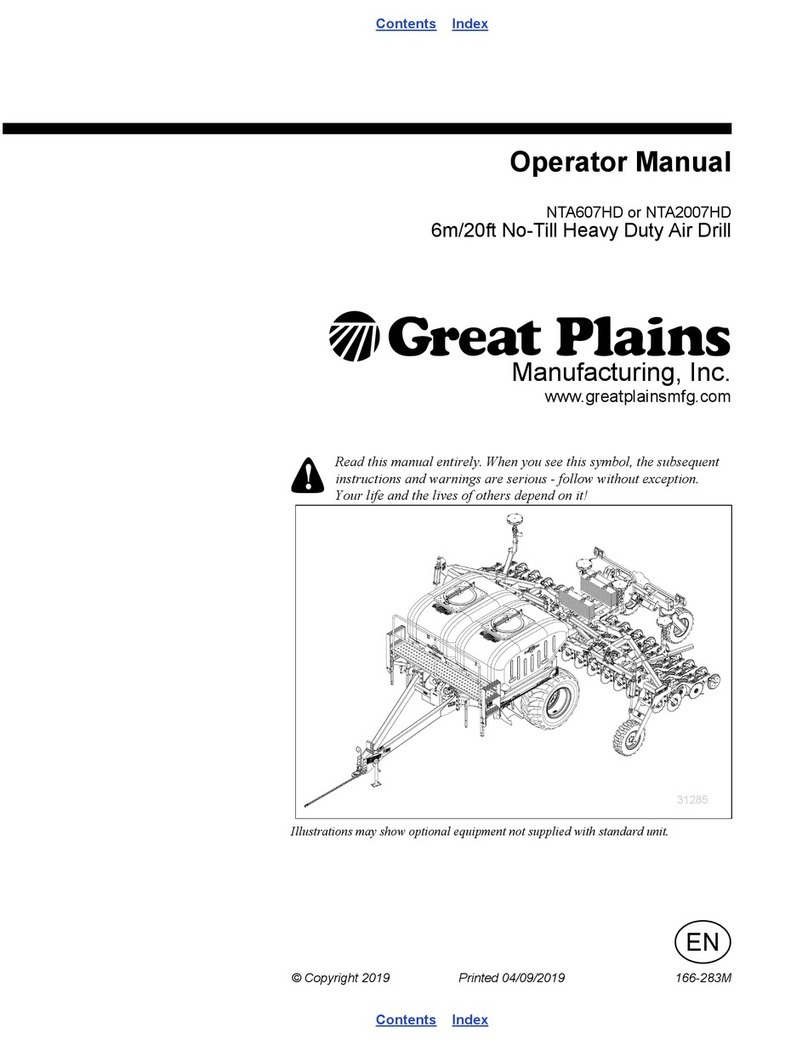
GREAT PLAINS NTA607HD User manual

GREAT PLAINS

GREAT PLAINS NTA607HD User manual

GREAT PLAINS Yield-Pro PL5800 User manual

GREAT PLAINS

GREAT PLAINS Yield-Pro PL5800 User manual

GREAT PLAINS PL5500 User manual

GREAT PLAINS

GREAT PLAINS PL5500 User manual

GREAT PLAINS Turbo Max C2411H Plus User manual

GREAT PLAINS

GREAT PLAINS Turbo Max C2411H Plus User manual

GREAT PLAINS Turbo Max 1200TM User manual

GREAT PLAINS

GREAT PLAINS Turbo Max 1200TM User manual

GREAT PLAINS 605NT User manual

GREAT PLAINS

GREAT PLAINS 605NT User manual

GREAT PLAINS Yield-Pro 3PYP User manual

GREAT PLAINS

GREAT PLAINS Yield-Pro 3PYP User manual

GREAT PLAINS Terra Max HT1100-20 User manual

GREAT PLAINS

GREAT PLAINS Terra Max HT1100-20 User manual

GREAT PLAINS VT1500 Series User manual

GREAT PLAINS

GREAT PLAINS VT1500 Series User manual

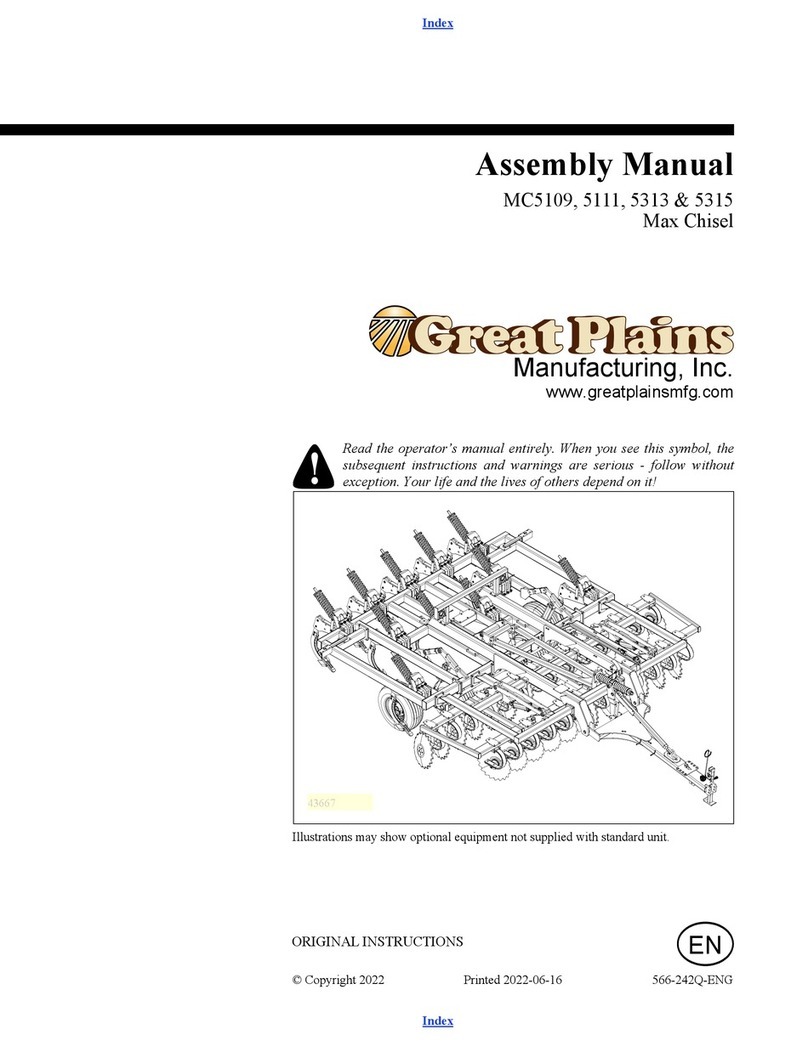
GREAT PLAINS MC5109 Max-Chisel User manual

GREAT PLAINS

GREAT PLAINS MC5109 Max-Chisel User manual

GREAT PLAINS BD7600 User manual

GREAT PLAINS

GREAT PLAINS BD7600 User manual

GREAT PLAINS Yield-Pro YP4025A-48TR20 User manual

GREAT PLAINS

GREAT PLAINS Yield-Pro YP4025A-48TR20 User manual

GREAT PLAINS 1205NT Guide

GREAT PLAINS

GREAT PLAINS 1205NT Guide

GREAT PLAINS Terra Max HT1100-20 User guide

GREAT PLAINS

GREAT PLAINS Terra Max HT1100-20 User guide

GREAT PLAINS Yield-Pro 3P3025AH User manual

GREAT PLAINS

GREAT PLAINS Yield-Pro 3P3025AH User manual

GREAT PLAINS BD7600 User manual

GREAT PLAINS

GREAT PLAINS BD7600 User manual

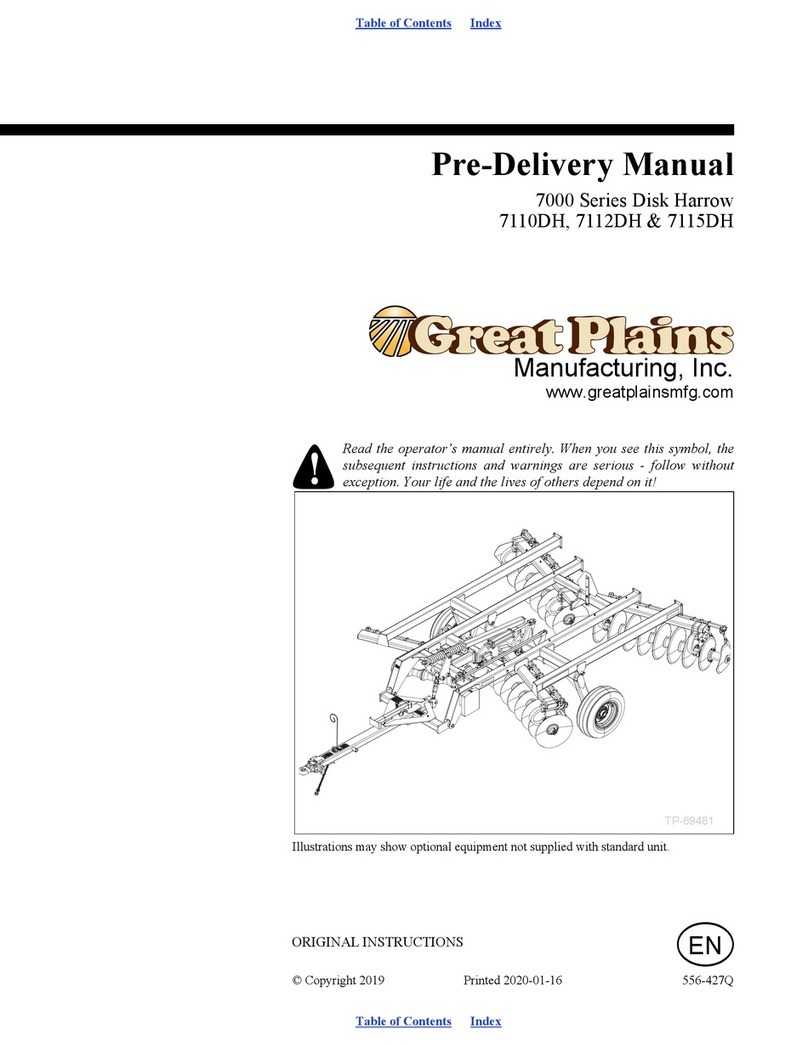
GREAT PLAINS 7000 Series User manual

GREAT PLAINS

GREAT PLAINS 7000 Series User manual

Popular Farm Equipment manuals by other brands

GSi PNEG-2314 installation manual

GSi

GSi PNEG-2314 installation manual

Checchi & Magli TEXDRIVE owner's manual

Checchi & Magli

Checchi & Magli TEXDRIVE owner's manual

Amazone Cenius 4003-2TX operating manual

Amazone

Amazone Cenius 4003-2TX operating manual

MASSEY FERGUSON MF 9313S Operator's manual

MASSEY FERGUSON

MASSEY FERGUSON MF 9313S Operator's manual

Cima BLITZ Maintenance Instruction

Cima

Cima BLITZ Maintenance Instruction

Amazone CombiDisc 3000 Original operating manual

Amazone

Amazone CombiDisc 3000 Original operating manual

HE-VA Disc-Roller XL Contour Operating instructions/spare parts list

HE-VA

HE-VA Disc-Roller XL Contour Operating instructions/spare parts list

AGT AGT-SSFM product manual

AGT

AGT AGT-SSFM product manual

Milestone 72-84 manual

Milestone

Milestone 72-84 manual

KUHN Hector 3000 Complementary instructions

KUHN

KUHN Hector 3000 Complementary instructions

Krone X-Disc 6200 operating instructions

Krone

Krone X-Disc 6200 operating instructions

Eliet DZC450 manual

Eliet

Eliet DZC450 manual

Taarup BIO+ B4000 Operator's manual

Taarup

Taarup BIO+ B4000 Operator's manual

Garland SHAKER 310 DPG instruction manual

Garland

Garland SHAKER 310 DPG instruction manual

stable comfort StableWall System installation guide

stable comfort

stable comfort StableWall System installation guide

Raven AccuBoom installation manual

Raven

Raven AccuBoom installation manual

International 710 Operator's manual

International

International 710 Operator's manual

Ashland HDW-3217-14 parts manual

Ashland

Ashland HDW-3217-14 parts manual

https://manuals.online logo
https://manuals.online logoBrands
  • About & Mission
  • Contact us
  • Privacy Policy
  • Terms and Conditions

Copyright 2025 Manuals.Online. All Rights Reserved.

Manufacturing, Inc.
www.greatplainsmfg.com
© Copyright 2019 Printed 2019-04-12 417-459M
EN
Table of Contents Index
ORIGINAL INSTRUCTIONS
Operator Manual
NP2540
Nutri-Pro®40-Foot Fertilizer Applicator
Read the operator manual entirely. When you see this symbol, the
subsequent instructions and warnings are serious - follow without
exception. Your life and the lives of others depend on it!
Illustrations may show optional equipment not supplied with standard unit, or
may show models where the topic function is identical.
34950
Machine Identification
Record your machine details in the log below. If you replace this manual, be sure to transfer this information
to the new manual.
If you or the dealer have added options not originally ordered with the machine, or removed options that were
originally ordered, the weights and measurements are no longer accurate for your machine. Update the
record by adding the machine weight and measurements with the option(s) weight and measurements.
Dealer Contact Information
Model Number
Serial Number
Machine Height
Machine Length
Machine Width
Machine Weight
Year of Construction
Delivery Date
First Operation
Accessories
Name:
Street:
City/State:
Telephone:
Email:
Dealer’s Customer
No.:
WARNING: Cancer and Reproductive Harm - www.P65Warnings.ca.gov
NP2540 Cover Index Table of Contents iii
2019-04-12 Cover Index 417-459M
© Copyright 2010, 2011, 2012, 2013, 2014, 2015, 2016, 2017, 2018, 2019 All rights Reserved
Great Plains Manufacturing, Inc. provides this publication “as is” without warranty of any kind, either expressed or implied. While every precaution has been
taken in the preparation of this manual, Great Plains Manufacturing, Inc. assumes no responsibility for errors or omissions. Neither is any liability assumed
for damages resulting from the use of the information contained herein. Great Plains Manufacturing, Inc. reserves the right to revise and improve its products
as it sees fit. This publication describes the state of this product at the time of its publication, and may not reflect the product in the future.
Trademarks of Great Plains Manufacturing, Inc. include: AccuShot, Max-Chisel, Row-Pro,
Singulator Plus, Short Disk, Swath Command, Terra-Tine, Ultra-Chisel, and X-Press.
Registered Trademarks of Great Plains Manufacturing, Inc. include: Air-Pro, Clear-Shot, Discovator, Great Plains, Land Pride, MeterCone,
Nutri-Pro, Seed-Lok, Solid Stand, Terra-Guard, Turbo-Chisel, Turbo-Chopper, Turbo-Max, Turbo-Till, Ultra-Till, Whirlfilter, and Yield-Pro.
Brand and Product Names that appear and are owned by others are trademarks of their respective owners.
Printed in the United States of America
Table of Contents
Important Safety Information.................................................1
Anhydrous Ammonia Safety ..............................................1
Safety Decals ....................................................................9
Introduction...........................................................................21
Description of Unit ...........................................................21
Intended Usage ........................................................21
Models Covered 2015+ ...................................................21
Document Family .....................................................21
Using This Manual...........................................................22
Owner Assistance............................................................23
Further Assistance...........................................................23
Metering Overview................................................................24
Anhydrous Flow Diagram ................................................24
Systems Overview...........................................................25
Trailing Nurse Tank Components....................................31
Nutri-Pro®Rear Hitch (Option) ........................................31
Hitch (Option) and Nurse Tank Components
(User-Provisioned) ...................................................32
Preparation and Setup .........................................................33
Initial Setup......................................................................33
Post-Delivery/Seasonal Setup.........................................33
NP2540AA: Get Expert Advice........................................34
Pre-Application Setup......................................................34
Hitching Tractor to Applicator ..........................................34
2-Point Hitching ........................................................35
NP2540AA: Emergency Shut-Off Rope ...................36
Electrical Hookup .....................................................38
Hydraulic Hose Hookup............................................39
Raise Parking Stands...............................................40
Leveling Applicator ..........................................................41
Meter / Variable Rate Setup (Option) ..............................42
Wash Water.....................................................................44
Sealer Setup....................................................................44
Operating Instructions .........................................................45
Pre-Start Checklist...........................................................45
Fold/Lift Circuit.................................................................46
FOLD / FIELD Switch ......................................................46
Applicator Locks ..............................................................47
Raising/Lowering Applicator ............................................48
Unfolding and Folding......................................................53
Transport .........................................................................56
Transport Steps........................................................57
Final Applicator Setup .....................................................58
NH3 Operations...............................................................58
NH3 Nurse Tanks.....................................................58
NH3: Safing Applicator Before Cart Hitch ................59
NH3: Check Hydrostatic Relief Valves.....................59
NH3: Close Bleed Valves.........................................60
NH3: Check Hose Discharged .................................60
NH3: Hitching Nurse Tank .......................................61
NH3: Making Nurse Tank Connections....................62
NH3: Dry Run...........................................................63
NH3: Pass Planning .................................................64
NH3: Monitor Operation ...........................................65
NH3: Field Application..............................................65
NH3: Breakaway Event ............................................69
NH3: Unhitching Nurse Tank ...................................71
Liquid Operations ............................................................72
Liquid: Filling On-Board Tanks.................................72
Liquid: Hitching Conventional Nurse Tank ...............74
Liquid: Ground Drive Pump Start-Up .......................75
Liquid: Hydraulic Drive Start-Up...............................75
Liquid: Field Operations (Either Pump) ....................75
Liquid: Fertilizer Operation .......................................76
Liquid: Monitor Operation (Option)...........................77
Suspending Application............................................77
Liquid: Stopping Application.....................................77
Field Set-Up Checklists ...................................................78
Field Operation Checklists ..............................................80
Short-Term Parking .........................................................82
Long-Term Storage .........................................................82
Adjustments..........................................................................83
Row Adjustments ............................................................84
Anhydrous Coulter Application Depth ......................84
NH3 Sealer Adjustments..........................................86
Terra-Tine™ Adjustments (Option) ..........................87
Vantage I Coulter Adjustments ................................88
Vantage I Height Adjustment and Castering ............89
Coulter Height Adjustment .......................................89
Vantage I Coulter Force ...........................................90
Vantage I Blade Wear..............................................90
Weight Transfer Adjustment............................................91
Weight Transfer Safety Information .........................91
Weight Transfer System...........................................92
Caster Angle Adjustment.................................................93
Fertilizer Rates......................................................................94
Anhydrous Fertilizer Rate................................................94
Conventional Liquid Fertilizer Rate .................................94
Rate Setting Steps: ..................................................94
Determining Application Rate...................................94

NP2540 Cover Index Table of Contents iv
2019-04-12 Cover Index 417-459M
Ground Drive Rate: NP2540BL-12V38............................95
NP2540LL-12V38 Fertilizer Rate .............................95
NP2540BL-12V38 JohnBlue Reference Data ..........95
Ground Drive Rate: NP2540BL-12V40............................96
NP2540LL-12V40 Fertilizer Rate .............................96
NP2540BL-12V40 JohnBlue Reference Data ..........96
Select and Install Orifice Plates.......................................97
Row Shutoff..............................................................99
Strainer Adjustment .........................................................99
Ground Drive: Setting Relief Valve................................100
Ground Drive: Set Pump Drive Range ..........................100
Ground Drive: Set Pump Rate Dial................................101
VisaGage II Operation ...................................................101
Operating Instructions: ...........................................103
Hydraulic Drive: Pump Pressure ...................................104

Flow-Based Adjustment .........................................104
Dead-Head Adjustment ..........................................104
Troubleshooting .................................................................105
Maintenance and Lubrication ............................................113
Avoid Trapped Anhydrous .............................................114
Avoid Line Traps ....................................................114
Avoid Ball Traps .....................................................115
System Discharge .........................................................116
Normal Discharge...................................................117
Clearing Plugged Tines .................................................118
Clearing Plugged Application Tubes ......................119
Clearing Plugged Vapor Tubes ..............................120
Hydrostatic Relief Valve Maintenance...........................121
Relief Valve Inspection...........................................121
Valve Replacement ................................................122
Replacement Log ..........................................................123
Metering System Maintenance ......................................126
Material Clean-Out (Liquid) ...........................................127
Tank Clean-Out ......................................................127
Liquid Fertilizer Strainer Maintenance ...........................128
Pump Maintenance and Repair.....................................129
Ace Hydraulic Pump...............................................129
Coulter Disc Replacement.............................................129
NH3 Coulter Spring Setting ...........................................130
Hydraulic Maintenance..................................................131
Bleeding Lift Hydraulics..........................................131
Bleeding Fold Hydraulics .......................................132
Stop Fold Adjustments ..................................................133
Machines With Rectangular Proximity Sensors. ....133
Field Fold Stop Adjustment ....................................134
Machines With Round Proximity Sensors. .............135
Field Fold Stop Adjustment ...........................................136
Wing Leveling................................................................137
Rear Eyebolt Adjustment...............................................137
Caster Brake Adjustment ..............................................138
Chain Maintenance (Option) .........................................139
Lubrication and Scheduled Maintenance ......................140
Options ................................................................................144
Appendix A - Reference Information ................................155
Specifications and Capacities .......................................155
Dimensions....................................................................161
Torque Values Chart .....................................................163
Tire Inflation Chart.........................................................163
Plumbing Diagrams .......................................................164
Chain Routing (Option)..................................................165
Controller System Diagrams .........................................166
Hydraulic Diagrams .......................................................169
Appendix B - Initial and Option Setup ..............................173
Post-Delivery Checklist .................................................173
Lift-Assist Valve Setup ..................................................174
Hydraulic Pump Setup...................................................174
Console Installation .......................................................175
Appendix C - Accessory Installation ................................176
Side Dress Installation...................................................176
Weight Kit Installation....................................................184
2019-04-12 Table of Contents Index 417-459M
NP2540 Table of Contents Index Important Safety Information 1
Important Safety Information
Anhydrous Ammonia Safety
The NP2540A Nutri-Pro®applicator includes several
manuals in addition to this Operator manual that contain
crucial safety information:
•407-551M Using Anhydrous Ammonia Safely
•016-0159-403 Raven AccuFlow™ Operator manuala
•016-0159-831 Raven SCS 450 Installation,
Operation and Service manual
•FVC062 Squibb-Taylor Flo-Max™ manual
(breakaway coupler)b
Read all of these manuals. If you do not have the current
edition of one or more, contact Great Plains for a
replacement copy.
EPA EHS (Extremely Hazardous Substance):
Despite the common odor, anhydrous ammonia properties are
dramatically different from those of household ammonia
cleaning solutions (dilute ammonium hydroxide).
An uncontrolled release of NH3anhydrous ammonia can
easily be fatal or cause permanent disabling injury.
If you are new to NH3operations, study everything you can
about this chemical and how to use it safely.
Suffocation, Blinding, Burning, Freezing, Disabling and
Disfigurement Hazards:
Your life and health,
the lives and health of your workers and community,
the continued commercial availability of anhydrous ammonia,
and continuation of agricultural NH3transport exceptions
depend on you conducting meticulously careful operations.
Read All Manuals
The Anhydrous Safety manual (407-551M), this manual,
the meter manual and the breakaway coupler manual
(FVC062) are required reading for safe operations. All
operators of this equipment must read these manuals.
Even if you are an experienced anhydrous ammonia
operator, read the “Using Anhydrous Ammonia Safely”
manual (407-551M).
a. AccuFlow™ is a trademark of Raven Industries.
b. Flo-Max™ is a trademark of Squibb-Taylor, Inc.
The diamond icons and decal image above appear in
this manual whenever a topic deals with anhydrous
ammonia safety. See the “Using Anhydrous Ammonia
Safely” manual (407-551M) for details on these signs.
These topics do not apply to NP2540 models configured
only for conventional liquid fertilizer.
2019-04-12 Table of Contents Index 417-459M
NP2540 Table of Contents Index Important Safety Information 2
Look for Safety Symbol
The SAFETY ALERT SYMBOL indicates there is a
potential hazard to personal safety involved and extra
safety precaution must be taken. When you see this
symbol, be alert and carefully read the message that
follows it. In addition to design and configuration of
equipment, hazard control and accident prevention are
dependent upon the awareness, concern, prudence and
proper training of personnel involved in the operation,
transport, maintenance and storage of equipment.
Be Aware of Signal Words
Signal words designate a degree or level of hazard
seriousness.
DANGER, and the color Safety Red, indicate an
imminent hazard which, if not avoided, will result in death
or serious injury. This signal word is limited to the most
extreme situations, typically for machine components
that, for functional purposes, cannot be guarded.
WARNING, and the color Safety Orange, indicate a
potential hazard which, if not avoided, could result in
death or serious injury, and includes hazards that are
exposed when guards are removed. It may also be used
to alert against unsafe practices.
CAUTION, and the color Safety Yellow, indicate a
potential hazard which, if not avoided, may result in
minor or moderate injury. It may also be used to alert
against unsafe practices.
Prepare for Emergencies
Be prepared if a fire starts.
Keep a first aid kit and fire extinguisher handy.
Keep emergency numbers for doctor, ambulance, hospital
and fire department near phone. Know the reporting
requirement for spills or releases of the chemicals you are
using. Have contact numbers available.
For anhydrous ammonia operations, have additional
contact information for:
• national response center
• regional (state) response center
• local response center
If a fire threatens an anhydrous ammonia tank, evacuate
the area. The tank may heat up faster than the relief valve
can vent the rising pressure, resulting in a catastrophic
gas release and possibly an explosion.
Be Familiar with Safety Decals
Read and understand “Safety Decals” on page 9,
thoroughly.
Read all instructions noted on the decals.
Keep decals clean. Replace damaged, faded and illegible
decals.
NP2540 Table of Contents Index Important Safety Information 3
2019-04-12 Table of Contents Index 417-459M
Wear Protective Equipment (PPE)
Wear clothing and equipment appropriate for the job.
Avoid loose-fitting clothing.
Waterproof, wide-brimmed hat
Face shield, goggles or full face respirator.
Prolonged exposure to loud noise can cause hearing
impairment or loss. Wear suitable hearing protection such
as earmuffs or earplugs.
Avoid wearing entertainment headphones while operating
machinery. Operating equipment safely requires the full
attention of the operator.
See manual 407-551M for specific requirements and
recommendations for NH3PPE.
Goggles with side shields or a full face respirator are
required if handling or applying dusts, wettable powders,
or granules or if being exposed to spray mist.
Cartridge-type respirator approved for pesticide vapors
unless conventional liquid fertilize label specifies another
type of respirator.
Waterproof, unlined gloves. Neoprene is recommended.
Cloth coveralls/outer clothing changed daily; waterproof
items if there is a chance of becoming wet with spray.
Waterproof apron
Waterproof boots or foot coverings
Do not wear contaminated clothing. Wash protective
clothing and equipment with soap and water after each
use. Personal clothing must be laundered separately from
household articles.
Clothing contaminated with certain pesticides must be
destroyed according to state and local regulations. Read
chemical label for specific instructions.
Use Safety Chains
(For all nurse tanks)
Use chain with a strength rating equal to or greater than
the gross weight of towed machinery.
Attach nurse tank chain(s) to anchors provided on
applicator. Allow only enough slack in chain for turns.
Replace chain if any links or end fittings are broken,
stretched or damaged.
Do not use safety chain for towing.
Current regulations require two chains on anhydrous
ammonia nurse tank carts.
2019-04-12 Table of Contents Index 417-459M
NP2540 Table of Contents Index Important Safety Information 4
Avoid High Pressure Fluids
Escaping fluid under pressure can penetrate the skin,
causing serious injury. This fertilizer applicator requires a
Power-Beyond port, which is always under pressure
when the tractor is running.
Avoid the hazard by relieving pressure before
disconnecting hydraulic lines.
Use a piece of paper or cardboard, NOT BODY PARTS, to
check for suspected leaks.
Wear protective gloves and safety glasses or goggles when
working with hydraulic systems.
If an accident occurs, seek immediate medical attention
from a physician familiar with this type of injury.
Minimize Radiation Exposure
The optional DICKEY-john®RVS II and RVS III Radars
are intentional radiators of RF energy. Although its
radiated energy level is far below the limits set by
EN 61010-1:1993 A2:1995-Chapter 12.4, it is advisable
not to look directly into the face of the unit.
The radar must radiate toward the ground and at least
20 cm (8 inches) away from a human during use to
comply with the RF human exposure limits as called out
in FCC 47 CFR Sec.2.1091. DO NOT RE-MOUNT OR
USE THE RADAR IN A MANNER INCONSISTENT
WITH ITS DEFINED USE.
Keep Riders Off Machinery
Riders obstruct the operator’s view. Riders could be
struck by foreign objects or thrown from the machine.
Never allow children to operate equipment.
Keep all bystanders away from machine during operation.
Use Safety Lights and Devices
Slow-moving tractors and towed applicators can create a
hazard when driven on public roads. They are difficult to
see, especially at night.
Use flashing warning lights and turn signals whenever
driving on public roads.
Use lights and devices provided with applicator.
Tires Not a Step
Do not use gauge wheel or lift-assist tires as steps. A tire
could spin underfoot, resulting in a fall onto the applicator
or ground, possibly causing serious injury.
The gauge wheel tires can be in poor ground contact at
any time, even with the fertilizer applicator lowered in the
field. They can appear to be in ground contact, and spin
easily, in multiple conditions.
The lift-assist tires can be in poor ground contact, or out
of ground contact, whenever the fertilizer applicator is
lowered.
NP2540 Table of Contents Index Important Safety Information 5
2019-04-12 Table of Contents Index 417-459M
Remain Clear of Overhead Lines
If the fertilizer applicator contacts a power line, lethal
voltage may be present on all metal parts. At higher
voltage, the applicator does not need to be in line contact
for the hazard to exist. Maintain at least 10 foot (3 m)
clearance.
Electrocution can occur without direct contact between
the energized fertilizer applicator and a person near the
fertilizer applicator.
Watch for sagging, damaged or low electrical lines. The
folded fertilizer applicator could contact lines lower than
13 foot (4 m). Overhead lines at farm structures are a
particular hazard. An incorrectly folded applicator is at
risk from lines lower than 22 foot (7 m).
Watch for all electrical lines during folding and unfolding
operations. Use a spotter during folding and unfolding.
Know the location and height of all lines during transport
and in fields.
If an electrical hazard is observed while on the ground
near the applicator, hop at least 100 feet (30 m) away
with both feet together and summon professional help. At
higher voltage, lethal voltage gradients can also be
present at the soil surface.
Consult your tractor manual for advice on how to respond
to an electrical hazard event while in the cab.
2019-04-12 Table of Contents Index 417-459M
NP2540 Table of Contents Index Important Safety Information 6
Transport Machinery Safely
Maximum transport speed for applicator is 20 mph (32
kph), 13 mph (22 kph) in turns. Some rough terrains
require a slower speed. Sudden braking can cause a
towed load to swerve and upset.
Do not transport an applicator that weighs over 20,000
pounds (9060 kg). Loading liquid fertilizer tanks or
transporting with a nurse tank hitch to the applicator can
easily exceed this limit.
Tow nurse tank separately. Do not tow a nurse tank in
train with the applicator on public roads.
Never park an anhydrous ammonia tank on public roads
or anywhere near sites with high occupancy or high-risk
populations, such as shopping areas, events, schools,
hospitals, retirement communities, etc.
Avoid transporting an anhydrous ammonia tank through
populated areas.
Do not tow a lift-assisted 2-point applicator or nurse tank
that, when fully loaded, weighs more than 1.5 times the
weight of towing vehicle.
Do not transport a 2-point applicator that exceeds the
capacity or ballasting of the tractor. There may not be
enough front wheel traction for safe steering.
Carry reflectors or flags to mark fertilizer applicator in
case of breakdown on the road.
Keep clear of overhead power lines and other
obstructions when transporting. Refer to transport
dimensions under “Specifications and Capacities” on
page 155.
Do not exceed 20 mph (32 km/h). Never travel at a speed
which does not allow adequate control of steering and
stopping. Reduce speed if towed load is not equipped with
brakes.
Reduce speed on rough roads.
Comply with national, regional and local laws.
Do not fold or unfold the fertilizer applicator while the
tractor is moving (other than field lift).