manuals.online logo
Brands
  1. Home
  2. •
  3. Brands
  4. •
  5. HoldPeak
  6. •
  7. Thermometer
  8. •
  9. HoldPeak 980D User manual

HoldPeak 980D User manual

Other HoldPeak Thermometer manuals

HoldPeak 970A User manual

HoldPeak

HoldPeak 970A User manual

HoldPeak 970A User manual

HoldPeak

HoldPeak 970A User manual

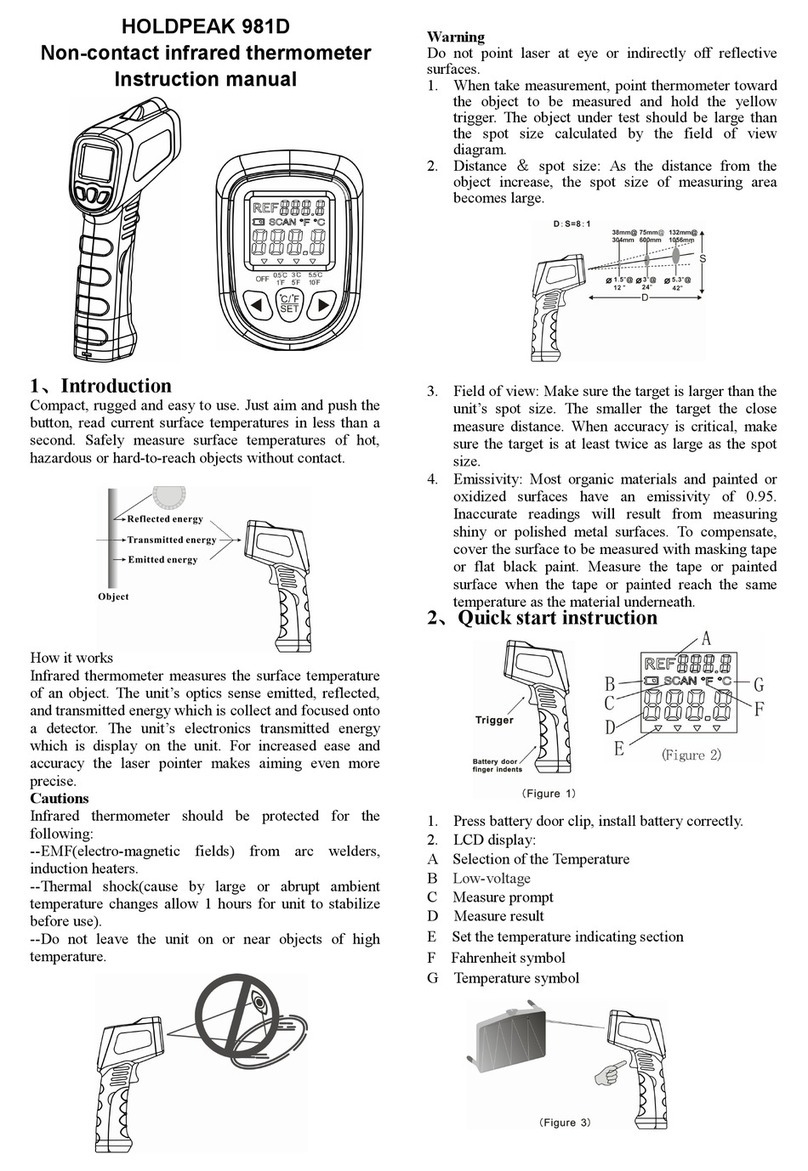
HoldPeak 981D User manual

HoldPeak

HoldPeak 981D User manual

HoldPeak HP-880CK User manual

HoldPeak

HoldPeak HP-880CK User manual

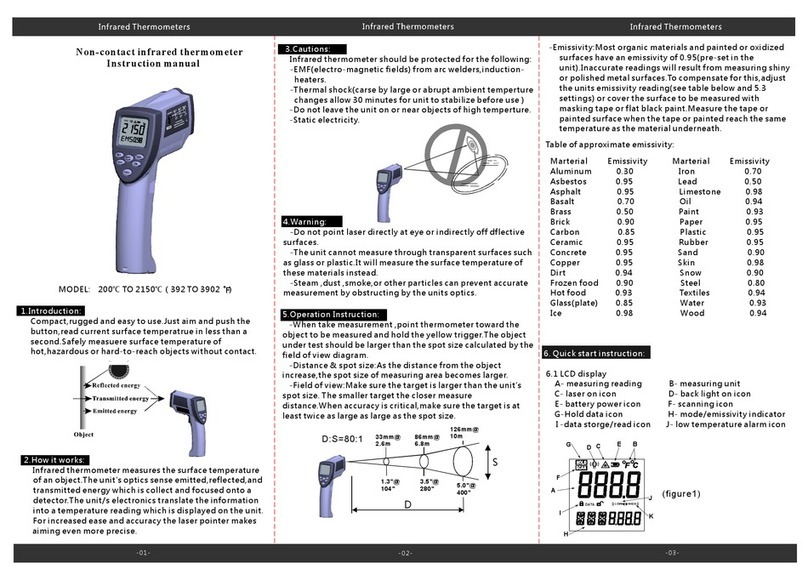
HoldPeak HP2150 User manual

HoldPeak

HoldPeak HP2150 User manual

HoldPeak 981C User manual

HoldPeak

HoldPeak 981C User manual

HoldPeak 981C User manual

HoldPeak

HoldPeak 981C User manual

HoldPeak 981B User manual

HoldPeak

HoldPeak 981B User manual

HoldPeak 1850 User manual

HoldPeak

HoldPeak 1850 User manual

HoldPeak HP-880CK User manual

HoldPeak

HoldPeak HP-880CK User manual

Popular Thermometer manuals by other brands

Benetech GM900 instruction manual

Benetech

Benetech GM900 instruction manual

Parton PTD-400 manual

Parton

Parton PTD-400 manual

GAME 15900 owner's manual

GAME

GAME 15900 owner's manual

scigiene FP-180 instruction manual

scigiene

scigiene FP-180 instruction manual

Ametek Land UNO U1 600/1600C-L user guide

Ametek Land

Ametek Land UNO U1 600/1600C-L user guide

Delton 981A instruction manual

Delton

Delton 981A instruction manual

Taylor 5286498 instruction manual

Taylor

Taylor 5286498 instruction manual

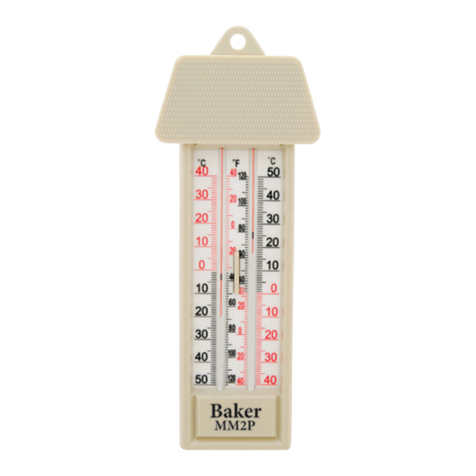
Baker MM2P instruction manual

Baker

Baker MM2P instruction manual

Chino IR-FA Series instructions

Chino

Chino IR-FA Series instructions

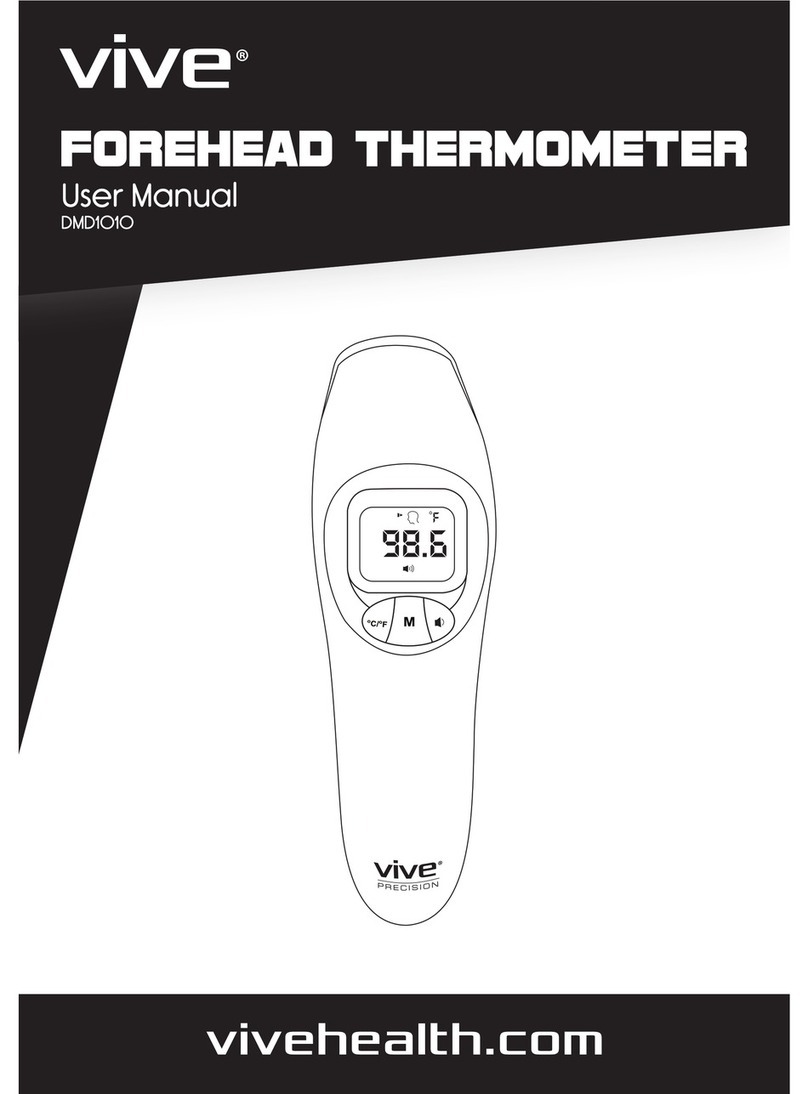
Vive DMD1010 user manual

Vive

Vive DMD1010 user manual

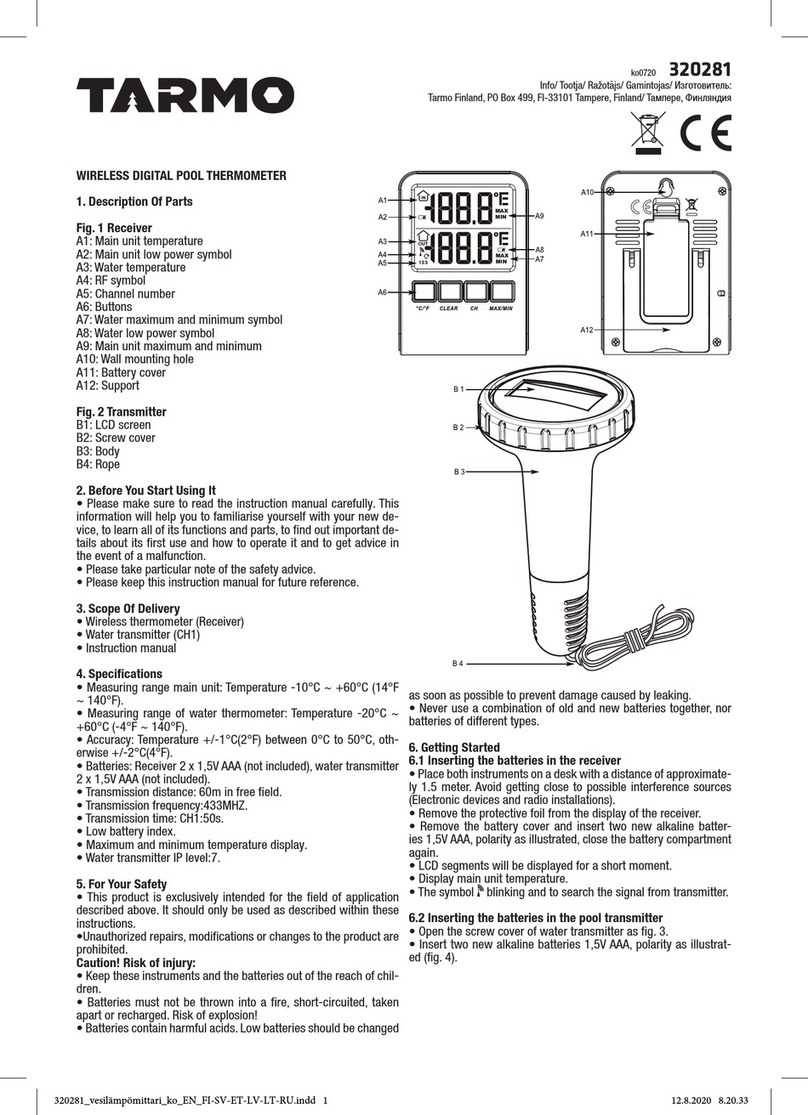
Tarmo 320281 manual

Tarmo

Tarmo 320281 manual

Citizen CTD 504 instruction manual

Citizen

Citizen CTD 504 instruction manual

TFA 14.1500 instruction manual

TFA

TFA 14.1500 instruction manual

Gotemp THB4002 user guide

Gotemp

Gotemp THB4002 user guide

GREISINGER G 1202 Quick reference guide

GREISINGER

GREISINGER G 1202 Quick reference guide

Amprobe TMD-53W user manual

Amprobe

Amprobe TMD-53W user manual

Trotec BP10 operating manual

Trotec

Trotec BP10 operating manual

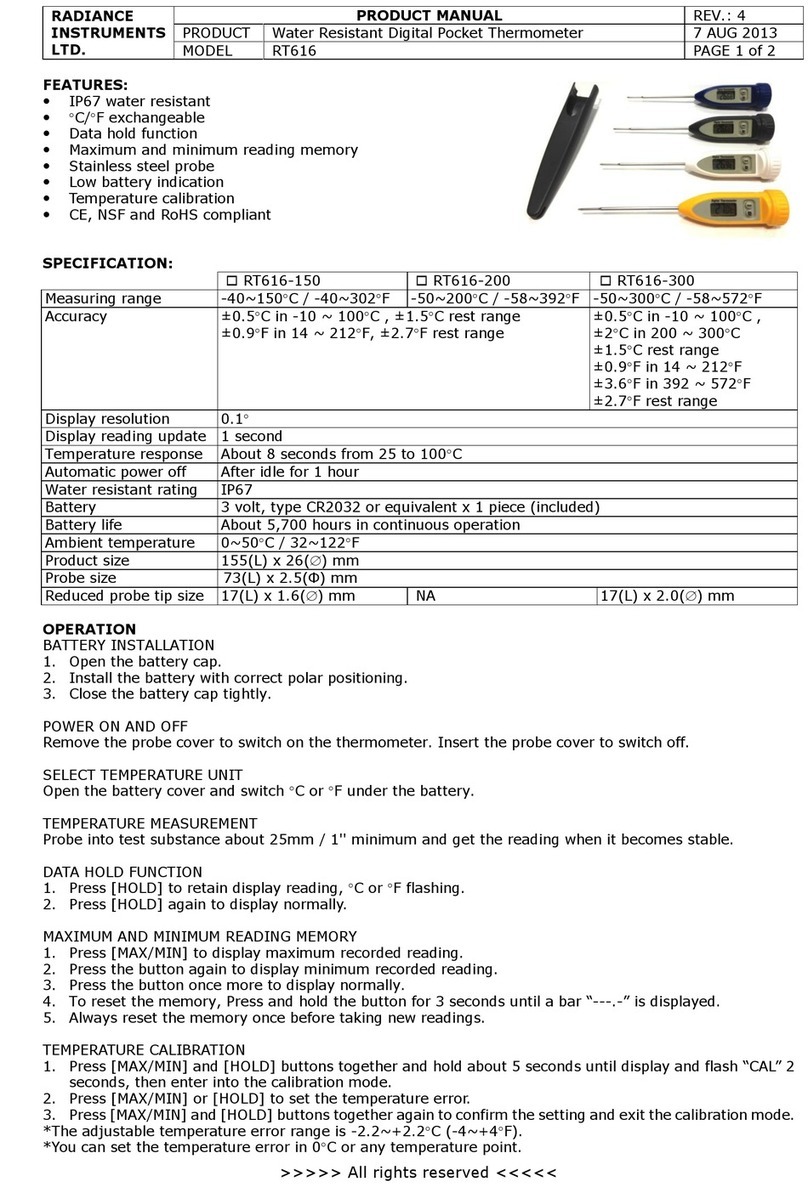
Radiance instruments RT616 Series product manual

Radiance instruments

Radiance instruments RT616 Series product manual

manuals.online logo
manuals.online logoBrands
  • About & Mission
  • Contact us
  • Privacy Policy
  • Terms and Conditions

Copyright 2025 Manuals.Online. All Rights Reserved.

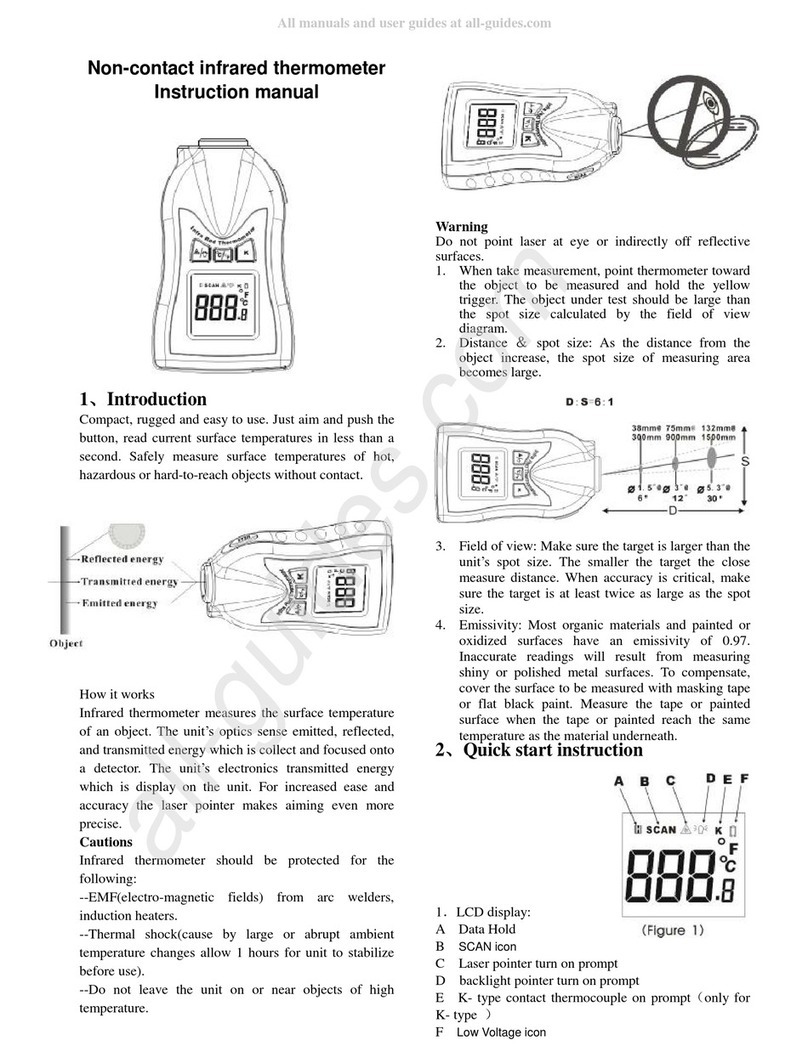
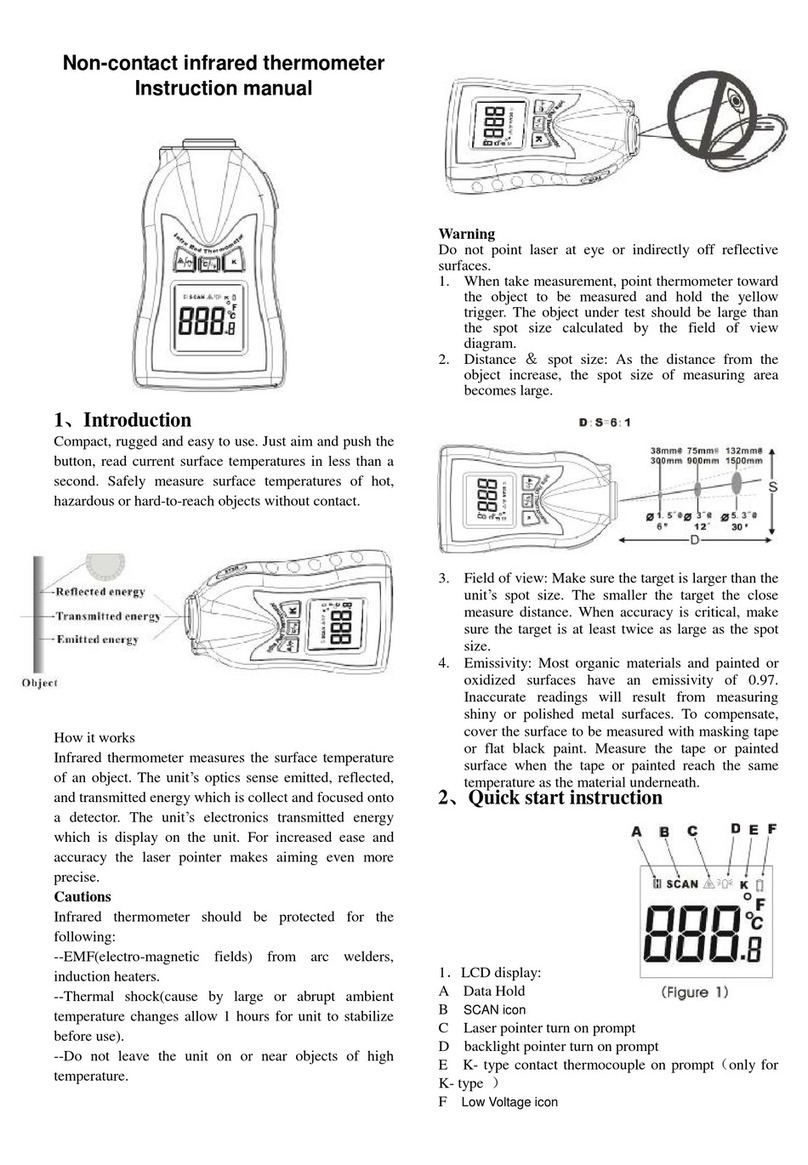
980D
Non-contact infrared
thermometer Instruction manual
1、Introduction
Compact, rugged and easy to use. Just aim and push the
button, read current surface temperatures in less than a
second. Safely measure surface temperatures of hot,
hazardous or hard-to-reach objects without contact.
How it works
Infrared thermometer measures the surface temperature
of an object. The unit’s optics sense emitted, reflected,
and transmitted energy which is collect and focused onto
a detector. The unit’s electronics transmitted energy
which is display on the unit. For increased ease and
accuracy the laser pointer makes aiming even more
precise.
Cautions
Infrared thermometer should be protected for the
following:
--EMF(electro-magnetic fields) from arc welders,
induction heaters.
--Thermal shock(cause by large or abrupt ambient
temperature changes allow 1 hours for unit to stabilize
before use).
--Do not leave the unit on or near objects of high
temperature.
Warning
Do not point laser at eye or indirectly off reflective
surfaces.
1. When take measurement, point thermometer toward
the object to be measured and hold the yellow
trigger. The object under test should be large than
the spot size calculated by the field of view
diagram.
2. Distance &spot size: As the distance from the
object increase, the spot size of measuring area
becomes large.
3. Field of view: Make sure the target is larger than the
unit’s spot size. The smaller the target the close
measure distance. When accuracy is critical, make
sure the target is at least twice as large as the spot
size.
4. Emissivity: Most organic materials and painted or
oxidized surfaces have an emissivity of 0.95.
Inaccurate readings will result from measuring
shiny or polished metal surfaces. To compensate,
cover the surface to be measured with masking tape
or flat black paint. Measure the tape or painted
surface when the tape or painted reach the same
temperature as the material underneath.
2、Quick start instruction
1. Press battery door clip, install battery correctly. Pull
the trigger, LCD display reading &battery icon.
Release the trigger and the reading will hold for 7
seconds
LCD display:
A Laser pointer turn on prompt
B Alarm of high temperature prompt
C Alarm of Low temperature prompt
D Data Hold
E Measure result
F Emissivity
2. Locating a hot spot aim the thermometer outside the
area of interest, then scan across with up and down
motions until you locate the hot spot.(please turn on
the laser to for accurate measuring)
3. Diagram description
(1) Trigger :Press for turn on, and then display test
result and hold data 7 seconds automatically
("HOLD") after unclamping switch. Trun off
automatically after 10 seconds without operate.
(2) Laser pointer button :press it for turn on laser
pointer, press again for turn off.
(3) Back light /Up button :In “Alarm temperature” and
“setting emissivity” mode for adjust value up. In
other mode for turn on back light.When product
working, press it for turn on back light, press again
for turn off.
(4) MODE button:Press MODE button for cycle
options - MAX -AVG - MIN –HAL –LAL mode
A、MAX:Measure maximum data current;
B、MIN:Measure minimum data current;;
C、AVG:Calculate the average of all measure data;
D、HAL:Alarm of high temperature. Option HAL
mode, press “UP/DN ”button for set alarm
temperature. When LCD display ”H”means
measure result exceeded the alarm temperature;
E、LAL:Alarm of low temperature. Option HAL
mode, press “UP/DN ”button for set alarm
temperature. When LCD display ”L”means
measure result under the alarm temperature;
(5) T/ DN button :In “Alarm temperature” and “setting
emissivity” mode for adjust value down . When turn
on product and press direct for ℃/ 0F select.
(6) SET button:Press for setting emissivity .And press
“UP/DN”for adjust from 0.1~1.0. Press SET button
again for exit setting mode .
(7) LCD
(8) Battery door: When replace battery door, please
using the finger indents to pull open the battery
door.
3、Maintenance
1) Lens cleaning: Blow off lose particles using clean
compressed air. Gently brush remaining debris away
with a moist cotton cloth.
2) Case cleaning: Clean the case with a damp
sponge/cloth and mild soap.
3) Please take out the battery when not using for a long
time.
Note:
1) Do not use solvent to clean lens.
4、specifications
Temperature
range -30℃to 450℃(-22 to8420F)
Accuracy ±3% or ±3℃of rdg,-30℃to 0℃(-22 to 320F)
±2% or ±2℃of rdg, 0℃to 100℃(32 to 2120F)
±3% or ±3℃ of rdg, ≥100℃(2120F)
Repeatability 1%of reading or 1℃
Response time 500msec, 95%response
Spectral response 8-14um
Emissivity 0.1~1.0 adjustable
Ambient operating
range 0℃to ~60℃(32 to 1400F)
Relative humidity 10-95% RH noncondensing
Storage temperature -20~60℃(-4~1400F) without battery
Ambient temp range
of guarantee for
accuracy 23℃~28℃
Weight/dimensions 155g;165×83×44mm
Power 9V battery ,6F22 or NEDA 1604
Battery life Laser models:12hrs
distance spot ratio 8:1
Note:
Display “AL” means Ambient temp lower than 0℃”;
Display “AH” means Ambient temp higher than 60℃”;
Display above code in normal Ambient temp, probable
means this meter was broken.
Attached list :Applicable Emissivity for
Different Material ( For reference only)
Material Emissivity Material Emissivity
Asphaltum 0.90 to 0.98 Textile(Black)0.98
Beton 0.94 Human Skin 0.98
Cement 0.96 Soap bubble 0.75 to 0.80
Sand 0.90 Charcoal
(powder)0.96
Soil 0.92 to 0.96 Lacquer 0.80-0.95
Water 0.92 to 0.96 Lacquer
(reluster)0.97
Ice 0.96 to 0.98 Rubber (Black)0.94
Snow 0.83 Plastic 0.85-0.95
Glass 0.90 to 0.95 Timber 0.90
Ceramic 0.90 to 0.94 Paper 0.70-0.94
Marble 0.94 Chromic oxide 0.81
Gypsum 0.80 to 0.90 Copper Oxide 0.78
Compo 0.89 to 0.91 Iron Oxide 0.78 to 0.82
Brick 0.93 to 0.96 Stainless steel and
Aluminum 0.2-0.3
2) Do not submerge the unit in water.