manuals.online logo
Brands
  1. Home
  2. •
  3. Brands
  4. •
  5. JVC
  6. •
  7. Cassette Player
  8. •
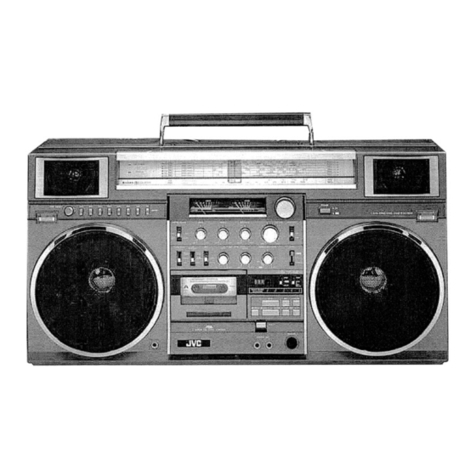
  9. JVC RC-636L User manual

JVC RC-636L User manual

This manual suits for next models

1

Other JVC Cassette Player manuals
JVC RC-250L User manual

JVC

JVC RC-250L User manual

JVC SR-VS30U User manual

JVC

JVC SR-VS30U User manual

JVC TD-V711 User manual

JVC

JVC TD-V711 User manual

JVC RC-660 L User manual

JVC

JVC RC-660 L User manual

JVC TD-W103A User manual

JVC

JVC TD-W103A User manual

JVC TD-W354 User manual

JVC

JVC TD-W354 User manual

JVC TD-WS305TN A User manual

JVC

JVC TD-WS305TN A User manual

JVC RC-M90JW User manual

JVC

JVC RC-M90JW User manual

JVC DD-9 A User manual

JVC

JVC DD-9 A User manual

JVC TD-X102 User manual

JVC

JVC TD-X102 User manual

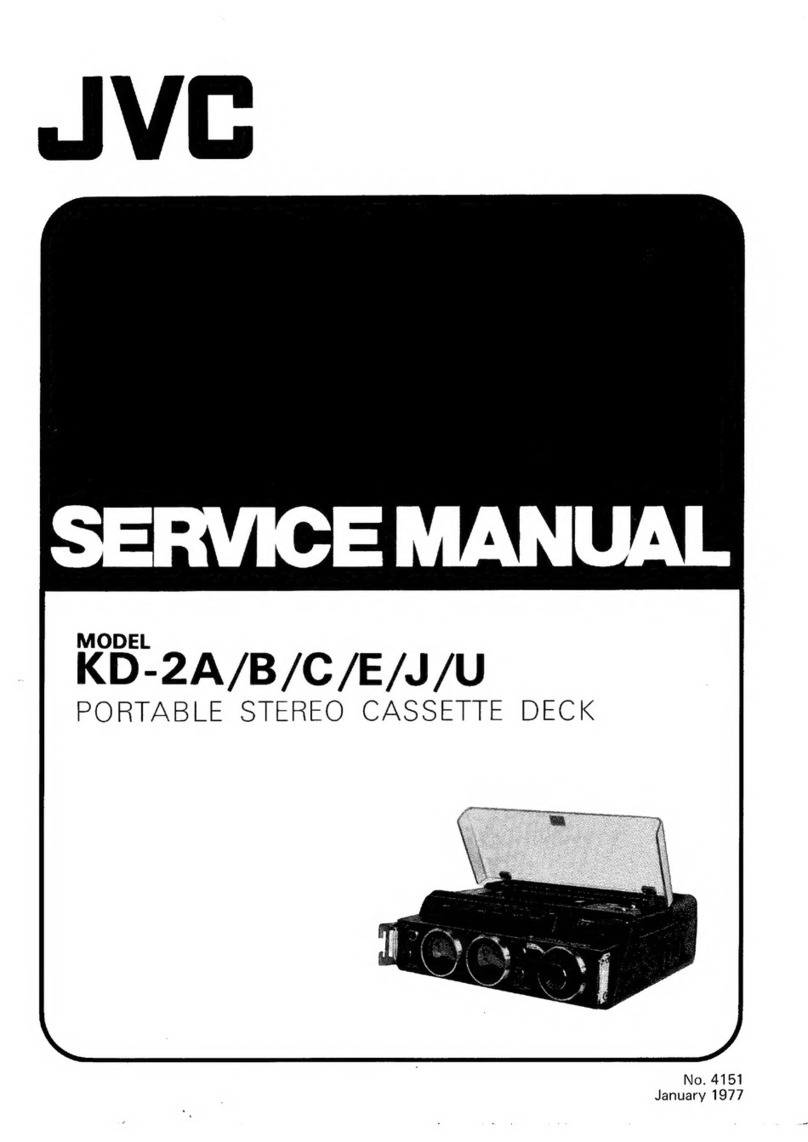
JVC KD-2A User manual

JVC

JVC KD-2A User manual

JVC SR-W320U User manual

JVC

JVC SR-W320U User manual

JVC TD-W220 SERIES User manual

JVC

JVC TD-W220 SERIES User manual

JVC CX-F5K User manual

JVC

JVC CX-F5K User manual

JVC TD-V711 User manual

JVC

JVC TD-V711 User manual

JVC HR-XVC22UC User manual

JVC

JVC HR-XVC22UC User manual

JVC TD-W717TN User manual

JVC

JVC TD-W717TN User manual

JVC TDW118BK - Dual Cassette Deck User manual

JVC

JVC TDW118BK - Dual Cassette Deck User manual

JVC TD-W777A User manual

JVC

JVC TD-W777A User manual

JVC TD-W717TN User manual

JVC

JVC TD-W717TN User manual

JVC TD-W217TNC User manual

JVC

JVC TD-W217TNC User manual

JVC RC-545L User manual

JVC

JVC RC-545L User manual

JVC RC-550L User manual

JVC

JVC RC-550L User manual

JVC KZ-V10J User manual

JVC

JVC KZ-V10J User manual

Popular Cassette Player manuals by other brands
Ahuja CPA-360 Operation manual

Ahuja

Ahuja CPA-360 Operation manual

Sony Pressman TCS-60DV Specifications

Sony

Sony Pressman TCS-60DV Specifications

Philips AQ6485/14 Product information

Philips

Philips AQ6485/14 Product information

Sony TCM-200DV - Cassette Recorder operating instructions
Sony

Sony TCM-200DV - Cassette Recorder operating instructions

Nakamichi BX-300 Service manual

Nakamichi

Nakamichi BX-300 Service manual

Panasonic RQ-E25V operating instructions

Panasonic

Panasonic RQ-E25V operating instructions

Aiwa TP-VS535 operating instructions

Aiwa

Aiwa TP-VS535 operating instructions

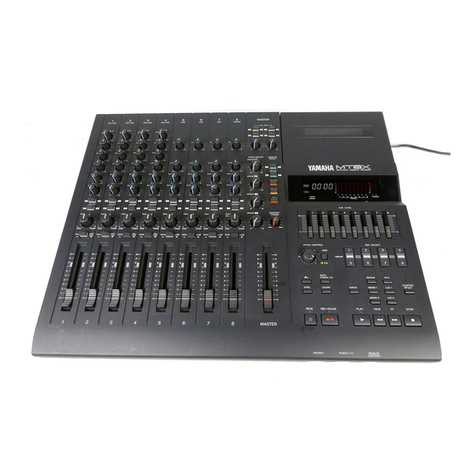
Yamaha MT8X Operation manual

Yamaha

Yamaha MT8X Operation manual

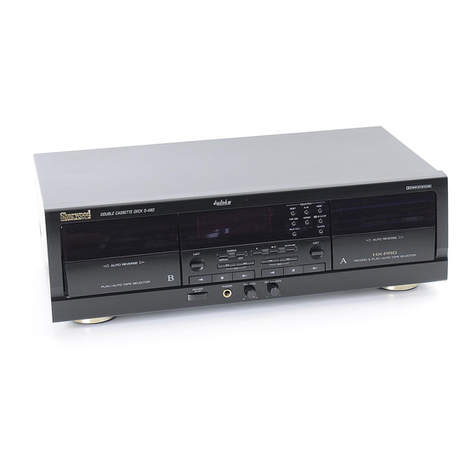
Sherwood Newcastle D-480 operating instructions

Sherwood

Sherwood Newcastle D-480 operating instructions

Manta MA408 user manual

Manta

Manta MA408 user manual

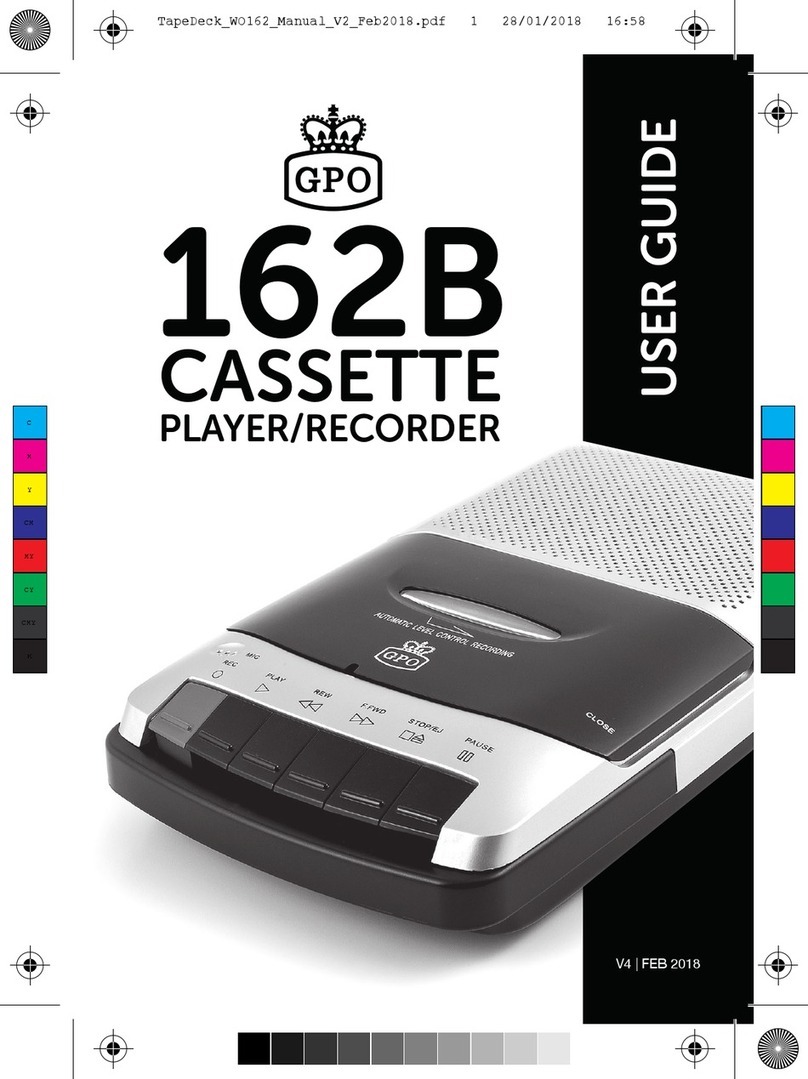
GPO W0162B user guide

GPO

GPO W0162B user guide

Marantz CP230 Service manual

Marantz

Marantz CP230 Service manual

Sony HST-471 Service manual

Sony

Sony HST-471 Service manual

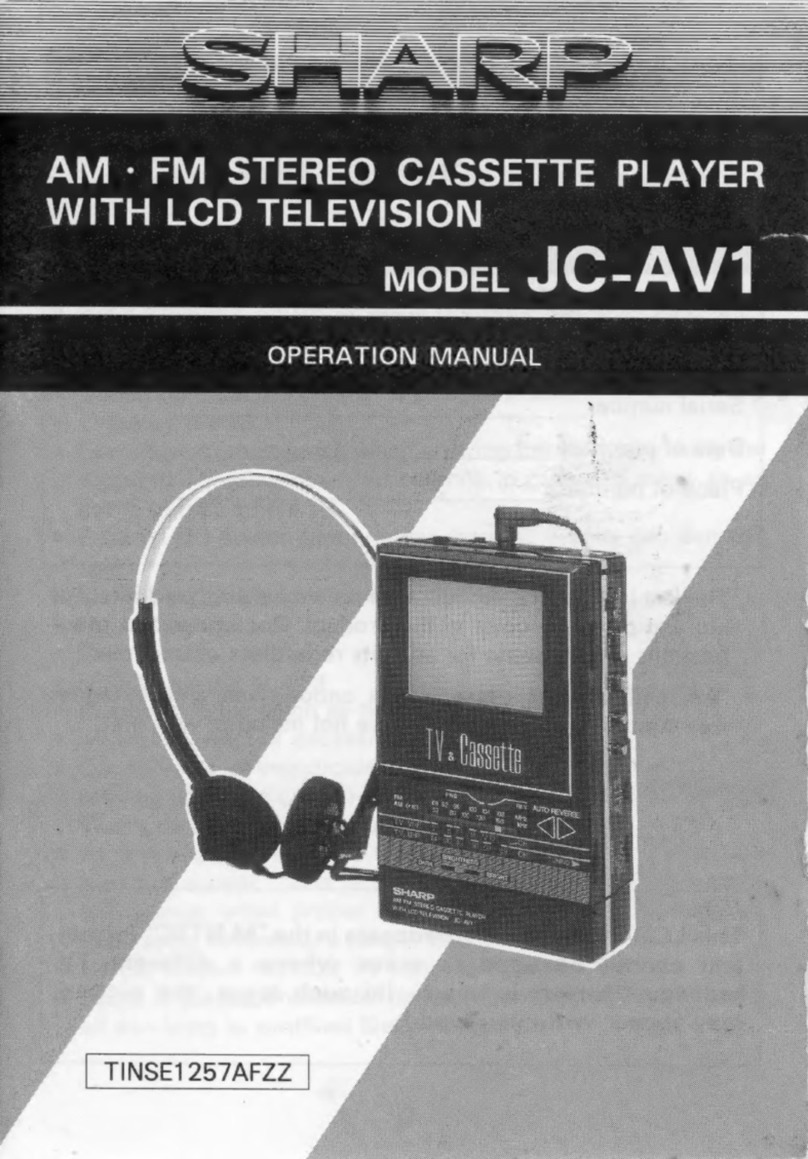
Sharp JC-AV1 Operation manual

Sharp

Sharp JC-AV1 Operation manual

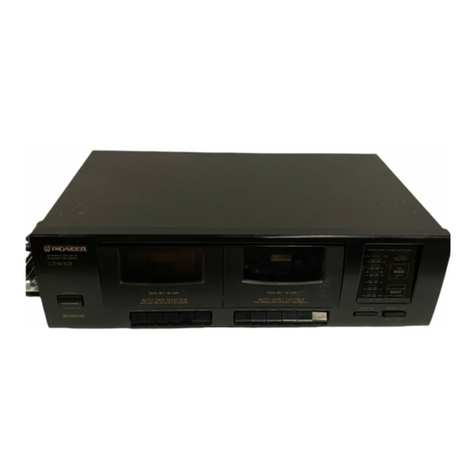
Pioneer CT-W103 Service manual

Pioneer

Pioneer CT-W103 Service manual

Sony CFS-B15 - Am/fm Stereo Cassette Recorder operating instructions

Sony

Sony CFS-B15 - Am/fm Stereo Cassette Recorder operating instructions

Sony WMFS220 - Portable Sports AM/FM Cassette... operating instructions

Sony

Sony WMFS220 - Portable Sports AM/FM Cassette... operating instructions
Aiwa HS-TA21 operating instructions

Aiwa

Aiwa HS-TA21 operating instructions
manuals.online logo
manuals.online logoBrands
  • About & Mission
  • Contact us
  • Privacy Policy
  • Terms and Conditions

Copyright 2025 Manuals.Online. All Rights Reserved.

MODEL
RC-636L/LB
FM-SW-MW-LW
4-BAND
RADIO
STEREO
CASSETTE
RECORDER
No.
1372
July
1978
RC-636L/LB
Contents
Page
SpecihiCations:
cose
eb
Ft
OSs
seo
eee
ad
See
bale
Senso
e
Ae
rea
sees
aaa
2
Main: Parts
Mocation
sn.
see
ee
Siw
ele
era
aaa
bd
ia
Sa
ee
Re
es
I
Ds
eran
dod
Oe
eo
3
Disassembly
&
Replacement
...
0.0.0.0
ce
ee
ee
eee
eee
ee
eens
3
Tuner
Alignment
=:
2.
sinccs
sete
ce
gic
cde
secs
sete
Rid
Gna
Reet
s!
wo
HR
SSG
caval
wag
Dee
aie
EN
Tele
BS
eRe
ra
eae
sata
Se
45
Adjusting
Recording
Bias
.... 0...
0.
ee
ee
ee
eee
nee
nett
ees
8
Adjusting
Head
Azimuth...
as
6
s:scn
eae
ee
le
eee
Sad
Ce
ws
et
eek
e
Deo
the
wae
MA
Pen
8
How
to.
Fit:
Dial
Gord:
2.2
foe
akc
eteee
CE
oe
0
ee
Weare
re
eb
Rew
Selo
Baad
BER
ene
Wie
eneene
Conant
es
9
Adjustment
of
Cassette
Mechanism
.........0
00
eee
eee
ee
ee
ee
ee
eee
eee
ee
ees
10,11
Block:
Didgrart:..62si6
ice
eden
aie
iene
eS
hohe
BRA
ae
ea
Se
aie
al
aa ee Be ea
ewe
Bil
te
oea
oe
aaah
12
Wiring
Connections
6.o.6c3.6
occ
bee
ie
es
ee
a
id
oe
DE
OE
WR
a
ea
ee
Hew
Ee
13
Schematic
Diagram
of
RC-636L/LB
(Tuner)
.......
2-0-0
cece
ee
ee
ee
tee
eens
14
Schematic
Diagram
of
RC-636L/LB
(Amplifier)...
2.0...
eee
ee
eee
ees
15
Tuner
Circuit
Board
Ass’y
1.2...
0...
ee
ee
ee
ee
ee
eee
eee
eee
eee
ee
ees
16,17
Amplifier
Circuit
Board
Ass’y
..
0.0.0...
--
cece
ee
eee
ee
eee eee
eee
tee
eee
ees
18,19
Exploded
View
of
Cassette
Mechanism
.......-.
20
0c
eee
eee
eee
eee
ee
nee
tee
ete
20
List
of
Cassette
Mechanism
........
00.
cee
eee
ee
ee
ee
eee
eee
eee
eee
21
Control
Circuit
Board
Ass’y
..
2.2...
eee
ee
ee
ee
eee
ee
ee
eee
ee
eee
22
Power
Supply
Circuit
Board
Ass’y
(RC-636L)
........
0.
eee
ee
ee
ee
ee
eee
22
Exploded
View
of
Chassis
Ass’y
..........---
seh
dole
coord
sasaice
Wein:
apa
ate
an
coher
eyise
sheen
ine
padre
ae
a
aero
23,24,25
Exploded
View
of
Front
Cabinet...
2...
2.
ce
ec
ee
ee
ete
es
26,27
Exploded
View
of
Rear
Cabinet
(RC-636L)
..
0.2.2...
ce
eee
tet
28
Final
Packing
Ass’y
(RC-G36L)
2.0.0...
.
ec
ee
ee
eee
eee
eee
29
Accessories
(RC-636L)..
0...
ccc
ee
ee
ee ee
ere
ee
ete
eee
eee
eee
29
Difference
of
Model
RC-636LB
........
0.0...
eee
ee
eee
ees
29
Wiring
Connection
of
RC-63GLB
(Part)
2.2...
0c.
eee
ee
eee
teenies
29
Power
Supply
Circuit
Board
Ass’y
(RC-G36LB)
2.2...
ee
ees
30
Exploded
View
of
Rear
Cabinet
(RC-636LB)
...
20...
00
ccc
cece
ee
ee
ee
eee
eee
30
Final
Packing
Ass’y
(RC-636LB)
...
0.0.0.0...
cece
ee
eee
eee
eee
31
Accessories
(RC-G3GLB)
cies
sie
ae
ae
ieee
eek
ee
es
ER
we
ee
a
eee
ee
See
aetna
wae
aa
31
Specifications
DIMENSIONS:
26.4cm(H)
x
47.0cm(W)
x
12.3cm(D)
WEIGHT:
Approx.
6.0kg
(with
batteries)
10-3/8"
x
18-1/2”
x
4-7/8"
13.2
Ibs.
Frequency
Ranges
>:
FM
88~108MHz
AMPLIFIER
SECTION
SW
6~18MHz
Speakers
16cm(6-1/2’")
x
2,40
MW
540~1600kHz
Power
Output
Max.
9
(4.5
+
4.5)
W
(DC)
LW
150~350kHz
Input
Jacks
MIC
x
2
(0.8mV,
low
imp.)
Intermediate
Frequencies
:
FM
10.7MHz
Output
Jacks
Ext.
Speaker
x
2
(402)
SW/MW/LW
455kHz
Headphones
x
1
(822)
RECORDER
SECTION
Tape
Speed
Track
System
Recording
System
Erasing
System
S/N
Ratio
Fast
Forward
Time
Rewinding
Time
Wow
&
Flutter
No.
1372
Input/Output
Jack
>:
DIN
POWER
CONSUMPTION
:
15W
(at
RMS
power
output:
636L
seams
Haye)
14W
(at
10%
THD:
636LB)
4-track
2-channel
stereo
re
SEMICONDUCTORS
=
AC
Erasing
Transistors
:
19
More
than
45dB
at
1kHz
Biodas
:
18
Within
90
sec.
(C-60
cassette)
BoweR
SOURCE
Within
90
sec.
(C-60
cassette)
pe
:
12V.8
"R20"
or
“U2”
cells
or
0.14%
(WRMS)
equivalent
AC
110/220/240V,
50/60Hz
Fuse
1AT
ray
RC-636L/LB
Main
Parts
Location
5G)
VY
Fig.
1
Fig.
2
Parts
No.
Parts
Name
Description
VXQ4001-001
Knob
(Lever)
Rec
Mute,
Mode,
Function,
Tape
VXS4005-001
(Slide)
Volume
(L,R),
Tone
VXKM520-30011
Fine
Tuning
*VXL4021-002
Tuning
*VXQ3007-002
(Lever)
STOP/EJECT
*¥X03007-001
)
RECORD
*V¥XQ3007-003
REVIEW,
PLAY,
CUE,
PAUSE
*VJT3019-00A
Cassette
Door
*VJD3118-002
Head
Cover
*VYH1107-001
Chassis
2
Circuit
Board
Ass’y
Tuner
Control
Amplifier
COON
OORWNH
=
——_-
Cassette
Mechanism
Ass’y
*EAS16P127SC
Speaker
16cm(6-1/2"),
42
*VDM5043-002-004
Connector
&
Wire
Ass‘y
CN404S
for
Fine
Tuning
*VDM5043-003-001
CN401S
for
Tuner
*VDM5043-002-002
CN402S
for
Speakers
Note:
1,
Asterisked
parts
(*)
show
“NEW
PARTS”.
Other
parts
are
all
“CURRENT
PARTS”;
therefore,
check
your
inventory
and
order
situation
before
placing
new
order
to
avoid
making
extra
stock.
2.
The
circuit
board
assemblies
and
whole
assembly
of
cassette
mechanism
in
this
model
will
not
be
available
as
spare
parts.
3.
The
parts
marked
/\
are
the
important
parts
for
safety
assurance.
Use
the
specified
part,
when
replacing
the
safety
assurance
part,
never
use
an
equivalent
one.
Sa:
No.
1372
RC
636L/LB
Disassembly
&
Replacement
A.
Head
Cover
Draw
the
right
or
left
lower
ridge
of
the
head
cover
by
a
finger
tip.
Note:
The
head
azimuth
can
be
adjusted
by
removing
the
head
cover.
Fig.
5
Sn
aE
eases
nn
D.
Amplifier
&
Control
Circuit
Boards
1.
Take
off
the
tone
and
volume
control
knobs.
Fig.
3
2.
Disconnect
2
connectors
(B)
&
(E).
3.
Release
the
wires
by
straightening
the
wire
clamp
(D).
4.
Remove
7
screws
(11)~(17):
SBSB3014Z.
5.
N
B.
Rear
Cabinet
Pull
up
the
circuit
board
straightly
from
the
cabinet.
1.
Remove
7
screws
(1)~(3):
SDBP3012RS
and
(4)~(7):
ote:
1.
Engage
the
projection
of
function
switch
lever
V43899-1.
and
the
slider
(F)
in
place,
when
mounting
the
2.
Disconnect
3
connectors
from
rod
antenna
and
power
circuit
board
on
the
chassis.
supply
section.
2.
When
separating
the
control
circuit
board
from
the
amplifier
circuit
board,
remove
2
screws
on
the
control
circuit
board.
Fig.
4
Fig.
6
C.
Tuner
Circuit
Board
1.
Set
the
tuning
dial
to
the
minimum
frequency.
2.
Disconnect
2
connectors
from
the
fine
tuning
section
(A)
and
from
the
amplifier
circuit
board
(B).
3.
Remove
3
screws
(8)~(10):
SBSB3010Z.
4.
Draw
the
circuit
board
downward
with
slightly
lifting
its
lower
edge
upwards.
Note:
Fit
the
arm
of
variable
capacitor
and
the
dial
drum
when
mounting
the
circuit
board
on
the
chassis.
For
details
refer
to
page
9.
No.
1372
Avaes
RC-636L/LB
E.
LED
Circuit
Board
Press
2
projections
of
chassis
to
the
arrow
direction
as
shown
in
Fig.
7,
after
removing
the
tuner
circuit
board.
Fig.
7
.
Fig.
9
F.
Chassis
Assembly
1.
Take
off
the
tone,
volume,
fine
tuning
and
tuning
knobs.
:
2.
Disconnect
the
connector
(E).
H.
Power
Supply
Section
3.
Press
the
STOP/EJECT
button
to
disengaging
the
Remove
2
screws
(30)
&
(31):
SBSB4020C.
internal
cassette
door
opening
mechanism.
4.
Remove
7
screws
(18)~(22):
SBSB3014C
and
(23)
&
(24):
SBSB3025C.
Fig.
10
1.
Parts
of
Cassette
Mechanism
The
mechanism
of
RC-636
is
essentially
the
same
as
of
RC-525
or
RC-323.
Refer
to
the
service
manual
of
RC-525
or
RC-323.
Fig.
8
G.
Cassette
Mechanism
Assembly
1.
Take
the
chassis
assembly
out
of
the
cabinet
as
following
the
previous
item
F.
2.
Remove
5
screws
(25)~(29):
SBSB3010Z
and
the
screw
(15)
as
shown
in
Fig.
6.
_5_
No.
1372
RC-636L/LB
|
Tuner
Alignment
Output
Measuring:
Speaker
terminal
(Impedance
=42),
output
level
5|OmW
(0.45V/40}
AM
IF
&
RF
Alignment
Input
(SSG)
Modulation
400Hz,
Modulated
to
30%
Input
Signal
Place
to
be
Set
the
V.
Given
to
aligned
Capacitor
to
Repeat
the
Step
1,
and
adjust
for
no
further
improvement.
Loop
Antenna
—
105
Frequency
Band
Repeat
the
Steps
9
&
10.
600kHz
rere
600kHz
Signal
1400kHz
sci
paaieatey
TC6
1400kHz
Signal
Repeat
the
Steps
12
&
13,
and
adjust
for
no
further
improvement.
[email protected]
|
__Dummy
Antenne
TB
Repeat
the
Steps
15
&
16.
6.0MHz
Rod
Antenna
through
6.0MHz
Signal
18.0MHz
Dummy
Antenna
TC3
18.0MHz
Signal
Repeat
the
Steps
18
&
19,
and
adjust
for
no
further
improvement.
FM
IF
&
Discriminator
Alignment
1.
Connect
a
sweep
generator
to
the
test
point
TP4.
2.
Connect
a
oscilloscope
across
the
test
points
TP6
(Hot)
and
TP9.
3.
Align
the
T3
so
that
the
S-curve
will
become
symmetrical
and
the
noise
become
minimum.
Note:
1.
Align
after
mounting
the
tuner
circuit
board
in
the
cabinet
to
avoid
affection
of
leakage
flux
of
the
speaker.
2.
After
alignment,
demagnetize
the
coils
L10
and
T3
by
a
head
demagnetizer
to
decrease
possible
modulation
hum
due
to
leakage
flux
of
the
speaker.
FM
RF
Alignment
Input
(SSG):
Use
75Q
terminal,
modulation
400Hz
modulated
to
22.5kHz
deviation.
Connect
Hot
side
to
TP1
and
Cold
side
to
TP2.
Place
to
be
Set
the
V.
Frequency
aligned
Capacitor
to
109MH2
F
Frequency
M
Repeat
the
Steps
1
&
2.
SOF
nal
TP1
&
TP2
9OMHz
ious
106MHz
106MHz
Signal
Repeat
the
Steps
4
&
5,
and
adjust
for
no
further
improvement.
RC-636L/LB
FM
MPX
Alignment
Dummy
Antenna
A.
Regular
Method
1.
Connect
a
frequency
counter
to
the
test
point
TP8
through
50kQ.
2.
Ground
the
test
point
TP5.
o
3.
Adjust
the
variable
resistor
VR1
so
that
the
frequency
R
1
R
-,
GC
|
becomes
19kHz
+
100Hz.
1
|
B.
Simplified
Method
1.
Tune
to
a
FM
stereo
broadcast.
'
|
2.
Set
the
variable
resistor
VR1
to
a
center
position
of
the
—d
range
where
the
stereo
indicator
keeps
lighting.
™m
Mi
Bie
pa
ee
te
Beh
A
|
R1+R2=
8002
C
=
10pF
R1
:
Output
impedance
of
S.S.G.
Fig.
11
Parts
Arrangement
for
Alignment
=o
No.
1372
RC-636L/LB
Adjusting
Recording
Bias
Bias
Frequency
Bias
Current
1.
Connect
a
frequency
counter
across
TP201
(Hot)
and
1.
Connect
a
V.T.V.M.
across
TP201
—
TP202
and
TP301
TP202
(Cold).
—
TP302.
2.
Set
the
BEAT
CUT
switch
to
lower
position.
2.
Adjust
the
variable
resistor
VR203
(L)
and
VR303
(R)
3.
Adjust
the
oscillator
coil
L402
so
that
the
counter
indicates
68kHz.
so
that
the
voltage
becomes
4.5mV
(450uA/10Q).
Fig.
13
Adjusting
Head
Azimuth
.
Connect
a
V.T.V.M.
across
the
speaker
terminal.
.
Set
the
MODE
switch
to
MONO.
.
Playback
the
test
cassette
for
azimuth
adjustment.
.
Adjust
the
head
angle
for
maximum
output.
Note:
The
output
voltage
shows
three
peaks
while
adjusting
head
angle
as
illustrated
on
the
right,
adjust
for
maximum
peak.
5.
Check
that
the
output
difference
between
MONO
and
STEREO
is
within
3dB.
PWN
=
No.
1372
Output
—pe
Angie
Fig.
14
RC-636L/LB
How
to
Fit
Dial
Cord
1.
Dial
Cord
Material:
Tetoron
(braided
sheath)
and
Kevlar
(inside
filament),
coated
with
Teflon
Diameter
of
cord:
0.5mm
(20
mil)
Whole
length
of
cord:
1300mm
(51-3/16”)
2.
Remove
the
dial
scale
by
loosening
2
screws.
3.
Turn
the
dial
drum
fully
counterclockwise.
4,
Fit
the
cord
in
numerical
order
as
shown
in
Fig.
15.
5.
If
the
tuner
circuit
board
has
been
removed
from
the
chassis,
engage
the
projection
of
arm
which
is
mounted
on
the
shaft
of
variable
capacitor
with
the
slot
of
lever
which
is
positioned
opposite
side
of
dial
drum
as
shown
in
Fig.
16.
‘<
a
Fig.
15
Dial
Drum
Chassis
“TITTLE
cK
tH,
Lever
—,_
Arm
Circuit
Board
i
Variable
Capacitor
| |
Fig.
16
No.
1372
RC-636L/LB
Adjustment
of
Cassette
Mechanism
Play
Timing
1.
2.
No.
1372
In
the
playback
mode,
the
clearance
(A)
between
the
pinch
roller
arm
and
the
stopper
of
head
base
should
be
within
0.2
to
0.3
mm.
If
the
clearance
is
beyond
the
limits,
bend
the
part
(B)
of
pinch
roller
arm
to
adjust
the
clearance
as
shown
in
Fig.
17.
Pinch
Roller
Arm
Stopper
(Head
Base)
Fig.
17
Check
to
see
that
the
take-up
idler
turns
at
the
same
time
as
the
pinch
roller
or
the
take-up
idler
turns
first
and
then
the
pinch
roller
turns,
when
the
PLAY
button
is
pressed.
a.
If
the
pinch
roller
turns
very
later
than
the
take-up
idler,
bend
the
part
(C)
of
head
base
which
is
contacted
with
the
take-up
idler
by
the
part
(D)
to
the
(E)
direction
as
shown
in
Fig.
18.
b.
{f
the
take-up
idler
turns
later
than
the
pinch
roller,
bend
the
part
(C)
to
(F)
direction.
Head
base
Take-up
Idler
Fig.
18
Cue
&
Review
Mechanism
1.
Timing
of
Cue
Action
a.
In
the
playback
mode,
check
to
see
that
the
take-up
reel
disk
stops
turning
after
the
pinch
roller
has
stopped
turning
or
stops
at
the
same
time
and
then
the
mechanism
becomes
fast
forwarding
mode
when
the
CUE
button
has
been
pressed.
b.
If
the
timing
is
out
of
order,
adjust
it
as
following
the
item
2
of
“Play
Timing”.
2.
Timing
of
Review
Action
a.
In
the
playback
mode,
check
to
see
that
the
take-up
reel
disk
stops
turning
after
the
pinch
roller
has
stopped
or
stops
at
the
same
time
and
then
the
mechanism
becomes
rewinding
mode,
when
the
REVIEW
button
has
been
pressed.
b.
If
the
timing
is
out
of
order,
adjust
it
as
following
the
item
2
of
“Play
Timing”.
Pause
Timing
In
the
playback
mode,
check
that
the
PAUSE
button
is
locked
and
the
mechanism
temporarily
becomes
stop
mode
when
the
PAUSE
button
has
been
pressed,
and
that
the
button
is
released
and
the
mechanism
becomes
playback
mode
when
the
button
has
been
pressed
again.
If
the
mechanism
becomes
fast
forwarding
mode,
when
the
PAUSE
button
has
been
gradually
pressed,
bend
the
part
(G)
of
pinch
roller
arm
to
the
arrow
direction
to
adjust
that
the
take-up
reel
and
the
pinch
roller
stops
at
the
same
time
as
shown
in
Fig.
19.
Pause
Bar
Pinch
Roller
Arm
Fig.
19