4
INSTALLATION AND MAINTENANCE
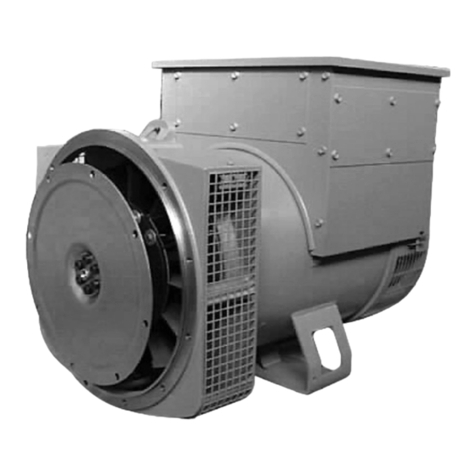
LSA R 49.1 Air/air heat exchanger
ALTERNATORS - Ex II 3 G
RECEIPT
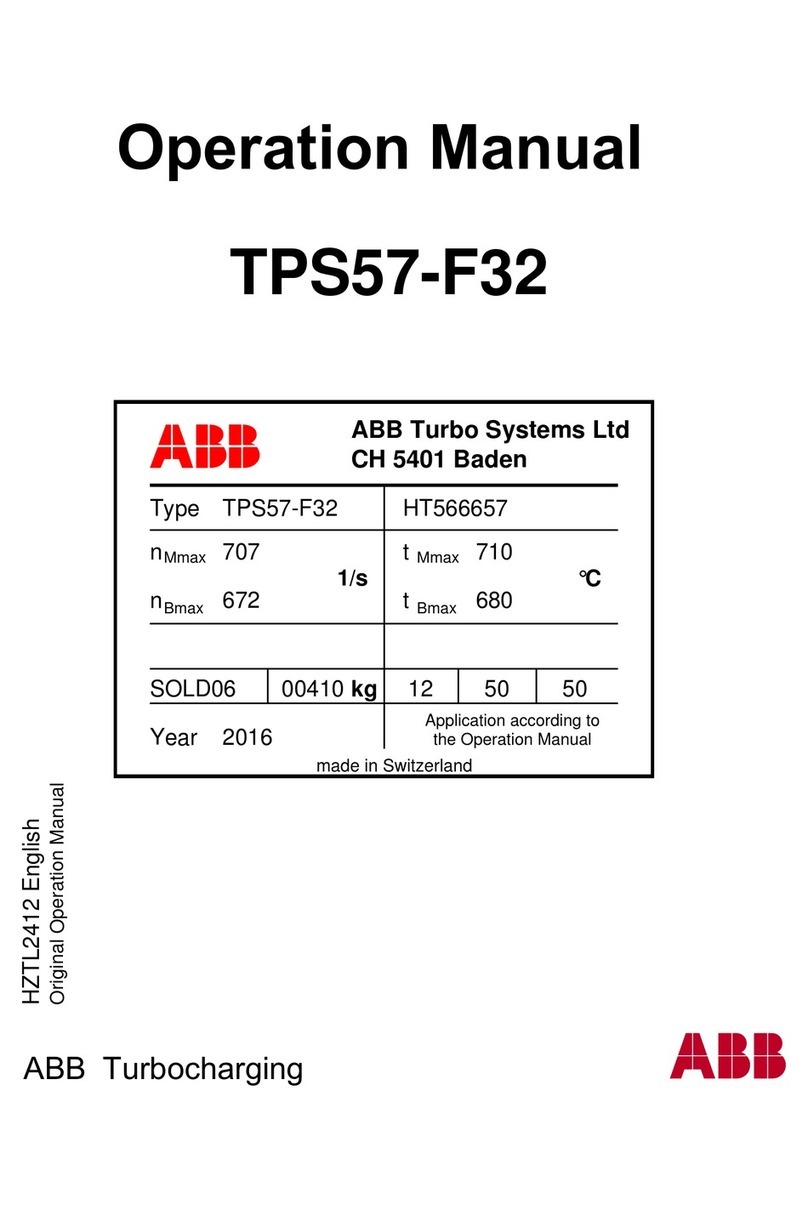
4081 en - 09.2006 / a
LEROY-SOMER
1 - RECEIPT
1.1 - Standards and safety measures
The alternators LSAR 49.1 are compatible with :
- the recommendations of the
International Electrotechnical Commission
IEC 34-1, (EN 60034).
- the recommendations of the
International Standards Organisation ISO 8528.
- the European Community directive 89/336/EEC on
Electromagnetic Compatibility (EMC).
- the European Community directives
73/23/EEC and 93/68/EEC (Low Voltage Directive).
- standard Atex EN 60079-0, EN 60079-7, EN 60079-18.
They are destined for use in explosive atmospheres (directive
94/9/CE).
The ATEX labelling on these alternators is : EX II 3G - EX
em II T3 which implies that this material can only be used in
zone 2.
They are CE marked with regard to the LVD (Low Voltage
Directive) in their role as a machine component. A declaration
of incorporation can be supplied on request.
Before using your generator for the first time, read carefully
the contents of this installation and maintenance manual,
supplied with the machine. All operations performed on the
generator should be undertaken by qualified personnel with
specialist training in the commissioning, servicing and
maintenance of electrical and mechanical machinery. This
maintenance manual should be retained for the whole of the
machine’s life and be handed over with the contractual file.
The various operations described in this manual are
accompanied by recommendations or symbols to alert the
user to potential risks of accidents. It is vital that you
understand and take notice of the different warning symbols
used.
1.2 - Inspection
On receipt of your alternator, check that it has not suffered
any damage in transit. If there are obvious signs of knocks,
contact the transporter (you may able to claim on their
insurance) and after a visual check, turn the machine by hand
to detect any malfunction.
1.3 - Identification
The alternator is identified by means of a nameplate glued to
the frame.
Make sure that the nameplate on the machine conforms to
your order.
The machine name is defined according to various criteria
(see below).
Example of description for :
LSA R 49.1 L6 C6/4 -
• LSA : name used in the PARTNER range
• R : air/air heat exchanger
• 49.1 : machine type
• L6 : model
• C : Excitation system (C : AREP / J : SHUNT)
• 6/4 : winding number / number of poles.
1.3.1 - Nameplate
So that you can identify your machine quickly and accurately,
we suggest you fill in its specifications on the nameplate
below.
1.4 - Storage
Prior to commissioning, machines should be stored :
- Away from humidity : in conditions of relative humidity of
more than 90%, the machine insulation can drop very rapidly,
to just above zero at around 100%; monitor the state of the
anti-rust protection on unpainted parts.
For storage over an extended period, the machine can be
placed in a sealed enclosure (heatshrunk plastic for example)
with dehydrating sachets inside, away from significant and
frequent variations in temperature to avoid the risk of
condensation during storage.
- If the area is affected by vibration, try to reduce the effect of
these vibrations by placing the generator on a damper
support (rubber disc or similar) and turn the rotor a fraction of
a turn once a fortnight to avoid marking the bearing rings.