DRAFT Page 4 of 32
CHAPTER ONE
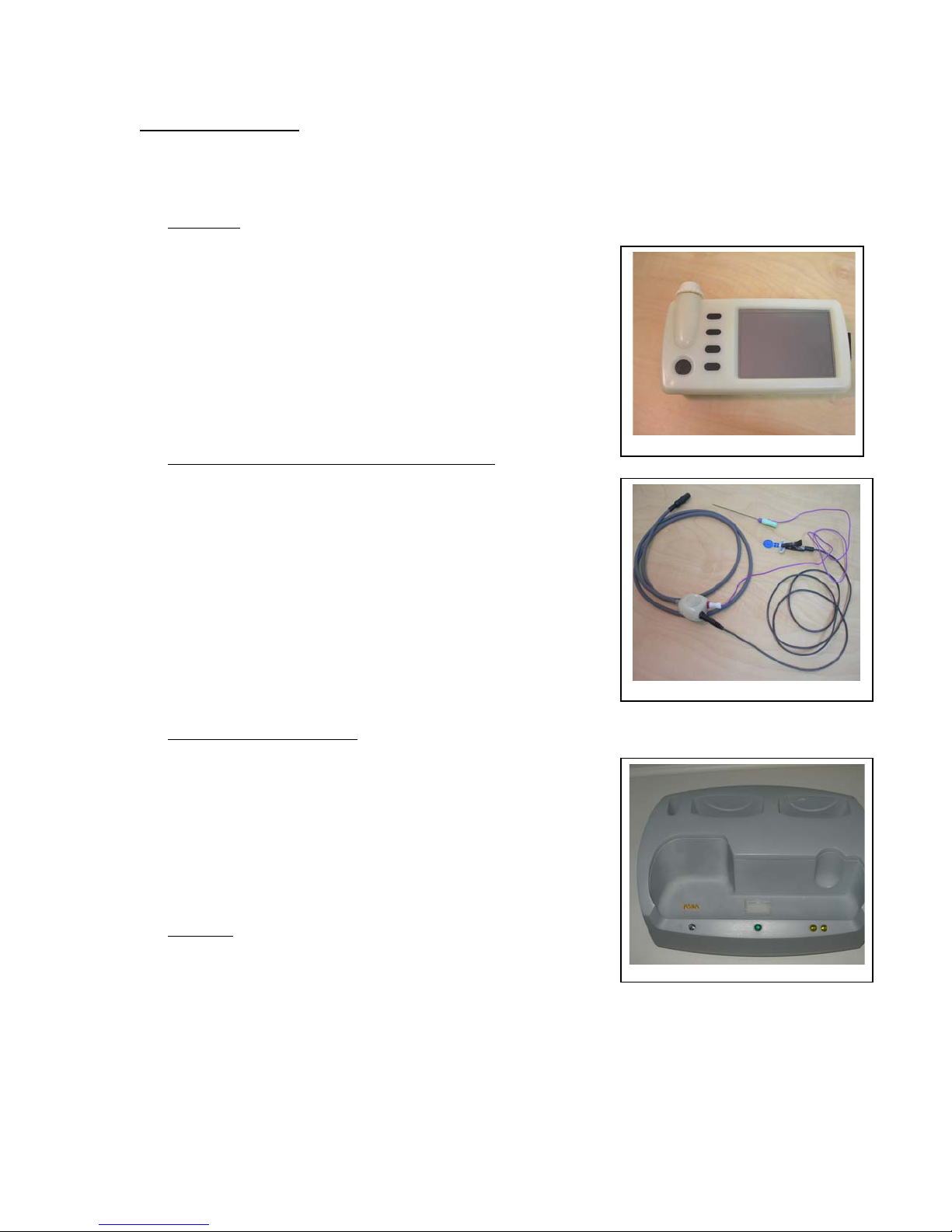
Indications for Use, Principle of Operations, ASCEND
Description
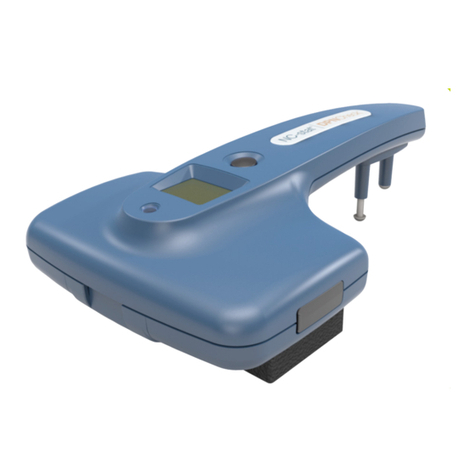
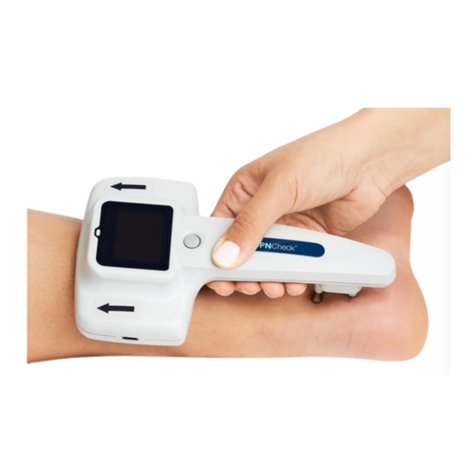
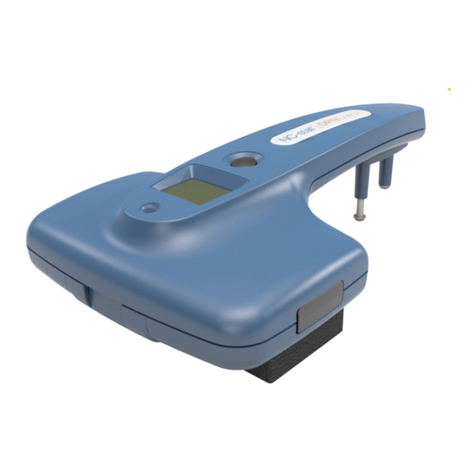
This manual is intended for users of the NeuroMetrix ASCEND Peripheral Nerve Stimulator
(“ASCEND”).
Indications For Use
NeuroMetrix ASCEND is a peripheral nerve stimulator used for localization and verification of
needle placement for perineural application of pharmacological agents.
Contraindications
Absolute and relative contraindications for using a peripheral nerve stimulator for percutaneous
nerve localization procedures using insulated hypodermic needles include:
•Refusal of regional anesthesia by the patient
•Infection at the puncture site
•Preoperatively known neurological dysfunctions
•Anatomical abnormalities
•Severe coagulation disorders
•Insufficient liver function
Nerve Stimulation: Overview
Peripheral nerve stimulation (PNS) facilitates the performance of peripheral nerve and plexus
blocks. Using nerve stimulation (NS), the physician does not need to rely on feedback from the
patient about paresthetic sensations. As a result, the danger of mechanical nerve lesions is
significantly diminished. When the stimulation needle is placed sufficiently close to the target
nerve, predefined electrical pulses evoke compound muscle action potentials (CMAP) and
consequent muscle contractions. During this procedure, direct contact of the injection needle with
the nerve is intentionally avoided.
NS is not a substitute for the anatomical knowledge required to perform regional anesthesia.
Therefore an accurate knowledge of the topography and nerve distribution area is essential.
The advantages of NS include:
•Muscle response is obtained without the user having to rely on information or
cooperation from the patient
•Reduction in probability of direct needle-nerve contact, painful paresthesias, mechanical
nerve lesions, and intraneural injections.
Nerve Stimulation: Principle of Operation
The resting potential at the nerve membrane is around 80 mV. The cell’s interior is negatively
charged compared to the surrounding medium. Sufficiently large ion movement reduces the