manuals.online logo
Brands
  1. Home
  2. •
  3. Brands
  4. •
  5. Satel
  6. •
  7. Security Sensor
  8. •
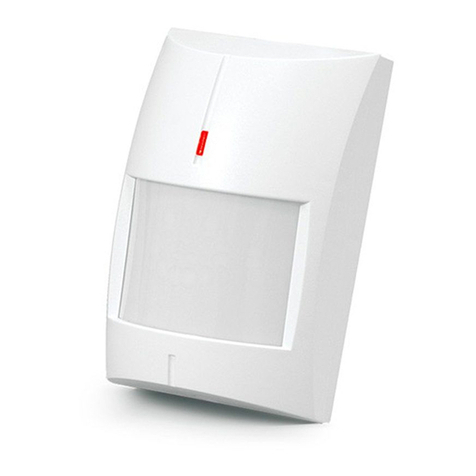
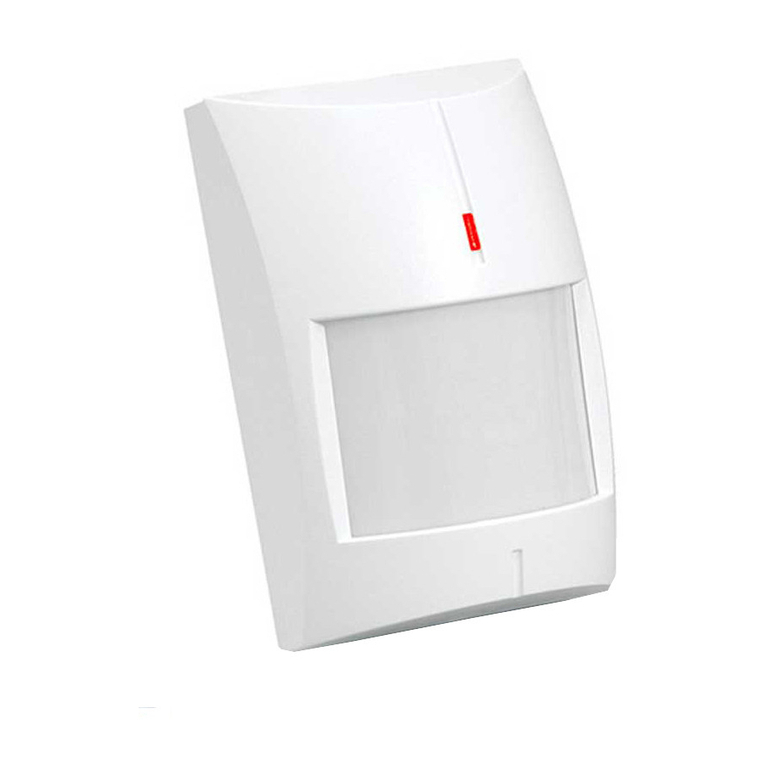
  9. Satel GRAPHITE User manual

Satel GRAPHITE User manual

Other manuals for GRAPHITE

2

Other Satel Security Sensor manuals

Satel PDB-100 User manual

Satel

Satel PDB-100 User manual

Satel DMP-100 User manual

Satel

Satel DMP-100 User manual

Satel ACTIVA-2 User manual

Satel

Satel ACTIVA-2 User manual

Satel AQUA PLUS User manual

Satel

Satel AQUA PLUS User manual

Satel AVD-100 User manual

Satel

Satel AVD-100 User manual

Satel AGD-200 User manual

Satel

Satel AGD-200 User manual

Satel MAGENTA User manual

Satel

Satel MAGENTA User manual

Satel APMD-250 User manual

Satel

Satel APMD-250 User manual

Satel AQUA RING S User manual

Satel

Satel AQUA RING S User manual

Satel AFD-100 User manual

Satel

Satel AFD-100 User manual

Satel COBALT Pro User manual

Satel

Satel COBALT Pro User manual

Satel SLIM-PIR-LUNA-PET User manual

Satel

Satel SLIM-PIR-LUNA-PET User manual

Satel AFD-100 User manual

Satel

Satel AFD-100 User manual

Satel GRAPHITE Pet User manual

Satel

Satel GRAPHITE Pet User manual

Satel OPAL Pro User manual

Satel

Satel OPAL Pro User manual

Satel abax 2 ACD-220 User manual

Satel

Satel abax 2 ACD-220 User manual

Satel AQUA RING S User manual

Satel

Satel AQUA RING S User manual

Satel INDIGO User manual

Satel

Satel INDIGO User manual

Satel COBALT Pro User manual

Satel

Satel COBALT Pro User manual

Satel XD-2L User manual

Satel

Satel XD-2L User manual

Satel COBALT User manual

Satel

Satel COBALT User manual

Satel micra MPD-310 Pet User manual

Satel

Satel micra MPD-310 Pet User manual

Satel INDIGO User manual

Satel

Satel INDIGO User manual

Satel ASD-250 User manual

Satel

Satel ASD-250 User manual

Popular Security Sensor manuals by other brands

THORLABS PDA10JT user guide

THORLABS

THORLABS PDA10JT user guide

Waeco UV-DETECT operating manual

Waeco

Waeco UV-DETECT operating manual

Intermatic IOS-DSIMF manual

Intermatic

Intermatic IOS-DSIMF manual

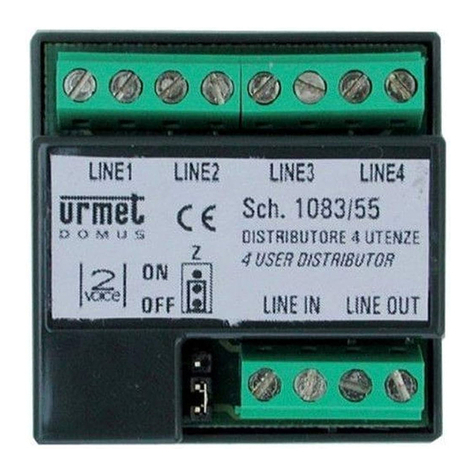
urmet domus 1083 manual

urmet domus

urmet domus 1083 manual

Siemens AZL66 Series manual

Siemens

Siemens AZL66 Series manual

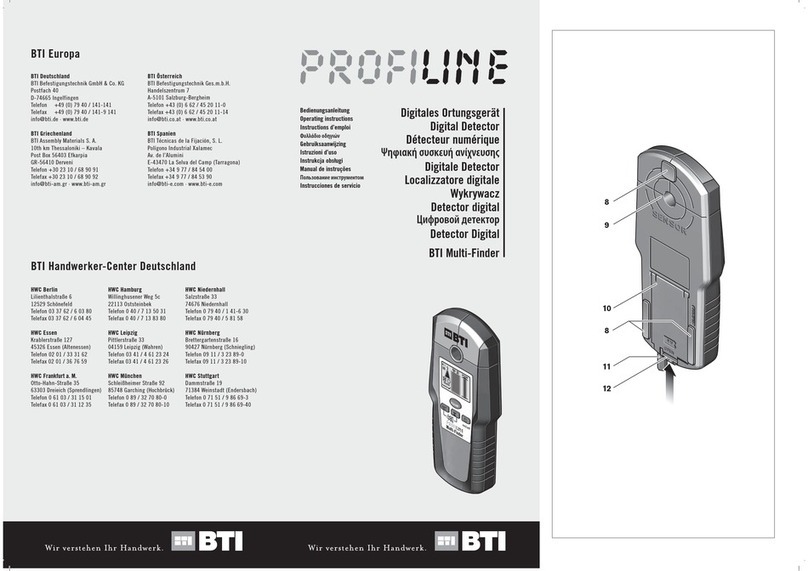
BTI Profiline Multi Finder operating instructions

BTI

BTI Profiline Multi Finder operating instructions

Challenger SL01 instruction manual

Challenger

Challenger SL01 instruction manual

DMP Electronics 1122INT installation guide

DMP Electronics

DMP Electronics 1122INT installation guide

Rielta Ladoga MK-RK installation guide

Rielta

Rielta Ladoga MK-RK installation guide

Mirion Technologies ACCURAD PRD user manual

Mirion Technologies

Mirion Technologies ACCURAD PRD user manual

Bosch DS835 installation instructions

Bosch

Bosch DS835 installation instructions

Lamptime ST05C instructions

Lamptime

Lamptime ST05C instructions

Ubiquiti MFI-MSC quick start guide

Ubiquiti

Ubiquiti MFI-MSC quick start guide

Subsite 910R Support

Subsite

Subsite 910R Support

Aleph XC-1XTEU manual

Aleph

Aleph XC-1XTEU manual

Pima LARIS QUAD installation instructions

Pima

Pima LARIS QUAD installation instructions

Solinst 301 user guide

Solinst

Solinst 301 user guide

Pyronix KX10DTP quick start guide

Pyronix

Pyronix KX10DTP quick start guide

manuals.online logo
manuals.online logoBrands
  • About & Mission
  • Contact us
  • Privacy Policy
  • Terms and Conditions

Copyright 2025 Manuals.Online. All Rights Reserved.

®
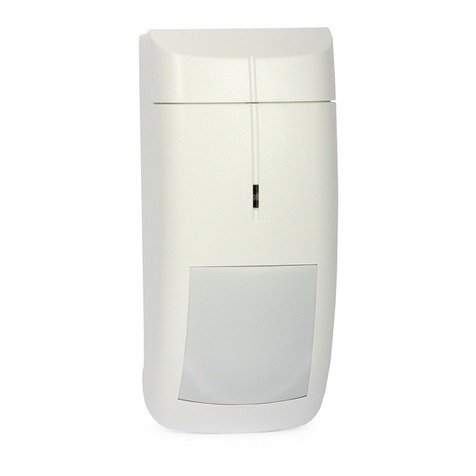
GRAPHITE
DIGITAL PASSIVE INFRARED DETECTOR
graphite_e 11/06
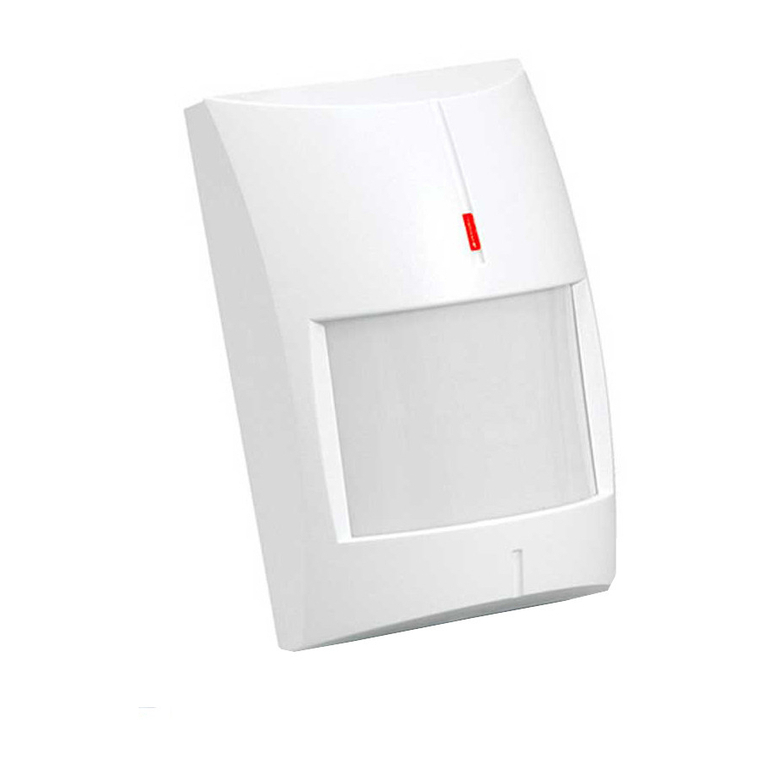
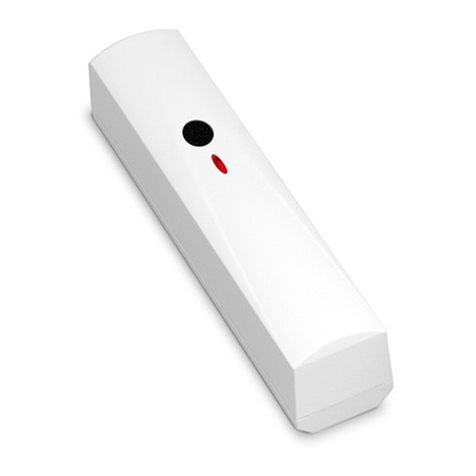
The GRAPHITE digital motion detector is characterized by high sensitivity, as well
as high immunity to interference and false alarms. The detector construction is
based on an advanced signal processor with a high resolution transducer. A dual
pyroelectric element is used in the detector. An advanced digital temperature
compensation feature enables operation within a wide range of temperatures.
Other advantages of the detector include alarm memory and remote on/off
switching of the LED indicator.
NC TMP COM 12V
NC TMP LED MEM
JP1
LED ON/OFF
SENSIT.
1
23
4
5
7
8
6
9
Figure 1. View of the detector electronics board.
Explanations for Figure 1:
1 – terminals:
NC – relay (NC).
TMP – tamper contact.
COM – common ground.
12V – power supply input.
LED – the input enables the LED indicator to be remotely switched
ON/OFF, if the jumper is removed from the LED ON/OFF pins. The
LED will signal violations, when the LED input is short-circuited to
the common ground. For control of the input, you can use the OC
type output of the control panel, programmed e.g. as SERVICE
MODE INDICATOR or BI SWITCH.
MEM – the alarm memory control input. It is required that the OC type
output of the alarm control panel, programmed as ARMED STATUS
INDICATOR be connected to the input. When the input is shorted to
the ground and the detector registers a motion, thus triggering the
alarm, the LED blinking will signal the alarm memory. The alarm
memory signaling will continue until the input is shorted to the
ground again. Cut-off of the input from the ground (disarming) will
not erase of the alarm memory.
2 – LED indicator. It lights red for approx. 2 seconds after registration of
movement by the detector and activation of the relay (opening of the NC
contacts). It allows the installer to check the detector performance and to
approximately determine the supervised area. Blinking of the LED indicates
alarm memory.
3 – LED ON/OFF pins. Setting the jumper will activate signaling by means of the
LED, irrespective of the LED input status.
4 – alarm relay.
5 – pyroelectric element.
6 – tamper contact.
7 – graduation for positioning the pyroelectric element against the lens (see
Table 1 and Figure 4).
8 – mounting screw hole.
9 – potentiometer for detector sensitivity adjustment.
For 30 seconds after power-up, the detector remains in the starting state, which
is signaled by short flashes of the LED indicator. Only after this time the detector
will enter the ready state.
The detector is monitoring power supply voltage and availability of the signal path.
In case of a voltage drop below 9V (±5%), lasting longer than 2 seconds, or
detection of a fault in the signal path, the detector will signal a trouble by activating
the alarm relay and steady lighting of the LED. The signaling continues as long as
the trouble exists.
Installation
The detector is designed for indoor installation. It can be mounted on the wall,
either directly or on the included holder (mounting on the holder is recommended
by the manufacturer).
It is advisable that you exercise particular care during installation
so as not to soil or damage the pyroelectric element.
Remember during installation that the detector should not be
directed towards heat sources or air-conditioning outlets, as well as
objects exposed to strong solar radiation.
1. Open the housing as shown in Figure 2.
Figure 2. The way to open the housing.
2. Remove the electronics board.
3. Make suitable holes for screws and cable in the rear housing panel.
4. Pass the cable through the prepared opening.
5. Secure the rear housing panel to the included holder or the wall.
Figure 3. Mounting the detector on holder.
6. Fasten the electronics board, taking into account the height at which the
detector is mounted (see Table 1 and Figure 4).
Mounting height Graduation position against housing index
above 2.4m middle graduation mark above the index
2.4m middle graduation mark aligned with the index
below 2.4m middle graduation mark below the index
Table 1. Positioning the pyroelctric element against the lens.
Note: If the detector is installed at a height above 2.4m, it is recommended that
the holder be used, and the detector be mounted in inclined position.
7. Connect the wires to corresponding terminals.
8. Using potentiometer, determine sensitivity of the detector.
9. Close the detector housing.

Figure 4. How the mounting height affects the detector supervised area and how
the pyroelectric element should be positioned against the lens to optimize the
area.
Start-up
1. Turn power supply on (the LED will start blinking, which indicates the starting
state).
2. When the detector enters the ready state (the LED stops blinking), carry out
a test for the detector range, i.e. check that a movement within the supervised
area will activate the alarm relay or cause the LED light up. During the test, the
LED ON/OFF pins must be shorted, or the LED input must be shorted to the
common ground.
3. If necessary, change the detector sensitivity.
Technical data
Nominal supply voltage (±15%) .................................................................. 12V DC
Average current consumption (±10%)............................................................ 11mA
Violation signaling time ........................................................................................ 2s
Operating temperature range.................................................................-10...+55°C
Detectable motion speed ....................................................................... up to 3 m/s
Dimensions.........................................................................................62x96x48mm
Recommended mounting height ......................................................................2.4m
SATEL sp. z o.o.
ul. Schuberta 79
80-172 Gdańsk
POLAND
tel. + 48 58 320 94 00
[email protected]
www.satel.pl
The latest EC declaration of conformity and certificates are available
for downloading on our website www.satel.pl
Figure 5. Distribution of lens beams.
Note: Effective range of the detector may differ from that shown in the drawing.