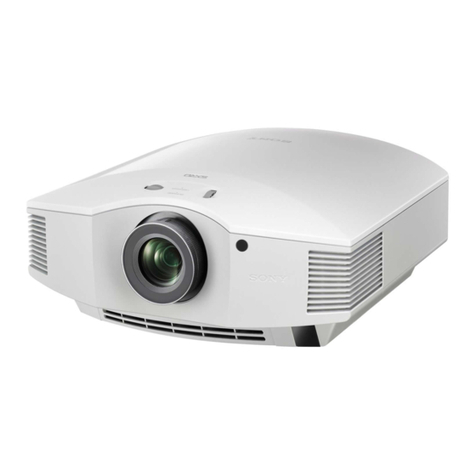
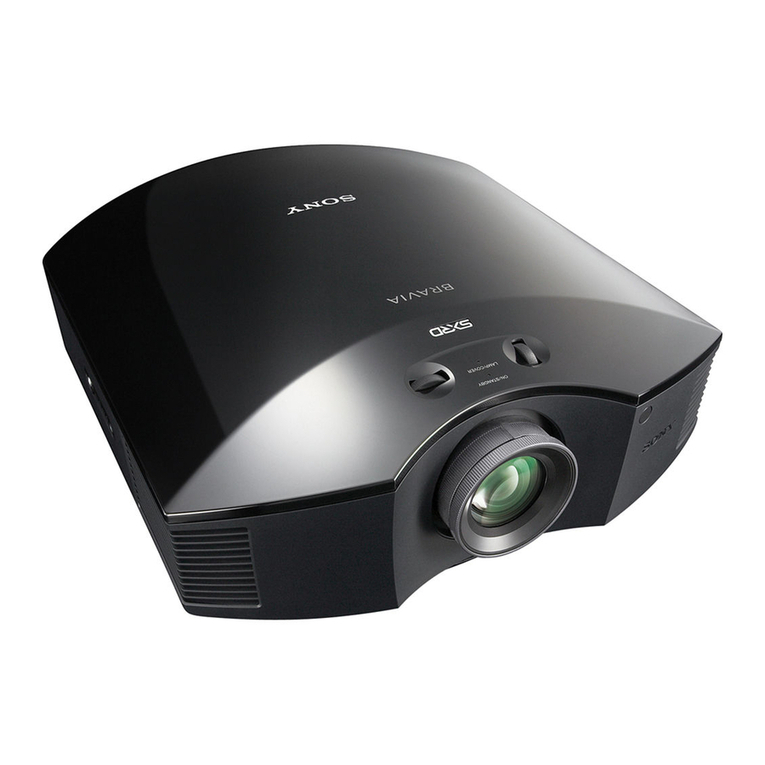
This
instruction
manual
covers
the
VPH-722Q1,
722QM,
1020Q1
and
1020QM.
The
differences
between
the
models
are
shown
below.
Operating
voltage
preadjusted
at
the
factory
Ac
power
cord
plug
CONTENTS
120V
ac
220-240V
WAltlhng
......ccsssssessssenscceestssssecccessnssnensssensesacescesonsenssasonsnssesaescncasarsannan
2
Precautions.....
we
3
F@atureS
-.....cescessersccssssceneees
3
Installatlon
pOssIDIIItlOS............-scssesseccssssesesstsssesensenesesensensoessesneaniens
4
Location
and
function
Of
CONTIOIS..........ccsscecsrercsccestsenessasencsseceeasees
6
System
Connections
........cssseeeees
ee)
Connecting
notes...
.9
Examples
Of
CONNECHIONS
...........csseecereereererensscseesseneranenssesensonsseteans
10
Position
and
registration
adjustments
...
12
Operatlon
.........sesssesccsceserserenscsenensennsenses
13
SPechFiCations.
.........--ecsessseeseesessssssecrsnsenesseerscsesaearaesesensssseecenssvennenenses
14
|
To
prevent
fire
or
shock
hazard,
do
not
ex-
pose
the
unit
to
rain
or
moisture.
CAUTION
RISK
OF
ELECTRIC
SHOCK
GO
NOT
OPEN
CAUTION
:
TO
REDUCE
THE
RISK
OF
ELECTRIC
SHOCK,
DO
NOT
REMOVE
COVER
(OR
BACK).
NO
USER-SERVICEABLE
PARTS
INSIDE.
REFER
SERVICING
TO
QUALIFIED
SERVICE
PERSONNEL.
This
symbol
is
intended
to
alert
the
uN
user
to
the
presence
of
uninsulated
“dangerous
voltage”
within
the
prod-
uct’s
enclosure
that
may
be
of
suffi-
cient
magnitude
to
constitute
a
risk
of
electric
shock
to
persons.
This
symbol
is
intended
to
alert
the
user
to
the
presence
of
important
operating
and
maintenance
(servicing)
instructions
in
the
literature
accompa-
nying
the
appliance.
VPH-1020Q1
|
VPH-1020QM
120V
ac
220-240V
Cc
ac
‘
not
not
provided
provided
provided
INFORMATION
for
the
users
of
the
VPH-72201/102001
This
equipment
generates
and
uses
radio
frequency
energy
and
it
not
installed
and
used
properly,
that
is,
in
strict
accordance
witt
the
manufacturer’s
instructions,
may
cause
interference
to
radic
and
television
reception.
It
has
been
type
tested
and
found
to
com.
_
ply
with
the
limits
for
a
Class
B
computing
device
in
accordance
with
the
specifications
in
Subpart
J
of
Part
15
of
FCC
Rules,
which
are
designed
to
provide
reasonable
protection
against
such
inter.
ference
in
a
residential
installation.
However,
there
is
no
guarantee
that
Interference
will
not
occur
In
a
particular
installation.
If
this
equipment
does
cause
interference
to
radio
or
television
reception,
which
can
be
determined
by
turning
the
equipment
off
and
on,
the
user
Is
encouraged
to
try
to
correct
the
interference
by
one
or
more
of
the
following
measures:
Reorient
the
receiving
antenna
Relocate
the
equipment
with
respect
to
the
receiver
Move
the
equipment
away
from
the
receiver
Plug
the
equipment
into
a
different
outlet
so
that
equipment
and
receiver
are
on
different
branch
circuits.
If
necessary,
the
user
should
consult
the
dealer
or
an
experienced
radioftelevision
technician
for
additional
suggestions.
The
uset
may
find
the
following
booklet
prepared
by
the
Federal
Communi-
cations
Commission
helpful:
“How
to
Identify
and
Resolve
Radio-TV
Interference
Problems”
This
booklet
is
available
from
the
U.S.
Government
Printing
Office.
.
Washington,
DC
20402,
Stock
NO.
004-000-00345-4.
The
shielded
Interface
cable
recommended
in
this
manual
must
be
used
with
this
equipment
in
order
to
comply
with
the
limits
for
¢
computing
device
pursuant
to
Subpart
J
or
Part
15
of
FCC
Rules.