manuals.online logo
Brands
  1. Home
  2. •
  3. Brands
  4. •
  5. Abus
  6. •
  7. Motorcycle Accessories
  8. •
  9. Abus Pikeur AIRLUXE User manual

Abus Pikeur AIRLUXE User manual

Other Abus Motorcycle Accessories manuals

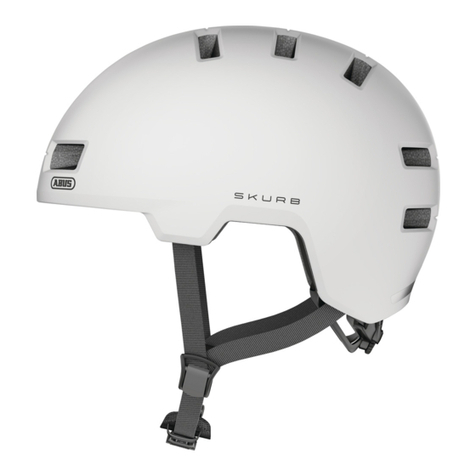
Abus SKURB User manual

Abus

Abus SKURB User manual

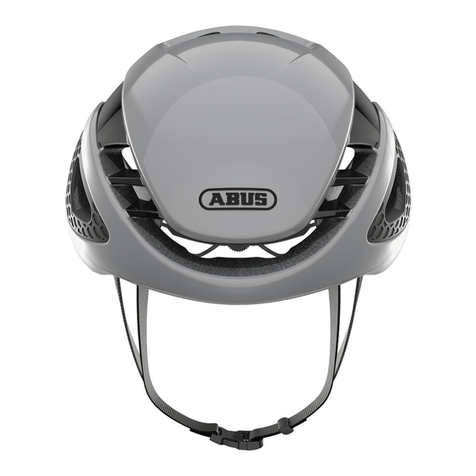
Abus GameChanger User manual

Abus

Abus GameChanger User manual

Abus PEDELEC User manual

Abus

Abus PEDELEC User manual

Abus SMILEY 3.0 User manual

Abus

Abus SMILEY 3.0 User manual

Abus AVENTOR QUIN User manual

Abus

Abus AVENTOR QUIN User manual

Abus Yadd I User manual

Abus

Abus Yadd I User manual

Abus Mount K User manual

Abus

Abus Mount K User manual

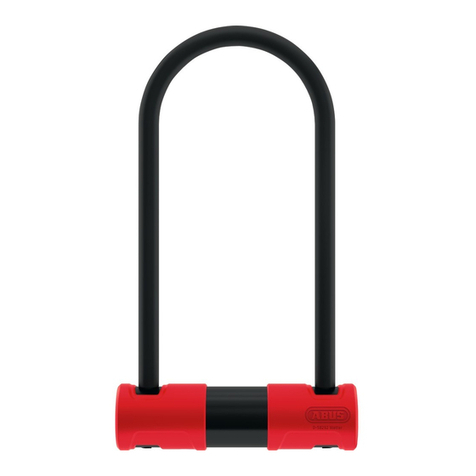
Abus 440A User manual

Abus

Abus 440A User manual

Abus 8078 Manual

Abus

Abus 8078 Manual

Popular Motorcycle Accessories manuals by other brands

SRC H-ADV150-04-01AL quick start guide

SRC

SRC H-ADV150-04-01AL quick start guide

DMD P1 owner's manual

DMD

DMD P1 owner's manual

GIVI Airflow AF1110 manual

GIVI

GIVI Airflow AF1110 manual

Suzuki 99143-00A1 000 Series installation instructions

Suzuki

Suzuki 99143-00A1 000 Series installation instructions

Cardo Systems FREECOM 4+ Pocket guide

Cardo Systems

Cardo Systems FREECOM 4+ Pocket guide

Shark S 700 user manual

Shark

Shark S 700 user manual

R&G CR0081 Fitting instructions

R&G

R&G CR0081 Fitting instructions

SRC B-TRK502-01-01-SL quick start guide

SRC

SRC B-TRK502-01-01-SL quick start guide

hepco & becker 6307520 00 01 manual

hepco & becker

hepco & becker 6307520 00 01 manual

HOMCOM AA0-077 user manual

HOMCOM

HOMCOM AA0-077 user manual

hepco & becker 6307558 00 01 manual

hepco & becker

hepco & becker 6307558 00 01 manual

SHOEI JO Instructions for use

SHOEI

SHOEI JO Instructions for use

Wunderkind Custom 106503-F15 Installation and safety

Wunderkind Custom

Wunderkind Custom 106503-F15 Installation and safety

Suzuki 57100-05881 installation instructions

Suzuki

Suzuki 57100-05881 installation instructions

SIKH HELMETS Y-61 quick start guide

SIKH HELMETS

SIKH HELMETS Y-61 quick start guide

Dräger HPS 3500 Instructions for use

Dräger

Dräger HPS 3500 Instructions for use

M-WAVE SKI manual

M-WAVE

M-WAVE SKI manual

Kuryakyn 6212 installation instructions

Kuryakyn

Kuryakyn 6212 installation instructions

manuals.online logo
manuals.online logoBrands
  • About & Mission
  • Contact us
  • Privacy Policy
  • Terms and Conditions

Copyright 2025 Manuals.Online. All Rights Reserved.

Bruksanvisning 30 - 32
Bruksanvisning
Brugsanvising
Gebruiksaanwijzing
Istruzioni per l'uso
33 - 35
Käyttöohje 36 - 38
Instrucja użytkowania
Kasutusjuhend
Mode d‘emploi
4 - 6Instruction manual
15 - 17
Instrucciones de uso
39 - 41
Návod k použití
Használati utasítás
1 - 3Gebrauchsanleitung
18 - 20
Instruções de utilização
42 - 44
Návod na použitie
EN 1384:2017 + VG1 01.040 (2014-12)
Höhenverstellbares Verstellsystem | Height-adjustable t system
Système de réglage en hauteur | In hoogte verstelbaar stelmechanisme
Sistema de ajuste de altura regulable | Sistema ajustável em altura
Sistema di regolazione dell‘altezza | Højdejusterbart indstillingssystem
Höjningsjusterbart justeringssystem | Høydejusterbart justeringssystem
Korkeussäädettävä säätöjärjestelmä | System regulacji wysokości
Výškově nastavitelný seřizovací systém | Systém nastavenia výšky
Állítható magasságú állítórendszer | Reguleeritava kõrgusega
reguleerimissüsteem | Система за регулиране на височината
Sustav za podešavanje podesive visine | Σύστημα ρύθμισης ύψους
Córas coigeartaithe airde | Augstuma regulēšanas sistēma | Reguliuojamo
aukščio nustatymo sistema | Sistema għall-aġġustament tal-għoli
aġġustabbli | Sistem de reglare a înălţimii | Sistem za nastavitev višine
21
Instruction manual
54 - 56
Инструкции за употреба
60 - 62Upute za upotrebu
57 - 59
Οδηγίες χρήσης
63 - 65Lámhleabhar treoracha
69 - 71Lietošanas instrukcija
66 - 68Naudojimo instrukcija
72 - 74Struzzjonijiet tat-tħaddim
75 - 77Instrucţiuni de utilizare
78 - 80Navodila za uporabo
7 - 12
12 - 14
21 - 23
24 - 26
27 - 29
45 - 47
48 - 50
51 - 53
IE
MT
21
SEI CERTIFIED MODEL
ASTM F1163-15
©ABUS
August Bremicker Söhne KG
Altenhofer Weg 25
D 58300 Wetter
E-Mail:[email protected]
Tel: +49 2335 - 634 0
Fax: +49 2335 - 634 300
www.abus.com
ABUS Mobile Security, Inc.
1765 N. Elston Avenue - Suite 204
Chicago, IL 60642
Phone: 312-640-1111
www.abus.com
UK-Importer:
ABUS (UK) Ltd.
Unit 8 Third Way Corner,
Avonmouth
Bristol BS11 9HL, UK
Tel.: +44 117 204 70 00
[email protected]m
INSTRUCTION MANUAL
AIRLUXE
1 2
C
B
A
Wir beglückwünschen Sie zum Kauf eines Qualitäts-Reithelmes des Sicherheits-
spezialisten ABUS, der streng nach den aktuell gültigen Sicherheitsnormen hergestellt
und zertiziert wurde.
• Lesen Sie diese Sicherheitshinweise durch und befolgen Sie diese. Das Nichtbeachten
kann zu Personen- und Sachschäden führen!
• Verpackungsmaterial von Kindern fernhalten: Erstickungsgefahr!
• Hiermit erklärt ABUS August Bremicker Söhne KG, dass dieser Helm eine persönliche
Schutzausrüstung (PSA) der Kategorie II ist und der Verordnung EU 2016/425 entspricht.
Der vollständige Text der EU-Konformitätserklärung ist unter der folgenden Internet-
adresse verfügbar: docs.abus.com
• Dieser Helm entspricht der EN 1384:2017 + VG1 01.040 (2014-12) – Norm für Reithelme.
• Dieser Helm wurde von Telefication B.V., Wilmersdorf 50, 7327 AC Apeldoorn,
The Netherlands zertiziert. Notied Body No. 0560.
• Das SEI-Logo bedeutet, dass dieser Helm unter der Kontrolle des Safety Equipment
Institute (USA) hergestellt wurde (ASTM F 1163-15).
Achtung: Auch nach Richtlinien und Normen geprüe Helme bieten keine Garantie
für Unzerstörbarkeit und für den Ausschluss von Verletzungen oder Todesfällen.
Der Helm ist dafür ausgelegt, dass er bei einem Schlag einen Teil der einwirkenden Kra
durch die teilweise Zerstörung der Helmschale oder der Schutzpolsterung oder von bei-
den gedämp wird. Er wurde konzipiert, um die Wahrscheinlichkeit von Verletzungen zu
reduzieren. Obwohl Helme die Wahrscheinlichkeit von Verletzungen reduzieren, können
diese unter bestimmten Umständen nicht verhindert werden. Insbesondere sind Helme
nicht dafür ausgelegt, den Kopf im Falle einer Quetschung durch ein Pferd zu schützen.
Für höchsten Schutz sind folgende Hinweise dringend zu beachten:
1. Verwendung
Dieser Helm wurde ausschließlich für den Reitsport entwickelt und ist als wichtiger Be-
standteil der Schutzausrüstungen ausschließlich bei folgenden Aktivitäten zu empfehlen
(Abb. A).
Für folgende Aktivitäten ist dieser Helm nicht geeignet (Abb. B).
Achtung: Kinder müssen ihren Schutzhelm vor Betreten eines Kinderspielplatzes unbe-
dingt abnehmen! Dieser Helm sollte nicht von Kindern beim Klettern oder anderen
Aktivitäten verwendet werden, wenn ein Risiko besteht, sich zu strangulieren/hängen
zu bleiben, falls sich das Kind mit dem Helm verfängt.
2. Optimaler Sitz
• Der Helm sollte nicht zu weit in die Stirn gezogen werden, damit die Sicht nicht
beeinträchtigt wird.
• Die Stirn muss geschützt sein. Deshalb sollte der Helm nicht zu weit über den Hinterkopf
geschoben werden.
• Der Helm ist richtig angepasst, wenn er waagerecht auf dem Kopf sitzt.
Die Voraussetzung dafür, dass Ihr Helm eine Schutzfunktion übernehmen kann ist, dass er
richtig passt. Probieren Sie deshalb verschiedene Größen aus und wählen die, bei der der
Helm fest und komfortabel auf dem Kopf sitzt (Abb. C). Wählen Sie bei Kindern niemals
einen zu großen Helm mit dem Gedanken, dass sie „hineinwachsen“ werden.
3. Einstellung des Kopfrings
ABUS-Schutzhelme sind meistens in zwei Schalengrößen
erhältlich. Die Anpassung des Helmes auf die individuelle
Kopfgröße kann, je nach Typ, z.B. mit folgenden, sehr
komfortablen Einstellsystemen vorgenommen werden.
Helme können sich während des Reitens auf dem Kopf
bewegen. Um sicherzustellen, dass der Helm während des
Reitens in seiner Position bleibt, muss das Rückhalte-
system so eingestellt sein, dass die Bewegung des Helms
auf dem Kopf minimal ist, sowohl für die Bewegung von
vorne nach hinten als auch von Seite zu Seite.
Das Verstellsystem vor der Lagerung in Ausgangsposition
schieben, damit kein Druck, der eine Schädigung
verursachen könnte, auf dem Verstellsystem lastet.
4. Einstellen der Gurtbänder
Grundsätzlich sind die Gurtbänder beim ersten Tragen anzupassen, dass sie stra und be-
quem unterhalb der Ohren zusammenlaufen, ohne diese zu berühren. Dabei helfen Ihnen
die bequem bedienbaren beidseitigen Gurtverteiler, mit optionaler Fixiereinheit (Abb. 1).
Diese muss vor der ersten Benutzung nach dem Justieren der Riemen mit einem hörbaren
Klick gegen unbeabsichtigtes Verstellen (Kindersicherung) fest verriegelt werden und ein-
rasten. Beim Justieren des Kinnverschlusses, der vor dem Reiten auf jeden Fall geschlossen
werden muss, ist zu beachten, dass er nicht in Höhe des Kieferknochens sitzt. (Abb.2 – 5)
Nach dem Einstellen können die überstehenden Gurtbänder mit dem Gurthalter gesichert
werden.
Falls die Gurtbänder zu lang sind, besteht die Möglichkeit, die Enden individuell abzulän-
gen und mit einer Streichholzamme gegen Ausfransen zu versiegeln.
5. Sachgemäße Handhabung und Pege
• Vor jedem Gebrauch muss der Helm und dessen Beriemung geprü werden.
• In regelmäßigen Abständen sollte der Helm auf sichtbare Mängel überprüft werden.
• Bitte den Helm niemals verändern oder Originalteile entfernen, weil dies die Schutzwir-
kung des Helmes vermindert.
• Den Helm nicht bemalen und bekleben, weil schädigende Inhaltsstoe die Stabilität und
Schutzwirkung herabsetzen könnten.
• Helm niemals umgestalten, verändern oder zweckentfremden.
• Jegliche Nichtbeachtung der Gebrauchshinweise, sowie Veränderungen, und unsach-
gemäße Benutzung des Helms können zum Haftungsausschluss führen.
• Helm kühl, trocken und geschützt lagern. Um den Helm vor Beschädigungen zu
schützen, den Helm in der Originalverpackung oder vergleichbarem transportieren.
• Der Helm darf keinesfalls Temperaturen über 60°C (147°F) ausgesetzt werden, weil er
sonst schützende Eigenschaen verlieren könnte.
• Nicht hinter Glasscheiben, z.B. im Auto (Brennglaseekt), oder in der Nähe von
Heiz- oder Wärmequellen auewahren.
2
1
2
1
1.
5.
3.
2.
4.
6.
3 4
• Ist der Helm einem Stoß oder Aufschlag ausgesetzt worden, muss er sofort ersetzt
werden, weil auch ohne sichtbare Hinweise die Schutzwirkung stark beeinträchtigt sein
kann.
• Angesichts der nicht vermeidbaren Materialermüdung muss der Helm spätestens 8 Jahre
nach Produktionsdatum auch dann ausgetauscht werden, wenn dieser keine oensicht-
lichen optischen oder technischen Mängel aufweist. In Abhängigkeit vom Nutzungsgrad
und den konkreten Einsatzbedingungen muss ein Helm ggf. schon eher ausgetauscht
werden.
• Helmschale, Verstellring und herausnehmbare Innenpolster können von Hand (lauwar-
mes Wasser, weiche Tücher, lösungsmittelfreier Reiniger) gereinigt werden. Dies gilt auch
für Sonnenschutzschirme.
• Verwenden Sie ausschließlich Original Ersatzteile.
• Die im Produkt verwendeten Materialien verursachen keine Hauterkrankungen und
sind nicht gesundheitsgefährdend für den Benutzer. Wenn der Benutzer während der
Verwendung des Helms eine Reaktion feststellt, sollte der Helm nicht mehr verwendet
werden.
Entsorgung
Entsorgen Sie das Produkt am Ende seiner Lebensdauer gemäß den geltenden gesetzlichen
Bestimmungen. Bitte wenden Sie sich bei Rückfragen an die für die Entsorgung zuständi-
ge kommunale Behörde. Entsorgen Sie die Verpackung sortenrein. Geben Sie Pappe und
Karton zum Altpapier, Folien und Kunststoteile in die Wertsto-Sammlung.
Congratulations! You are now the owner of a top quality ABUS horse riding helmet. This
helmet has been produced under strict conditions and is certied according to the
following standards:
• Please read and follow these safety instructions. Non-observance of these instructions
could lead to injury to persons and/or device damage!
• Keep packaging material away from children: Danger of suffocation!
• ABUS August Bremicker Söhne KG hereby declares that this helmet is Category II personal
protective equipment (PPE), and complies with Regulation (EU) 2016/425. The full EU
Declaration of Conformity can be found online at: docs.abus.com
• UK Declaration of Conformity: Hereby, ABUS August Bremicker Söhne KG declares that
the personal protective equipment (PPE) helmet is in compliance with the Regulation
2016/425 on personal protective equipment as brought into UK law. The full text of the UK
declaration of conformity is available at the following internet address: docs.abus.com
• This helmet conforms to the EN 1384:2017 + VG 1 01.040 (2014-12) norm for equestrian
riding helmets.
• This helmet has been certified by Telefication B.V., Wilmersdorf 50, 7327 AC Apeldoorn,
The Netherlands. Notified Body No. 0560.
• The SEI logo signies that this helmet has been manufactured under the control of the
Safety Equipment Institute, USA (ASTM F 1163-15).
Attention: Please note that no helmet is indestructible and will not prevent all head
injuries or deaths.
The helmet is designed to absorb a portion of the applied force in the event of an
impact by partially destroying the helmet shell or protective padding, or both. It is desi-
gned to reduce the likelihood of injury. Whilst helmets reduce the likehood of injury, in
certain circumstances injury cannot prevented. In particular, helmets are not desgined
to protect the head in the event of crushing by a horse.
For the best possible protection, please observe the following guidelines:
1. Usage
This helmet is designed exclusively for equestrian sports, recommended as protective
equipment for the following activities (g. A).
It is not suitable for the following activities (g. B).
Attention: Please note that it is necessary for children to remove their helmets before
entering playgrounds. This helmet should not be used by children while climbing or
doing other activities when there is a risk of strangulation/hanging if the child gets
trapped with the helmet.
2. Optimum fit
• Do not pull the helmet over your forehead, reducing visibility.
• Do not push the helmet towards the back of your head, as this will not protect your
forehead.
• Please try various sizes for comfort and security, ensuring that the helmet sits
horizontally on your head.
The helmet can only protect your head if it ts correctly (g. C). Never select a helmet that
is too large for children on the basis that they will „grow into“ it.
5 6
3. Adjustment of the head ring
Almost all ABUS helmets are available in 2 sizes.
Adjusting the helmet to the individual head size
can be achieved, depending on the type, with the
following easy to use tting systems. In order to
ensure that the helmet remains in position during
riding, adjust the retention system to ensure that the
movement of the helmet on the head is minimal,
both for front-to-rear and side-to-side movement.
Push the adjustment system into its initial position
before storing it so that no pressure that could cause
damage is applied to the adjustment system.
4. Adjustment of the straps
When wearing the helmet for the rst time, please adjust the straps so that they meet taut-
ly and comfortably beneath the ears. The easily adjustable triangular locks on both sides,
with their optional fastener (g. 1) help you in doing so.
The child proof lock must be engaged properly, before rst use, with an audible “click” to
prevent accidental displacement. Make sure the chin-guard, which must be locked before
every ride, doesn’t lie on the jaw-bone (g. 2 – 5).
Aer adjustment, the overlapping straps can be secured with the strap clip.
Should the straps be too long, please cut them down to the required length and seal the
ends with a match ame to prevent fraying.
5. Proper maintenance and care
• Before each use, the helmet and its strapping must be checked.
• Regularly check the helmet for signs of damage.
• Do not alter the specication of this helmet as it will reduce its protective eect.
• Do not apply stickers or paint to the helmet as this can be damaging to the materials.
• Do not remodel, modify or misuse the helmet.
• Any non-observance of the instructions for use, as well as modications, and improper
use of the helmet may lead to exclusion of liability.
• Store the helmet in a cool, dry and protected place. To protect the helmet from damage,
transport the helmet in its original packaging or equivalent.
• Do not expose the helmet to temperatures in excess of 60˚C (147°F).
• Do not store behind glass, e.g. in a car (burning glass eect), near heaters etc.
• If you suspect that the helmet has received a large impact, even if there is no visible
damage, please purchase a new helmet.
• In view of the unavoidable material fatigue, the helmet must be replaced at most 8 years
aer its production date even if it displays no clear visible or technical defects.
Depending on the degree of use and the specic conditions of use, a helmet may have to
be replaced even earlier.
• The helmet, inner pads and head ring can be cleaned using lukewarm water,
solvent-free detergents and a so cloth.
• Only use original spare parts.
• The materials used in the product do not cause skin disorders or are hazardous for the
users health. If the user experiences any reaction during use of the helmet, use of it
should be discontinued.
Disposal
At the end of its service life, dispose of the product in accordance with the applicable
legal requirements. Please contact the local authority responsible for disposal if you have
any queries. Dispose of the packaging according to type. Separate the cardboard, foil and
plastic elements for recycling.
2
1
2
1
7 8
THIS MANUAL IS SUBJECT IN ALL RESPECTS TO THE ABUS USA, LLC STANDARD TERMS AND CONDI-
TIONS, WHICH ARE AVAILABLE AT https://www.abus.com/us/Resources/Brochures-Catalogs/
Product-Catalog (“TERMS”). YOUR USE OF THIS PRODUCT CONSTITUTES YOUR BINDING AND
ENFORCEABLE AGREEMENT TO THE TERMS AND THIS MANUAL. IF YOU DO NOT AGREE, THEN YOU
HSOULD NOT USE THE PRODUCT. AMONG OTHER THINGS, THE TERMS INCLUDE PROVISIONS RELATED
TO WARRANTY TERMS, LIMITATION OF LIABILITY, INDEMNITY, AND REQUIREMENT TO SUBMIT DISPU-
TES TO BINDING ARBITRATION. PLEASE READ THE TERMS CAREFULLY.
This manual and the sticker inside your helmet contain instructions and warnings about
your helmet. Carefully read and follow these instructions. Incorrect use or maintenance of
your helmet could void your warranty and, most importantly, could result in serious injury
or death. If you are a parent or guardian and this helmet is for your child, you are respon-
sible for your child using the helmet in accordance with this manual. Please take the time
to read this manual and make sure that your child uses the helmet in accordance with
these instructions and warnings. In case of emergency or injury, call 911 immediately.
The SEI logo signifies that this helmet has been manufactured under the control of the
Safety Equipment Institute (USA), in accordance with American Society for Testing and
Materials (ASTM) standards (ASTM F 1163-15).
• Please read and follow these safety instructions. Non-observance of these instructions
could lead to injury to persons and/or device damage!
• Keep packaging material away from children: Danger of suffocation!
WARNING
Please note that no helmet is indestructible, and no helmet will prevent all head injuries
or deaths. No helmet can protect against all possible impacts, and serious injury or death
can occur even while wearing a helmet. The helmet is designed to absorb a portion of the
applied force in the event of an impact by partially destroying the helmet shell or protecti-
ve padding, or both. It is designed to reduce the likelihood of injury. While helmets reduce
the likelihood of injury, in certain circumstances injury cannot prevented. In particular,
helmets are not designed to protect the head in the event that a horse is out of control and
walks on top of its rider.
To improve protection, please observe the following guidelines:
1. Intended usage
This helmet is intended solely for equestrian sports. However, even these activities are
inherently dangerous. While no helmet can guarantee your safety, wearing a helmet,
taking lessons, riding responsibly and within your skill level and abilities, as well as riding
at lower speeds, can help reduce the risk of series head injuries resulting from equestrian
sports. This helmet is not intended for motorsport, moped or similar activities, and doing
so shall void the warranty.
WARNING
Please note that it is necessary for children to remove their helmets aer riding, including
removing helmets before entering playgrounds or while climbing trees, walls, or other
structures. This helmet should not be used by children while climbing or doing other
activities when there is a risk of strangulation/hanging. This product is not a toy. It is sports
equipment and is designed and intended for equestrian sports (See Figure A on page 7).
2. Optimum fit
WARNING
Your helmet is intended to reduce the harmful effects of a blow to the head from certain
directions. Accordingly, the helmet must fit properly, be worn properly and be taken care of
properly. For the intended protection, the helmet must be fitted and attached properly to
the wearer’s head in accordance with the manufacturer’s fitting instructions found below.
The helmet will only provide the intended protection if it fits correctly and sits horizontally
on your head. If the helmet slips, then the helmet is the wrong size and should not be
worn. See Figure C:
• Make sure you wear the right size, including fitting the helmet with the hairstyle that
will be worn during riding, for optimum comfort and the intended protection.
• Start by positioning the helmet on your head so that the front is level with the back and
parallel to the ground.
C
B
A
Congratulations! You are now the owner of a top quality ABUS horseback riding helmet.
Please read this manual before riding with your new helmet.
910
• Do not pull the helmet over your forehead as this can hinder your sight and thus reduces
protection.
• Do not push the helmet towards the back of your head as this leaves your forehead
unprotected.
• Adjust the helmet by using the head ring and straps described below.
• Check the adjustment before every ride.
• Please try various sizes for comfort and security, ensuring that the helmet sits
horizontally on your head. The front rim should t approximately an inch above the
rider’s eyebrows, and the back of the helmet should not touch the rider’s neck.
WARNING The helmet can only protect your head if it ts correctly, as displayed in Figure C.
Never select a helmet that is too large for a child on the basis that they will “grow into it”.
If aer adjustment the helmet does not t properly, do not use the helmet.
3. Adjustment of the head ring
Almost all ABUS helmets are available in 2 sizes.
Both sizes of the ABUS Horseback Riding Helmet can be
adjusted to the individual head size, depending on the
type, with the following head ring tting systems.
The head ring tightens or loosens the helmet around
your head to help ensure the helmet is in place while
riding. Figure D illustrates how the head ring can be
adjusted for each rider. In order to ensure that the
helmet remains in position while riding, adjust the
retention system until movement on the helmet on
the head is minimal, both for front-to-rear and
side-to-side movement. To test out whether the helmet
is on your head tightly enough, you can gently nod your
head back and forth. If the helmet falls over your forehead
or onto your neck, it should be readjusted to a tighter t.
4. Adjustment of the straps
The helmet is designed to be retained by straps under the lower jaw. See illustration 2.
When wearing the helmet for the rst time, please adjust the straps so that they meet
tightly and comfortably beneath the ears. Adjust the straps by opening the triangular lock
and then locking it again when you have found the right position. The easily adjustable
triangular locks (Figure 1) on both sides, with their optional fastener (Figure 1) help you in
doing so.
The lock on the chin strap is intended to be resistant to opening by a child and must be
secured properly before every ride. Listen for the “click” to know it is properly fastened
and to prevent accidental displacement. Make sure the chin-guard, which must be locked
before every ride, doesn’t lie on the jaw-bone (Figures 3-5).
Aer adjustment, the overlapping straps can be secured with the strap clip (Figure 6).
Should the straps be too long, please cut them down to the required length and seal the
ends with a match ame to prevent fraying. If you choose to cut the excess strap on the
chinstrap, leave a protrusion of approx. 2 inches or 4 cm above the lock. Have an adult heat
the cut ends carefully with a match or lighter to prevent the webbing from unravelling. Be
careful with high heat near the helmet because the strap and helmet are ammable. Do
not allow the webbing to catch re. Avoid contact with melted nylon.
5. Proper maintenance and care
• Before each use, the helmet (including its t and condition) must be checked.
• Regularly check the helmet for signs of damage.
• Do not alter the specication of this helmet as it will reduce its protective eect.
• Do not modify or use the helmet for any purpose other than as intended.
• Do not apply stickers or paint to the helmet as this can be damaging to the materials.
• Do not remodel, modify or misuse the helmet.
• Any non-observance of the instructions for use, as well as modications, and improper
use of the helmet may lead to exclusion of liability.
• Store the helmet in a cool, dry and protected place. To protect the helmet from damage,
transport the helmet in its original packaging or equivalent.
• Do not expose the helmet to temperatures exceeding 60˚C (147°F).
• Do not store behind glass, for example in a car (risk of melting) or near heaters, etc.
• If you suspect that the helmet has received a large impact, even if there is no visible
damage, please purchase a new helmet.
• In view of the unavoidable material fatigue, the helmet must be replaced at most 8 years
aer its production date even if it displays no clear visible or technical defects. Depen-
ding on the degree of use and the specic conditions of use, a helmet may have to be
replaced even earlier.
• The helmet, inner pads and head ring can be cleaned using lukewarm water,
solvent-free detergents and a so cloth.
• Only use original spare parts.
• If the user experiences any reaction of any kind during use of the helmet, use of it should
be discontinued immediately.
• Do not place any objects in the ventilation holes, nor in the inside or the notch for the
ABUS Quin sensor.
6. Disposal
At the end of its service life, dispose of the product in accordance with the applicable legal
requirements. Please contact the local authority responsible for disposal if you have any
queries. You may be able to obtain information on collection points, for example, from
your local municipal or city administration, your local waste disposal company or your
specialist dealer. Dispose of the packaging according to type. Separate the cardboard, foil
and plastic elements for recycling, if recycling of such materials is available where you
open the product. Dispose of the packaging according to type. Separate the cardboard,
foil and plastic elements for recycling, if recycling of such materials is available where you
open the product.
7. Safety Information
WARNINGS
• Activities involving horses are inherently dangerous and accidents causing death, serious
health problems and material damage can always happen. You are responsible for your
own actions, decisions and safety.
• No helmet system can protect you from serious brain and/or neck injuries, including
paralysis or death. To completely avoid these risks, you should not engage with horses.
• In the event of an impact or blow, do not use this helmet. The helmet is designed to ab-
sorb shock by partial destruction of the shell and liner. There may be damage to the hel-
met that is not visible to the user and the helmet may be no longer adequate to protect
2
1
2
1
11 12
the head against further impacts. In the event of an impact or blow, even if there is no
visible damage, the helmet should be replaced with a new one and the old one destroyed.
• The helmet can be damaged by contact with common substances (for example, certain
solvents (like ammonia), cleaners, bleach, paints, petroleum products or abrasives), and
this damage may not be visible to the user. Do not use this helmet if it has been exposed
to such substances.
• Horses are inherently unpredictable and can act in a sudden and dangerous way,
especially when frightened or hurt. Always remember, that you are riding an animal that
has its own reactions to its surroundings, even if the horse is well trained. Always stay
alert and be prepared to respond quickly.
• Riding helmets should be treated with care and not exposed to extreme heat.
• Horseback riding helmets that meet proper safety standards are necessary, not only whi-
le riding, but during any activity involving horses (including walking or feeding horses).
• Always stay focused and alert during your activity with horses, even if you are not riding.
Do not ride a horse when you are tired, taking medications, or under the inuence of
alcohol.
• Smoking, lming, smartphone use, or any other distraction of any kind while riding or
engaging with horses may lead to serious injury and should always be refrained from
while riding or engaging in close proximity with horses.
• Horses should only be handled or ridden by competent and responsible persons or
by persons under the direct and visual control of a competent and responsible adult
person. Amateurs should ride on open, at terrain or in monitored riding arenas.
Jumps and stunts require a higher level of riding skill and should not be attempted by
beginners. Do not attempt jumps or stunts without adult supervision. When trail riding,
do not go o trail and heed all warning signs.
• Horses can kill or severely injure you by kicking. For this reason, you should never stand
or walk behind a horse.
• Parts of the helmet can become detached through misuse. Detached parts can be swal-
lowed by riders and may lead to suocation.
• The riding helmet must not be used outside its intended function. You should not sit on
it, stand on it or use it as a means of transportation.
• Attaching foreign objects such as cameras or lamps to the helmet signicantly reduces
the protection provided by the helmet and can lead to dangerous rider distractions, and
as such ABUS strongly recommends against attaching any objects to the helmet.
• The vizor of the helmet is hard and narrow, if the helmet falls on objects or parts of the
body, the vizor may cause injury or damage.
• If the helmet is broken, do not repair the helmet yourself.
• The riding helmet is not bulletproof.
• When dropped from signicant heights, the helmet may cause serious or even fatal
injury or signicant damage, and as such all users should refrain from dropping the
helmet any height onto a person or object.
Important: Riding helmets must be replaced aer an accident, regardless of the severity
of such accident. Even if no external damage is visible, the helmet may have ne hairline
cracks - these reduce the protective eect considerably during the next fall.
• For the same reason you should not buy a used helmet because there is a risk that
damage will not be detected.
ABUS recommends that a helmet should be replaced aer 5 years in use and 8 years up
from production.
WARNING: CALIFORNIA PROPOSITION 65 WARNING. This product contains chemicals known to
the State of California to cause cancer and birth defect or other reproduction harm -
www.P65Warnings.ca.gov
Félicitations pour votre achat d‘un casque d‘équitation de qualité du spécialiste de la
sécurité ABUS, fabriqué et certié strictement selon les normes de sécurité en vigueur.
• Lisez et suivez ces consignes de sécurité. Leur non-respect peut conduire à un incendie
et/ou des dommages matériels et corporels !
• Gardez le matériel d‘emballage hors de portée des enfants : Risque d’asphyxie !
• ABUS August Bremicker Söhne KG déclare par la présente que ce casque est un équipe-
ment de protection individuelle (EPI) de catégorie II et qu‘il est conforme au règlement
UE 2016/425. Le texte intégral de la déclaration de conformité de l‘UE est disponible à
l‘adresse Internet suivante : docs.abus.com
• Ce casque est conforme à la norme EN 1384:2017 + VG1 01.040 (2014-12) - Norme relative
aux casques d‘équitation.
• Ce casque a été certifié par Telefication B.V., Wilmersdorf 50, 7327 AC Apeldoorn,
The Netherlands. Notified Body No. 0560.
• Le logo SEI signie que ce casque a été fabriqué sous le contrôle du Safety Equipment
Institute, USA (ASTM F 1163-15).
Attention: Même les casques testés conformément aux directives et aux normes ne
garantissent pas l‘indestructibilité et l‘exclusion des blessures ou de la mort.
Le casque est conçu pour absorber une partie de la force d‘impact en cas de choc en
détruisant partiellement la coque du casque ou le rembourrage de protection, ou
les deux. Il a été conçu pour réduire les risques de blessures. Bien que les casques
réduisent la probabilité de blessures, ils ne peuvent pas les empêcher dans certaines
circonstances. En particulier, les casques ne sont pas conçus pour protéger la tête en cas
d‘écrasement par un cheval.
Pour une protection maximale, les instructions suivantes doivent impérativement être
respectées :
1. Utilisation
Ce casque a été conçu exclusivement pour l‘équitation et est recommandé comme équipe-
ment de protection essentiel uniquement pour les activités suivantes (Fig. A).
Ce casque ne convient pas aux activités suivantes (Fig. B).
Attention : Les enfants doivent retirer leur casque de sécurité avant de pénétrer dans
une aire de jeux pour enfants ! Ce casque ne doit pas être utilisé par les enfants pour
l‘escalade ou d‘autres activités où il existe un risque de strangulation/pendaison si
l‘enfant s‘emmêle avec le casque.
13 14
FR
2. Ajustement optimal
• Le casque ne doit pas être trop bas sur le front afin de ne pas nuire à la visibilité.
• Le front doit être protégé. Par conséquent, le casque ne doit pas être poussé trop loin sur
l‘arrière de la tête.
• Le casque est correctement ajusté lorsqu‘il repose horizontalement sur la tête.
La condition préalable pour que votre casque assure une fonction de protection est qu‘il
soit correctement ajusté. Par conséquent, essayez différentes tailles et choisissez celle où
le casque repose fermement et confortablement sur la tête (Fig. C). Ne choisissez jamais un
casque trop grand pour les enfants en pensant qu‘ils « grandiront avec ».
3. Réglage de l‘anneau de tête
Les casques de sécurité ABUS sont généralement disponibles
en deux tailles de coque. Le casque peut être adapté à la
taille de la tête de chacun, selon le type, par exemple grâce
aux systèmes de réglage très confortables suivants.
Les casques peuvent bouger sur la tête pendant l’utilisation.
Pour que le casque reste en place pendant l’utilisation,
le système de retenue doit être réglé de manière à ce que
le mouvement du casque sur la tête soit minimal, tant pour
les mouvements d‘avant en arrière que d‘un côté à l‘autre.
Poussez le système de réglage dans sa position initiale
avant de le ranger an qu‘aucune pression susceptible
de l‘endommager ne soit appliquée au système de réglage.
4. Réglage des sangles
En principe, lors de la première utilisation, les sangles doivent être ajustées de manière à
ce qu‘elles se rejoignent étroitement et confortablement sous les oreilles sans les toucher.
Les répartiteurs de sangle double face à commande pratique, avec système de blocage en
option (Fig. 1), vous y aident.
Celui-ci doit être fermement verrouillé et s‘enclencher avec un clic audible (sécurité enfant)
avant la première utilisation après avoir ajusté les sangles. Lors du réglage de la menton-
nière, qui doit toujours être fermée avant utilisation, veillez à ce qu‘elle ne se trouve pas
au niveau de la mâchoire. (Fig.2 - 5)
Après le réglage, la sangle saillante peut être xée à l‘aide du support de sangle.
Si la sangle est trop longue, il est possible de couper les extrémités à longueur individuelle-
ment et de les sceller à la amme d‘une allumette pour éviter l‘elochage.
5. Manipulation et entretien appropriés
• Avant chaque utilisation, le casque et son cerclage doivent être vérifiés.
• Le casque doit être vérifié à intervalles réguliers pour détecter les défauts visibles.
• Veuillez ne jamais modifier le casque ou retirer des pièces d‘origine, car cela réduit
l‘effet protecteur du casque.
• Ne peignez pas et ne collez rien sur le casque, car les ingrédients nocifs pourraient
réduire la stabilité et l‘effet protecteur.
• Ne modifiez jamais le casque, ne le changez pas et ne l‘utilisez pas à mauvais escient.
• Le non-respect des instructions d‘utilisation, ainsi que les modifications et l‘utilisation
inappropriée du casque peuvent entraîner l‘exclusion de la responsabilité.
• Rangez le casque dans un endroit frais, sec et protégé. Pour protéger le casque contre les
dommages, transportez-le dans son emballage d‘origine ou équivalent.
• Le casque ne doit jamais être exposé à des températures supérieures à 60°C (147°F) car il
pourrait perdre ses propriétés protectrices.
• Ne pas stocker derrière des vitres, par exemple dans une voiture (effet de verre brûlé), ni
à proximité de sources de chauffage ou de chaleur.
• Si le casque a été soumis à un impact ou à un choc, il doit être remplacé immédiatement
car même sans preuve visible, l‘effet protecteur peut être gravement altéré.
• Compte tenu de la fatigue inévitable des matériaux, le casque doit être remplacé au plus
tard 8 ans après la date de production, même s‘il ne présente pas de défauts visuels ou
techniques évidents. Selon le degré d‘utilisation et les conditions spécifiques d‘utilisati-
on, un casque peut devoir être remplacé plus tôt.
• La coque du casque, la bague de réglage et les coussinets intérieurs amovibles peuvent
être nettoyés à la main (eau tiède, chiffons doux, nettoyant sans solvant). Cela vaut
également pour la visière pare-soleil.
• N‘utilisez que des pièces de rechange originales.
• Les matériaux utilisés dans le produit ne provoquent pas de maladies de la peau et ne
sont pas dangereux pour la santé de l‘utilisateur. Si l‘utilisateur déclenche une réaction
pendant l‘utilisation du casque, ce dernier ne doit plus être utilisé.
Mise au rebut
À la n de sa durée de vie, éliminez le produit conformément aux exigences légales
applicables. Pour toute question, veuillez contacter l‘autorité locale responsable de la mise
au rebut. Éliminez les emballages séparément selon leur nature. Éliminez le carton-pâte
et le carton avec le papier recyclé, les lms et les pièces en plastique avec les matières
recyclables.
21
21
15 16
Gefeliciteerd met uw aankoop van een kwaliteits-cap van de veiligheidsspecialist ABUS die
strikt volgens de actueel geldende veiligheidsnormen is vervaardigd en gecerticeerd.
• Lees deze veiligheidsinstructies en neem deze in acht. Niet-naleving kan leiden tot
persoonlijk letsel en materiële schade!
• Houd verpakkingsmateriaal uit de buurt van kinderen: Verstikkingsgevaar!
• ABUS August Bremicker Söhne KG verklaart hierbij dat deze helm een persoonlijk
beschermingsmiddel (PBM) van de categorie II is en voldoet aan de EU-verordening
2016/425. De volledige tekst van de EU-conformiteitsverklaring is beschikbaar op het
volgende internetadres: docs.abus.com
• Deze helm voldoet aan EN 1384:2017 + VG1 01.040 (2014-12) – Norm voor paardrijcaps.
• Deze helm is gecertificeerd door Telefication B.V., Wilmersdorf 50, 7327 AC Apeldoorn,
Nederland. Notified Body no. 0560.
• Het SEI-logo betekent dat deze helm onder controle van het Safety Equipment Institute
(USA) vervaardigd is (ASTM F 1163-15).
Let op: Ook helmen die volgens richtlijnen en normen zijn getest, bieden geen garantie
voor onverwoestbaarheid en voor uitsluiting van letsel of overlijden.
De helm is ontworpen om bij een klap door de gedeeltelijke vernietiging van de helm-
schaal of de beschermende vulling of van beide een deel van de stootkracht te absorbe-
ren . Hij is ontworpen om de kans op letsels te verkleinen. Hoewel helmen de kans op
letsels verkleinen, kunnen deze in bepaalde omstandigheden niet worden voorkomen.
Helmen zijn in het bijzonder niet ontworpen om het hoofd te beschermen in het geval
van verplettering door een paard.
Voor een maximale bescherming moeten de volgende aanwijzingen absoluut in acht
worden genomen:
1. Toepassing
Deze helm is uitsluitend ontworpen voor gebruik in de paardensport en wordt uitsluitend
voor de volgende activiteiten (a. A) als belangrijk onderdeel van de beschermende
uitrusting aanbevolen.
Deze helm is niet geschikt voor de volgende activiteiten (a. B).
Let op: Kinderen moeten hun veiligheidshelm beslist afzetten voordat ze een kin-
derspeelplaats betreden! Deze helm mag door kinderen niet worden gebruikt bij het
klimmen of andere activiteiten waarbij het risico bestaat dat het kind wordt gewurgd of
opgehangen als het met de helm verstrikt raakt.
2. Optimale pasvorm
• De helm mag niet te ver over het voorhoofd worden getrokken, zodat het zicht niet
wordt belemmerd.
• Het voorhoofd moet beschermd zijn. Daarom mag de helm niet te ver over het achter-
hoofd worden geschoven.
• De helm is goed opgezet wanneer deze horizontaal op het hoofd zit.
De vereiste voor een beschermende functie van uw helm is dat deze goed past. Probeer
daarom verschillende maten uit en kies de maat waarbij de helm stevig en comfortabel op
het hoofd zit (afb. C). Kies bij kinderen nooit een helm die te groot is met de bedoeling dat
deze op de „groei“ wordt gekocht.
3. Instellen van de hoofdring
ABUS-veiligheidshelmen zijn meestal verkrijgbaar in
twee schaalmaten. De helm kan, aankelijk van het type,
aan de individuele grootte van het hoofd worden aangepast,
bijv. met de volgende, zeer comfortabele verstelsystemen.
Helmen kunnen tijdens het paardrijden op het hoofd
bewegen. Om ervoor te zorgen dat de helm tijdens
het paardrijden op zijn plek blij, moet het bevestigings-
systeem zo worden afgesteld dat de beweging van de helm
op het hoofd minimaal is, voor zowel voor-/achterwaartse
alsook zijwaartse beweging.
Schuif het verstelsysteem in de uitgangspositie voordat u
de helm opbergt, zodat er geen druk, die schade zou
kunnen veroorzaken, op het verstelsysteem wordt
uitgeoefend.
4. Instellen van de bandjes
Principieel moeten de bandjes bij het eerste dragen zo worden afgesteld dat deze strak en
comfortabel onder de oren bij elkaar komen zonder ze aan te raken. De handig bedienbare
dubbelzijdige riemverdelers, met optionele xeereenheid (a. 1), helpen u daarbij.
Deze moet vóór het eerste gebruik na het afstellen van de bandjes met een hoorbare klik
tegen onbedoeld verstellen (kinderslot) stevig worden afgesloten en arrêteren. Bij het
afstellen van de kin buckle, die vóór het paardrijden te allen tijd gesloten moet zijn, moet
ervoor worden gezorgd dat deze niet ter hoogte van het kaakbeen zit. (A. 2 – 5)
Na het instellen kunnen de uitstekende bandjes met de houder worden vastgezet.
Als de bandjes te lang zijn, kunnen de uiteinden afzonderlijk op lengte worden geknipt en
met een lucifervlam worden verzegeld om rafelen te voorkomen.
5. Correct gebruik en onderhoud
• Vóór elk gebruik moeten de helm en de bandjes ervan worden gecontroleerd.
• De helm moet in regelmatige afstanden op zichtbare gebreken worden gecontroleerd.
• Verander de helm nooit en verwijder geen originele onderdelen, omdat dit de
beschermende functie van de helm vermindert.
• De helm mag niet worden geverfd of beplakt omdat schadelijke stoffen de stabiliteit en
het beschermend effect kunnen verminderen.
• De helm mag nooit worden aangepast, veranderd of voor een andere bestemming
worden gebruikt
• Elke vorm van niet-naleving van de gebruiksaanwijzing, alsmede wijzigingen, en onei-
genlijk gebruik van de helm kunnen leiden tot ontheffing van aansprakelijkheid.
• Bewaar de helm op een koele, droge en beschermde plek. Om de helm tegen bescha-
digingen te beschermen, dient deze in de originele verpakking of een gelijkwaardige
verpakking te worden getransporteerd.
• De helm mag nooit worden blootgesteld aan temperaturen boven 60°C (147°F) omdat hij
2
1
2
1
17 18
dan zijn beschermende eigenschappen zou kunnen verliezen.
• Niet achter glazen ruiten bewaren, bijv. in een auto (vergrootglaseffect), of in de buurt
van verwarmings- of warmtebronnen.
• Indien de helm aan schokken of stoten is blootgesteld, moet hij onmiddellijk worden
vervangen, omdat zelfs zonder zichtbare tekenen de beschermende werking ernstig kan
zijn aangetast.
• Gezien de onvermijdelijke materiaalmoeheid moet de helm uiterlijk 8 jaar na de produc-
tiedatum worden vervangen, ook al vertoont hij geen duidelijke visuele of technische
gebreken. Aankelijk van de mate van gebruik en de specieke gebruiksomstandighed-
en is het mogelijk dat een helm eerder aan vervanging toe is.
• Helmschaal, verstelring en uitneembare binnenkussentjes kunnen met de hand worden
schoongemaakt (lauwwarm water, zachte doekjes, oplosmiddelvrij reinigingsmiddel). Dit
geldt ook voor zonnedoeken.
• Gebruik alleen originele reserveonderdelen.
• De in het product gebruikte materialen veroorzaken geen huidziekten en zijn niet
gevaarlijk voor de gezondheid van de gebruiker. Indien de gebruiker tijdens het gebruik
van de helm een reactie vaststelt, mag de helm niet meer worden gebruikt.
Afvoer
Voer het product aan het einde van de levensduur af volgens de geldende wettelijke
bepalingen. Neem bij vragen contact op met de gemeente die verantwoordelijk is voor de
afvalverwijdering. Voer de verpakking gesorteerd af. Karton behoort bij het oud papier,
folies en plastic onderdelen bij de recyclebare materialen.
Le felicitamos por la compra de un casco de hípica de calidad del especialista en seguridad
ABUS, fabricado y certicado estrictamente de acuerdo con las normas de seguridad
vigentes.
• Lea atentamente estos avisos de seguridad y téngalos en cuenta en todo momento. El
incumplimiento podría provocar un incendio y/o causar daños personales y materiales.
• Mantenga el material de embalaje fuera del alcance de los niños: ¡Peligro de asfixia!
• ABUS August Bremicker Söhne KG declara por la presente que este casco es un equipo
de protección individual (EPI) de categoría II y cumple con el Reglamento UE 2016/425.
El texto completo de la declaración de conformidad CE está disponible en la siguiente
dirección de Internet: docs.abus.com
• Este casco cumple con la norma EN 1384:2017 + VG1 01.040 (2014-12) – Norma para cascos
de hípica.
• Este casco ha sido certificado por Telefication B.V., Wilmersdorf 50, 7327 AC Apeldoorn,
Países Bajos. Organismo certificado n.º 0560.
• El logo SEI signica que este casco ha sido fabricado bajo el control del Safety Equipment
Institute, EE. UU. (ASTM F 1163-15).
Atención: Ni siquiera los cascos probados según las directivas y normas pertinentes ga-
rantizan su indestructibilidad, ni permiten descartar por completo lesiones o la muerte.
El casco está diseñado para absorber parte de la fuerza de impacto en caso de golpe
mediante la destrucción parcial de la carcasa del casco, del acolchado de protección o
de ambos. Se ha diseñado para reducir la probabilidad de lesiones. Aunque los cascos
reducen la probabilidad de lesiones, no pueden evitarlas en determinadas circunstan-
cias. En particular, los cascos no están diseñados para proteger la cabeza en caso de ser
aplastada por un caballo.
Para obtener la máxima protección, deben seguirse obligatoriamente las siguientes
instrucciones:
1. Uso
Este casco se ha diseñado exclusivamente para deportes ecuestres, y se recomienda como
equipo de protección esencial solo para las siguientes actividades (Fig. A).
Este casco no es adecuado para las siguientes actividades (Fig. B).
Atención: los niños deben quitarse el casco de seguridad antes de entrar en un parque
infantil. Los niños no deben utilizar este casco para escalar u otras actividades en las que
exista riesgo de estrangulamiento/ahorcamiento si el niño se enreda con el casco.
2. Ajuste óptimo
• El casco no debe bajarse demasiado en la zona de la frente para no perjudicar la
visibilidad.
• La frente debe estar protegida. Por lo tanto, el casco no debe echarse demasiado hacia
atrás, en la parte posterior de la cabeza.
• El casco debe estar bien ajustado al asentarlo horizontalmente sobre la cabeza.
Para que su casco cumpla una función de protección, es necesario que se ajuste correcta-
mente. Por lo tanto, pruebe diferentes tallas y elija aquella en la que el casco se asiente
rme y cómodamente en la cabeza (Fig. C). No elija nunca un casco demasiado grande para
los niños pensando que más adelante „crecerán“.