manuals.online logo
Brands
  1. Home
  2. •
  3. Brands
  4. •
  5. Ecoflam
  6. •
  7. Burner
  8. •
  9. Ecoflam Multicalor 300.1 User manual

Ecoflam Multicalor 300.1 User manual

This manual suits for next models

1

Other Ecoflam Burner manuals

Ecoflam BLU 1700.1 PAB User manual

Ecoflam

Ecoflam BLU 1700.1 PAB User manual
Ecoflam BLU 7000.1 PRE TC User manual

Ecoflam

Ecoflam BLU 7000.1 PRE TC User manual
Ecoflam MAX 15 TC HT 230-50 TW VC User manual
Ecoflam

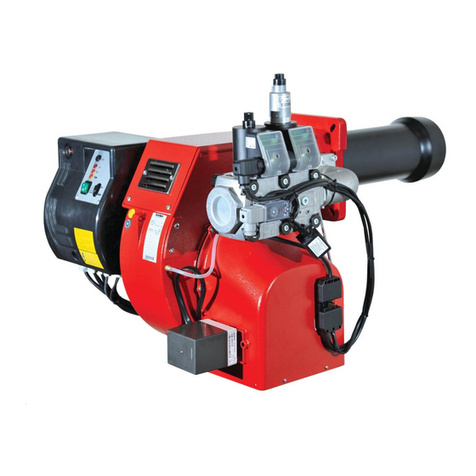
Ecoflam MAX 15 TC HT 230-50 TW VC User manual

Ecoflam BLU 1700.1 P AB User manual

Ecoflam

Ecoflam BLU 1700.1 P AB User manual
Ecoflam BLU 700.1 P AB User manual

Ecoflam

Ecoflam BLU 700.1 P AB User manual
Ecoflam MAXFLAM 10 User manual

Ecoflam

Ecoflam MAXFLAM 10 User manual

Ecoflam Multicalor 700.1 PR User manual
Ecoflam

Ecoflam Multicalor 700.1 PR User manual

Ecoflam MAX GAS 170 P User manual

Ecoflam

Ecoflam MAX GAS 170 P User manual
Ecoflam MAX GAS 170 LN P TL SGT HT 230-50 TW User manual
Ecoflam

Ecoflam MAX GAS 170 LN P TL SGT HT 230-50 TW User manual

Ecoflam Multicalor 300.1 PR/PR User manual
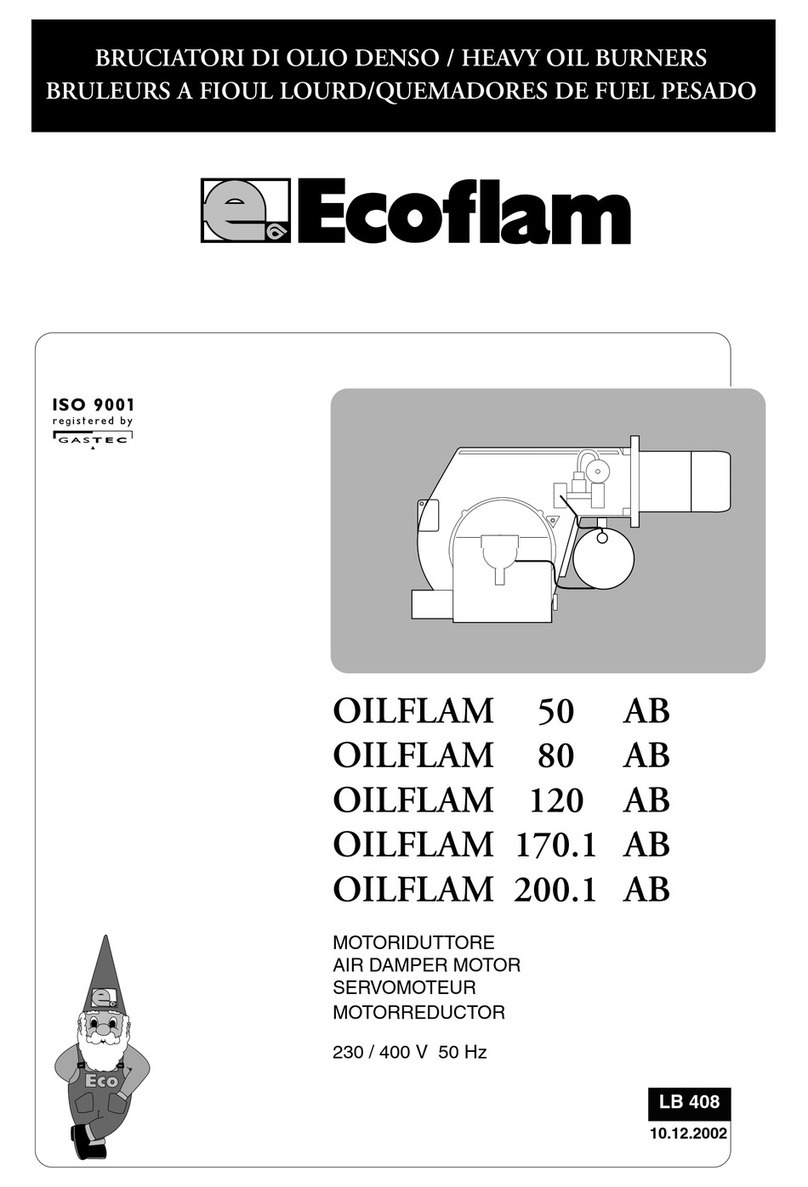
Ecoflam

Ecoflam Multicalor 300.1 PR/PR User manual

Ecoflam OILFLAM 50 AB User manual

Ecoflam

Ecoflam OILFLAM 50 AB User manual

Ecoflam MAIOR P 15 User manual

Ecoflam

Ecoflam MAIOR P 15 User manual
Ecoflam MAX 1 User manual

Ecoflam

Ecoflam MAX 1 User manual

Ecoflam BLU 500.1 LN PR TC MET.SR 230/400/50 User manual
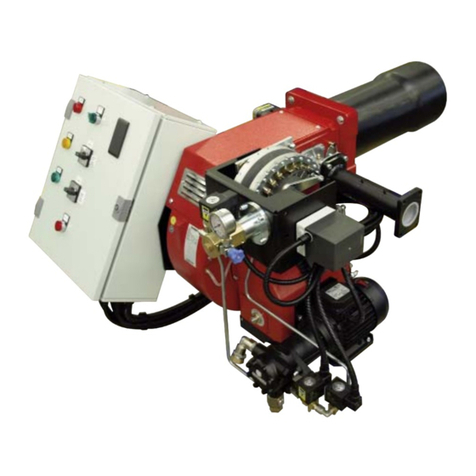
Ecoflam

Ecoflam BLU 500.1 LN PR TC MET.SR 230/400/50 User manual

Ecoflam Multicalor 45 User manual

Ecoflam

Ecoflam Multicalor 45 User manual
Ecoflam MAIOR P 150.1 AB User manual

Ecoflam

Ecoflam MAIOR P 150.1 AB User manual
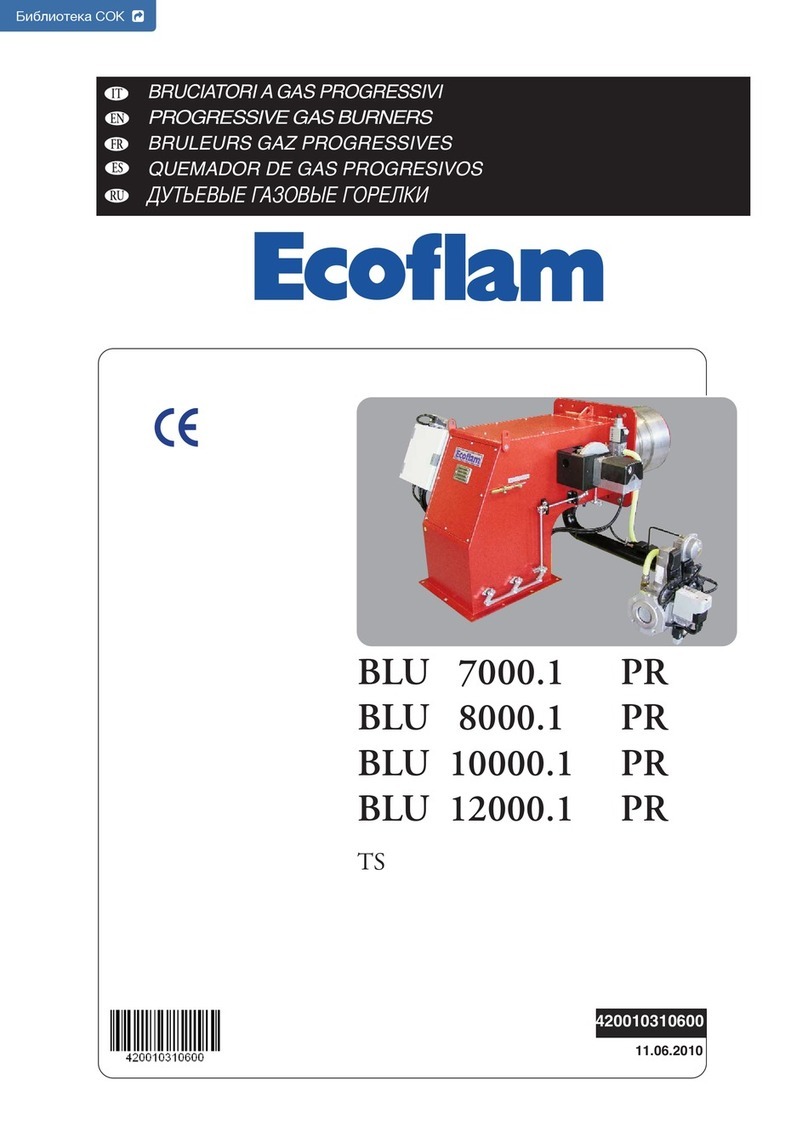
Ecoflam BLU 10000.1 PR User manual

Ecoflam

Ecoflam BLU 10000.1 PR User manual
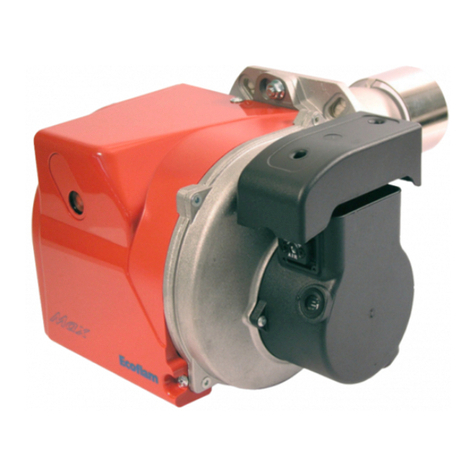
Ecoflam MAX 1 Low NOx User manual

Ecoflam

Ecoflam MAX 1 Low NOx User manual
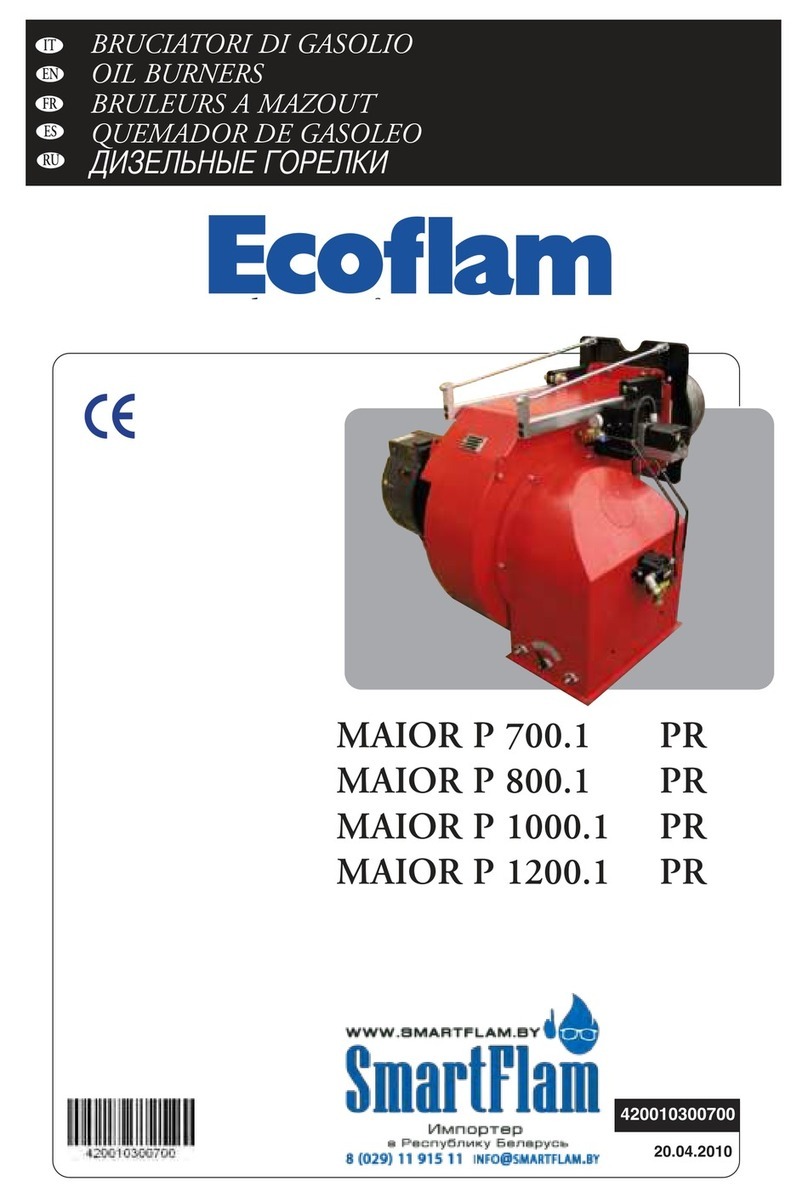
Ecoflam MAIOR P 700.1 User manual

Ecoflam

Ecoflam MAIOR P 700.1 User manual
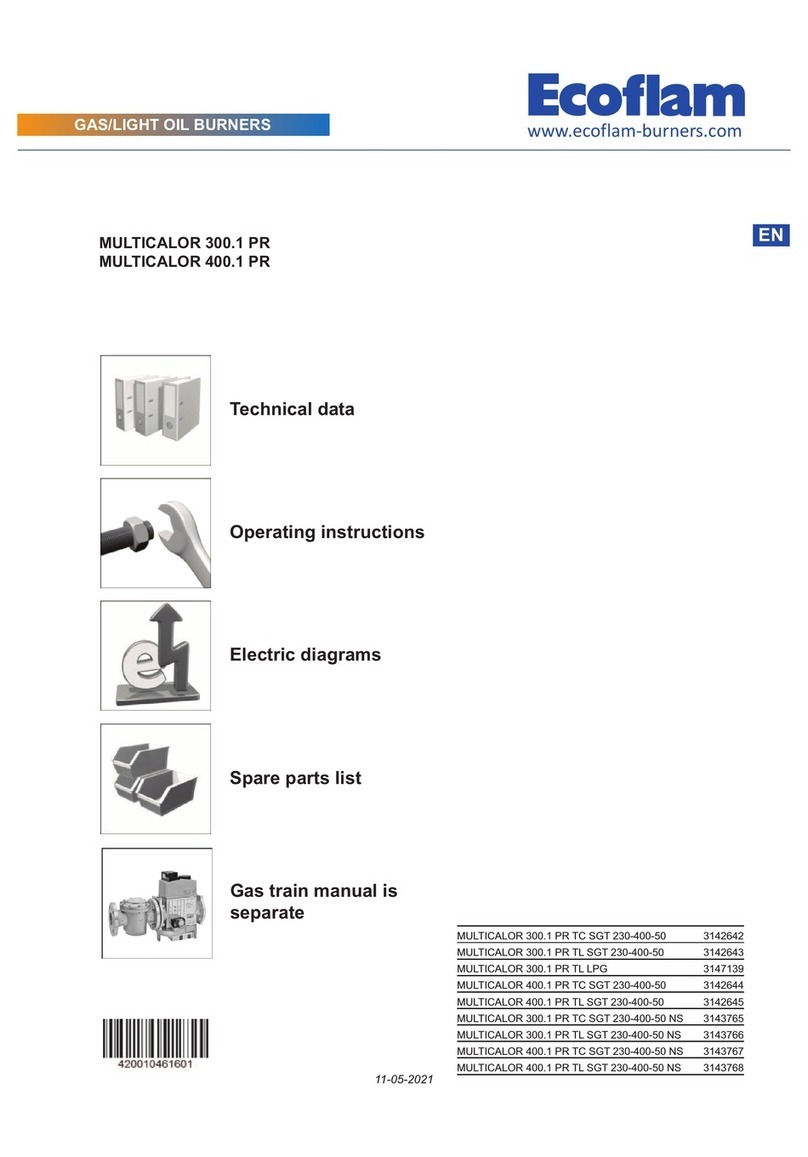
Ecoflam MULTICALOR 300.1 PR Series User manual
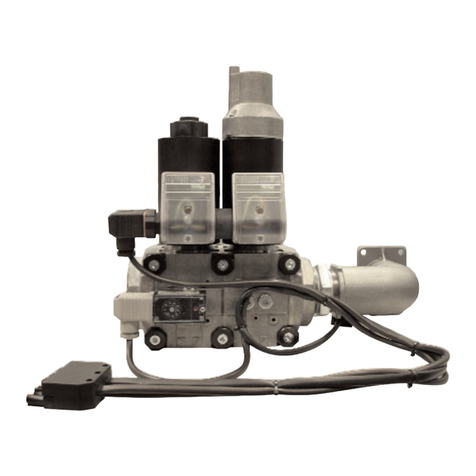
Ecoflam

Ecoflam MULTICALOR 300.1 PR Series User manual

Ecoflam Blu 350.1 User manual

Ecoflam

Ecoflam Blu 350.1 User manual

Ecoflam BLU 1500.1 LN PAB User manual

Ecoflam

Ecoflam BLU 1500.1 LN PAB User manual

Ecoflam BLU 15000.1 PR User manual

Ecoflam

Ecoflam BLU 15000.1 PR User manual

Ecoflam OILFLAM 80.1 PR User manual

Ecoflam

Ecoflam OILFLAM 80.1 PR User manual

Popular Burner manuals by other brands

Riello RLS 160/EV Installation, use and maintenance instructions
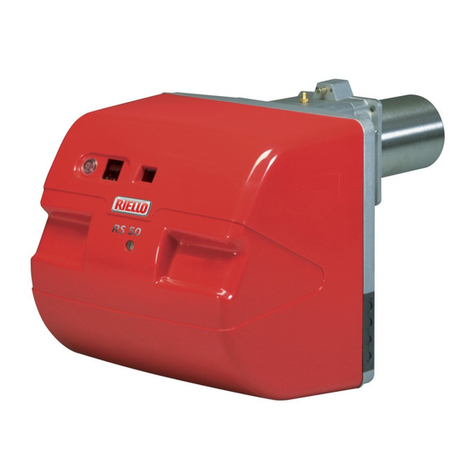
Riello

Riello RLS 160/EV Installation, use and maintenance instructions

Riello RS 28/M Installation, use and maintenance instructions

Riello

Riello RS 28/M Installation, use and maintenance instructions
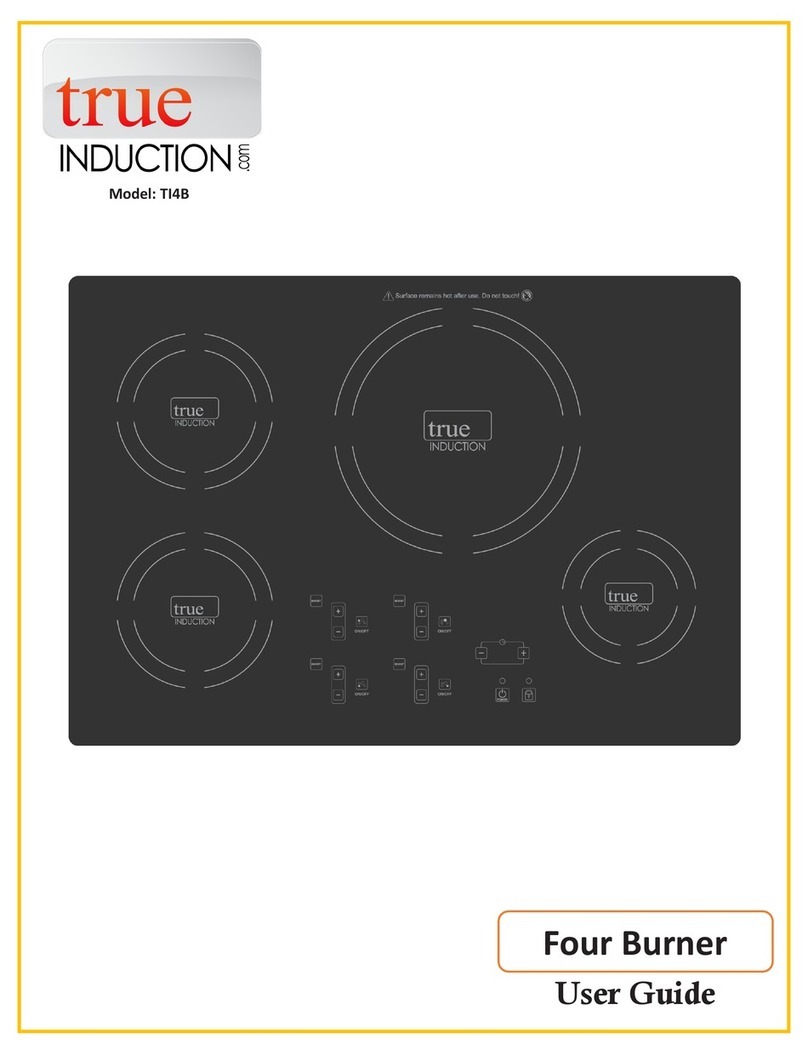
True Induction TI4B user guide

True Induction

True Induction TI4B user guide
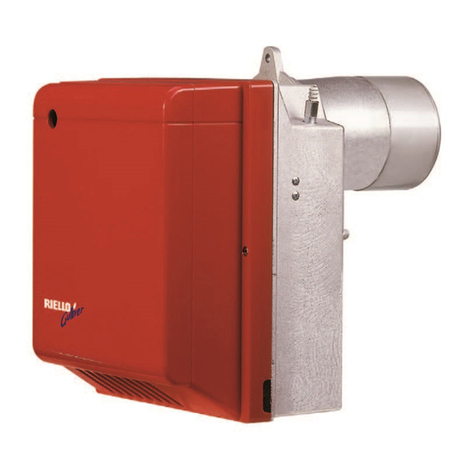
Riello RG1RKD Installation, use and maintenance instructions
Riello

Riello RG1RKD Installation, use and maintenance instructions

Weishaupt WG20 Series manual

Weishaupt

Weishaupt WG20 Series manual

Carolina Cooker M116672 owner's guide

Carolina Cooker

Carolina Cooker M116672 owner's guide

Riello RX 500 S/PV Modulating operation

Riello

Riello RX 500 S/PV Modulating operation

Unigas HTP2000 installation manual

Unigas

Unigas HTP2000 installation manual

baltur BT 250 DSG 4T manual

baltur

baltur BT 250 DSG 4T manual

muenkel design round burner Operating and installation instructions

muenkel design

muenkel design round burner Operating and installation instructions

baltur BT 14 DSGW Instruction

baltur

baltur BT 14 DSGW Instruction

artisan Art-SB1 Care & use manual

artisan

artisan Art-SB1 Care & use manual

AESYS TurboFire II Installation, operation and maintenance manual
AESYS

AESYS TurboFire II Installation, operation and maintenance manual

IKEA GRILLSKÄR manual

IKEA

IKEA GRILLSKÄR manual

baltur TBL 1000 ME Instruction manual for installation, use and maintenance

baltur

baltur TBL 1000 ME Instruction manual for installation, use and maintenance

Riello Burners P 200 P/G Installation, use and maintenance instructions
Riello Burners

Riello Burners P 200 P/G Installation, use and maintenance instructions

WLD-TEC powerjet instruction manual

WLD-TEC

WLD-TEC powerjet instruction manual

Riello RDB 3.2 BX 32/50 Installation, use and maintenance instructions

Riello

Riello RDB 3.2 BX 32/50 Installation, use and maintenance instructions

manuals.online logo
manuals.online logoBrands
  • About & Mission
  • Contact us
  • Privacy Policy
  • Terms and Conditions

Copyright 2025 Manuals.Online. All Rights Reserved.

techniques for energy saving
GASTEC
GAS / LIGHT-OIL DUAL BURNERS
LB1203
24.10.2003
Multicalor 300.1
Multicalor 400.1
Light oil / Natural gas 40÷300 mbar
MODEL
pag.2
techniques for energy saving
LB1203 MULTICALOR 300.1÷400.1
TECHNICAL FEATURES : Multicalor 300.1 Multicalor 400.1
Max. thermal output kcal/h 2.586.000 3.362.000
kW 3.000 3.900
Min. thermal output kcal/h 543.100 754.300
kW 630 875
Max flow rate Nm3/h 301 392
Min flow rate Nm3//h 63 170
Natural gas supply pressure mbar 40÷300 40÷300
Max. light oil flow rate kg/h 253 329
Min. light oil flow rate kg/h 68 143
Voltage, 3phase + neutral, at 50 Hz V 230/400 230/400
Motor kW 5,5 7,5
Motor’s RPM N° 2800 2800
Fuels: Nat. Gas LHV = 35,9 Mj/Nm3 = 8.570 kcal/Nm3; Light Oil LHV = 10.200 kcal/kg max. 1,5° at 20 °C
mbar
1500 2000 2500 3000 3500 4000
10
12
14
16
1000
-2 kW
0
2
4
6
8
500
Multicalor
300.1 Multicalor
400.1
Multicalor
300.1 Multicalor
400.1
WORKING FIELDS
OVERALL DIMENSIONS
SUNTEC
SUNTEC
SUNTEC
I
M
L
ED - D1
F
G
C
B
A
H
0
12
0- STOP
1- GASOLIO
2- GAS
0
AUTO
MODEL A B C D D1 E F G H I L M
MULTICALOR 300.1 1351 453 898 328 528 755 290 466 280 315 315 M16
MULTICALOR 400.1 1351 453 898 363 563 755 320 466 280 315 315 M16
D = short head D1 = long head
Burner output
Backpressure in combustion chamber
pag.3
techniques for energy saving
LB1203 MULTICALOR 300.1÷400.1
GAS TRAIN ASSEMBLY
1 . Main gas pipe
2 . Cut-off valve
3 . Antivibrating coupling
4 . gas rfilter
5 . Gas governor
6 . Safety gas valve
7 . Leakage control device
8 . Working gas valve
9 . Min. gas pressure switch
MODULAIR P 3000
MODULAIR P 4000
6
5312 478
9
To be supplied
by the installer
12 3 4 5
67
89
To be supplied by the installer 1 - main gas pipe
2 - ball valve
3 - antivibration coupling
4 - gas filter
5 - working gas valve
6 - actuator
7 - actuator
8 - leakage control
9 - gas pressure switch
12 34
56
78
5 - gas pressure switch
6 - safety gas valve
7 - leakage control
8 - working gas valve
1 - main gas pipe
2 - ball valve
3 - antivibration coupling
4 - governor
ELECTRICAL CONNECTIONS
All burner motors are tested at 400 V 3phase at 50 Hz, whilst auxiliaries are tested at 230V 1phase at 50 Hz.
Should it be necessary to power the burners at 230V/50Hz 3phase without neutral, carry out the necessary modifications accor-
ding to the burner’s wiring diagram, and check that the thermal relay is within the absorption field of the motor.
CONNECTION TO GAS PIPE
Once the burner has been connected to the gas supply, check that this last is perfectly sealed. Also verify that the chimney is not
clogged. Open the on-off valve and carefully bleed the piping through the pressure port, then check the pressure value through
a suitable pressure gauge. Turn on the system and adjust the thermostats to the needed temperature. When the thermostats
close, the leakage control device runs a valves leakage test, then enables the burner to start the ignition cycle.
OPERATION OF BURNER WITH GAS MULTICALOR 300.1-400.1
Before starting the burner, make sure it is mounted correctly. Then check connections are correct according to the diagram and
piping is appropriate to the system. Before connecting the burner to the electricity supply, make sure voltage corresponds to
burner plate data. The connection diagram and start-up cycle are shown separately. For wiring from control box to burner, see
the enclosed connection diagram. Pay particular attention to neutral and phase connections : never exchange them!. Vent air
and impurities of gas pipe. Check gas pressure conforms to the limits stated on the burner plate when connecting a master
gauge to the test port provided on the burner. Blower motor starts and pre-purging begins. Since pre-purging has to be carried
out with the max. air delivery, the burner control circuit turns the air damper to the max. delivery
position by the air servocontrol in approximately 30 seconds time. When the servocontrol is fully
open, a signal to the electronic control unit starts the 66 seconds pre-purge cycle. At the end of the
prepurging time, the air servocontrol gets to the Low Flame position so that burner ignition is ensu-
red at min. output. Simultaneously the ignition transformer receives voltage and after 3 seconds (pre-
ignition) opens the gas valve. Fuel flows to the combustion head and ignites, being governed by the
gas firing butterfly valve. Two seconds after gas valves have opened, the ignition transformer is excluded from the circuit. In
0
12
0 - STOP
1 - GASOLIO
2 - GAS
LIGHT-OIL
The control box starts the burner
fan, to carry out the prepurging of
the combustion chamber, and
cheks the vent air pressure through
the air pressure switch. At the end
of prepurging, the ignition tran-
sformer cuts-in and generates a
spark between the electrodes. At
the same time the two gas valves
open (Vs safety valve and Vl working valve). The total safety, in case of missed ignition or casual burner's flame-out,
is granted by a ionisation probe which cuts-in and sets the burner shutdown within the safety time. In case of gas
lack or a major pressure drop, the minimum air pressure switch shuts down the burner.
LANDIS & STAEFA, Model LFL1.622 OPERATING CYCLE
+
–
C
AIR EXCESS (%)
AIR FACTOR
THERMAL POWER (kW)
10 10 20 30 40 50 60
70
80
90
100 200 300 400
500
600
700
800
900
1000
1,1
1,15
1,2 1,2 1,2
1,25
1,3
15
20
25
30
2000 3000
5000
4000
6000
Natural Gas
CO29,6%
CO <100 ppm
Ref. Description
t1 Duration Waiting time for confirmation
t2 of air pressure
t3 Preventilation time
t4 Safety time
t5 Pressurizing time
Time for enabling operation of the
main gas valve on minimum capacity
t6 Time for enabling operation of the
main gas valve on maximum capacity
Duration
8”
66”
2”
4”
10”
10”
Rivelazione
di fiamma
Spia di blocco
Valvola gas
Serranda aria
Serranda gas
Trasformatore
di accensione
Pressostato aria
Motore ventilatore
Pressostato gas
0
min
100%
t1 t2
t4
t3
t6t5
Ciclo di funzionamento normale Ciclo di funzionamento
in mancanza di fiamma all'accensione
t1 t2
t4
t3
Consenso
min./max. potenza
Gas manostat
Fan motor
Air Switch
Ignition transformer
Gas valve
Min/max capacity
enabling device
Air damper
Gas damper
Flame detector
Cut-out pilot lamp
Normal operating cycle Operating cycle in the event of
ignition failureNormal operating cycle
ADJUSTING THE PRESSURE REGULATOR
The pressure regulator, complete with its incorporated filter, must be installed to avoid contaminants
reaching the gas valve. It is important to ensure certain conditions: The pressure of the gas must not
exceed the established maximum pressure. To increase the pressure of the gas supply, tighten screw
C; to reduce the pressure, loosen screw C. After making any adjustments, put the cap back in place.
CALCULATING THE BURNER CAPACITY
To calculate the burner's capacity in kW, proceed as follows: Check the gas flow rate (in liters)
on the counter and the time of the reading in seconds.
Proceed with the calculation using the following formula: x f = kW
e
sec
e=Litres gas
sec = Time in second
G20 = 34,02
G30 = 116
G31 = 88
f
pag.4
techniques for energy saving
LB1203 MULTICALOR 300.1÷400.1
ADJUSTING THE COMBUSTION PROCESS
IMPORTANT: to obtain the right adjustment of the combustion and thermal capacity it is important to analyze the reducts of
combustion with the aid of suitable instruments. The combustion and thermal capacity adjustment is done simultaneously,
together with the analysis of the products of combustion, making sure that the measured values are suitable and that they com-
ply with current safety standards. On this matter, please refer to the table and figure below.
THESE OPERATIONS MUST BE DONE BY PROFESSIONALLY-QUALIFIED TECHNICIANS.
NOTE: ALL SAFETY DEVICES (AIR PRESSURE SWITCH, MINIMUM GAS PRESSURE SWITCH, GAS SOLENOID
VALVES AND GAS GOVERNOR) SHALL BE DULY SEALED AFTER CALIBRATION AND BURNER START UP BY
ECOFLAM’S TECHNICIANS.
case of no ignition the burner goes to lock-out within two seconds. Now the burner is operating at the min. firing rate (about
30% of the max. firing rate). The air servocontrol runs at the Low Flame position and in case the temperature control has to be
set at the max. output it goes to a fully open position of air damper and butterfly valve. During the burner-off periods the air
dumper closes up fully.
pag.5
techniques for energy saving
LB1203 MULTICALOR 300.1÷400.1
ADJUSTMENT OF GAS SOLENOID VALVES
The ignition flow rate is carefully adjusted. during test phase to 1/3 of the maximum flow rate (according to specifications).
Operations for eventual further adjustment must be carried out by skilled personnel authorized by ECOFLAM.
DUNGS MVDLE
To adjustment gas output, loo-
sen the screw R and turn the
knob P as required. To reduce
output, turn knob clockwise,
to increase it turn knob coun-
terclockwise. Tighten the
screw R. For fast opening adju-
stment, remove the cap T and
insert it in the pin Q with its
groove up. To reduce firing
output screw it up, to increase,
unscrew it.
DUNGS MVD
To adjustment gas output, take
out the cap L and loose the nut
F.Adjust the screw E with a
screwdriver. To reduce output
turn counter clockwise, to increa-
se it turn clockwise.
Tighten the nut F.
+
-
B
The pressure regulator is inside to gas solenoid
valve (actuator SKP20). For adjustment the pres-
sure proceed as follows:
Take out the cap (A) and turn the screw (B) with
a screwdriver. To increase pressure, turn screw-
driver clockwise, to reduce it turn screwdriver
counterclockwise. Take in the cap (A).
ADJUSTMENT THE PRESSURE OF GAS SOLENOID VALVE (Landis SKP20)
DUNGS SV-DLE
To adjustment gas output, loosen the screw R and turn the knob P as required. To reduce output, turn knob clockwise,
to increase it turn knob counterclockwise. Tighten the screw R. For fast opening adjustment, remove the cap T and
insert it in the pin Q with its groove up. To reduce firing output screw it up, to increase, unscrew it.
R
QT
P
pag.6
techniques for energy saving
LB1203 MULTICALOR 300.1÷400.1
ADJUSTMENT OF GAS MINIMUM PRESSURE SWITCH
Unscrew off and remove cover M. - Set regulator N to a value equal to 60% of gas nominal feed
pressure (i.e. for nat. gas nom. pressure = 20 mbar, set regulator to a value of 12 mbar; for
L.P.G. nom. pressure of G30/G31- 30/37 mbar, set regulator to a value of 18 mbar).Screw
up cover M
ADJUSTMENT OF THE AIR PRESSURE SWITCH
Unscrew screws A and B and remove cover C.- Set the pressure switch to the minimum by
turning regulator D to position 1.
- Start the burner and keep in low flame running, while checking that combustion is cor-
rect. Through a small cardboard, progressively obstruct the air intake until to obtain a
CO2 increase of 0,5÷0,8% or else, if a pressure gauge is available, connected to pressure
port E, until reaching a pressure drop of 1 mbar (10 mm of W.G.). - Slowly increase the
adjustment value of the air pressure switch until to have the burner lockout. Remove the
obstruction from the air intake, screw on the cover C and start the burner by pressing the
control box rearm button.
Note: The pressure measured at pressure port E must be within the limits of the pressure
switch working range. If not, loose the locking nut of screw F and gradually turn the same: clockwise
to reduce the pressure; counterclockwise to increase. At the end tighten the locking nut.
2,5
5
10
15
50
25
35
30
40
45
20
0,4
0,6
0,9
3,0
1,5
2,1
1,8
2,4
2,7
1,2
I
L
MN
A
B
CD
E
F
GH
gas pressure
switch
air pressure switch
LEAKAGE CONTROL DEVICE DUNGS VPS 504-VDK 200
When the thermostats are closed, the gas leakage control device checks the valve seals by pressurizing the circuit between the
two gas valves. When test pressure is reached the device remains in stand-by for about 25 seconds. At the end of the test the yel-
low pilot light on the control device lights up and the burner is enabled to carry out the start-up cycle. If the seal on one of the
valves is faulty and this causes a drop in test pressure, the device puts the system into the safety condition and the red pilot right
on the device lights up. The flame control device starts the burner fan to carry out prewashing of the
combustion chamber,checking fan air pressure via the air pressure switch. After preventilation the igni-
tion transformer starts operating, generating a spark between the electrodes and simultaneously the gas
valves open (safety gas valve VS and first stage operating valve VL). If the flame does not ignite or goes
out, total safety is ensured by an ionization detection probe. The safety time limit in the event of no
flame is less than 2 seconds at start-up and less than 1 during operation. In the event of no gas being
supplied or of a considerable drop in pressure the minimum gas pressure switch interrupts burner operation. About 20/30
seconds after ignition the flame control device commands operation of the second stage via the gas valve and air servocontrol,
thus taking the burner to maximum power.
VLVS
DISPOSITIVO
CONTROLLO
TENUTA
LANDIS & STAEFA SQM 50.381A2 AIR DAMPER MOTOR
Remove cover to gain access to the adjusting cams.The cams are to be adjusted through the suitable key provided
for. Description:
I-High flame operating opening position adjusting cam (Light-Oil /Gas)
II -Ignition flame opening position adjusting cam (Gas).
III -Low flame operating opening position adjusting cam (Gas)
IV -Low flame operating opening position adjusting cam ( Light-Oil)
V-2nd flame solenoid valve opening On/Off cam (Light-Oil)
VI -Not used cam
VII -Not used cam
VIII -Not used cam
Multicalor 300.1
Cam VIII
is never used
LEAKAGE
CONTROL
DEVICE
I - High flame operating opening position adjusting air cam
II - Ignition flame opening position adjusting air cam (Gas/Light-Oil)
III - Low flame operating opening position adjusting cam (Gas)
IV - Low flame operating opening position adjusting cam (Light-Oil)
(always 3° lesser than Low flame adjusting V cam)
V - Low flame operating opening position adjusting air cam (Light-Oil)
VI - Low flame solenoid valve opening On/Off cam (Light-Oil)
VII - High flame solenoid valve opening On/Off cam (Light-Oil)
VIII -Not used cam
Multicalor 400.1
pag.7
techniques for energy saving
LB1203 MULTICALOR 300.1÷400.1
AIR ADJUSTMENT
+
--
Part. 1
Part. 2
Part. 3
-
+
-
COMMUTATORE
0
AUTO
0 =
bloccaggio degli apparati per il
funzionamento in una posizione intermadia
=
funzionamento alla massima potenza
=
funzionamento alla minima potenza
AUTO =
funzionamento automatico
operating elements locked in an intermediate
position
operation on maximum capacity
operation on minimum capacity
automatic operation
SELECTOR
ADJUSTING THE MINIMUM CAPACITY OF THE BURNER – AIR and GAS
Position the selector placed on the control panel on position 2 and proceed as follows:
Adjust the minimum gas flow rate using a suitable wrench, turn the butterfly valve until you reach the correct gas
flow, as established by analyzing the combustion process.
ADJUSTING THE MAXIMUM CAPACITY OF THE GAS
Position the selector, situated on the control panel, on position 1 and proceed as follows:
Adjusting the maximum gas flow rate (see figure on solenoid valve adjustments) or adjust the gas pressure in the
governor.
ADJUSTING THE MAXIMUM AIR FLOW RATE
Adjusting the maximum air flow rate (see figure, detail 2). Loosen the nut holding the air damper transmission rod;
The correct air flow as established by analyzing the combustion process.
ADJUSTING THE INTERMEDIATE BURNER CAPACITY
Using the selector, start the servomotor (closing or opening) and position on 0 to stop the stroke; the adjustment is
made as outlined below. Repeat the operation for the other cam points.
Adjustment the intermediate gas flow rates (see figure, detail 3): - using a suitable Allen wrench, change the position
of the cam guide blade; if you screw it down, the flow rate is reduced; if you unscrew it, the flow rate increases.
22 23
LANDIS
LFL 1.622
Fotocellula
min 70 µA
Mi
croamperometro
fondo scala 1000 µA
FLAME DETECTION SYSTEM CHECK
PHOTORESISTOR
Microamperometer
full scale 1000 µA
pag.8
techniques for energy saving
LB1203 MULTICALOR 300.1÷400.1
REMOVING THE BLAST TUBE REMOVING THE FIRING HEAD
FIRING HEAD SETTING
+
-
pag.9
techniques for energy saving
LB1203 MULTICALOR 300.1÷400.1
HYDRAULIC CIRCUIT
VS
V2
V1
4
5
V3
VS
V2
V1
4
5
1
1
23
1- HOSE
2- OIL FILTER
3- OIL COCK
4- SUCTION
5- RETURN
OPERATION OF BURNER WITH LIGHT-OIL FUEL MULTICALOR 300.1-400.1
Once installed the burner, check the following items:
- The burner power feeding and the main line protection fuses
- The correct length of pipes and that the same are sealed.
- The type of fuel, which must be suitable for burner.
- The connection of boiler’s thermostats and all the safeties.
- The motor rotation direction.
- The correct calibration of the motor’s thermal protection.
When all the above mentioned conditions are checked and accomplished, it is possible to go on with burner’s tests. Power the
burner. The control box feeds the ignition transformer and the burner’s motor at the same time, which will run a prepurging of
the combustion chamber. At the end of prepurging, the control box powers up the ignition transformer and opens the light-oil
valve, so the burner start . the servomotor will set up to the light-oil ignition position, whilst the control box powers up the
ignition transformer and the “Safety” and “Low flame” solenoid valves. After a safety interval of 2 seconds and a correct igni-
tion, the control box turns off the ignition transformer and, 10 seconds later, sets the motorised air damper to its maximum
opening and opens the 2nd stage solenoid valve (Multicalor 300.1) and 3rd stage solenoid valve (Multicalor 400.1). In case of
faulty ignition,the control box will shut down the burner in 2 sec.
In order to obtain a correct combustion, it shall be necessary to adjust the Low and High flame by following the instructions of
the Air servomotor and firing head adjustment.
During such a phase, it will be possible to manually switch between HIGH and LOW flame and viceversa, through the
High/Low flame switch. At the end of the adjusting phase, leave the switch in position “AUTO”. The fuel pump feeding pres-
sure, must remain around 12 bar.
0
12
0 - STOP
1 - GASOLIO
2 - GAS
Multicalor 300.1
Multicalor 400.1
LIGHT-OIL
pag.10
techniques for energy saving
LB1203 MULTICALOR 300.1÷400.1
VERIFY:
- That piping system is perfectly sealed;
- That the use of hoses is avoided whenever is possible (use copper pipes preferably);
- That depression is not greater than 0,45 bar, to avoid pump’s cavitation;
- That check valve is suitably designed for the duty;
The pump pressure is set at a value of 12 bar during the testing of burners. Before starting the burner, bleed the air in the pump
through the gauge port. Fill the piping with light-oil to facilitate the pump priming. Start the burner and check the pump fee-
ding pressure. In case the pump priming does not take place during the first prepurging, with a consequent, subsequent lock-
out of the burner, rearm the burner’s lock-out to restart, by pushing the button on the control box. If, after a successful pump
priming, the burner locks-out after the prepurging, due to a fuel pressure drop in the pump, rearm the burner’s lock-out to
restart the burner. Do never allow the pump working without oil for more than three minutes. Note: before starting the burner,
check that the return pipe is open. An eventual obstruction could damage the pump sealing device.
PRIMING AND ADJUSTMENT OF OIL PUMP
1
2
5
6
3
4
1- INLET
2- RETURN
3- BLEED AND PRESSURE GAUGE PORT
4- VACUUM GAUGE PORT
5- PRESSURE ADJUSTMENT
6- TO NOZZLE
SUNTEC TA3C40105
6
53
2
SUNTEC
14
SUNTEC J7CCC10014P
NOZZLE PUMP PRESSURE (bar)
GPH 10 11 12 13 14 15 16
2,50 9,50 9,97 10,41 10,83 11,24 11,64 12,02
3,00 11,40 11,96 12,49 13,00 13,49 13,96 14,42
3,50 13,30 13,95 14,57 15,17 15,74 16,29 16,83
4,00 15,20 15,94 16,65 17,33 17,99 18,62 19,23
4,50 17,10 17,94 18,73 19,50 20,24 20,95 21,63
5,00 19,00 19,93 20,82 21,67 22,48 23,27 24,04
5,50 20,90 21,92 22,90 23,83 24,73 25,60 26,44
6,00 22,80 23,92 24,98 26,00 26,98 27,93 28,84
6,50 23,70 25,91 27,06 28,17 29,23 30,26 31,25
7,00 26,60 27,90 29,14 30,33 31,48 32,58 33,65
7,50 28,50 29,90 31,22 32,50 33,73 34,91 36,05
8,30 31,54 33,08 34,55 35,97 37,32 38,63 39,90
9,50 36,10 37,87 39,55 41,17 42,72 44,22 45,67
10,50 40,06 41,73 43,74 45,41 47,20 48,90 50,50
12,00 45,60 47,80 50,00 52,00 54,00 55,90 57,70
13,80 52,40 55,00 57,50 59,80 62,10 64,20 66,30
15,30 58,10 61,00 63,70 66,30 68,80 71,10 73,60
17,50 66,50 69,80 72,90 75,80 78,70 81,50 84,10
19,50 74,10 77,70 81,20 84,50 87,70 90,80 93,70
21,50 81,70 85,70 89,50 93,20 96,70 100,10 103,40
24,00 91,20 95,70 99,90 104,00 107,90 111,70 115,40
28,00 106,40 111,60 116,60 121,30 125,90 130,30 134,60
30,00 114,00 119,60 124,90 130,00 134,90 139,60 144,20
GPH OUTPUT kg/h
NOZZLE FLOW RATE (DELAVAN B - MONARCH PLP)