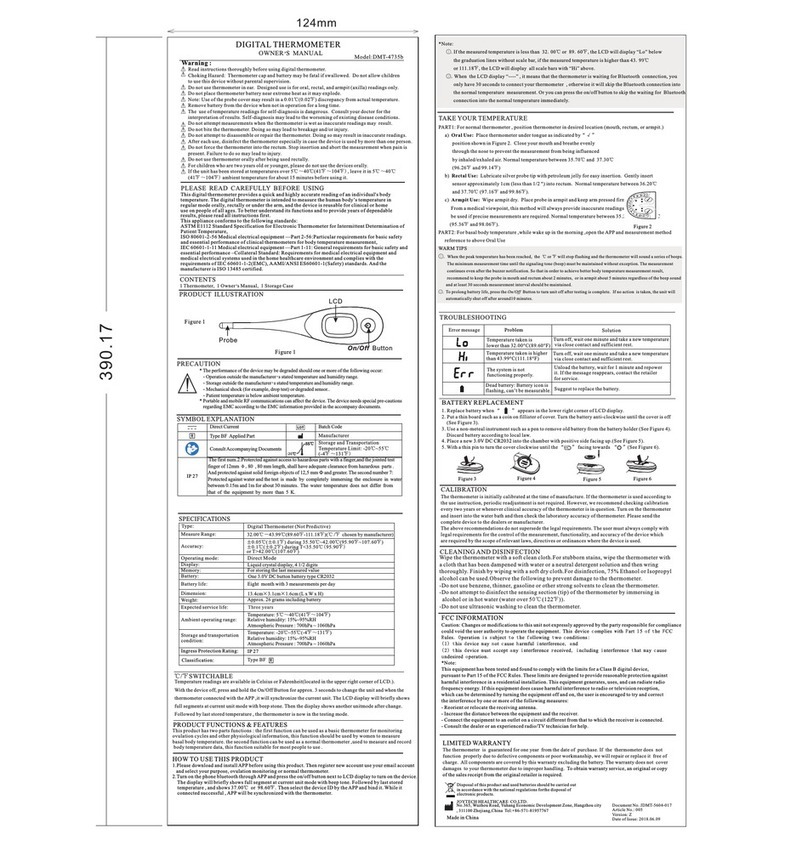
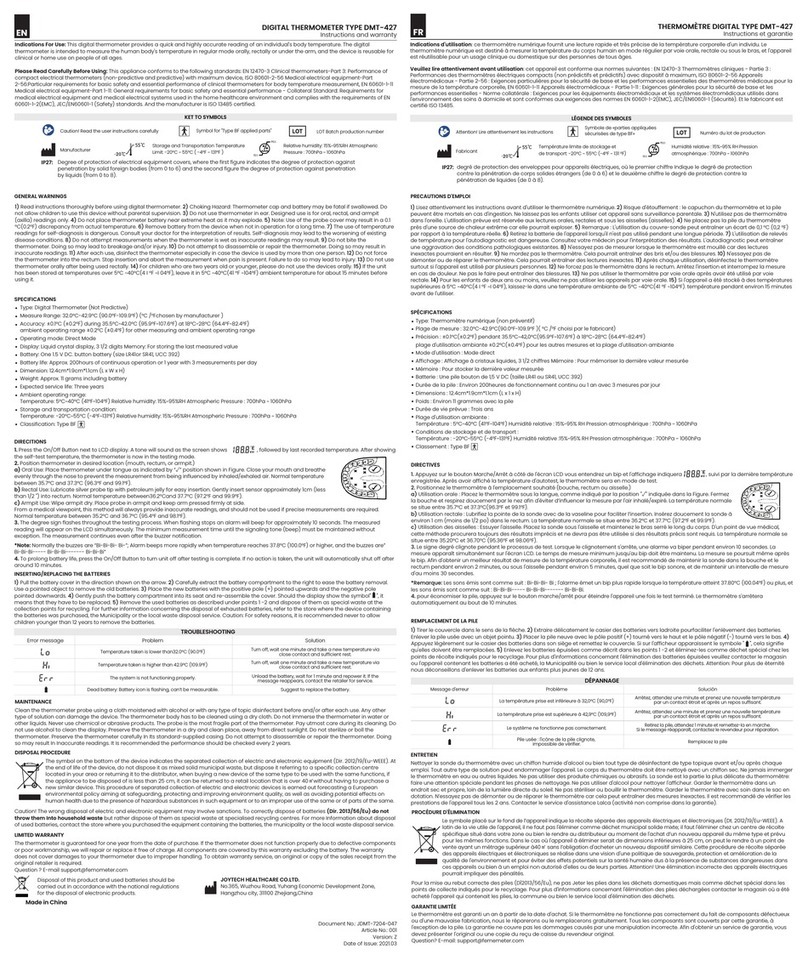
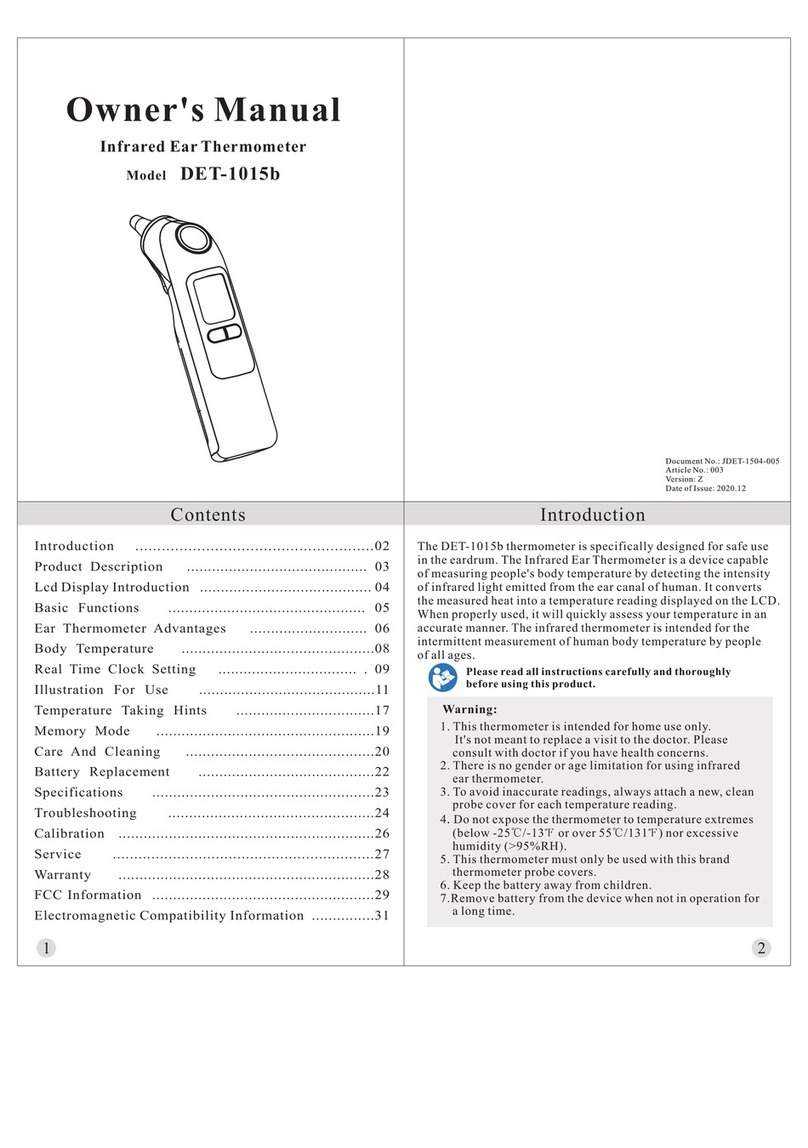
3536Electromagnetic Compatibility InformationElectromagnetic Compatibility InformationNOTE 1At 80 MHz and 800 MHz, the higher frequency range applies.NOTE 2 These guidelines may not apply in all situations. Electromagnetic propagation is affected by absorption and reflection from structures, objects and people.a The ISM(industrial, scientific and medical) bands between 0,15 MHz and 80 MHz are 6,765 MHzto6,795 MHz;13,553 MHz to 13,567 MHZ;26,957 MHz to 27,283 MHz; and 40,66 MHz to 40,70 MHz. The amateur radio bands between 0,15 MHz and 80 MHz are 1,8 MHz to 2,0 MHz,3,5 MHz to 4,0 MHz,5,3 MHz to 5,4 MHz,7 MHz to 7,3 MHz,10,1 MHz to 10,15 MHz,14 MHz to 14,2 MHz,18,07 MHz to 18,17 MHz,21,0MHz to 21,4MHz,24,89 MHz to 24,99 MHz,28,0 MHz to 29,7 MHz and 50,0 MHz to 54,0 MHZ.b The compliance levels in the ISM frequency bands between 150 kHz and 80 MHz and in the frequency range 80 MHz to 2,7 GHz are intended to decrease the likelihood that mobile/portable communications equipment could cause interference if it is inadvertently brought into patient areas. For this reason, an additional factor of 10/3 has been incorporated into the formulae used in calculating the recommended separation distance for transmitters in these frequency ranges.c Field strengths from fixed transmitters, such as base stations for radio(cellular/cordless) telephones and land mobile radios, amateur radio, AM and FM radio broadcast and TV broadcast cannot be predicted theoretically with accuracy. To assess the electromagnetic environment due to fixed RF transmitters, an electromagnetic site survey should be considered. If the measured field strength in the location in which the device is used exceeds the applicable RF compliance level above, the device should be observed to verify normal operation. If abnormal performance is observed, additional measures may be necessary, such as re-orienting or relocating the device.d Over the frequency range 150 kHz to 80 MHz, field strengths should be less than 3 V/m.Table 3 continued37Electromagnetic Compatibility Information38Electromagnetic Compatibility InformationWARNINGS!· This device should not be used in the vicinity or on the top of other electronic equipment such as cell phone, transceiver or radio control products. If you have to do so, the device should be observed to verify normal operation.· The use of accessories and power cord other than those specified, with the exception of cables sold by the manufacturer of the equipment or system as replacement parts for internal components, may result in increased emissions or decreased immunity of the equipment or system.· Use of this equipment adjacent to or stacked with other equipment should be avoided because it could result in improper operation.· Use of accessories, transducers and cables other than those specified or provided by the manufacturer of this equipment could result in increased electromagnetic emissions or decreased electromagnetic immunity of this equipment and result in improper operation.· Portable RF communications equipment (including peripherals such
as antenna cables and external antennas) should be used no closer than 30 cm (12 inches) to any part of the device,including cables specified by the manufacturer. Otherwise, degradation of the performance of this equipment could result.· Portable and mobile RF communications can affect the device. The device needs special pre-cautions regarding EMC according to the EMC information provided in the accompany documents.· Do not use the devices in the MR environment.· The Operator should not use the system and should inform the customer service, if the ESSENTIAL PERFORMANCE is lost or degraded due to EM DISTURBANCES.· PRECAUTION: The performance of the device may be degraded should one or more of the following occur:- Operation outside the manufacturer’s stated temperature and humidity range.- Storage outside the manufacturer’s stated temperature and humidity range.- Mechanical shock (for example, drop test) or degraded sensor.- Patient temperature is below ambient temperature.