manuals.online logo
Brands
  1. Home
  2. •
  3. Brands
  4. •
  5. KRAUSE
  6. •
  7. Ladder
  8. •
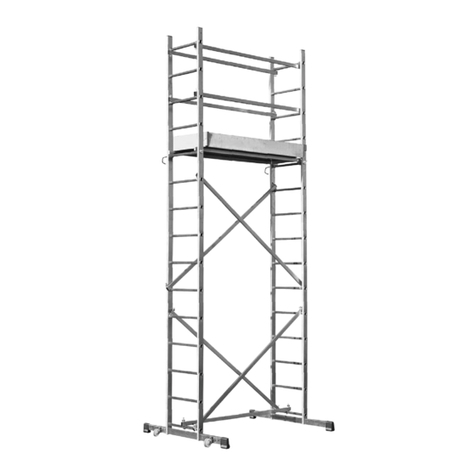
  9. KRAUSE Monto 129871 User manual

KRAUSE Monto 129871 User manual

This manual suits for next models

14

Other KRAUSE Ladder manuals

KRAUSE 820136 Installation instructions

KRAUSE

KRAUSE 820136 Installation instructions

KRAUSE 820136 Installation instructions

KRAUSE

KRAUSE 820136 Installation instructions

KRAUSE 835239 Use and care manual

KRAUSE

KRAUSE 835239 Use and care manual

KRAUSE STABILO 10 Series Assembly instructions

KRAUSE

KRAUSE STABILO 10 Series Assembly instructions

KRAUSE 3106 User manual

KRAUSE

KRAUSE 3106 User manual

KRAUSE STABILO Professional Series Assembly instructions

KRAUSE

KRAUSE STABILO Professional Series Assembly instructions

KRAUSE 842305 User manual

KRAUSE

KRAUSE 842305 User manual

KRAUSE 916341 Operator's manual

KRAUSE

KRAUSE 916341 Operator's manual

KRAUSE 50 Series Assembly instructions

KRAUSE

KRAUSE 50 Series Assembly instructions

KRAUSE 820143 User manual

KRAUSE

KRAUSE 820143 User manual

KRAUSE 1103 Series User manual

KRAUSE

KRAUSE 1103 Series User manual

KRAUSE CORDA 916280 Operator's manual

KRAUSE

KRAUSE CORDA 916280 Operator's manual

KRAUSE 1101 Series User manual

KRAUSE

KRAUSE 1101 Series User manual

KRAUSE 1212 User manual

KRAUSE

KRAUSE 1212 User manual

KRAUSE 916105 Operator's manual

KRAUSE

KRAUSE 916105 Operator's manual

KRAUSE 3106 User manual

KRAUSE

KRAUSE 3106 User manual

KRAUSE Vario 833006 Installation instructions

KRAUSE

KRAUSE Vario 833006 Installation instructions

KRAUSE STABILO Professional 133922 User manual

KRAUSE

KRAUSE STABILO Professional 133922 User manual

KRAUSE 1212 User manual

KRAUSE

KRAUSE 1212 User manual

KRAUSE 212252 User manual

KRAUSE

KRAUSE 212252 User manual

Popular Ladder manuals by other brands

smirthwaite Walking Ladders Instructions for use

smirthwaite

smirthwaite Walking Ladders Instructions for use

Batavia GIRAFFE AIR operating instructions

Batavia

Batavia GIRAFFE AIR operating instructions

wibe TMR Mounting instruction

wibe

wibe TMR Mounting instruction

BESSLER 20 manual

BESSLER

BESSLER 20 manual

Millennium L-220-SL instruction manual

Millennium

Millennium L-220-SL instruction manual

Louisville AA2210 installation instructions

Louisville

Louisville AA2210 installation instructions

TUBESCA-COMABI 02271 105 à 115 operating manual

TUBESCA-COMABI

TUBESCA-COMABI 02271 105 à 115 operating manual

ADVANCED SIMRACING ASR6 Assembly guide

ADVANCED SIMRACING

ADVANCED SIMRACING ASR6 Assembly guide

Tractel skysafe Assembly and operating manual

Tractel

Tractel skysafe Assembly and operating manual

AFIX FAST FIX Assembly guide

AFIX

AFIX FAST FIX Assembly guide

Wenger Fixed Height Stairway 2-Step Assembly instructions

Wenger

Wenger Fixed Height Stairway 2-Step Assembly instructions

FACAL Euro Stilo Use and maintenance handbook

FACAL

FACAL Euro Stilo Use and maintenance handbook

Malta Dynamics R0001 quick start guide

Malta Dynamics

Malta Dynamics R0001 quick start guide

Sutphen SL75 Operation manual

Sutphen

Sutphen SL75 Operation manual

Sapa REDD Team Dura-Grip OSHA Assembly

Sapa

Sapa REDD Team Dura-Grip OSHA Assembly

RGC PRO400 instructions

RGC

RGC PRO400 instructions

fakro LWS-P 22/47 Installation instruction

fakro

fakro LWS-P 22/47 Installation instruction

Easy Access Trade Series Operating procedures and safety instructions

Easy Access

Easy Access Trade Series Operating procedures and safety instructions

manuals.online logo
manuals.online logoBrands
  • About & Mission
  • Contact us
  • Privacy Policy
  • Terms and Conditions

Copyright 2025 Manuals.Online. All Rights Reserved.

de
Gebrauchs- und Bedienungsanleitung
Schiebe-/Seilzugleitern it
Manuale di istruzioni
Scale a sfilo/a cavo tirante
en
User manual
Extension/rope-operated ladders lt Instrukcja obsługi i użytkowania
Ištraukiamosios/virvute ištraukiamos kopėčios
pl
Instrukcja obsługi i użytkowania
Drabiny rozsuwane/rozsuwane linką lv
Instrukcja obsługi i użytkowania
izbīdāmās/ar trosi izbīdāmās kāpnes
hu
Használati és kezelési útmutató
Toló-/húzóköteles létrák mk
Упатство за работа и ракување
Лизгачка скала/скала со управување
со јаже
ru
Руководство по использованию и эксплуатации
Выдвижные/тросовые лестницы nl
Gebruiks- en bedieningshandleiding
Schuif-/trekladders
bg
Упътване за употреба и обслужване
Плъзгащи се стълби/стълби с дърпащо
се въже no
Bruks- og betjeningsanvisning
Skyve/kabelstiger
cs
Návod na použití a obsluhu
Výsuvné žebříky/žebříky s lankem pt
Manual de instruções e de operação
Escada telescópica/
Escada extensível por cabo
da
Generel brugsanvisning
Skyde-/hejsestiger ro
Manual de utilizare şi operare
Scară culisante/extensibile
el
Οδηγίες χρήσης και χειρισμού
Πτυσσόενες σκάλες/Σκάλες ε
συρατόσχοινο si
Navodila za uporabo in upravljanje
Raztegljive lestve/lestve z vrvjo
es
Instrucciones de uso y manejo
Escaleras móviles/extensibles por cable sk
Návod na použitie a obsluhu
Posuvné rebríky/Rebríky s lanom
et
Kasutusjuhend
Lükand-/nöörmehhanismiga redelid sq
Udhëzime për përdorim
Shkallë e rrëshqitshme/me kabllo
fi
Käyttöopas ja käyttöohjeet
Jatko- ja kaapelitikkaat sr/
cnr
Uputstvo za upotrebu i korišćenje
Merdevine na izvlačenje/na izvlačenje sa
užetom
fr
Notice d’utilisation
Échelles coulissantes/à corde sv
Användnings- och bruksanvisning
Utskjuts-/reputskjutsstegar
hr/
bs
Upute za upotrebu I rukovanje
Pomičnihe lestve i ljestve s užetom tr
Kullanım ve İşletim Kılavuzu
Sürgülü/makaralı merdiven
is
Notkunarleiðbeiningar
Fyrir renni- og fellistiga uk
Посібник з використання та експлуатації
Висувні драбини/висувні з тросом
www.krause-systems.com
01/23
2
B.-Nr.
1205*/
1206*/
1227**/
1228**
2 x 6 3,75 1,75 2,80 2,70 2,70 0,70 1,70 1,60 150 5,5
2 x 7 4,30 2,30 3,35 3,25 2,95 0,95 1,95 1,85 150 6,3
2 x 8 4,85 2,85 3,90 3,80 3,20 1,20 2,25 2,10 150 7,8
2 x 9 5,40 3,40 4,50 4,35 3,45 1,45 2,50 2,40 150 9,0
2 x 10 5,65 3,65 4,75 4,60 3,75 1,75 2,80 2,65 150 9,9
2 x 11 6,20 4,20 5,30 5,15 4,00 2,00 3,10 2,90 150 10,9
2 x 12 6,75 4,75 5,90 5,70 4,25 2,25 3,40 3,15 150 11,8
2 x 13 7,00 5,00 6,15 5,95 4,50 2,50 3,65 3,45 150 14,1
2 x 14 7,55 5,55 6,70 6,50 4,75 2,75 3,90 3,70 150 15,0
2 x 15 8,10 6,10 7,30 7,05 5,00 3,00 4,20 4,00 150 16,1
2 x 16 8,65 6,65 7,85 7,55 5,25 3,25 4,50 4,25 150 17,2
2 x 17 10,25 8,25 9,50 9,20 5,50 3,50 4,75 4,55 150 18,1
2 x 18 10,80 8,80 10,10 9,75 5,75 3,75 5,05 4,85 150 19,2
1207*
2 x 6 3,60 1,60 2,70 2,60 2,80 0,80 1,85 1,80 150 6,7
2 x 7 4,15 2,15 3,25 3,15 3,05 1,05 2,15 2,05 150 7,7
2 x 8 4,70 2,70 3,80 3,70 3,35 1,35 2,40 2,35 150 8,6
2 x 9 5,25 3,25 4,40 4,25 3,60 1,60 2,70 2,60 150 9,5
2 x 10 5,75 3,75 4,95 4,75 3,85 1,85 3,00 2,85 150 12,2
2 x 11 6,30 4,30 5,50 5,30 4,15 2,15 3,25 3,15 150 14,2
2 x 12 6,85 4,85 6,05 5,85 4,40 2,40 3,55 3,40 150 15,3
2 x 13 7,40 5,40 6,60 6,40 4,70 2,70 3,80 3,70 150 16,2
2 x 14 7,95 5,95 7,20 6,95 4,95 2,95 4,10 3,95 150 17,3
2 x 15 8,45 6,45 7,75 7,45 5,25 3,25 4,40 4,25 150 18,4
2 x 16 9,00 7,00 8,30 8,00 5,50 3,50 4,65 4,50 150 19,3
2 x 17 9,30 7,30 8,55 8,30 5,75 3,75 4,95 4,75 150 26,3
2 x 18 9,80 7,80 9,15 8,80 6,05 4,05 5,20 5,05 150 27,6
1208*
2 x 6 3,60 1,60 2,70 2,60 2,80 0,80 1,85 1,80 150 7,0
2 x 7 4,15 2,15 3,25 3,15 3,05 1,05 2,15 2,05 150 8,0
2 x 8 4,70 2,70 3,80 3,70 3,35 1,35 2,40 2,35 150 8,9
2 x 9 5,25 3,25 4,40 4,25 3,60 1,60 2,70 2,60 150 9,9
2 x 10 5,75 3,75 4,95 4,75 3,85 1,85 3,00 2,85 150 12,5
2 x 11 6,30 4,30 5,50 5,30 4,15 2,15 3,25 3,15 150 13,5
2 x 12 6,85 4,85 6,05 5,85 4,40 2,40 3,55 3,40 150 15,2
2 x 13 7,40 5,40 6,60 6,40 4,70 2,70 3,80 3,70 150 16,2
2 x 14 7,95 5,95 7,20 6,95 4,95 2,95 4,10 3,95 150 17,8
2 x 15 8,45 6,45 7,75 7,45 5,25 3,25 4,40 4,25 150 18,9
2 x 16 9,00 7,00 8,30 8,00 5,50 3,50 4,65 4,50 150 19,9
2 x 17 9,30 7,30 8,55 8,30 5,75 3,75 4,95 4,75 150 26,3
2 x 18 9,80 7,80 9,15 8,80 6,05 4,05 5,20 5,05 150 27,6
1235*
2 x 6 3,55 1,55 2,65 2,55 2,75 0,75 1,80 1,75 150 10,5
2 x 7 4,10 2,10 3,20 3,10 3,00 1,00 2,10 2,00 150 12,0
2 x 8 4,65 2,65 3,75 3,65 3,30 1,30 2,35 2,30 150 13,5
2 x 9 5,20 3,20 4,35 4,20 3,55 1,55 2,65 2,55 150 15,0
2 x 10 5,70 3,70 4,90 4,70 3,80 1,80 2,95 2,80 150 16,5
2 x 11 6,25 4,25 5,45 5,25 4,10 2,10 3,20 3,10 150 18,0
2 x 12 6,80 4,80 6,00 5,80 4,35 2,35 3,50 3,35 150 19,5
2 x 13 7,35 5,35 6,55 6,35 4,65 2,65 3,75 3,65 150 21,0
2 x 14 7,90 5,90 7,15 6,90 4,90 2,90 4,05 3,90 150 22,5
1209*/
1229**
2 x 13 7,00 5,00 6,15 5,95 4,55 2,55 3,65 3,50 150 17,1
2 x 14 7,55 5,55 6,70 6,50 4,85 2,85 3,90 3,80 150 18,0
2 x 15 8,10 6,10 7,30 7,05 5,10 3,10 4,20 4,05 150 19,1
2 x 16 8,65 6,65 7,85 7,55 5,40 3,40 4,50 4,35 150 22,0
2 x 17 9,15 7,15 8,40 8,10 5,65 3,65 4,75 4,60 150 25,0
2 x 18 9,70 7,70 8,95 8,65 5,90 3,90 5,05 4,85 150 27,0
ca.m ca.m ca.m ca.m

3
B.-Nr.
1210*
2 x 13 7,00 5,00 6,15 5,95 4,55 2,55 3,65 3,50 150 17,3
2 x 14 7,55 5,55 6,70 6,50 4,85 2,85 3,90 3,80 150 18,2
2 x 15 8,10 6,10 7,30 7,05 5,10 3,10 4,20 4,05 150 19,3
2 x 16 8,65 6,65 7,85 7,55 5,40 3,40 4,50 4,35 150 22,5
2 x 17 9,15 7,15 8,40 8,10 5,65 3,65 4,75 4,60 150 25,2
2 x 18 9,70 7,70 8,95 8,65 5,90 3,90 5,05 4,85 150 27,4
1211*
2 x 13 7,00 5,00 6,15 5,95 4,55 2,55 3,65 3,50 150 17,8
2 x 14 7,55 5,55 6,70 6,50 4,85 2,85 3,90 3,80 150 18,7
2 x 15 8,10 6,10 7,30 7,05 5,10 3,10 4,20 4,05 150 19,8
2 x 16 8,65 6,65 7,85 7,55 5,40 3,40 4,50 4,35 150 23,0
2 x 17 9,15 7,15 8,40 8,10 5,65 3,65 4,75 4,60 150 25,8
2 x 18 9,70 7,70 8,95 8,65 5,90 3,90 5,05 4,85 150 28,0
2 x 20 10,95 8,95 1,30 9,95 6,60 4,60 5,80 5,60 150 33,0
2 x 24 13,10 11,10 12,50 12,10 7,70 5,70 6,90 6,70 150 39,5
3 x 14 9,75 7,75 9,05 8,75 4,85 2,85 4,10 3,90 150 45,0
3 x 16 11,35 9,35 10,75 10,40 5,40 3,40 4,90 4,45 150 51,0
3 x 18 12,95 10,95 12,45 12,00 5,95 3,95 5,30 4,95 150 56,6
1316*
2 x 8 4,95 2,95 4,15 4,00 3,35 1,35 2,50 2,40 150 13,3
2 x 10 5,75 3,75 5,00 4,85 3,85 1,85 3,05 2,95 150 15,7
2 x 12 6,85 4,85 6,10 5,90 4,40 2,40 3,60 3,50 150 18,9
2 x 14 7,95 5,95 7,25 7,00 4,95 2,95 4,15 4,00 150 24,5
2 x 16 9,00 7,00 8,35 8,10 5,50 3,50 4,70 4,55 150 39,0
2 x 18 9,80 7,80 9,20 8,90 6,05 4,05 5,30 5,10 150 44,5
2 x 20 10,90 8,90 10,30 9,95 6,60 4,60 5,85 5,65 150 48,5
1317*
2 x 8 4,95 2,95 4,15 4,00 3,35 1,35 2,50 2,40 150 16,1
2 x 10 5,75 3,75 5,00 4,85 3,85 1,85 3,05 2,95 150 19,2
2 x 12 6,85 4,85 6,10 5,90 4,40 2,40 3,60 3,50 150 22,3
2 x 14 7,95 5,95 7,25 7,00 4,95 2,95 4,15 4,00 150 28,5
2 x 16 9,00 7,00 8,35 8,10 5,50 3,50 4,70 4,55 150 44,5
1320*
2 x 8 4,95 2,95 4,15 4,00 3,35 1,35 2,50 2,40 150 13,3
2 x 10 5,75 3,75 5,00 4,85 3,85 1,85 3,05 2,95 150 15,7
2 x 12 6,85 4,85 6,10 5,90 4,40 2,40 3,60 3,50 150 18,9
2 x 14 7,95 5,95 7,25 7,00 4,95 2,95 4,15 4,00 150 24,5
2 x 16 9,00 7,00 8,35 8,10 5,50 3,50 4,70 4,55 150 39,0
2 x 18 9,80 7,80 9,20 8,90 6,05 4,05 5,30 5,10 150 44,5
2 x 20 10,90 8,90 10,30 9,95 6,60 4,60 5,85 5,65 150 48,5
professional +domestic/private
* =
domestic/private
** =
B.-Nr.:
4
2x
2x
2x
1x
1x 4x 4x
4x
1x
1x
4x 4x
4x
1x
2x
2x
2x
1x
AB
C
B
C
A
A
B
B
A
A
BA
B
4.
3. + 6.
1.
1.
2.
A
A
2.
3.
A
22
A
AA
22
3.
8.
5
de Einleitung: Diese Gebrauchs- und Bedienungsanleitung beschreibt die sichere Verwendung der Schiebe-/
Seilzugleiter, die ausschließlich als Anglegeleiter eingesetzt werden kann. Bitte lesen Sie vor Gebrauch
diese Gebrauchs- und Bedienungsanleitung aus Gründen der Sicherheit gut durch und bewahren sie für künftiges
Nachlesen auf. Bei Weitergabe der Leiter ist die Gebrauchs- und Bedienungsanleitung mitzugeben.
1. Bestimmungsgemäßer Gebrauch: Diese Leiter ist ein mobiles Arbeitsmittel, das an unterschiedlichen Orten
eingesetzt werden kann. Mit dieser Leiter können Arbeiten geringen Umfangs in Höhen durchgeführt werden, bei
denen die Verwendung anderer Arbeitsmittel nicht verhältnismäßig ist (siehe Betriebsmittelsicherheitsverordnung).
Diese Leiter darf nur, wie in dieser Gebrauchs- und Bedienungsanleitung beschrieben, verwendet werden. Jede
andere Verwendung gilt als nicht bestimmungsgemäß. Für Schäden, die durch nicht bestimmungsgemäßen Ge-
brauch entstanden sind, wird keine Haftung übernommen. Veränderungen an der Leiter, die nicht vom Hersteller
autorisiert sind, führen zum Erlöschen der Garantie und Gewährleistung.
2. Technische Informationen: Darstellung der Schiebe-/Seilzugleiter in verschiedenen Aufstellpositionen und Auf-
listung ihrer Bestandteile. Die für den jeweiligen Leitertyp maßgeblichen Technischen Informationen sind auf dem
Produkt angebracht. In der Tabelle finden Sie weitere Informationen.
3. Lieferumfang: Liste aller mitgelieferten Einzelteile (Beispiel): Leiterteile (komplett) + Gebrauchs- und Bedie-
nungsanleitung + Quertraverse + Trigon-Traverse (wenn nötig) + Montageelemente
4. Anleitung für den Zusammenbau: Entsprechend Leitertyp und Lieferzustand muss die Leiter vor dem Einsatz
gegebenenfalls noch vollständig montiert werden. Beschreibung/Darstellung der Montagearbeiten, die vor dem Ge-
brauch der Leiter auszuführen sind. Beispiel: Montage der Quer- und Trigon-Traverse.
5. Allgemeine Sicherheitshinweise: Erstickungsgefahr durch Verpackung. Leitern und Verpackungsmaterial sind
kein Kinderspielzeug. Bei der Benutzung der Sprossenleiter besteht grundsätzlich die Gefahr des Ab- bzw. Umstür-
zens. Dadurch können Personen verletzt und Gegenstände beschädigt werden. Alle Arbeiten mit und auf der Leiter
sind so durchzuführen, dass diese Gefahren so gering wie möglich gehalten werden. Die Leiter ist nur für leichte
Arbeiten von kurzer Dauer zu verwenden. Nicht zu lange ohne regelmäßige Unterbrechung auf der Leiter arbeiten.
Müdigkeit gefährdet einen sicheren Gebrauch. Die Leiter muss für den jeweiligen Einsatz geeignet sein, und darf nur
in vorgeschriebener Aufstellposition verwendet werden. Nur vorgesehene Trittflächen benutzen. Die Leiter bzw. Teile
der Leiter dürfen nicht verändert werden.Auf sicheren Halt beim Arbeiten sowie beim Auf- und Abstieg ist zu achten.
Die nationalen gültigen Bestimmungen und Vorschriften sind insbesondere bei professionellem Einsatz unbedingt zu
beachten. Nur vom Hersteller zugelassenes Zubehör verwenden!
6. Aufbau/Bedienung: Beim Aufbau und bei der Bedienung der Leiter sind die auf dem Produkt und in der Ge-
brauchs- und Bedienungsanleitung angegebenen Hinweise zwingend zu beachten.
Hinweise zur Handhabung der Schiebeleiter: Sicheres Aufstellen und Positionierung der Schiebeleiter. Rastsystem
und Sicherung, Verstellung und Sicherung der oberen Leiterteile, Trennen der Leiterteile Traverse montieren (wenn
vorhanden).
Hinweise zur Handhabung der Seilzugleiter: Sicheres Aufstellen und Positionierung der Seilzugleiter. Auszugsiche-
rung, Ein-Hand-Bedienung. Rastsystem und Sicherung, Verstellung und Sicherung der oberen Leiterteile, Trennen
der Leiterteile Traverse montieren (wenn vorhanden).
6.1 Allgemeine Sicherheitshinweise 6.2. Verwendung als Anlegeleiter
60 83
7. Wartung/Instandhaltung:
Die Pflege und Wartung der Leiter soll deren Funktionstüchtigkeit sicherstellen. Die
Leiter muss regelmäßig auf Beschädigungen überprüft werden. Die Funktion beweglicher Teile muss gewährleistet
sein. Bewegliche Teile müssen regelmäßig geölt werden. Reparaturen an der Leiter müssen von einer sachkundigen
Person und in Übereinstimmung mit den Anweisungen des Herstellers erfolgen. Die Reinigung der Leiter, insbeson-
dere aller beweglichen Teile, sollte bei sichtbarer Verschmutzung sofort nach dem Gebrauch erfolgen. Nur handels-
übliche, wasserlösliche Reinigungsmittel benutzen. Keine aggressiven, scheuernden Mittel verwenden.
Bei gewerblichem Einsatz der Leiter ist eine regelmäßige, wiederkehrende Überprüfung auf ordnungsgemäßen Zu-
stand durch eine befähigte Person erforderlich (Sicht- und Funktionsprüfung). Hierzu sind Art, Umfang und Fristen
6
der erforderlichen Prüfungen festzulegen. Die Zeitabstände für die Prüfung richten sich nach den Betriebsverhält-
nissen, insbesondere nach der Nutzungshäufigkeit, der Beanspruchung bei der Benutzung sowie der Häufigkeit und
Schwere festgestellter Mängel bei vorangegangenen Prüfungen. Der Unternehmer hat ebenso dafür zu sorgen, dass
schadhafte Leitern der Benutzung entzogen und so aufbewahrt werden, dass eine Weiterbenutzung bis zur sach-
gerechten Instandsetzung bzw. Entsorgung nicht möglich ist.
Leiterelement(e): Prüfpunkte: ja/nein
1. Allgemeine
Prüfpunkte Alle Befestigungen (Nieten, Schrauben, Bolzen etc.) müssen vollständig vorhan-
den sein. Sind Befestigungen evtl. locker oder korrodiert? Sind Verunreinigun-
gen (z.B. Schmutz, Schlamm, Lack, Öl oder Fett) an der Leiter vorhanden?
2. Leiterholm/
Leitersprossen bzw.
Leiterstufen/Sicher-
heitsbügel
Alle Leitersprossen(stufen) müssen vollzählig vorhanden sein. Sind Leiterholme,
Leiterstufen bzw. Sicherheitsbügel evtl. verbogen, verdreht, verbeult, rissig oder
korrodiert? Sind Leitersprossen bzw. Leiterstufen evtl. abgenutzt, lose, korro-
diert oder beschädigt? Ist die Plattform (wenn vorhanden) oder sind Teile/Be-
festigungen dieser beschädigt oder korrodiert oder fehlen?
3. Verbindungs-
elemente, Leiter-
führung, Beschläge
Leiterführungen, Arretierungen und Sicherheitseinrichtungen auf Funktionalität
und Festigkeit, sowie auf Beschädigungen und Korrosion prüfen. Sind Arretie-
rungen, Sicherheitseinrichtungen oder Eckversteifungen evt. beschädigt, locker
oder korrodiert oder fehlen diese ganz?
4. Füße,
Quertraverse Füße, Quertraverse, auf Funktionalität und Festigkeit, sowie auf Beschädigun-
gen und Korrosion prüfen. Alle Leiterfüße/Endkappen müssen vorhanden sein.
Sind Leiterfüße locker, verschlissen oder korrodiert?
5. Leiterkennzeichnungen/
Gebrauchs- und
Bedienungsanleitung
Sind alle Leiterkennzeichnungen sowie die Gebrauchs- und
Bedienungsanleitung vorhanden und gut lesbar?
ERGEBNIS Die Leiter ist in Ordnung kann weiter verwendet werden.
Die Leiter darf erst nach einer Reparatur weiter verwendet werden.
Die Leiter ist defekt und muss entsorgt werden.
8. Lagerung: Um jegliche Beschädigungen zu vermeiden ist die Leiter beim Transport (z.B. auf Dachträgern oder im
Auto) sicher zu befestigen. Die Lagerung der Leiter sollte in einer trockenen Umgebung senkrecht stehend, flach
liegend oder mittels geeigneter Wandhalterung an der Wand hängend erfolgen. Jegliche Beschädigungen müssen
ausgeschlossen werden und alle Teile vor Witterungsverhältnissen geschützt sein. Die Leiter ist so zu lagern, dass
sie vor spielenden Kindern geschützt ist und keine Personen behindert werden (evtl. Stolpergefahr). Weiterhin ist so
zu lagern, dass sie nicht ohne Weiteres für kriminelle Zwecke entwendet/genutzt werden kann.
9. Verpackung/Entsorgung: Die Verpackung ist entsprechend den geltenden Bestimmungen und Gesetzen zu ent-
sorgen. Nach Ende der Gebrauchsfähigkeit muss die Leiter entsprechend den geltenden Vorschriften entsorgt wer-
den. Aluminium ist ein hochwertiges Material und sollte dem Recyclingprozess zugeführt werden. Detaillierte Aus-
künfte hierzu erteilt Ihre zuständige Kommune.
10. Gebrauchsdauer: Bei bestimmungsgemäßem Gebrauch und regelmäßiger Wartung ist die Leiter ein langfristig
verwendbares Arbeitsmittel.
11. Herstellerangaben: KRAUSE-Werk GmbH & Co. KG • Am Kreuzweg 3 • D-36304 Alsfeld
Tel.: +49 (0) 66 31 / 7 95-0 • Fax: +49 (0) 66 31 / 7 95-139 • E-Mail: [email protected]
www.krause-systems.com • Ausgabedatum: 01.06.2023
7
en Introduction: This User Manual describes how to safely use this extension/rope-operated ladder which is
only designed for use as a leaning ladder. Please read this manual carefully before using the ladder and
keep it safe for future reference. Always include this user and operating guide when handing the ladder over to a
new owner.
1. Intended use: This ladder is a mobile piece of equipment that can be used in dierent locations. It is designed for
performing small-scale jobs at heights that would make the use of other types of equipment inappropriate (see the
German Ordinance on Industrial Safety and Health). This ladder must only be used as described in this User Manual.
All other uses are regarded as inappropriate use. We do not accept any liability for damage arising from the inappro-
priate use of the ladder. Any changes made to the ladder without the manufacturer‘s authorisation will void the
warranty.
2. Technical information: Illustration of the extension/rope-operated ladder in dierent configurations and list of
components. The technical information specific to this ladder is axed to the ladder itself. Please refer to the table
for more information.
3. Scope of delivery: List of all of the components that are supplied with the ladder (example): Ladder components
(all) + User Manual + Stabiliser + Trigon stabiliser (where required) + Nuts & Bolts.
4. Assembly instructions: Depending on the ladder type and delivery condition, the ladder may yet have to be fully
assembled before use. Description/illustration of the assembly work required before the ladder can be used. Exam-
ple: Fitting the diagonal and Trigon stabiliser.
5. General safety information: The packaging can pose a suocation hazard. Ladders and packaging materials are
not toys. Use of this ladder is always associated with a risk of falling o the ladder and of the ladder tipping over.
This can result in injury to persons and damage to objects. All of the work performed with and on the ladder must be
performed in such a way as to minimise these risks as much as possible. This ladder is only designed for light work
and short periods of use. Do not work on the ladder for too long without taking regular breaks. Fatigue is a hazard
and can impact on the safe use of the ladder. The ladder must be suitable for its relevant use and must only be used
in the specified position. Only ever use the treads provided. The ladder and ladder components must not be modified.
Always make sure to have a safe handhold and foothold when working on and climbing the ladder. Always observe
the national rules and regulations, in particular if using this ladder for professional work. Only use manufacturer-
approved accessories.
6. Assembly/Use: Always observe the instructions provided in the user and operating guide and on the ladder itself
when assembling and using the ladder.
Information on using the extension ladder: Setting up and positioning the extension ladder safely. Locking system
and lock, adjusting and securing the upper sections of the ladder, removing ladder sections, fitting the stabiliser (if
provided).
Information on using the rope-operated ladder: Setting up and positioning the rope-operated ladder safely. Extension
lock, one-hand operation. Locking system and lock, adjusting and securing the upper sections of the ladder, remov-
ing ladder sections, fitting the stabiliser (if provided).
6.1 General safety information 6.2. Using the ladder as a leaning ladder
60 83
7. Maintenance/Servicing: The maintenance and servicing work performed on the ladder is intended to make sure
that the ladder is working properly. The ladder must be regularly checked for damage. Make sure all of the ladder‘s
moving parts are in proper working order. All moving parts must be regularly lubricated. Any repairs to the ladder
must be performed by a qualified person and in correspondence with the manufacturer‘s instructions. Always clean
the ladder and the moving parts in particular immediately after use if the ladder becomes dirty. Only use convention-
al, water-soluble cleaning agents. Do not use aggressive or abrasive cleaning agents. If the ladder is being used
commercially, it must be regularly inspected by an authorised person to make sure that it is in proper working order
(visual inspection and performance test). In this case, it is essential to draw up an inspection schedule that defines
the type, scope and intervals at which the requisite inspections are performed. The intervals between these inspec-
8
tions have to be determined in accordance with the relevant operating conditions, in particular the relevant frequen-
cy of use, loads applied to the ladder during use and the frequency and severity of any defects identified during
previous inspections. The owner is also responsible for removing defective ladders from use and storing them in
such a way as to prevent their use until they have been properly repaired or disposed of.
Ladder component(s): Inspection point: yes/no
1. General inspection
points All mounting parts (rivets, screws, bolts etc.) have to be in place. Are any of the
mounting parts loose or corroded? Is there any dirt (e.g. soil, mud, paint, oil or
grease) on the ladder?
2. Side rails/rungs or
steps/safety rail None of the rungs/steps must be missing. Are the side rails, rungs or safety rails
bent, twisted, dented, cracked or corroded? Are the rungs or steps worn, loose,
corroded or damaged? Is the platform (if fitted) or its parts/fasteners damages,
corroded or missing?
3. Connecting
elements, guides,
fittings
Check ladder guides, locking devices and safety equipment for proper function,
tightness, damage and corrosion. Are the locking devices or safety equipment
damaged, loose or corroded?
4. Feet, stabiliser
brace Check feet and stabiliser brace for proper function, tightness, damage and corro-
sion. None of the ladder feet/end caps must be missing. Are the ladder feet loose,
worn or corroded?
5. Ladder labels /
User and operating
guide
Are all of the ladder labels and the user and operating guide in place and easily
legible?
RESULT The ladder is in good working order and is fit for use.
The ladder must only be used after having been repaired.
The ladder is broken and must be disposed of.
8. Storage: Securely fasten and tie down ladders when transporting them (e.g. on roof racks or in cars) to avoid any
damage. The ladder should be stored in a dry environment either standing upright, flat on the ground or hung on a
wall with a suitable wall holder. It must be stored in such a way as to prevent it from becoming damaged and all of
its components must be protected from the weather. The ladder must be stored in such a way as to be protected
from children and such that it does not represent a hazard (e.g. tripping hazard). It must furthermore be stored in
such a way that it cannot be used/removed for unlawful purposes.
9. Packaging/Disposal: The packaging must be disposed of in correspondence with the relevant regulations and
laws. When having reached the end of its service life, the ladder must be disposed of in compliance with the relevant
regulation. Aluminium is a high quality material and should be recycled. Please refer to your local authority for more
information on recycling.
10. Service life: This ladder is a high quality product and designed to have a long service life if if used as intended
and regularly serviced.
11. Manufacturer: KRAUSE-Werk GmbH & Co. KG • Am Kreuzweg 3 • D-36304 Alsfeld
Tel.: +49 (0) 66 31 / 7 95-0 • Fax: +49 (0) 66 31 / 7 95-139 • E-Mail: [email protected]
www.krause-systems.com • Issue date: 01/06/2023
pl Wstęp: Niniejsza instrukcja obsługi opisuje bezpieczny sposób używania drabiny rozsuwanej/rozsuwanej
linką, która może być stosowana wyłącznie jako drabina przystawna. Proszę przeczytać ze względów
bezpieczeństwa przed użytkiem starannie instrukcję obsługi i przechowywać ją dla przyszłego użytku. W przypadku
przekazania drabiny innym osobom należy przekazać także instrukcję obsługi.
1. Zastosowanie zgodne z przeznaczeniem: Niniejsza drabina stanowi mobilny środek do pracy, który może być
używany w różnych miejscach. Za pomocą tej drabiny można wykonywać łatwiejsze prace na wysokości, przy
których zastosowanie innych środków pracy nie jest współmierne (patrz rozporządzenie dotyczące bezpieczeństwa
9
środków pracy). Drabina ta może być używana tylko w sposób opisany w niniejszej instrukcji obsługi. Każdy inny
sposób użycia jest uważany za niezgodny z przeznaczeniem. Za szkody, wynikające z zastosowanie niezgodnego z
przeznaczeniem nie ponosimy odpowiedzialności. Modifikacje drabiny, nie autoryzowane przez producenta, pocią-
gają za sobą wygaśnięcie gwarancji.
2. Informacje techniczne: Ilustracja drabiny rozsuwanej w różnych pozycjach ustawienia i lista elementów składo-
wych. Informacje techniczne, istotne dla danego typu drabiny są umieszczone na produkcie.W tabeli są umieszczo-
ne dodatkowe informacje.
3. Zakres dostawy: Lista wszystkich dostarczonych komponentów (przykład): Elementy drabiny (komplet) + in-
strukcja obsługi i użytkowania + stabilizator + stabilizator Trigon (o ile konieczny) + elementy montażowe
4. Instrukcja montażu: W zależności od typu drabiny i jej stanu przy dostawie drabina musi ewentualnie jeszcze
zostać zmontowana przed użytkiem. Opis/ilustracja prac montażowych, do wykonania przed używaniem drabiny.
Przykład: Montaż stabilizatorów poprzecznych i typu Trigon.
5. Ogólne informacje o bezpieczeństwie: Niebezpieczeństwo uduszenia wskutek opakowania. Drabiny i opako-
wanie nie stanowią przedmiotów do zabawy. Podczas używania tej drabiny ze szczeblami istnieje generalnie
niebezpieczeństwo upadku lub przewrócenia. Przez to może dojść do skaleczenia osób lub uszkodzenia przed-
miotów. Wszystkie prace z drabiną i na drabinie należy wykonać tak, aby panujące zagrożenia były możliwie ni-
skie. Drabinę można używać tylko do lekkich prac, do wykonania w krótkim czasie. Nie pracować zbyt długo bez
przerwy na drabinie. Zmęczenie stanowi zagrożenie dla bezpiecznego użytku. Drabina musi się nadawać dla
danego zastosowania i może być użyta tylko w przepisowej pozycji ustawienia. Używać tylko przewidzianych w
tym celu powierzchni do wchodzenia. Drabina lub jej elementy nie mogą być modyfikowane. Uważać na bezpiecz-
ną pozycję podczas pracy oraz przy wchodzeniu i schodzeniu. Obowiązujące w kraju przepisy i postanowienia
należy przestrzegać w szczególności przy profesjonalnym użyciu drabiny. Używać tylko osprzętu dopuszczonego
przez producenta.
6. Montaż/obsługa: Podczas montażu i użytkowania drabiny należy koniecznie przestrzegać informacji umieszczo-
nych na produkcie oraz w niniejszej instrukcji obsługi.
Informacje dotyczące używania drabiny rozsuwanej: Bezpieczne ustawienie i pozycja drabiny. System zatrzaskowy
i zabezpieczeń, przestawianie i zabezpieczenie górnych elementów drabiny, oddzielanie elementów drabiny, mon-
towanie stabilizatorów (o ile istnieją).
Informacje dotyczące używania drabiny rozsuwanej linką: Bezpieczne ustawienie i pozycja drabiny. Zabezpieczenie
wysuwania, obsługa jednoręczna. System zatrzaskowy i zabezpieczeń, przestawianie i zabezpieczenie górnych ele-
mentów drabiny, oddzielanie elementów drabiny, montowanie stabilizatorów (o ile istnieją).
6.1 Ogólne informacje o bezpieczeństwie 6.2. Zastosowanie drabiny przystawnej
60 83
7. Konserwacja/naprawy: Pielęgnacja i konserwacja drabiny zapewnia jej sprawność. Należy regularnie kontrolo-
wać drabinę pod kątem uszkodzeń. Funkcjonalność elementów ruchomych musi być zapewniona. Elementy rucho-
me należy regularnie smarować. Naprawy drabiny mogą być wykonywane przez fachowców i zgodnie z instrukcją
producenta. Czyszczenie drabiny, w szczególności elementów ruchomych, należy przy widocznym zanieczyszczeniu
wykonać natychmiast po użytku. Stosować tylko dostępne w handlu, rozpuszczalne w wodzie środki czyszczące. Nie
używać środków agresywnych i ściernych. W przypadku profesjonalnego użycia drabiny konieczne są regularne,
cykliczne kontrole pod kątem sprawnego stanu drabiny, dokonywane przez fachową osobę (kontrola wizualna i
funkcjonalna). W tym celu należy ustalić rodzaj, zakres i terminy koniecznych kontroli. Okresy czasowe kontroli są
zależne od warunków pracy, w szczególności od częstotliwości użytku, obciążenia podczas pracy oraz częstotliwości
i ciężkości stwierdzonych we wcześniejszych kontrolach braków. Przedsiębiorca musi także zadbać o to, aby uszko-
dzone drabiny były wycofane z użytku i przechowywane tak, aby nie było możliwe ich dalsze użytkowanie do mo-
mentu prawidłowej naprawy lub utylizacji drabiny.
10
Komponenty drabiny: Punkty kontroli: tak/nie
1. Ogólne punkty
kontroli Wszystkie zamocowania (nity, śruby, trzpienie itd.) muszą być kompletne. Czy za-
mocowania są ewentualnie poluzowane lub wykazują korozję? Czy na drabinie są
widoczne zanieczyszczenia (np. brud, lakier, olej lub smar)?
2. Podłużnice/szczeble
drabiny wzgl.
Stopnie/pałąk
bezpieczeństwa
Wszystkie szczeble (stopnie) drabiny muszą być w komplecie. Czy podłużnice,
stopnie drabiny lub pałąk bezpieczeństwa są ew. wygięte, pęknięte lub wykazują
korozję? Czy szczeble lub stopnie drabiny ewentualnie są zużyte, poluzowane, sko-
rodowane lub uszkodzone? Czy platforma (o ile jest) lub jej części/elementy mocu-
jące są uszkodzone, korodowane lub jest ich brak?
3. Elementy łączące,
prowadnice, okucia Sprawdzić prowadnice, zabezpieczenia i urządzenia bezpieczeństwa pod kątem
funkcjonalności i stabilności oraz pod kątem uszkodzeń i korozji. Czy zabezpiecze-
nia lub urządzenia bezpieczeństwa są ew. uszkodzone lub wykazują korozję?
4. Stopki, stabilizator Sprawdzić stopki, stabilizator pod kątem funkcjonalności, stabilności, uszkodzeń i
korozji.Wszystkie stopki/nasadki na stopki muszą być zamontowane. Czy stopki są
ewentualnie poluzowane, zużyte lub korodują?
5. Oznakowanie drabiny/
instrukcja obsługi i
użytkowania
Czy wszystkie oznakowania drabiny oraz instrukcja obsługi są umieszczone i czy-
telne?
WYNIK Drabina jest w porządku i może być dalej używana.
Drabina może być używana dopiero po wykonaniu naprawy.
Drabina jest uszkodzona i musi zostać usunięta.
8. Magazynowani
e:
Aby uniknąć wszelkich uszkodzeń należy pewnie zamocować drabinę podczas transportu (np.
na dachu samochodu lub w samochodzie). Przechowywanie drabiny powinno się odbyć w suchym otoczeniu, w po-
zycji pionowej, poziomej lub powieszonej za pomocą odpowiedniego zamocowania ściennego. Należy wykluczyć
wszelkie uszkodzenia i chronić wszystkie części przed oddziaływaniami atmosferycznymi. Przechowywać drabinę
tak, aby była chroniona przed bawiącymi się dziećmi i nie stanowiła przeszkody dla innych osób (niebezpieczeństwo
potknięcia). Ponadto należy ją przechowywać tak, aby nie mogła być wykorzystana do celów kryminalnych lub ukra-
dziona.
9. Opakowanie/utylizacja: Opakowanie należy utylizować według obowiązujących przepisów prawnych. Po upły-
wie zdolności użytkowej należy utylizować drabinę zgodnie z obowiązującymi przepisami prawnymi. Aluminium
stanowi wartościowy materiał i powinno być doprowadzone do recyklingu. Szczegółowych informacji na ten temat
udzielają właściwe organy komunalne.
10. Czas użytkowania: W przypadku użytkowania zgodnego z przeznaczeniem i regularnej konserwacji drabina
stanowi środek pracy o długim czasie użytkowania.
11. Informacje dotyczące producenta: KRAUSE-Werk GmbH & Co. KG • Am Kreuzweg 3 • D-36304 Alsfeld
Tel.: +49 (0)6631/ 795-0 • Fax: +49(0)6631/ 7 95-139 E-Mail: [email protected]
www.krause-systems.com • data wydania: 01/06/2023
hu Bevezetés: A jelen használati és kezelési útmutató leírja a toló-/húzóköteles létra biztonságos használatát,
amelyet kizárólag támasztólétraként lehet használni. A használati és kezelési útmutatót az eszköz haszná-
lata előtt biztonsági okokból gondosan olvassa el és őrizze meg, hogy a jövőben is utánaolvashasson. A létra átadá-
sa esetén a használati és kezelési útmutatót is át kell adni.
1. Rendeltetésszerű használat: Ez a létra olyan mobil munkaeszköz, amelyet különböző helyeken lehet alkalmazni.
A létrával kisebb magasságban lehet olyan munkákat elvégezni, amelyeknél más munkaeszközök használata nem
arányos (lásd az szerkezetek biztonságára vonatkozó rendeletet). Ezt a létrát csak úgy szabad használni, ahogy azt
a jelen használati és kezelési útmutató leírja. Minden más használat nem rendeltetésszerűnek számít. A nem ren-
deltetésszerű használat által kialakult károkért nem vállalunk felelősséget. Az ilyen típusú létrákat főként beltérben
lehet használni. A jótállás és a szavatosság megszűnését okozza a létra gyártó által nem engedélyezett módosítása.