manuals.online logo
Brands
  1. Home
  2. •
  3. Brands
  4. •
  5. Midland
  6. •
  7. Radio
  8. •
  9. Midland 70-050 User manual

Midland 70-050 User manual

Other manuals for 70-050

1

This manual suits for next models

1

Other Midland Radio manuals

Midland 77321 Manual

Midland

Midland 77321 Manual

Midland WR-100 Operating instructions

Midland

Midland WR-100 Operating instructions

Midland 1001z User manual

Midland

Midland 1001z User manual

Midland 70-1526A User manual

Midland

Midland 70-1526A User manual

Midland GXT200 User manual

Midland

Midland GXT200 User manual

Midland Alan 78 Plus Multi B User manual

Midland

Midland Alan 78 Plus Multi B User manual

Midland M24 User manual

Midland

Midland M24 User manual

Midland 71-506-10D User manual

Midland

Midland 71-506-10D User manual

Midland CT 510 Manual

Midland

Midland CT 510 Manual

Midland BR01 Manual

Midland

Midland BR01 Manual

Midland ML801 User manual

Midland

Midland ML801 User manual

Midland ALAN 42 MULTI User manual

Midland

Midland ALAN 42 MULTI User manual

Midland X-TRA TALK GXT Series User manual

Midland

Midland X-TRA TALK GXT Series User manual

Midland ML802 User manual

Midland

Midland ML802 User manual

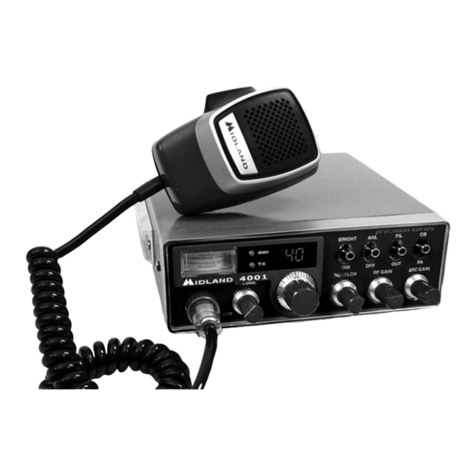
Midland 4001 User manual

Midland

Midland 4001 User manual

Midland 278 User manual

Midland

Midland 278 User manual

Midland M-88 Manual

Midland

Midland M-88 Manual

Midland 1001z User manual

Midland

Midland 1001z User manual

Midland WR120B Manual

Midland

Midland WR120B Manual

Midland 248XL User manual

Midland

Midland 248XL User manual

Midland 8001XT User manual

Midland

Midland 8001XT User manual

Midland G-223 User manual

Midland

Midland G-223 User manual

Midland M-222P User manual

Midland

Midland M-222P User manual

Midland GXT760 series User manual

Midland

Midland GXT760 series User manual

Popular Radio manuals by other brands

EisSound KBSound iSelect user manual

EisSound

EisSound KBSound iSelect user manual

Konig HAV-SR41 manual

Konig

Konig HAV-SR41 manual

Roberts exprssion manual 

Roberts

Roberts exprssion manual 

VDigi DD3.0 Operation manual

VDigi

VDigi DD3.0 Operation manual

Radio Shack 21-1863 owner's manual

Radio Shack

Radio Shack 21-1863 owner's manual

Roberts Stream 207 instruction manual

Roberts

Roberts Stream 207 instruction manual

Sony Walkman SRF-M97 Service manual

Sony

Sony Walkman SRF-M97 Service manual

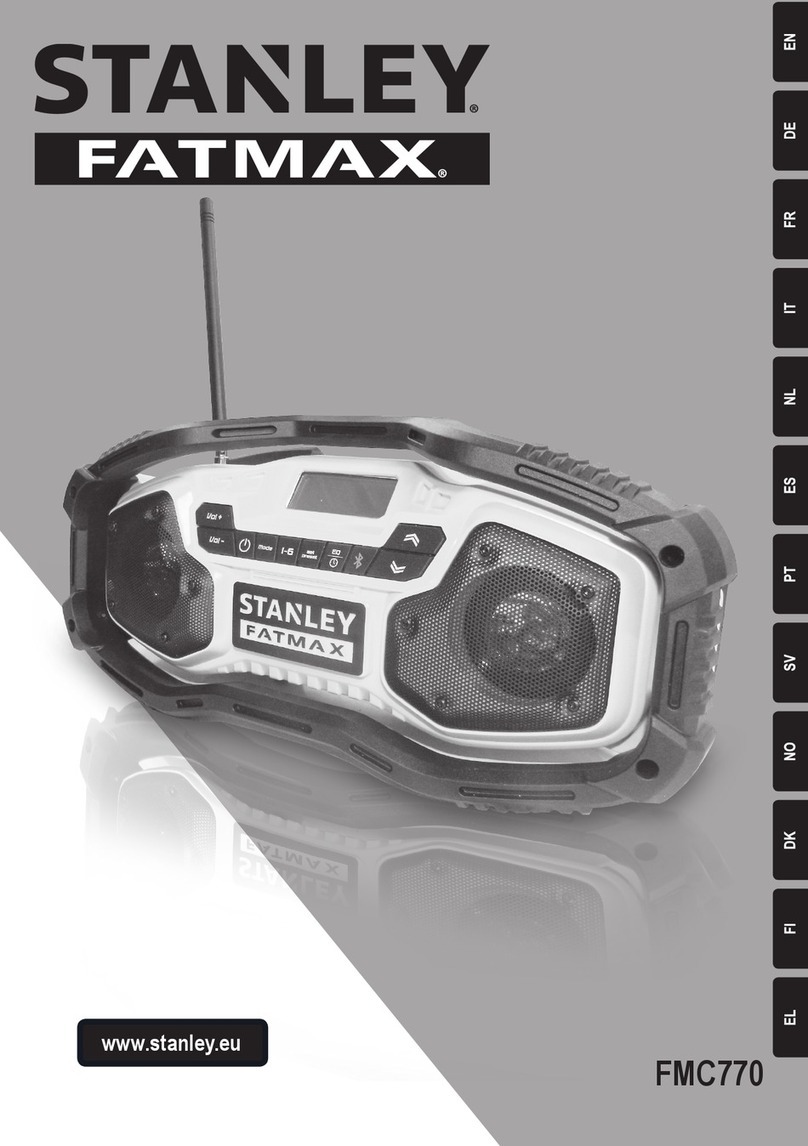
Stanley FatMax FMC770 manual

Stanley

Stanley FatMax FMC770 manual

auna DAB-Radio 10026947 manual

auna

auna DAB-Radio 10026947 manual

SOUNDMASTER UR190 instruction manual

SOUNDMASTER

SOUNDMASTER UR190 instruction manual

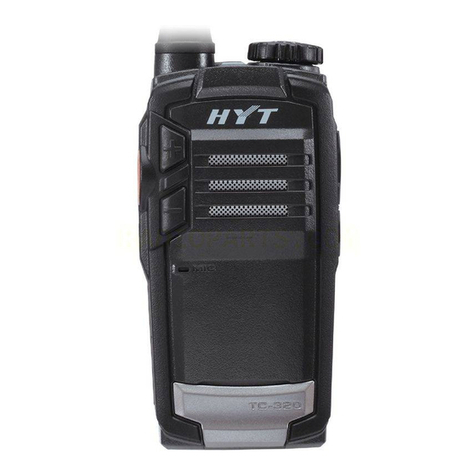
HYT TC-320 user manual

HYT

HYT TC-320 user manual

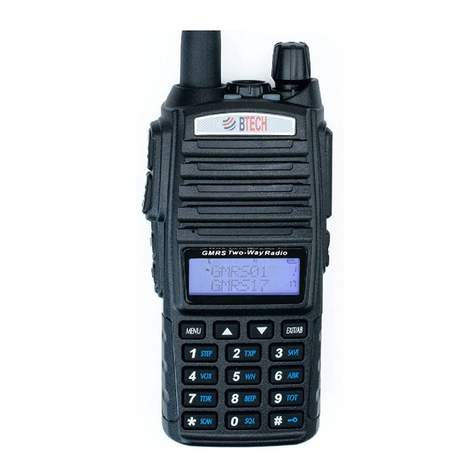
B-Tech GMRS-V2 manual

B-Tech

B-Tech GMRS-V2 manual

Weierwei VEV-V8 user manual

Weierwei

Weierwei VEV-V8 user manual

SOUNDMASTER DAB750 instruction manual

SOUNDMASTER

SOUNDMASTER DAB750 instruction manual

Telefunken TF-1505 instruction manual

Telefunken

Telefunken TF-1505 instruction manual

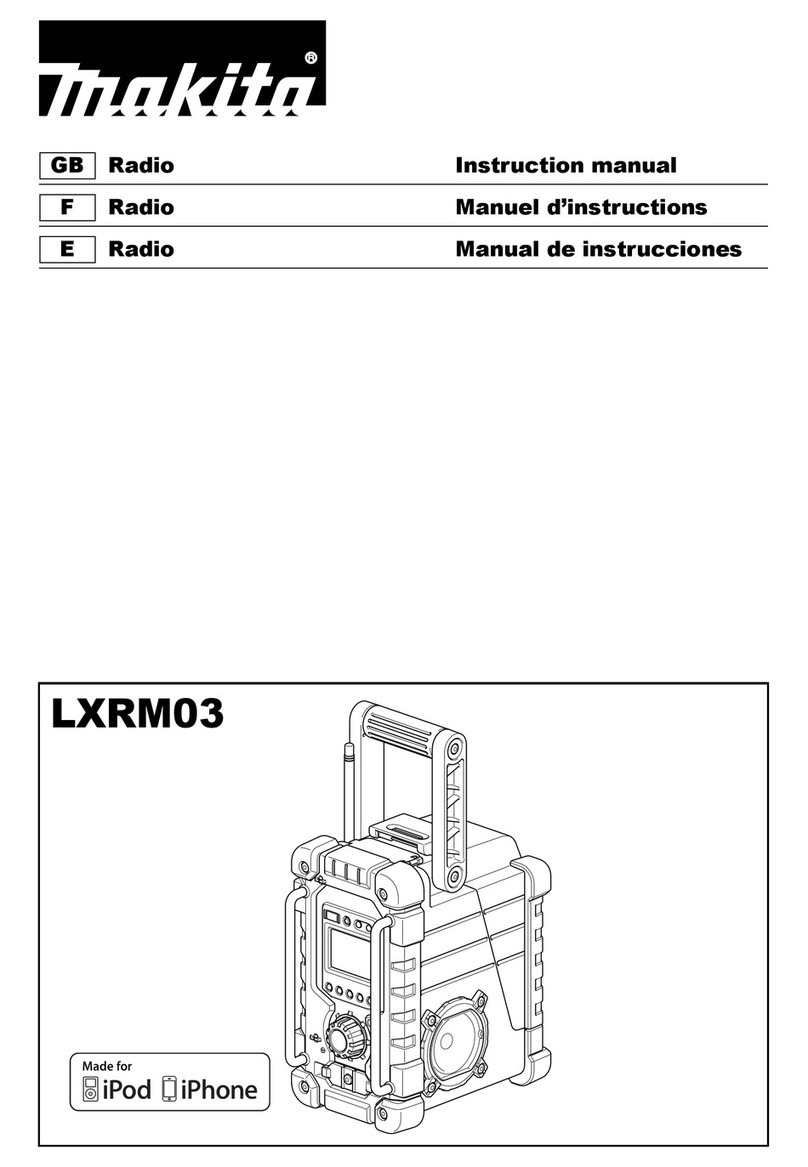
Makita LXRM03 instruction manual

Makita

Makita LXRM03 instruction manual

PRESIDENT TEDDY R. owner's manual

PRESIDENT

PRESIDENT TEDDY R. owner's manual

FRIENDCOM FC-302V user manual

FRIENDCOM

FRIENDCOM FC-302V user manual

manuals.online logo
manuals.online logoBrands
  • About & Mission
  • Contact us
  • Privacy Policy
  • Terms and Conditions

Copyright 2025 Manuals.Online. All Rights Reserved.

iilDLAND
©VINl^rHOlH]
VHF
(LOW
BAND)
SERVICE
MANUAL
70-050
70-055
1690
North
Topping
Avenue
Kansas
City,
Missouri
64120
70-300500
09-050055-SM-3/85-1M
70-050/055
The
Midland
Models
70-050A,
70-050B,
7
0
-
0
5
°
C
’
7n
D55C
are
solid
state
VHF
Low
Band
Land
Mobile
“
opera
e
the
29-37
MHz
(7O-05OA,
70-055A)
70-053b
5
and
40-54
MHz
(70-050C,
70-0550
ranges
70-05
5A,
70-055B,
and
transceivers
designed
35_44
MHz
(70-050B,
and
field
programmable/
these
S'YN-TECH
Providino
up
to
80
channel
capability
rroviu-Lug
f
r
.
1P
n
r
ies
and
options,
models^are^esignet/lc/providt^flexible
c.Snlc.t*
on.
.or
a
vartet,
of
applications.
distributed
in
the
following
forms.
service
;
h
e
d
and
Manual
Addition
(MA)
Change
Notice
(CN)
Provides
additional
information
useful
in
unit
alignment
and
service
or
to
upgrade
for
increased
capability,.
rrm
ted
on
BLUE
paper.
rcuitry
changes
made
during
by
model
and
serial
number.
YELLOW
paper.
Details
production
Printed
on
Manual
Correction
(MC)
Corrects
manual
errorsnot
related
to
production
changes.
Printed
on
paper.
—
,
.
.
nii
t
i
n
(TB)-
Provides
solutions
for
field
problems
fechmcal
Bulletin
(
)
^
Lips
for
performance
improvement.
.
n
T
11
1/
_
„
~
~
Careful
use
of
installed
and
areas
of
manual
the
manual
information
wilJ
maintained
units.
Comments
improvement
are
welcome.
insure
properly
aligned,
or
suggestions
conceining
TABLE
OF
CONTENTS
70-050/055
INTRODUCTION
.
P
a
8
e
2
TABLE
OF
CONTENTS
.
p
age
3
SPECIFICATIONS
General.P
a
8
e
4
Receiver
Performance.page
5
Transmitter
Performance
and
CTCSS
.
page
6
E/PROM
PROGRAMMING
.
p
ages
7,8,9
THEORY
OF
OPERATION
.
pages
10,11,12,13,14
BLOCK
DIAGRAM
.
P
a
8
e
15
SUGGESTED
TEST
INSTRUMENTS
.
p
age
16
Test
Equipment
Set-Up
Diagrams.page
16
ALIGNMENT
INSTRUCTIONS
.
p
ages
17,18
Receiver
&
PA
Board
Alignment
Points
Diagram.page
19
Transmitter
Alignment
Points
Diagram.page
20
Supplemental
Alignment
Instructions.page
21
PC
BOARDS
E/Prom
(Top
&
Bottom),
Display
CX-03
(Top
&
Bottom).page
22
Control
CX-04,
Control
Interface
CX-05
(Top
6
Bottom).page
23
Display
Driver
CX-06
(Top
&
Bottom)...page
23
Display
CX-07
(Top
&
Bottom),
Control
Cable
CX-08.page
24
CONTROL
HEAD
SCHEMATIC
DIAGRAM
70-055A,B,C
.
p
age
25
CONTROL
INTERFACE
SCHEMATIC
DIAGRAM
70-055A.B.C
.
p
age
26
CONTROL
PANEL
SCHEMATIC
DIAGRAM
70-050A,B,C
.
p
age
27
PC
BOARD
INTER-CONNECT
DIAGRAMS
70-050A/B/C.P
a
S
e
28
70-055A/B/C.Page
29
RECEIVER
PC
BOARD
DRAWINGS
70-050/055
(Top
View).page
31
70-050/055
(Bottom
View).page
32
RECEIVER
SCHEMATIC
DIAGRAMS
70-050A/B/C.page
33
70-055A/B/C..
34
TRANSMITTER
PC
BOARD
DRAWINGS
70-050/055
(Top
View).
P
age
35
70-050/055
(Bottom
View).page
36
PA
PC
BOARD
DRAWINGS
70-050/055
(Top
View).page
37
70-050/055
(Bottom
View).page
38
TRANSMITTER
SCHEMATIC
DIAGRAM
.
p
age
39
VOLTAGE
CHARTS
Transistors.page
40
Transistors,
F.E.T.'S,
Digital
IC.page
40
Analog
IC
6,
IC901
Pin
Out.page
41
SIMPLIFIED
SQUELCH
CIRCUIT
SCHEMATIC
.
p
age
42
REPAIR
INFORMATION
Chip
Component
Identification
Removal,
Replacement.page
43
IC
Removal,
Replacement.page
44
PC
Board
Removal.page
45
TROUBLE
SHOOTING
CHARTS
General
.
Receiver.
Transmitter,
Modulator.
CPU/PLL
.
.
MOBILE
INSTALLATION
DIAGRAMS
70-050..
70-055.
INSTALLATION
INSTRUCTIONS
.
NOISE
SUPPRESSION
.
ACCESSORIES
.
UNDER
DASH
DC
POWER/ACCESSORY
PLUG
INSTRUCTIONS
.
TRUNK
MOUNT
DC
POWER/ACCESSORY
PLUG
INSTRUCTIONS
.
MICROPHONE
HANG-UP
BOX
&
PARTS
LIST
.
MICROPHONE
SCHEMATIC
&
PARTS
LIST
.
EXPLODED
MECHANICAL
VIEW
DRAWINGS
70-050.
70-055.
PARTS
LIST
.
p
ages
PARTS
ORDERING
INFORMATION
.
APPENDIX
-
OPTION
INFORMATION
CTCSS
Board,
Model
70-2102A
.
2/2.5
PPM
Oscillator
Kits,
Models
70-2124/2125.
12.5
KHz
Channel
Spacing
Kit,
Model
70-2132
.
.
Scan
Kit
(UD),
Model
70-2141.
Scan
Kit
(TM),
Model
70-2142.
Two
Tone
Sequential
Decoder,
Models
70-2151/2152
Noise
Blanker
Kit,
Model
70-2191.
Tone
Enabled
Transmit/Receive
.
Base
Station
Mic
Adaptor
Kit,
Model
70-K33.
.
.
Special
Busy
Channel
Lock-Out
.
.page
47
.page
48
.page
49
.page
50
.page
51
.page
52
.pages
53,54
.pages
55,56
.page
57
.page
58
.page
59
.page
60
.page
61
.page
63
.page
64
65,66,67,68,69,70,71,72,73,74,75,76
.page
77
.
.
.pages
79,80,81,82,83,84,85,86
.page
87
.pages
88,89
.page
90
.page
91
.pages
92
thru
102
.pages
103,104
.
page
105
.
page
106
.pages
107,108
3

GENERAL
SPECIFICATIONS
70-050/055
Nominal
operating
voltage:
Temperature
range:
Antenna
impedance:
Microphone:
Speaker
-
internal:(70-050A/050B/050C)
external:
Frequency
control:
Frequencies
of
operation:
Receiver
and
transmitter
performance
bandwidth
without
adjustment:
Maximum
transmit-to-receive
frequency
separation:
Frequency
tolerance
and
stability:
Duty
cycle:
High
humidity:
Vibration
stability:
Shock
stability:
Channel
capability:
Current
drain
-
Standby:
Receive:
Transmit:
Dimensions
(HWD):
Main
chassis:
(70-050/055)
Control
head:
(70-055)
Speaker:
(70-055)
Weight:
Main
chassis:
(70-050/055)
Control
Head:
(70-055)
Speaker:
(70-055)
13.6V
DC
(negative
ground)
(12.2-16V
DC
range)
-30°C
to
+60°C
50
ohms,
unbalanced
Dynamic
element,
with
amplifier
8
ohms
4
ohms
Frequency
synthesized
with
EPROM
Programming
29-37
MHz
(70-050A/055A)
35-44
MHz
(70-050B/055B)
40-54
MHz
(70-050C/055C)
1.0
MHz
Standard
2.0
MHz
(Optional)
2.0
MHz
+5
PPM
Tx
and
Rx
(Standard)
+2.5
or
2.0
PPM
Tx
and
Rx
(Optional)
Intermittent
EIA
RS
152-B
(1
minute
Tx,
4
minutes
Rx)
95%
@
50°C
per
EIA
RS-152-B,
sec.
13
EIA
RS-152-B,
sec.
14
EIA
RS-152-B,
sec.
15
Up
to
80
channel
transmit/receive
0.35
A
DC
1.00
A
DC
8.00
A
DC
65
x
185
x
280mm
(2%
M
x
7V
x
11")
50
x
88
x
80mm
(2"
x
3%"
x
3
3/16")
100
x
100
x
77mm
(4"
x
4"
x
3")
3.0
kg
(6.6
lb.)
0.8
kg
(1.8
lb.)
0.71
kg
(1.58
lb.)
4
RECEIVER
SPECIFICATIONS
70-050/055
Refer
to
EIA
RS-204-C
and
Standard
of
Performance.
Sensitivity:
Squelch
sensitivity:
DOC
RSS-119
for
Method
of
12dB
SINAD
Threshold
Tight
Measurement
and
0.25uV
@50
ohm
0.2uV
max
or
6dB
SINAD
1.OuV
min,
2.OuV
max
Squelch
blocking:
Receiver
attack
(squelch
release)
time:
Receiver
squelch
closing
time:
Modulation
acceptance
bandwidth:
lOdB
100ms
max
200ms
max
+7.0KHz
min
@
20/25/30
KHz
+4.5KHz
min
@
12.5
KHz
Adjacent
channel
two
signal
selectivity
and
desensitization:
Spurious
response
attenuation:
Intermodulation
spurious
response
attenuation:
(measured
at
useable
sensitivity)
Audio
power
output:
Audio
frequency
response:
Hum
and
noise:
Conducted
suprious
RF
power:
90dB
@
+20KHz
90dB
80dB
(Noise
Blanker
off)
75dB
(Noise
Blanker
on)
1W
@
5°6
THD
@
8
ohms
(Internal)
5W
a
5°o
TI1D
@
3.2
ohms
(External)
Per
EIA
and
DOC
Specifications
Unsquelched
40dB
Squelched
50dB
200uV
across
50
ohms
(800pW)
from
DC
to
1000MHz
Intermediate
Frequencies:
10.7MHz
(1st)
and
455KHz
(2nd)
SCAN
SPECIFICATIONS
Scan
speed:
20
channels/second
Channel
capacity:
64
(PRI)
64
(SCAN)
Scan
detection:
Scan
resume
delay:
Carrier,
tone
or
vacant
channel
0.3,
2.5/5
seconds
or
infinite
5
TRANSMITTER
SPECIFICATIONS
70-050/055
Refer
to
EIA
RS-152-B
and
DOC
RSS-119
for
Method
of
Measurement
and
Standard
of
Performance.
Carrier
power
output:
Modulation
system:
Audio
frequency
response:
Audio
frequency
harmonic
distortion:
System
deviation:
Modulation
limiting:
Hum
and
noise:
Occupied
bandwidth:
Transmitter
carrier
attack
time
Conducted
spurious
emissions:
Microphone
input
level
and
impedance:
50W
minimum,
adjustable
25-50W
(optional
1-50W)
PM
.
Per
EIA
and
DOC
RSS-119
Specifications
3%
@
1000Hz
for
+3.OKHz
deviation
+5KHz,
max
Instantaneous
peak
clipping
with
low
pass
audio
filter
50dB
Less
than
25uW
adjacent
channel
power,
+30KHz
(-60dB
from
carrier
power)
100ms
max
for
50%
rated
power
Less
than
25uW,
1MHz
to
1000MHz
-8dbm
+3dB/600
ohms
Output
protection:
Shall
withstand
for
5
minutes
all
VSWR
around
Smith
Chart
of
20:1
without
failure
or
damage.
Output
stability:
Shall
not
exceed
spurious
emission
requirements
when
operated
into
a
mis-match
load
with
5:1
VSWR
at
any
point
on
the
Smith
Chart.
CTCSS
SPECIFICATIONS
(Optional,
not
supplied
with
unit)
Code
Frequencies:
Modulation
limits:
Decode
sensitivity:
Receiver
response
time:
Encoder
Response
time:
Transmitter
tone
distortion:
Transmitter
intermodulation
distortion:
SPECIFICATIONS
SUBJECT
TO
All
EIA
Standard
from
67Hz
to
241.8Hz
500
-
1000Hz
Less
than
5dB
SINAD
200ms
max
50ms
max
5%
max
10
%
CHANGE
WITHOUT
NOTICE
6
E/PROM
PROGRAMMING
70-050/055
E/PROM
MODULE
LOCATION
AND
REMOVAL
The
operating
frequencies
and
optional
functions
for
the
Midland
70—
050/055
transceivers
are
programmed
in
a
semiconductor-memory
E/PR0M
module.
To
remove
the
module
for
programming,
first
remove
the
trans¬
ceiver
top
cover,
then
locate
the
small
printed
circuit
board
near
the
front
of
the
unit,
marked
"Z-273".
The
module
is
mounted
on
two
connectors
and
can
be
separated
from
the
main
printed
circuit
board
by
simply
pulling
straight
up.
PROGRAMMING
PREPARATION
NOTE:
The
70-050/055
contains
the
HD44840A22
or
HD44840A27
microcomputer
(IC
9
01).
The
70-1C00
programmer
used
to
program
E/PR0M
modules
for
the
70-050/055
must
be
upgraded
to
the
"E0"
or
later
configuration.
The
70-1000
E/PR0M
Programmer
Operator’s
Manual
contains
detailed
information
concerning
E/PR0M
module
programming.
Be
careful
to
observe
the
following
precautions.
DO
NOT
APPLY
OR
REMOVE
PROGRAMMER
AC
POWER
WHILE
THE
E/PR0M
MODULE
IS
PLUGGED
INTO
THE
PROGRAMMER.
IT
IS
NOT
NECESSARY
OR
RECOMMENDED
TO
PLUG
THE
E/PR0M
MODULE
INTO
THE
PROGRAMMER
EXCEPT
TO
PERFORM
BLANK
CHECK,
WRITE,
VERIFY
OR
COPY
OPERATIONS.
Apply
power
to
the
70-1000
programmer
and
confirm
the
correct
display
is
present.
HEADING
INPUT
Input
the
optional
heading
data
as
described
in
the
70-1000
manual.
BAND
SELECTION
A
band
selection
code
must
be
entered
to
program
the
frequency
range,
IF
and
reference
frequencies,
and
local
oscillator
injection.
he
standard
configuration
70-050/055
will
accept
only
Band
50,
which
is
entered
as
BAND
CODE
0.
Band
50
corresponds
to
a
30-50MHz
frequency
range,
10.7
MHz
RX
IF,
10.24
MHz
TX
IF,
5
KHz
reference
frequency
and
high
side
local
oscillator
injection.
The
70-050/055
can
be
converted
to
accept
bands
5A,
5B,
5C,
5D
or
5E
as
follows:
1.
Band
5A,
BAND
CODE
0A,
differs
from
Band
50
only
in
using
low
side
receiver
local
oscillator
injection
instead
of
high
side.
Low
side
injection
may
be
used
to
reduce
or
eliminate
interferenie
from
intermodulation
products.
Band
5A
should
be
programmed
only
if
the
Low
Side
Injection
Kit
70-2175
(70-050A/055A),
70-2176
(70-050B/055B)
or
70-2177
(70-050C/055C)
has
been
installed
in
the
radio.
If
a
Low
Side
Injection
Kit
has
been
installed.
Band
50
cannot
be
used.
7
E/PROM
PROGRAMMING
70-050/055
2.
Band
5B
utilizes
a
9.6
MHz
TX
IF,
12.5
KHz
reference
frequency
and
high
side
local
oscillator
injection.
This
band
selection
allows
the
programming
of
"splinter"
frequencies
at
12.5
KHz
channel
spacings.
The
70-2132
12.5
KHz
Channel
Spacing
Kit
must
be
added
to
the
radio
to
allow
operation
on
these
frequencies.
Only
those
frequencies
which
are
evenly
divisible
by
12.5
KHz
may
be
programmed
in
Band
5B.
If
full
specification
receiver
performance
is
required
on
adjacent
12.5
KHz
spaced
channels,
the
12.5
KHz
1st.
/
2nd
IF
Filter
Kit
70-2135
should
also
be
added
to
the
transceiver.
3.
Band
5C
allows
the
programming
of
"splinter"
frequencies
with
low
side
local
oscillator
injection
instead
of
high
side.
To
utilize
this
band,
both
the
70-2132
12.5
KHz
Channel
Spacing
Kit
and
the
appropriate
70—2175/2176/2177
Low
Side
Injection
Kit
must
be
installed
in
the
radio.
Other
band
selection
codes
may
not
be
used
after
this
conversion
.
4.
Band
5D,
BAND
CODE
0D,
utilizes
a
10.24
MHz
TX
IF,
2.5
KHz
reference
frequency
and
high
side
local
oscillator
injection.
This
band
selection
allows
mixed
programming
of
standard
15
KHz
spaced
channels
and
12.5
KHz
"splinter"
frequencies.
To
utilize
this
band,
the
70-2138
2.5
KHz
Channel
Spacing
Kit
must
be
installled.
NOTE:
Radios
containing
the
70-2138
kit
can
be
programmed
on_l.X
with
programmers
configured
with
"0.0"
and
later
software.
5.
Band
5E,
BAND
CODE
0E,
allows
the
mixed
programming
of
standard
15
KHz
spaced
channels
and
12.5
KHz
"splinter"
frequencies
with
low
side
local
oscillator
injection
instead
of
high
side.
The
70-2138
kit
and
the
appropriate
low
side
injection
kit
must,
be
installed
in
the
radio.
CHANNEL
PROGRAMMING
When
the
band
selection
has
been,
channel
frequencies
and
auxiliary
codes
can
be
entered
as
outlined
in
the
70-1000
Operator
s
Manual.
Note
that.
Auxiliary
Code
"0"
(tone
disable)
is
automatically
programmed
for
each
transmit
and
receive
channel
if
no
other
code
is
entered.
Auxiliary
data
may
be
programmed
in
E/PROM
even
if
the
CTCSS
option
is
not
installed
in
the
transceiver.
If
the
transceiver
installation
causes
all
power
to
be
removed
from
the
unit
by
the
ignition
switch,
it.
should
be
noted
that,
the
powerup
channel
will
always
by
the
lowest
numbered
channel
programmed.
As
long
as
power
is
supplied
to
the
radio
power/auxiliary
connecter,
the
channel,
in
use
at
unit,
turn-off
will
be
displayed
at.
turn-on.
SCAN
PROGRAMMING
Up
to
64
channels
can
be
programmed
in
each
of
2
scan
groups.
Refer
to
the
70-1000
Operator's
Manual
for
programming
details.
FUNCTION
CODE
PROGRAMMING
Eight
transceiver
functions
are
programmable
by
function
code
inputs
8
E/PROM
PROGRAMMING
70-050/055
as
detailed
in
the
70-1000
Operator's
Manual.
The
Busy
Channel
Lockout
function,
if
programmed,
prevents
inadvertent
transmission
on
a
occupied
frequency
and
can
be
programmed
to
audibly
warn
the
operator
that,
transmission
is
not
occuring.
The
BCL0
function
can
be
jumper
selected
to
operate
on
carrier
or
CTCSS
tone.
The
standard
radio
is
configured
for
carrier
BCL0
by
JP107.
If
tone
BCL0
is
desired,
remove
JP107
and
install
a
jumper
in
the
JP108
position.
DO
NOT
operate
the
radio
with
both
JP107
and
JP108
installed.
Time
Out
Timer
programming
is
selectable
from
30
seconds
to
210
seconds
as
detailed
in
the
70-1000
manual.
Note
that
for
all
radios
programmed
for
either
noise
squelch
scan
or
CTCSS
scan,
the
automatic
default
condition
should
be
used
for
function
codes
3
and
4
(intervals
A
and
B).
These
same
default
conditions
should
also
by
used
if
no
scan
channels
are
programmed.
PROGRAMMING
THE
E/PROM
MODULE
Carefully
check
the
programming
data
entered
in
the
buffer
RAM
of
the
programmer
for
correctness
by
repeatedly
pressing
ENTER
or
by
printing
out
the
buffer
RAM
contents
on
the
70-1300
printer.
Prepare
the
E/PR0M
module
for
programming
by
a
thorough
erasure
in
the
70-1100
E/PROM
Eraser.
Plug
the
E/PR0M
module
in
the
programmer
adapter,
noting
the
following
precaution.
MAKE
SURE
THE
E/PR0M
MODULE
CONNECTORS
MATE
PROPERLY
WITH
THE
ADAPTER
PINS
AND
ARE
NOT
OFFSET
IN
EITHER
DIRECTION.
Remove
the
module
at
the
completion
of
the
Blank
Check,
Write
and
Verify
operations.
Reinstall
the
E/PR0M
module
in
the
transceiver,
again
checking
for
proper
mating
of
the
connectors.
9
THEORY
OF
OPERATION
0-0
PLL/Synthesizer
Function
The
frequency
synthesizer
consists
of
two
phase-locked
loops.
One
loop
(Main
PLL)
is
controlled
directly
by
the
microcomputer
and
generates
the
receive
local
oscillator
frequency.
This
loop
also
generates
a
frequency
used
in
the
second
loop
(Transmit
PLL)
for
transmitter
operat
ion
.
Reference
Oscillator
and
Main
PLL
A
stable
frequency
for
the
entire
radio
is
generated
by
a
crystal
oscillator
composed
of
X101,
Q701
and
related
components.
This
oscillator
operates
at
5.12
MHz
and
stability
is
maintained
by
use
of
a
posistor
crystal
heater.
This
5.12
MHz
signal
is
divided
by
1024
in
IC701
to
give
the
5kHz
reference
frequency
for
the
Main
PLL
loop
consisting
of
IC701
(phase
comparator
and
programmable
divider),
Q704-
706
(loop
low
pass
filter),
D702/707
(VCO),
and
IC703
(pre-scaler).
The
VCO
frequency
is
equal
to
the
channel
frequency
plus
10.7
MHz
in
receive
and
channel
frequency
plus
10.24
Mhz
in
transmit.
The
VCO
frequency
is
divided
by
32/33
by
pre
—
scaler
IC703
and
further
divided
in
IC701.
The
division
ratio
of
IC701
is
controlled
by
the
8
bit
code
latched
into
the
shift
register
IC902
from
the
E/PR0M
IC951
under
control
of
the
microcomputer
IC901
.
The
8
bit
code
is
sent
in
serial
fashion
from
IC902
to
1C701
under
microcomputer
control.
Besides
being
a
programmable
divider,
IC701
is
also
a
phase
comparator
which
gene¬
rates
an
error
signal
for
VCO
control
if
the
programmable
divider
output,
is
out
of
phase
with
the
5
KHz
reference
frequency.
Modulator
and
Transmit
PLL
The
5.12
MHz
oscillator
output
is
also
fed
to
IC702
where
it
is
divided
by
8
to
give
640
KHz.
This
signal
goes
directly
to
the
trans¬
mit
phase
shift
modulator
D101/D102.
Audio
from
the
microphone
is
shaped
and
limited
by
IC101
(instantaneous
deviation
control),,
fil¬
tered
and
buffered
and
fed
to
the
phase
shift
modulator.
The
modulator
output
becomes
the
reference
frequency
for
the
Transmit
PLL
loop
consisting
of
IC103
(phase
comparator),
D104/Q108
(VCO),
D108
(mixer),
and
1C106
(fixed
divider).
The
VCO
output,
is
at
the
transmit
channel
frequency
and
is
mixed
at
D108
with
the
Ftx
+
10.24
MHz
signa..
from
the
Main
PLL
loop
to
yield
10.24
MHz.
This
frequency
is
divided
by
16
at
1C106
to
give
640
KHz
and
compared
with
the
640
KHz
reference
signal
from
the
modulator.
Thus
the
VCO
output
is
forced
to
track
the
modulated
reference
signal,
reproducing
this
modulation
at
the
trans¬
mit
frequency.
1C102
detects
any
large
differences
between
the
two
phase
comparator
inputs
and
generates
an
out-of-lock
signal
which
biases
Q111
on
and
prevents
any
transmitter
signal
from
reaching
the
power
amplifier
stages.
Q111
is
also
biased
on
during
receive
by
a
signal
from
the
microcomputer
IC901
pin
6.
Transmit
Power
Amplifier
and
APC
(Automatic
Power
Controller)
The
transmit
PLL
output,
is
amplified
by
Q1
10
before
being
fed
:
o
the
PA
section.
The
(1110
output
is
amplified
to
rated
output
by
Q501
(pre¬
driver),
Q502
(driver),
and
the
final
transistor
Q503.
A
sample
of
the
RF
output
is
detected
by
D501
and
coupled
to
the
diffential
amplifier
10