Carrying Loads - MAXIMUM PAYLOAD
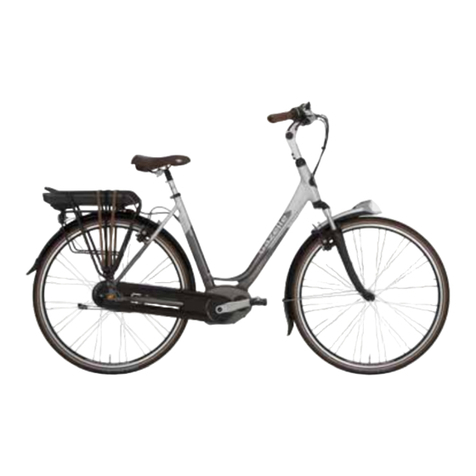
The total maximum weight limit of the Gonow Electric Bicycle™ (120 kg.) includes the weight of the rider as well as
clothing, riding gear, cargo, etc. The kickstand is not designed to be used for loading cargo. You MUST hold onto
the bike whenever loading cargo. Do not assume the bike is stable and balanced when using the kickstand, always
hold onto the bike when cargo is being loaded or in place.
Carrying Cargo
Carrying a cargo load involves additional risks which need to be paid close attention to, users should practice
riding on a flat and open area with light cargo before attempting to carry heavier loads or passengers. You must
become accustomed to the braking, steering, and operational adjustments required to safely operate the Gonow
Electric Bicycle™ with cargo. Braking, acceleration, and balancing are all significantly affected by the addition of
cargo loaded on the Gonow Electric Bicycle™.
Notice: The following bulleted list provides important tips for the safe operation of the Gonow Electric Bicycle™
when used for carrying cargo.
● Plan your route accordingly as your hill climbing ability, steering and braking are all impacted when cargo is
loaded on the Gonow Electric Bicycle™. Hills that are normally easy to climb and descend without cargo
can become challenging and dangerous once cargo is loaded.
● Cargo should be loaded as low as possible to lower the center of gravity and improve stability, but ensure
that cargo does not interfere with any moving components or the ground.
● Ensure your loads are properly secured and periodically check that nothing loosens.
● Get a feel for the cargo load in a flat and open area before riding on roads.
● Do not use the front brake by itself, always apply the rear brake first followed by the front brake and be sure
to use both brakes for all braking operations. Front fork failure or loss of control are plausible when the front
brake is operated independently for slowing at high speed with cargo loads.
● The kickstand is not designed to be used for loading cargo. You MUST hold onto the bike whenever loading
cargo. Do not assume the bike is stable and balanced when using the kickstand, always hold onto the bike
when cargo is being loaded or in place.
Maintenance Bicycle Care
To ensure safe riding conditions you must properly maintain your bike. You should follow these basic guidelines
and see your certified local bike shop seasonally to ensure your bike is safe for use.
● Properly maintain batteries by keeping them fully charged when not in use.
● Never immerse the bike or any components in water as the electrical system may be damaged.
● Periodically check wiring and connectors to ensure there is no damage and the connectors are secure.
● To clean, wipe the frame with a damp cloth soaked in a mild non-corrosive detergent mixture. Dry with a
cloth.
● Store under shelter; avoid leaving it in the rain or exposed to corrosive materials. If exposed to rain, dry
your bicycle afterwards and apply anti-rust treatment to chain and other unpainted steel surfaces.
● Riding on the beach or in coastal areas exposes your bicycle to salt which is very corrosive. Wash your
bicycle frequently and wipe or spray all unpainted parts with anti-rust treatment. Damage from corrosion is
not covered under warranty so special care should be given to extend the life of your bike when used in
coast areas or areas with salty air or water.
● If the hub and bottom bracket bearings have been submerged in water they should be taken out and
re-greased. This will prevent accelerated bearing deterioration.
● If the paint has become scratched or chipped in the metal, use touch up paint to prevent rust. Clear nail
polish can also be used as a preventative measure.
● Regularly clean and lubricate all moving parts, tighten components and make adjustments and required.
WWW.GONOWELECTRICBICYCLES.COM
10
GONOW