manuals.online logo
Brands
  1. Home
  2. •
  3. Brands
  4. •
  5. Sony
  6. •
  7. Measuring Instrument
  8. •
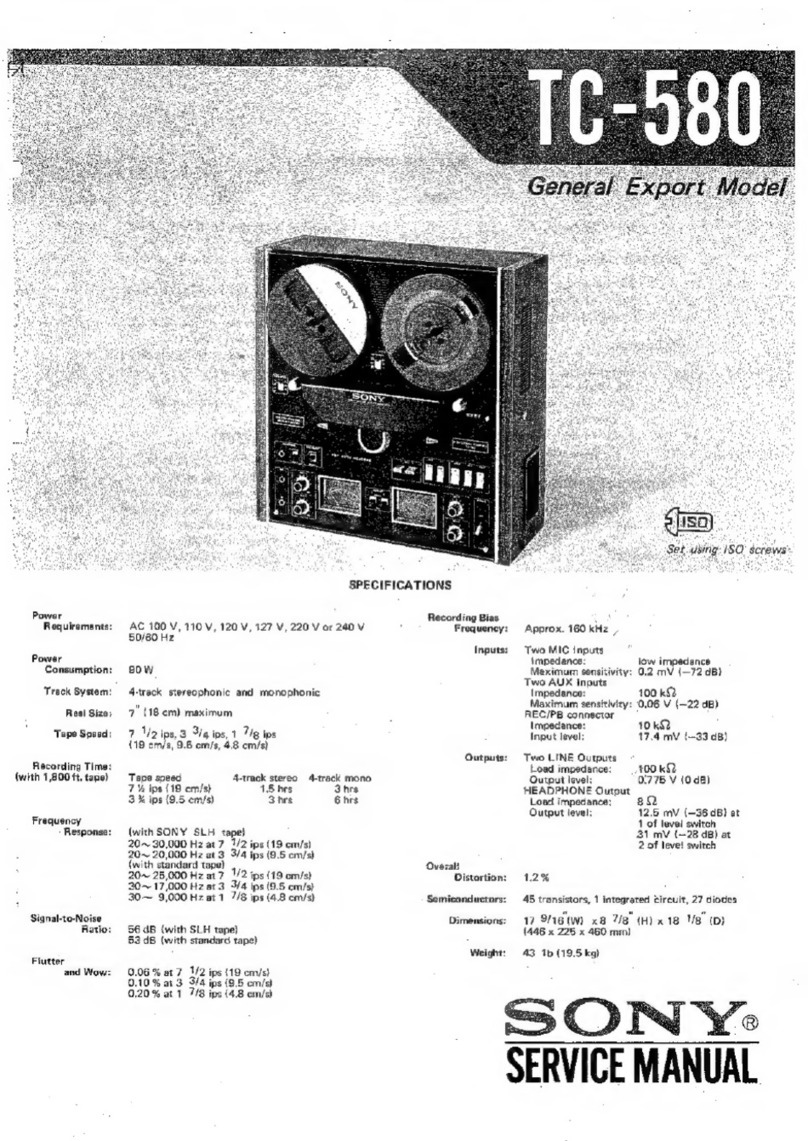
  9. Sony TC-366-4 Setup guide

Sony TC-366-4 Setup guide

Other Sony Measuring Instrument manuals

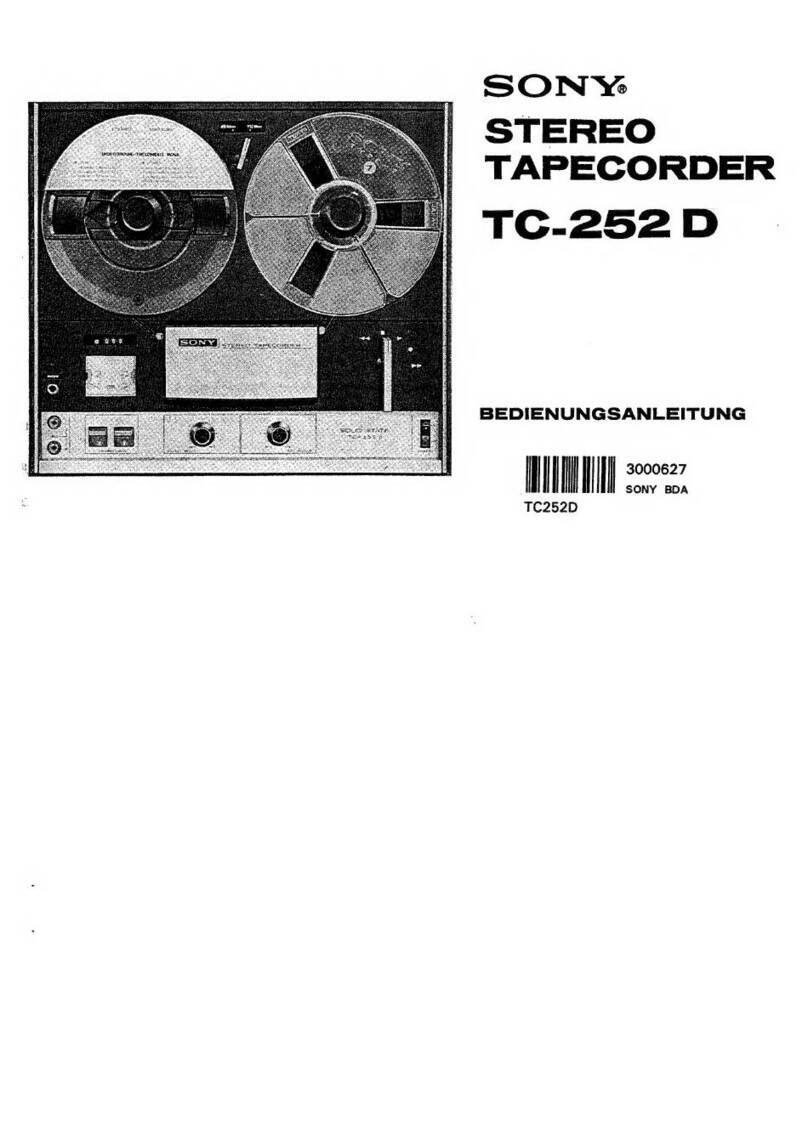
Sony DNW-A100 User manual

Sony

Sony DNW-A100 User manual

Sony SVT-RA40 User manual

Sony

Sony SVT-RA40 User manual

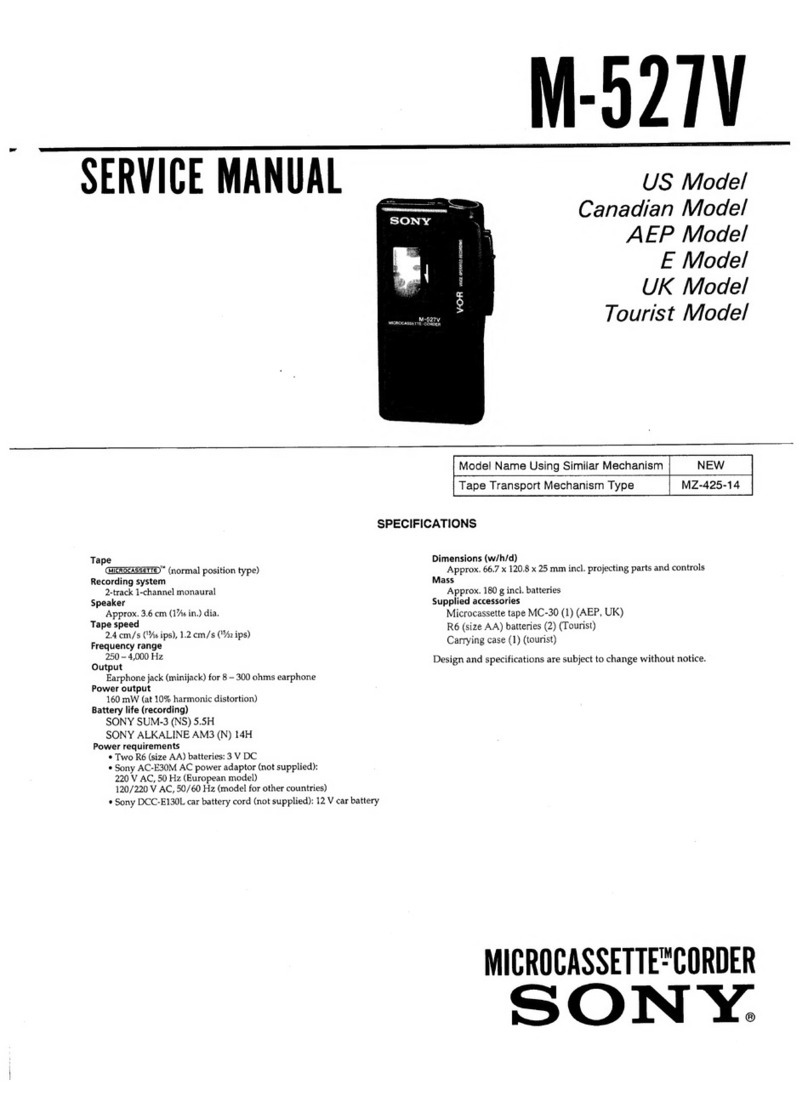
Sony M-527V User manual

Sony

Sony M-527V User manual

Sony TC-730 User manual

Sony

Sony TC-730 User manual

Sony TC-377 User manual

Sony

Sony TC-377 User manual

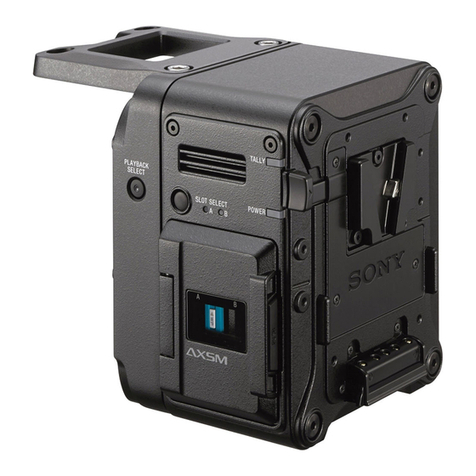
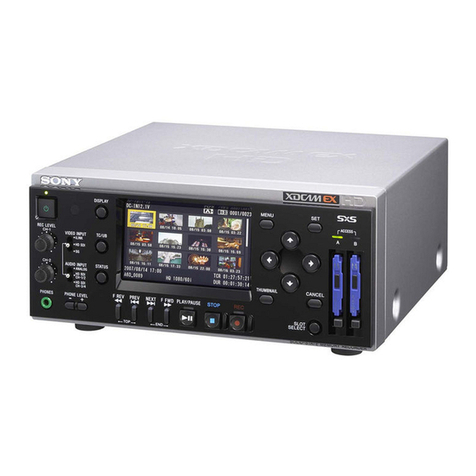
Sony AXS-R7 User manual

Sony

Sony AXS-R7 User manual

Sony 3026 Operating and maintenance manual

Sony

Sony 3026 Operating and maintenance manual

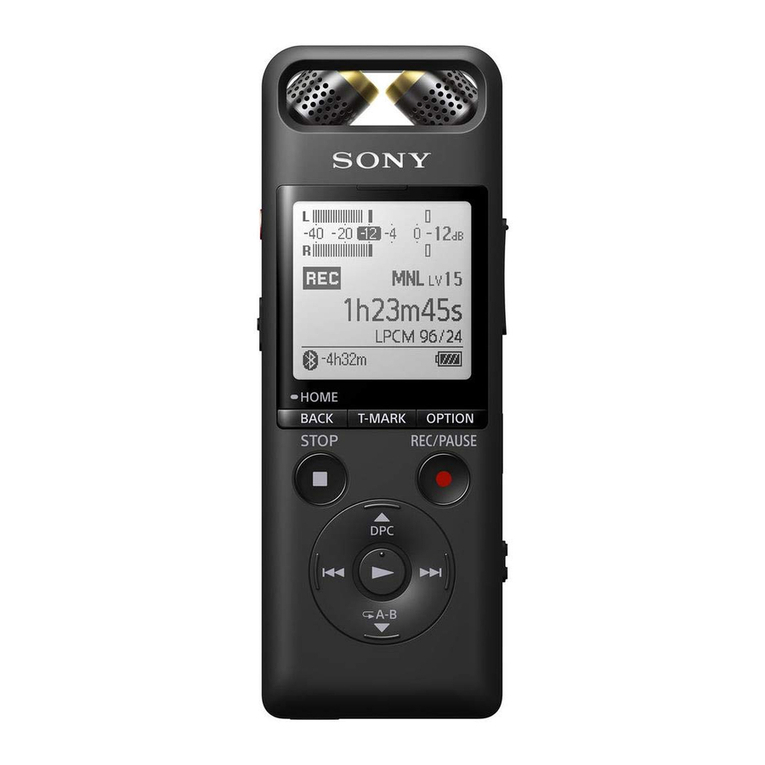
Sony ICD-LX30 User manual

Sony

Sony ICD-LX30 User manual

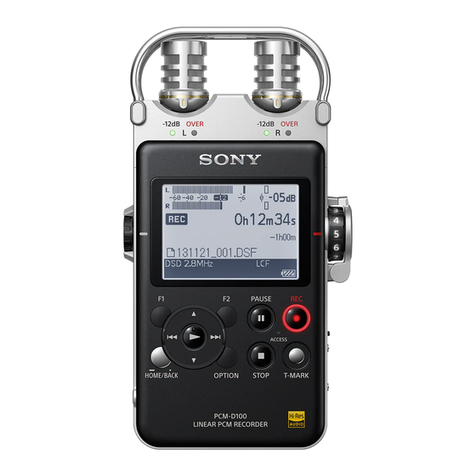
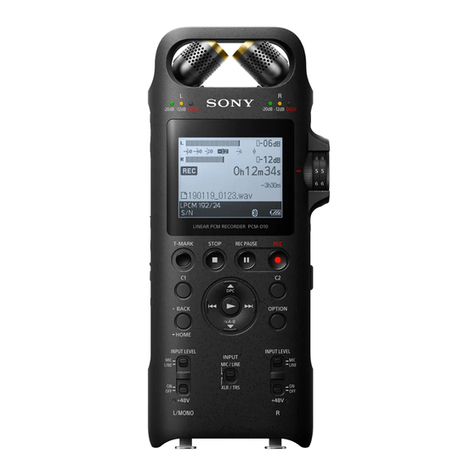
Sony PCM-D100 Reference guide

Sony

Sony PCM-D100 Reference guide

Sony DCR-PC115 User manual

Sony

Sony DCR-PC115 User manual

Sony STR-DA30ES - Fm Stereo/fm-am Receiver User manual

Sony

Sony STR-DA30ES - Fm Stereo/fm-am Receiver User manual

Sony PMA8000C User manual

Sony

Sony PMA8000C User manual

Sony MAV-555A User manual

Sony

Sony MAV-555A User manual

Sony APR-5000 User manual

Sony

Sony APR-5000 User manual

Sony ICD-B200RS User manual

Sony

Sony ICD-B200RS User manual

Sony BVU-800 User manual

Sony

Sony BVU-800 User manual

Sony MZ-N10 User manual

Sony

Sony MZ-N10 User manual

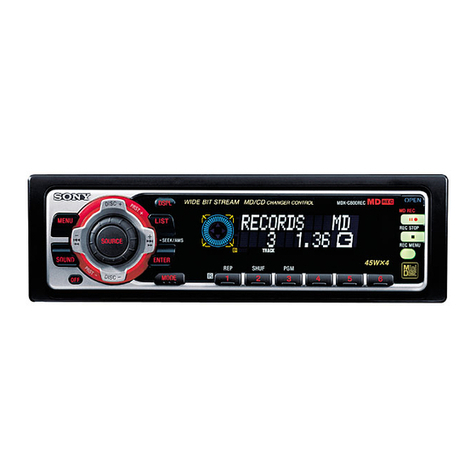
Sony MDX-C800REC User manual

Sony

Sony MDX-C800REC User manual

Sony DVW-250 User manual

Sony

Sony DVW-250 User manual

Sony DG805FL User manual

Sony

Sony DG805FL User manual

Sony SVT-N72P User manual

Sony

Sony SVT-N72P User manual

Sony Handycam DCR-TRV6 User manual

Sony

Sony Handycam DCR-TRV6 User manual

Sony DK812FR User manual

Sony

Sony DK812FR User manual

Sony LE-SP6800 Series Installation and operating manual

Sony

Sony LE-SP6800 Series Installation and operating manual

Popular Measuring Instrument manuals by other brands

Powerfix Profi 278296 Operation and safety notes

Powerfix Profi

Powerfix Profi 278296 Operation and safety notes

Test Equipment Depot GVT-427B user manual

Test Equipment Depot

Test Equipment Depot GVT-427B user manual

Fieldpiece ACH Operator's manual

Fieldpiece

Fieldpiece ACH Operator's manual

FLYSURFER VIRON3 user manual

FLYSURFER

FLYSURFER VIRON3 user manual

GMW TG uni 1 operating manual

GMW

GMW TG uni 1 operating manual

Downeaster Wind & Weather Medallion Series instruction manual

Downeaster

Downeaster Wind & Weather Medallion Series instruction manual

Hanna Instruments HI96725C instruction manual

Hanna Instruments

Hanna Instruments HI96725C instruction manual

Nokeval KMR260 quick guide

Nokeval

Nokeval KMR260 quick guide

HOKUYO AUTOMATIC UBG-05LN instruction manual

HOKUYO AUTOMATIC

HOKUYO AUTOMATIC UBG-05LN instruction manual

Fluke 96000 Series Operator's manual

Fluke

Fluke 96000 Series Operator's manual

Test Products International SP565 user manual

Test Products International

Test Products International SP565 user manual

General Sleep Zmachine Insight+ DT-200 Service manual

General Sleep

General Sleep Zmachine Insight+ DT-200 Service manual

Sensa Core Lacto Spark user manual

Sensa Core

Sensa Core Lacto Spark user manual

VOLTCRAFT UTS-1980 operating instructions

VOLTCRAFT

VOLTCRAFT UTS-1980 operating instructions

EBCHQ 94915 Operation manual

EBCHQ

EBCHQ 94915 Operation manual

Balluff BIP LD2-T017-01-EP-S4 Series user guide

Balluff

Balluff BIP LD2-T017-01-EP-S4 Series user guide

Pulsar IMP Lite Series instruction manual

Pulsar

Pulsar IMP Lite Series instruction manual

ETCR 6800 user manual

ETCR

ETCR 6800 user manual

manuals.online logo
manuals.online logoBrands
  • About & Mission
  • Contact us
  • Privacy Policy
  • Terms and Conditions

Copyright 2025 Manuals.Online. All Rights Reserved.

KGa]
QUADRADIAL
Sar"
STEREO
TAPECORDER
Me™!
TC-366-4
Mode
d’emploi
Bedienungsanleitung
Welcome
to
the
world
of
SONY
QUADRADIAL
STEREO!
This
new
advance
in
recording
and
reproduction
brings
a
new
breadth
and
realism
to
music,
unobtainable
with
conventional
2-channel
stereo.
Now
the
full
excitement
and
grandeur
of
a
concert
halican
be
faithfully
reproduced
in
your
home,
and you
will
become
the
focal
point
of
musical
and
sound
presentation.
NOTES
ON
AC
VOLTAGE
The
model
TC-366-4
comes
in
two
types.
TYPE
A...
available
in
Canada
“The
set
is
fixed
to
operate
on
AC
117
V,
60
Hz.
TYPE
8.
.
.
available
in
other
countries
The
set
can
be
adjustable
for
operating
on
either
AC
100, 110,
117,
125,
220
or
240
V,
and
either
50
or
60
Hz.
Before
operating,
check
whether
the
recorder
is
correctly
set
to
operate
on
the
AC
power
line
of
your
local
area.
If
readjust-
ment
is
necessary,
refer
to
‘‘Adaptation
to
Your
Local
Power
Line’
on
page
26.
TABLE
OF
CONTENTS
Name
and
Operation
of
Controls
and
Connectors...
.
.
ee
|
Connection
.........
‘
Quadradial
Stereo
Playback
..............
Dupe
tat
Lene
Quadradial
Stereo
Recording.................000-
2-Channe!
Stereo—Recording
and
Playback.
. .
MIKI
econ
by
atied
J
bead
apt
¢.
<a
enlace
De
tenapee
at
enateic’
Sound-on-Sound
Recording
Erasing
Tape.............
uy
de
ae
Splicing
Tape...
.
2.2...
2000.2200..0..
Maintenance
.........
Sete
aeuste
fede
Scie
ai
en
ariesse
Adaptation
to
Your
Local
Power
Line.
.
Specifications
................
i
22
ae
Circuit
Diagram...
2.
ee
ee
odes,
Soe
gay
PRECAUTIONS
Always
keep
the
heads
clean.
Dust
and
deposits
of
foreign
matter
on
the
heads
will
affect
sound
quality
of
recording
and
playback,
For
maintenance,
refer
to
page
22.
1.
The
Function
Selector
of
the
TC-366-4
cannot
be
locked
without
threading
the
tape
properly.
2.
The
Microphone
Inputs
and
the
Auxiliary
Inputs
of
this
re-
corder
can
be
used
simultaneouely
for
mixing.
To
record
only
through
the
Microphone
Inputs,
disconnect
any
input
source
from
the
Auxiliary
tnputs;
and
vice
versa.
3.
Turn
the
Function
Selector
to
the:
gm
position
and
turn
the
power
off
when
the
recorder
is
not
being
used.
4.
Keep
the
set
ina
well
ventilated
area
away
from
any
exces-
sive
heat
or
moisture.
And
allow
at
least
1
inch
clearance
behind
the
set
for
ventilation.
Bienvenue
dans
te
monde
du
STEREO
QUADRADIAL
SONY!
Ce
nouveau
développement
dans
I’enregistrement
et
la
repro-
duction
du
son
donne
&
la
musique
un
réalisme
et
une
ampleur
nouvelle,
impossibles
4
obtenir
avec
les
appareils
stéréo
habi-
tuels
&@
deux
canaux.
Maintenant,
vous
pouvez
avoir
l’enthousiasme
et
la
grandeur
d'une
salle
de
concert
fidélement
reproduits
dans
votre
intéri-
eur,
devenu
un
foyer
de
présentation
du
son
et
de
la
musique.
PREAVIS
SUR
LA
CONNEXION
DU
COURANT
DE
SECTEUR
Le
modéle
TC-366-4
a
deux
versions.
TYPE
A.
.
.disponible
au
Canada
Le
magnétophone
a
été
ajusté
pour
te
fonctionnement
sur
courant
alternatif
de
117
V,
60
Hz.
TYPE
8..
.disponible
dans
les
autres
pays
Le
magnétophone
peut
&tre
ajusté
pour
Je
fonctionnement’
sur
courant
aiternatif
de
soit
100,
110,
117,
125,
220
ou
240
V,
50
ou
60
Hz.
Avant
lutilisation,
vérifier
si
le
magnétophone.a
été
bien
régié
vour
fonctionner
sur
!a
tension
de
votre
secteur.
Si
un
rajuste-
ment
est
nécessaire,
se
référer
a
‘‘Adaptation
au
courant
du
secteur
local’
page
27.
TABLE
DES
MATIERES
Fonctions
des
réglages
et
connexions................
6
Connexions
................-
Ecoute
stéréo
quadradial
..
.
Enregistrement
stéréo
quadradial
Stéréo
sur
2
canaux
enregistrement
et
écoute
Mélange
...........,..-.
219
Enregistrement
son-sur-son
.
19
Effacement
de
la
bande.
.
.
eaiet
Montage
de
la
bande
....
.21
Entretien
aera
eee
23
Adaptation
au
courant
du
secteur
local...
............
27
Specifications:
s-<-s..:¢
267%,
sche
seeders
Sha
dats
ace
Bead
eoml
29
Schéma
du
circuit.
2...
2-2...
.
0.
ee
ee
ee
eee
30
PRECAUTIONS
Prendre
soin
de
maintenir
les.
tates
toujours
propres.
La
pous-
siére
et
les
dépéts
étrangers
sur
les
tétes
affectent
la
qualité
du
son
&
Venregistrement
et
4
I’écoute:.
Pour
|’entretien,
se
référer
&
la
page
23.
1.
Le
sélecteur
de
fonction
du
TC-366-4
ne
peut
pas
étre
bloqué
en
place
si
la
bande
n’a
pas
été
convenablement
enroulée.
2.
Les
entrées
de
microphone
et
les
entrées
auxiliaires
de
ce
magnétophone
peuvent
étre
utilisées
simultanément
pour
le
mélange.
Pour
enregistrer
seulement
par
les
entrées
de
microphone,
débrancher
des
entrées
auxiliaires
toute
source
d’entrée
;
et
vice-versa.
3.
Placer
le
sélecteur
de
marche
&
Ja
position
[MH]
(arrét)
et
couper
\alimentation
lorsqu’on
ne
se
sert
pas
de
l’appareil.
4.
Placer
l'appareil
dans
un
endroit
bien
aéré,
sans
chaleur
ou
humidité
excessives.
Et
laisser
larriére
um
écart
d'envi-
ron
2,5
cm
pour
l’aération.
Herzlich
willkommen
unter
den
Freunden
des
SONY
QUAD-
RADIAL
vierkanaligen
Stereokianges!
Dieses
neue
Aufnahme-
und
Wiedergabeverfahren
erméglicht
einen
Grad
an
Klang-
realismus,
der mit
dem
bisherigen
zweikanaligen
Stereosystem
nicht
erreichbar
war!
Das
QUADRADIAL-Vierkanalsystem
verwandelt
thr
Wohnzimmer
buchstablich
in
einen
Klangraum,
und
Sie
selbst
sitzen
im
Brenn-
punkt
des
musikalischen
Geschehens!
BEIM
WECHSELSTROMANSCHLUSS
ZU
BEACHTEN
Das
Model
TC-366-4
gibt
es
in
drei
Ausfihrungen.
AUSFUHRUNG
A.
.
.
erhaltlich
in
Kanada
Das
Gerat
fir
den
Betrieb
mit
117
V,
60
Hz.
AUSFUHRUNG
B.
.
.
erhaitlich
in
anderen Landern
Das
Gerat
ist
auf
100,
110,
117,
125,
220
und
240
V,
und
auf
50
oder
60
Hz
einstellbar.
Vor
Inbetriebnahme
kontrollieren,
ob
die
eingestetie
Betriebs-
spannung
des
Gerats
mit
der
lokalen
Netzsoannung
uberein-
stimmt,
Ist
eine
Umsteliung
erforderlich,
vergleichen
Sie
bitte
.Anpassen
ans
6rtliche
Stromnetz”
auf
Seite
27.
INHALT
Erlauterungen
der
Steuervorrichtungen
und
Anschtisse
...
8
Herstellen
der
Anschlisse
.............2.-04.
icant
Al
Vierkanalige
,,
QUADRADIAL”
Stereowiedergabe
........
13
Vierkanalige
,,
QUADRADIAL”
Stereobandaufnahmen
....
.
15
Zweikanalige
Stereoaufnahme
und
-wiedergabe
........
17
Mixen....
2.2.0
0228
G
Multiplay-Aufnahmen
.....
af
ts
Léschen
bespielter
Bander.
...........-.....
ere
4
|
Schneiden
und
Kleben
von
Tonbandern...........
goeagt
Pflege
und
Instandhaltung
dint
23
Anpassen
ans
Grtliche
Stromnetz
..............0008
27
Technische
Daten
...........
0-000.
Aig
ee
Schaltbild
............
ep
dad
Gab
Ba
are
vd
ep
Scan
ds
ek
Tags
eee
a
..30
WICHTIGE
HINWEISE
Die
Tonképfe
immer
peinlichst
sauberhalten!
Staub
und
andere
Ablagerungen
auf
den
Tonképfen
beeintrachtigen
die
Aufnahme-
und
Wiedergabequalitat.
Nahere
Wartungshinweise
finden
Sie
auf
Seite
23.
1.
Der
Laufdrehschalter
des
Gerats
la8t
sich
nur
dann
richtig
einrasten,
wenn
Tonband
eingefadelt
ist.
2.
Die
Mikrofon-
und
Hilfseingange
des
Geraéts
kénnen
gleich-
zeitig
benutzt
werden,
wodurch
Mischaufnahmen
méglich
sind.
Bei-
ausschlieBlicher
Verwendung
der
Mikrofone
jedoch
alle
Anschliisse
von
den
Hilfseingangen
abtrennen,
und
umgekehrt.
3.
Bei
Nichtbenutzung
des
Gerats
den
Laufdrehschalter
stets
auf
[Ml]
stellen
und
den
Strom
abschalten,
4,
Das
Gerat
an
einem
gut
belifteten,
nicht
zu
hei8en
oder
zu
feuchten
Platz
aufstellen.
Hinter
dem
Gerat
mindestens
3
cm
Spielraum
lassen,
um
gute
Beliftung
zu
gewahrieisten,

NAME
AND
OPERATION
OF
CONTROLS
AND
CONNECTORS
Tape
Speed
Selector
Reel
Spindies
Tape
Counter
Tension
Arm
Instant
Stop
Lever
Shut-off
Switch
REAR
Record
Lever
Function
Selector
FRONT
Record
Lever
Pilot
Lamp
Power
Switch
FRON'
Noise
Suppressor
Switches
REA
Headphone
Jacks
R
Microphone
inputs
!
Monitor
Switches
Record
Volume
Controls
bd
a
Level
Meters
Tape
Selectors
Auxiliary
Inputs
ees
eae.
Ac
Power
Cord
FRONT
Ground
Terminal
Ac
Voltage
Selector
*
oa
ais
sh
Line
Outputs
\
Auxiliary
Inputs
4
r
eerees
es
*
This
selector
is
not
REAR
1
equipped
with
the
set
available
in
Canada.
Tape
Speed
Selector
[TAPE
SPEED]
Selects
the
tape
speed
of
7%
ips
and
3%
ips.
Tape
Counter
Indicates
the
approximate
amount
of
tape
used
in
recording
or
playback.
To
reset
the
counter
to
[0000],
press
the
reset
button
at
the
left
side
of
the
counter.
Instant
Stop
Lever
[INST
STOP}
Instantly
stops
tape
motion
during
recording
or
playback.
Reel
Spindles:
Reel
Caps
Servo
Controlled
Back
Tension
Arm
(under
the
head
cover}
Quickly
responds
to
any
subtle
change
of
tape
tension
so
that
a
smooth,
even
flow
of
tape
past
the
head
assembly
is
maintained.
Total
Mechanism
Automatic
Shut-off
(under
the
head
cover)
Activates
the
shut-off
mechanism
when
the
tape
runs
out
or
breaks,
which
stops
the
tape
transport
and
returns
the
Function
Selector
to
the
gf
position.
Function
Selector
®
position,
...to
start
the
tape
in
either
record
or
playback
mode.
HM
position...
.to
stop
the
tape.
«44
position...
.to
rewind
the
tape.
Pr
position.
...
.for
fast
forward
tape
motion.
The
Function
Selector
cannot
be
locked
without
threading
the
tape.
Pitot
Lamp
Indicates
that
the
power
is
ON.
Power
Switch
[POWER]
Turns
the
set
on
or
off.
Noise
Suppressor
Switch
[NOISE
SUPPRESS}
Reduces
distracting
high
frequency
noises
such
as
record
scratch
or
tape
hiss.
This
switch
has
no
effect
on
recording.
Headphone
Jacks
[HEADPHONE]
Accept
an
8-ohm
stereo
headphone
with
a
standard
binaural
phone
plug.
(SONY
DR-4A
or
DR-5A
recommended)
Microphone
Inputs
[MIC}
Accept
low
impedance
microphones.
(SONY
ECM-19B
recom-
mended)
Record
Levers
[REC]
The
left
lever
is
for
FRONT
channel
recording,
and
the
right
lever
is
for
REAR
channel
recording.
To
make
an
ordinary
4-track,
2-channel
stereo
recording,
use
the
left
(FRONT)
lever
only.
Level
Meters
[LEVEL]
The
swing
of
the
needles
shows
recording
and
playback
level.
The
normal
Jevel
is
indicated
by
a
zero
reading
on
the
meters.
Monitor
Switches
[MONITOR]
For
playback,
set
the
switches
to
TAPE
positions.
While
re-
cording,
the
TAPE
positions
are
for
tape
monitoring
and
SOURCE
positions
are
for
source
monitoring.
The
four
switches
may
be
used
separately.
Tape
Selectors
[TAPE
SELECT]
SPECIAL
positions
are
for
the
SLH
(SONY
Low-noise
High-
output)
tape,
and
NORMAL
positions
are
for
standard
tape.
The
switches
operate
in
either
recording
or
playback.
Record
Volume
Controls
AUX
knobs.
.
.to
adjust
the
recording
level
from
the
Auxiliary
Inputs.
Mic
knobs.
..to
adjust
the
recording
level
from
the
Micro-
phone
Inputs.
Auxiliary
Inputs
[AUX
IN]
Use
these
inputs
to
record
from
a
stereo
amplifier
or
another
tape
recorder.
Line
Outputs
(LINE
OUT]
Use
these
outputs
to
connect
to
the
tape
inputs
of
a
stereo
amplifier
for
tape
playback,
or
to
the
auxiliary
inputs
of
another
tape
recoder
for
dubbing.
Ground
Terminal
[GND]
If
residual
hum
noise
is
present,
connect
this
terminal
to
the
chassis
of
the
connected
amplifier,
or
directly
to
ground.
FONCTIONS
DES
REGLAGES
ET
CONNEXIONS
Sélecteur
de
vitesse
de
la
bande
Axes
de
bobine
Compteur
de
bande
Bras
de
tension
Commutateur
de
coupure
Levier
d'arrét
instantané
Levier
d’enregistrement
REAR
Sélecteur
de
marche
Levier
d’enregistrement
FRONT
ae
ae en ee
>
Lampe-témoin
\
ee
A
FRON
Commutateurs
suppresseur
de
bruit
Commutateur
d‘alimentation
{
od
>REAR
Prises
de
casque
d‘écoute
{
—)
Commutateurs
de
relais
L________
sétecteurs
de
bande
Entrées
de
microphone
Réglages
du
volume
de
l‘enregistrement
Indicateurs
de
niveau
Entrées
auxiliaires
rc
Fit
d’alimentation
C.A.
i
FRONT
Borne
de
terre
H
Sélecteur
de
voltage
C.A*
Sorties
de
ligne
\
Entrées
auxiliaires
i
*
Ce
sélecteur
n’est
pas
REARS
équippé
sur
l'appareil
j
disponible
au
Canada.
i
on
sé
Sorties
de
ligne
Sélecteur
de
vitesse
de
la
bande
[TAPE
SPEED}
Permet
le
choix
d’une
vitesse
de
bande
de
19cm/s
ou
de
9,5
emjs.
Compteur
de
bande
Indique
!a
longueur
approximative
de
bande
utilisée
@
V’enregi-
strement
ou
&
l'écoute.
Pour
remettre
4
[000],
appuyer
sur
Je
bouton
de
remise
4
zéro,
&@
gauche
du
compteur.
Levier
d’arrét
instantané
(INST
STOP}
Met
instantanément
la
bande
a
larrét
pendant
l’enregistrement
ou
I’écoute.
Axes
de
bobine:
Capuchons
de
bobine
Bras
de
tension
arriére
4
servo-contréle
(sous
fe
couvercle
de
tétes)
Répond
instantanément
&
toute
modification
subtile
de
tension
de
la
bande
pour
que
le
déroulement
de
celle-ci
se
maintienne
égal
et
continu
sur
les
tétes.
Mécanisme
de
coupure
automatique
totale
(sous
le
couvercie
de
tétes)
Active
le
mécanisme
de
coupure
Jorsque
ta
bande
arrive
&
fin
de
course
ou
qu’elfe
se
casse,
ce
qui
arréte
le
mouvement
de
la
bande
et
remet
te
sélecteur
de
marche
4
la
position
(MJ.
Sélecteur
de
marche
Position
[m].....
Pour
I’avance
de
la
bande
&
I'enregistre-
ment
ou
a
l’écoute.
Position
(M].....-
Pour
S’arrét
de
la
bande.
Position
[~<#q]....
Pour
le
rebobinage
de
la
bande.
Position
[p>P]...
.Pour
l'avance
rapide
de
fa
bande.
Le
sélecteur
de
marche
ne
peut
pas
étre
bloqué
lorsque
ia
bande
n’a
pas
été
enroulée.
Lampe-témoin
Signale
que
l’alimentation
a
été
mise.
Commutateur
d’alimentation
(POWER
]
Mettre
Uappareil
en
marche
ou
arrét.
Commutateur
suppresseur
de
bruit
[NOISE
SUPPRESS]
Réduit
les
bruits
ganants
de
haute
fréquence
tels
que
tes
égra-
tignures
de
disques
ou
fes
sifflements
de
bande.
Ce
commuta-
teur
ne
fonctionne
pas
au
mode
d’enregistrement.
Prises
de
casque
d‘écoute
[HEADPHONE]
Acceptent
un
casque
d’écoute
stéréo
de
8
ohms
a
fiche
de
casque
binaurale
normale.
(Le
SONY
DR-4A
ou
DR-5A
est
recommandé).
Entrées
de
microphone
[MIC]
Acceptent
des
microphones
&
basse
impédance.
(Le
SONY
ECM-19B
est
recommandé).
Leviers
d’enregistrement
[REC]
Le
levier
de
gauche
est
pour
l’enregistrement
du
canal
de
face
[FRONT],
et
le
levier
de
droite
pour
l"enregistrement
du
canal
arrigre
[REAR].
Pour
effectuer
un
enregistrement
stéréo
sur
2
canaux
sur
une
piste
d’un
quart
ordinaire,
utiliser
le
levier
de
gauche
[FRONT?}
seulement.
indicateurs
de
niveau
[LEVEL]
Loscillation
des
aiguilles
indique
le
niveau
de
l’enregistrement
et
de
l'écoute.
Un
enregistrement
norma!
montre
une
lecture
zéro
sur
les
indicateurs.
Commutateurs
de
relais
[MONITOR]
Pour
I’écoute,
placer
les
commutateurs
&
la
position
[TAPE].
Pendant
l’enregistrement,
les
positions
[TAPE]
sont
pour
f’écoute
en
relais
de
la
bande,
et
les
positions
[SOURCE]
pour
i’écoute
en
relais
de
Ja
source
de
son.
Les
quatre
commutateurs
peu-
vent
étre
utilisés
séparément.
Sélecteurs
de
bande
[TAPE
SELECT]
Lorsque
Ion
utilise
une
bande
SLH
(SONY
4
bas
bruit
et
haut
rendement},
placer
aux
positions
[SPECIAL],
Les
positions
[NORMAL]
sont
pour
I’emploi
des
bandes
normales.
Les
com-
mutateurs
fonctionnent
aussi
bien
pour
lenregistrement
que
pour
l’écoute.
Réglages
de
l’enregistrement
Boutons
[AUX]...
.
Pour
le
réglage
du
niveau
de
l'enregistre-
ment
@
partir
des
entrées
auxiliaires.
Boutons
[MIC]
....Pour
le
régiage
du
niveau
de
I’enregistre-
ment
4
partir
des
entrées
de
microphone.
Entrées
auxiliaires
[AUX
IN}
Utiliser
ces
entrées
pour
enregistrer
a
partir
d'un
amplificateur
stéréo
ou
d’un
autre
magnétophone.
Sorties
de
ligne
[LINE
OUT]
Utiliser
ces
sorties
pour
brancher
aux
entrées
de
magnétophone
d'un
amplificateur
stéréo
pour
l’écoute
de
la
bande,
ou
aux
entrées
auxiliaires
d'un
autre
magnétophone
pour
le
doublage
de
la
bande.
Borne
de
terre
[GND}
Ss’
y
a
un
bourdonnement
latent,
brancher
cette
borne
au
chassis
de
l'amplificateur
branché,
ou
directement
a
la
terre.
ERLAUTERUNGEN
DER
STEUERVORRICHTUNGEN
UND
ANSCHLUSSE
Bandgeschwindigkeitswahler
Spulenachsen
Bandspannarm
Bandzahlwerk
Schnellstophebel
Laufwerkabschaltung
Aufnahmetaste
(REAR)
Laufdrehschalter
Aufnahmetaste
(FRONT)
K
It
hi
ontrollampchen
Netzschatter
FRONT
Rauschunterdriickung
REAR
Kopfhdreranschliisse
Mikrofoneingange
Mithérschalter
Aussteuverungsregler
Bandartenwahler
Aussteuerungsanzeiger
Hilfseingange
Netzkabel
FRONT
1
Spannungswahler*
A
Direktausgange
Hilfseingange
*
Das
fiir
Kanada
be-
REAR
4
stimmte
Gerat
ist
nicht
mit
dem
Spannungs-
wahter
ausgeristet.
Dir
ektausgdnge
landgeschwindigkeitswahler
[TAPE
SPEED]
‘ur
Wahi
der
Bandgeschwindigkeiten
19
bzw.
9,5
cm/s.
sandzahiwerk
‘eigt
an,
ungefahr
wieviel
Band
bereits
abgelaufen
ist.
Zum
tickstellen
des
Zahlwerks
auf
[0000]
den
kleinen
Rickstell-
cnopf
(links)
dricken.
3chnellstophebe!
(INST
STOP]
’um
kurzfristigen
Stoppen
des
Bandiaufes
bei
Aufnahme
und
Niedergabe.
Spulenachsen,
Spulenstépsel
Servogesteuerter
Bandriickzug-Regulierarm
(unter
der
Ton-
kopfabdeckung)
Gleicht
aucht
geringfigige
Schwankungen
in
der
Bandzug-
spannung
aus
und
gewahrleistet
gleichmaBig
konstanten
Band-
lauf,
Total-Abschaltautomatik
(unter
der
Tonkopfabdeckung)
Wenn
das
Band
auslauft
oder
rei®t,
wird
durch
diese
Auto-
matik
das
Laufwerk
abgeschaltet
und
der
Laufdrehschalter
auf.
ia
fl
zurickgesteilt.
Laufdrehschalter
Stellung
[
bm
J.
.
.Normater
Bandlauf
bei
Aufnahme
und
Wie-
dergabe.
_Der
Bandlauf
stoppt.
.Rackspulen
des
Bandes.
.
Beschleunigtes
Vorwartsspulen
des
Bandes.
Der
Laufdrehschalter
|46t
sich
nur
einrasten,

wenn
ein
Tonband
eingefadelt
ist.
Stellung
[
MJ.
-
Stellung
(<44].
-
Stellung
[>].
.
Kontrollampchen
Leuchtet
auf,
wenn
die
Stromzufuhr
eingeschaltet
ist.
Netzschalter
[POWER]
Zum
Ein-
und
Ausschalten
des
Gerats.
Rauschunterdritckung
{NOISE
SUPPRESS]
Unterdriickt
stérendes
Rauschen
und
Zischen,
z.B.
Plattenkratzer
und
Tonbandzischgerausche.
Nur
bei
Wiedergabe
wirksam.
Kopfhéreranschliisse
{HEADPHONE}
Hieran
kann
ein
achtohmiger
Stereokopfhérer
mit
einem
binau-
ralen
Normaistecker
angeschlossen
werden.
Wir
empfehlen
das
SONY-Modell
DR-4A
oder
DR-5A.
Mikrofoneingange
[Mic]
Zum
AnschlieBen
niederohmiger
Mikrofone.
die
SONY-Modetle
ECM-19B.
Empfohlen
werden
Aufnahmetasten
[REC]
Stellen
das
Gerat
auf
Aufnahme
um.
Die
linke
Taste
dient
fir
die
beiden
vorderen
Kanale,
die
rechte
Taste
fir
die
zwei
rickwartigen
Kaniale.
Zum
Herstellen
einer
gewéhnlichen
zweikanaligen
Stereoauf-
nahme
also
nur
die
linke
Taste
[FRONT]
betatigen.
Mithérschalter
[MONITOR]
Bei
Wiedergabe
diese
Schaiter
auf
[TAPE]
stellen.
Beim
Auf-
nehmen
dient
die
Stellung
TAPE,
wenn
der
Bandklang
mitgehért
werden
soll,
die
Stellung
SOURCE
jedoch
zum
Mithéren
des
Originalkianges.
Die
vier
Schalter
kénnen
unabhangig.
ven-
ginander
betatigt
werden.
Bandartenwahler
[TAPE
SELECT]
Diese
Schalter
sind
je
nach
der
Art
des
verwendeten
Tonbandes
einzustellen.
Stellung
SPECIAL
dient
fiir
rauscharme,
hoch
aussteuerbare
Bander
wie
z.B.
SONY-SLH-Band.
Die
Stellung
NORMAL
dient
fir
Normaltonband.
Die
Schaiter
sind
bei
Auf-
nahme
und
Wiedergabe
wirksam.
Aussteuerungsregler
[LEVEL]
Regler
[AUX].
.Zum
Aussteuvern
der
an
die
Hiliseingange
AUX
gelieferten
Signale.
Regler
[MIC]
.
.Zum
Aussteuern
der
an
die
Mikrofoneingange
gelieferten
Signale.
Hilfseingange
[AUX
IN]
Hieran
werden
Signale
von
einem
Stereoverstarker
oder
zweiten
Tonbandgerat
zugefihrt.
Direktausgange
[LINE
ouT]
Bei
Wiedergabe
iiber
eine
getrennte
Verstarkeranlage
werden
diese
Ausgange
mit
den
Tonbandeingangen
des
Stereover-
starkers
verbunden;
zum
Kopieren
von
Tonbandern
werden
sie
an
die
Hilfseingange
des
zweiten
Tonbandgerats
angeschlossen.
ErdungsanschiuB
[GND]
Beim
Auftreten
von
Brummen
verbindet
man
diesen
Anschlu8
mit
dem
Chassis
des
Verstarkers
oder
direkt
mit
einer
Erdleitung
(Wasserleitungsrohr
oder
dergl.).
Left
front
Gauche
de
face
Links
vorn
Left
rear
Gauche
d’arriére
Links
hinten
WL
For
playback
connection
Pour
connexion
d‘écoute
Fir
Wiedergabeanschliisse
®
10
Right
front
Droit
de
face
Rechts
vorn
Right
rear
Droit
d’arriére
Rechts
hinten
Vs
CONNECTION
cord
as
the
left
example.
iflustrated
left.
For
recording
or
playback
of
2-channel
stereo
programs,
FRONT
channe!
system
only.
Integrated
stereo
amplifier
Ampli.
stéréo
intégré
—
integrierter
Stereo-Verstarker
Power
amp.
Amopii.
de
puissance
Endverstark.
Preamp.
Préampli.
Vorverstark.
front/face/vordere
front
speakers
RK-74
Haut-parleurs
de
face
to
tape
inputs
vordere
Lautsprecher
vers
entrées
de
magnétophone
an
Tonbandeingange
Al
rear/arriére/hintere
rear
speakers
_—_—__~
Haut-parleurs
d‘arriére
Power
amps
hintere
Lautsprecher
Lsietabtice
Ampli,
,
de
puissance
Endverstark.
Préampli.
Vorverstark.
Integrated
stereo
amplifier
Ampli.
stéréo
intégré
integrierter
Stereo-Verstarker
Connect
the
TC-366-4
to
stereo
receivers
or
amplifiers
as
il-
tustrated
below
and
on
next
page.
It
is
convenient
for
checking
connections
later
to
attach
the
supplied
cord
labels
to
each
Set
the
speakers
at
the
four
corners
of
your
listening
room
as
use