9
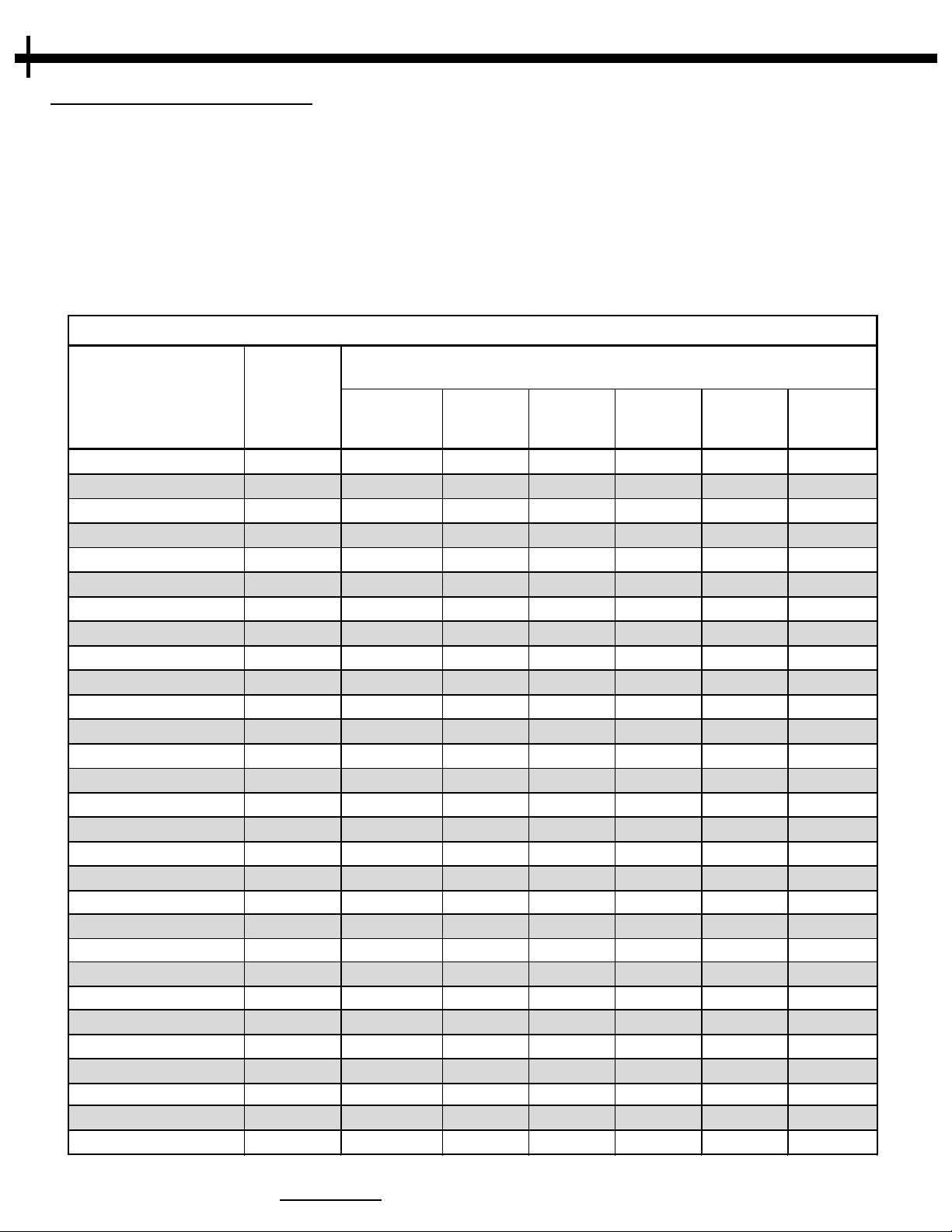
10 in. 12 in. 14 in. 16 in. 18 in. 20 in.
Apple 55 30 43 59 77 97 120
Ash 48 26 38 51 67 85 105
Beech 54 29 42 58 75 95 118
Birch 57 31 45 61 80 101 124
Cherry, Black 45 25 35 48 63 79 98
Chesnut 55 30 43 59 77 97 120
Cottonwood 49 27 38 52 68 87 107
Elm, American 54 29 42 58 75 95 118
um, Black 45 25 35 48 63 79 98
um, Red 50 27 39 53 70 88 109
Hackberry 50 27 39 53 70 88 109
Hickory 64 35 50 68 89 113 140
Honeylocust 61 33 48 65 85 108 133
Magnolia 59 32 46 63 82 104 129
Maple, Red 50 27 39 53 70 88 109
Oak, Black 62 34 49 66 87 110 135
Oak, Live 76 41 60 81 106 134 166
Oak, Red 63 34 49 67 88 111 137
Oak, White 62 34 49 66 87 110 135
Osage, Orange 62 34 49 66 87 110 135
Pecan 61 33 48 65 85 108 133
Persimmon 63 34 49 67 88 111 137
Poplar, Yellow 38 21 30 41 53 67 83
Sassafras 44 24 35 47 61 78 96
Walnut, Black 58 32 46 62 81 102 126
Hemlock, Eastern 50 27 39 53 70 88 109
Spruce, Red 34 19 27 36 47 60 74
Tamarack 47 26 37 50 66 83 102
Weight per 1-foot section per Diameter Shown (Lbs)
Weight Table for Green Logs- FOR REFERENCE ONLY
Species
Weight
per
Cubic
Foot (lbs)
WOOD WEIGHT REFERENCE
GENERAL WOOD WEIGHTS
(See FIGURE 9.1)
• This chart is for reference only. The true weight of a log can change due to many factors
including, but not limited to: moisture content, age, branches, external debris, wood species,
hardwood content & variations in diameter.
• For calculating the general weight of a log use the following FIGURE 9.1 & formula:
– Overall Weight = Length (ft) x Weight per foot (lbs)
– Example: A 1 ft long Apple Log that is 16 inches in Diameter:
• 1 (ft) x 77 (lbs) = 77 lb Log
• Utilize the Notes Page 19 to write out log weight calculations.
Weight Table values provided from U.S. Department of the Interior, National Park Service anual “Safety for Tree Workers”
FIGURE 9.1