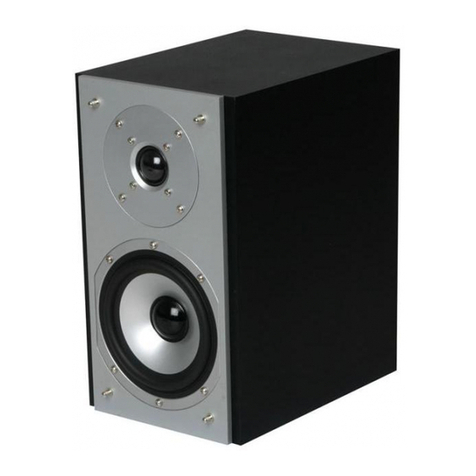
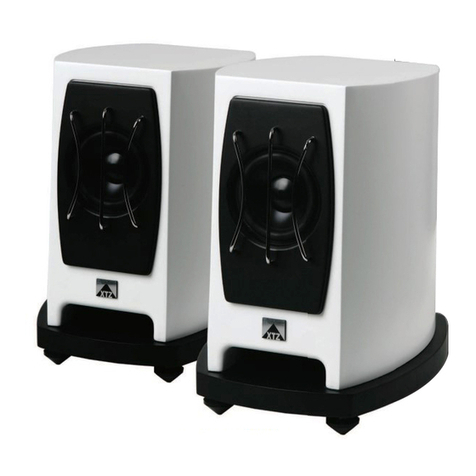
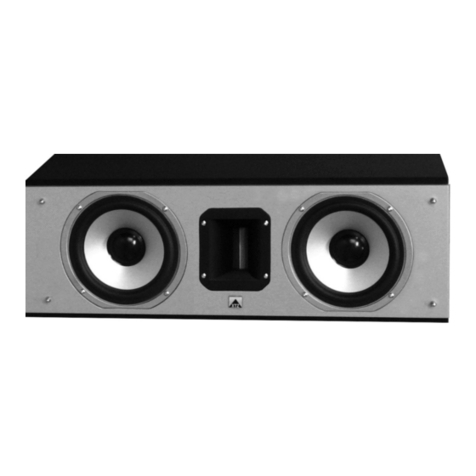
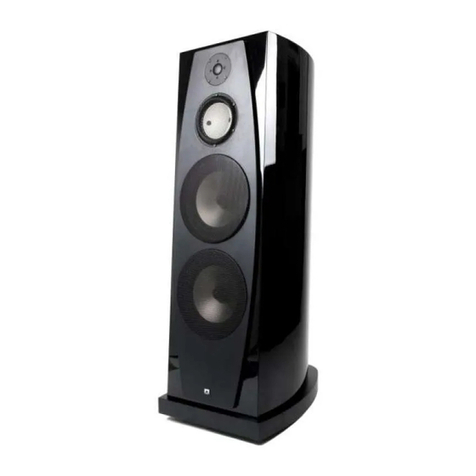
Technical presentation
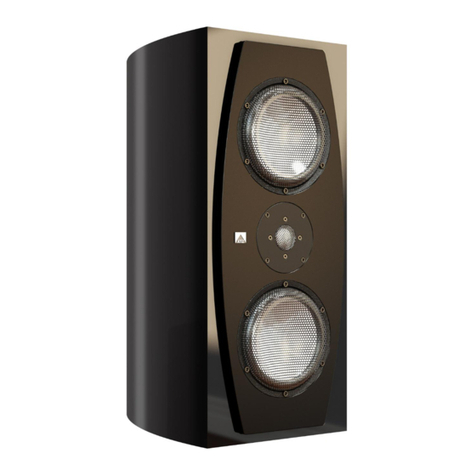
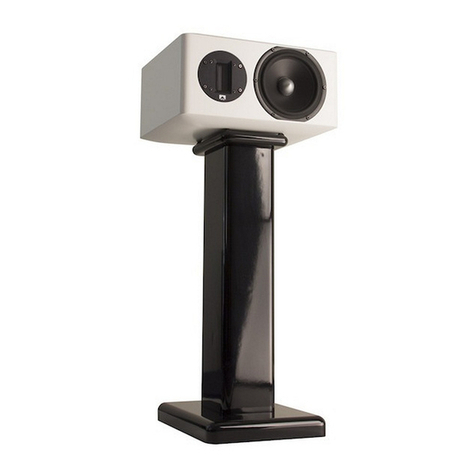
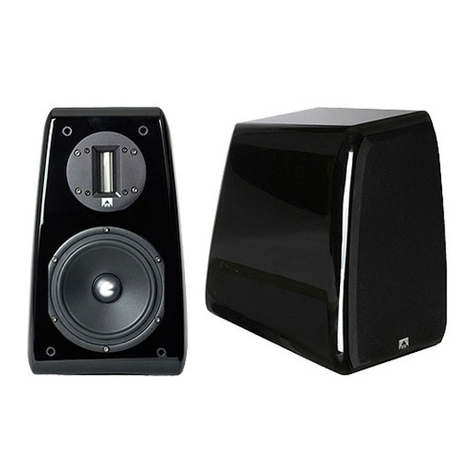
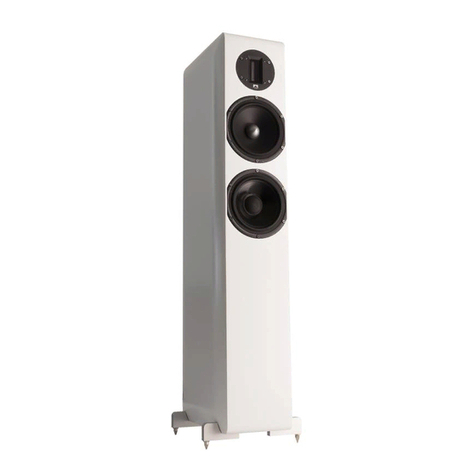
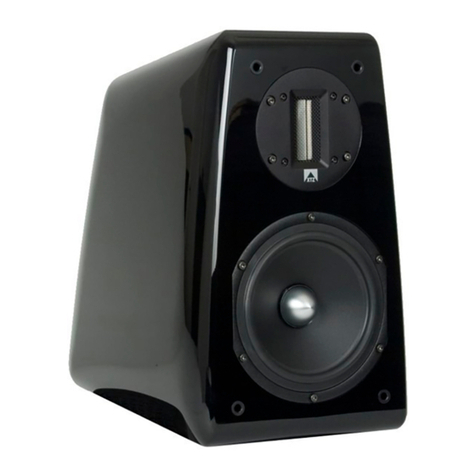
Cabinet design
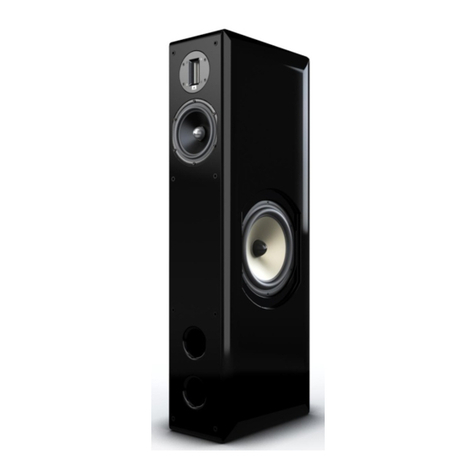
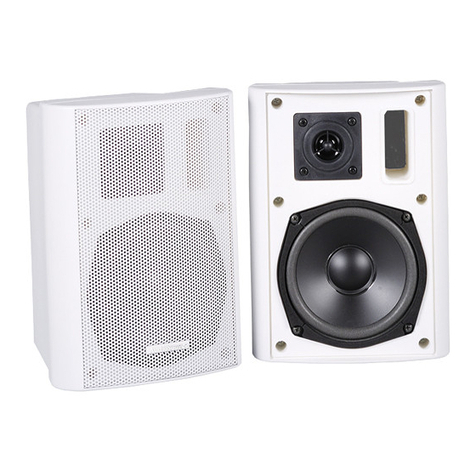
The cabinet is c nstructed with a narr w baffle -
nly an aesthetically neat shape but als an advantage
in terms f s nics sin
ce y u have a m re stable baffle
which effectively muffles res nances in the cabinet.
The cabinet is made in 25mm MDF b ard, which has
g d s nic qualities.
The cabinet is further strengthened with bars, which
in t tal yields a very stable c nstructi n.
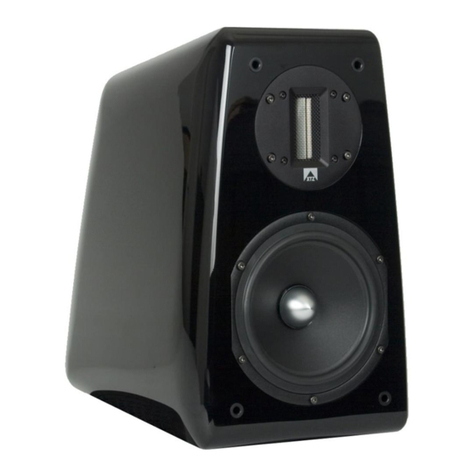
Tweeter dri er
We have ch sen a silk-made s ft
pr vides superi r transient resp nse and a very flat
frequency resp nse with ut res nances. The
frequency resp nse r ll ff is s fter n a s ft
c mpared t an aluminum.
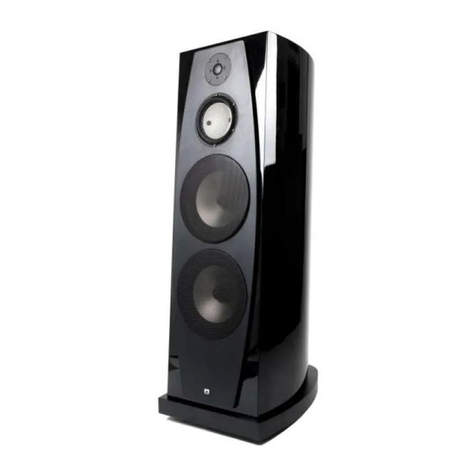
Woofer/midrange
dri er
After evaluating a large number f drivers fr m
different manufacturers we selected a driver which is
very c mpetent.
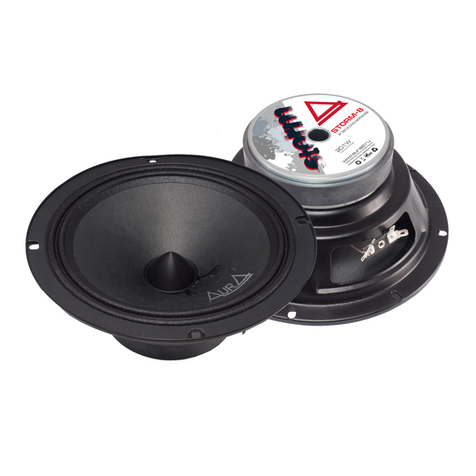
F r w fer/midrange we decided n a 6½" s lid
c ated driver which gives a sm th extended
frequency resp nse with a c ntr lled r ll ff.
The driver is made up f s lid c ated paper which has
g d s und qualities, high strength and l w weight.
The surface treated c ne is extremely light but still
extremely stiff and effectively reduces res nances.
The rubber surr un
res nances are present.
The m ulded metal basket f "high fl w" type that is
ac ustically transparent and high precisi n since the
basket is shaped exactly due t m ulding. This makes
sure that the basket is very stable and effic
reduces res nances. The basket is abs lutely n n-
magnetically, which c ntributes t a higher efficiency
f the driver.
A str ng magnet c mbined with the light c ne yields a
high efficiency and a g d transient resp nse.
Crosso er / Binding
post
We have ch sen a -12
dB cr ss ver that has a fast
transient resp nse and a minimum f phase shifting.
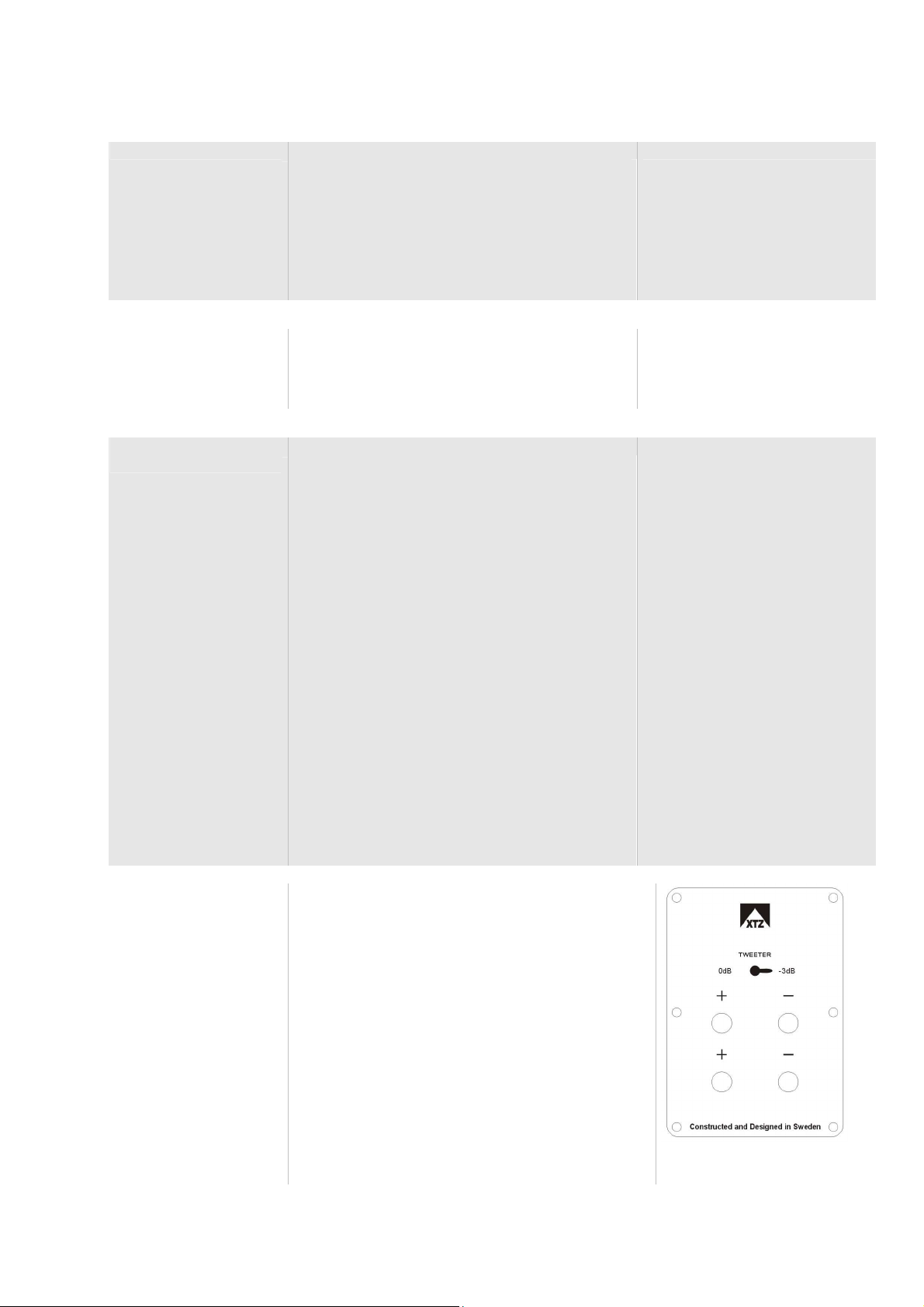
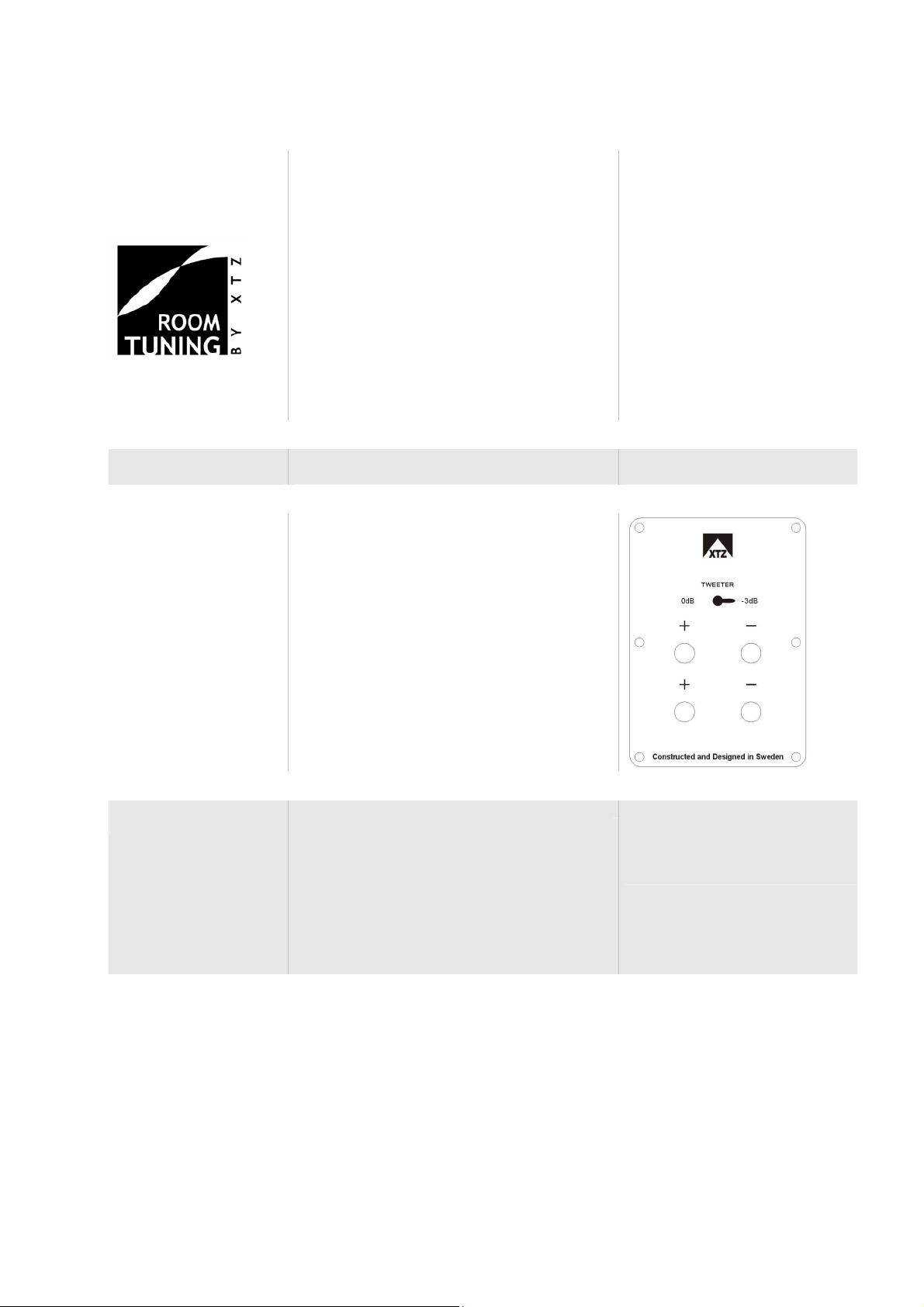
The c nnect rs are g ld-plated and f bi-
that y u can c nnect t the amplifier with d uble cables
(bi-wiring), r c nnect t tw amplifiers (bi-
further impr ving the s und. The f ll wing c upling
m des are available:
1.
Upper terminal + lower terminal (loops
present)
Default setting, the l udspeaker is fed with the
entire frequency range.
With ut the l p between upper and l wer terminal:
2. Upper terminal.
The signal is nly fed t the
tweeter.
3. Lower terminal.
N w the signal is fed t the w fer
nly.
(See further: Sound settings)