manuals.online logo
Brands
  1. Home
  2. •
  3. Brands
  4. •
  5. ZEV
  6. •
  7. Scooter
  8. •
  9. ZEV electric motor scooter User manual

ZEV electric motor scooter User manual

Popular Scooter manuals by other brands

Segway Robotics Loomo Product information guide

Segway Robotics

Segway Robotics Loomo Product information guide

HL Corp ESX3 instruction manual

HL Corp

HL Corp ESX3 instruction manual

F-Wheel DYU S1 instructions

F-Wheel

F-Wheel DYU S1 instructions

Handicare Fortress 2000 SERIES owner's manual

Handicare

Handicare Fortress 2000 SERIES owner's manual

HYOSUNG SF 50 B manual

HYOSUNG

HYOSUNG SF 50 B manual

HOMCOM 371-004 Assembly instruction

HOMCOM

HOMCOM 371-004 Assembly instruction

Kinroad XT125T-10 instruction manual

Kinroad

Kinroad XT125T-10 instruction manual

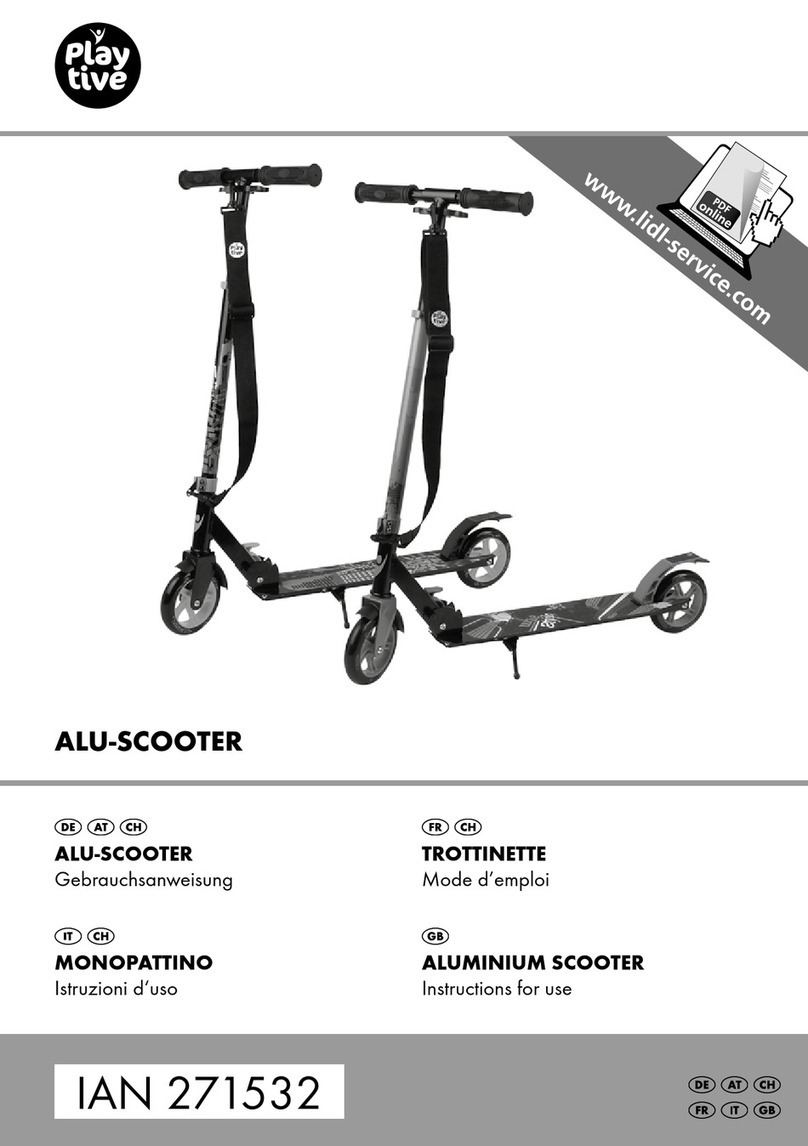
PLAYTIVE AS-2448 Instructions for use

PLAYTIVE

PLAYTIVE AS-2448 Instructions for use

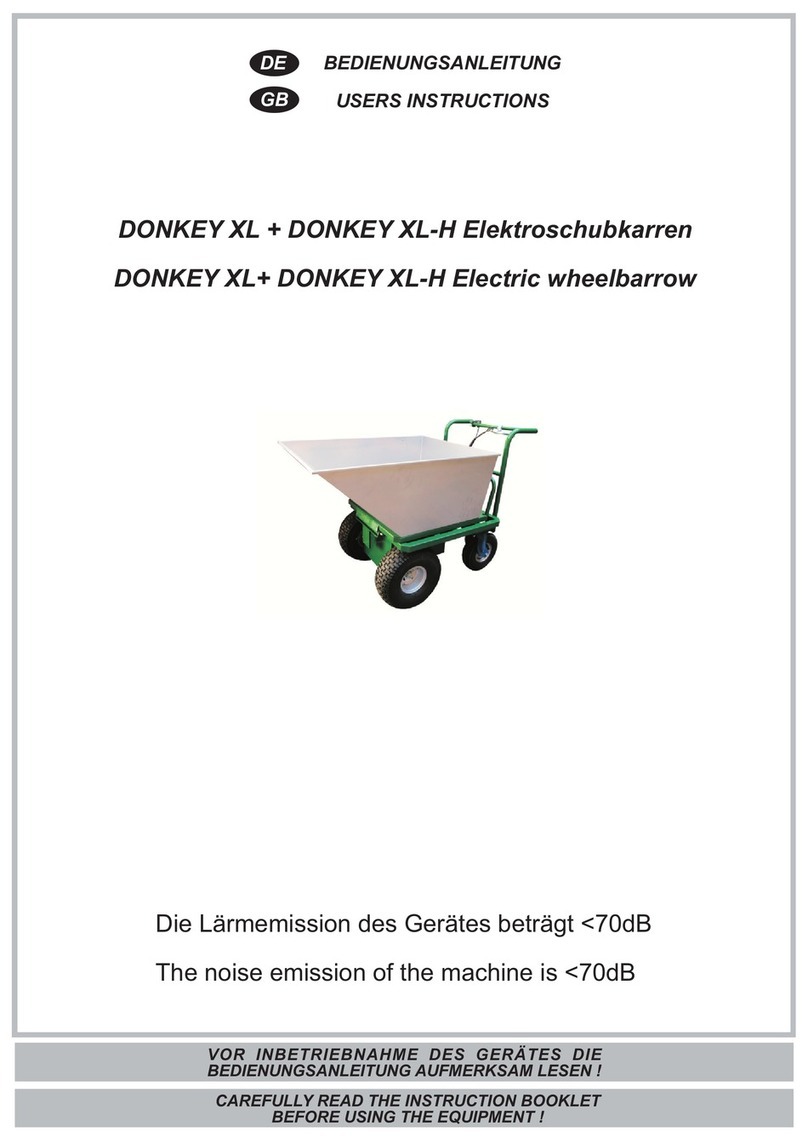
Ebinger DONKEY XL User instructions

Ebinger

Ebinger DONKEY XL User instructions

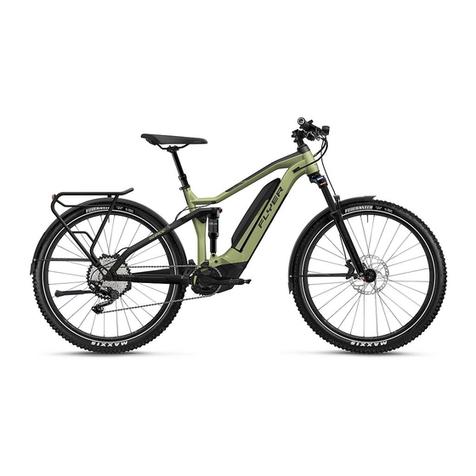
Flyer Mountain Original instruction manual

Flyer

Flyer Mountain Original instruction manual

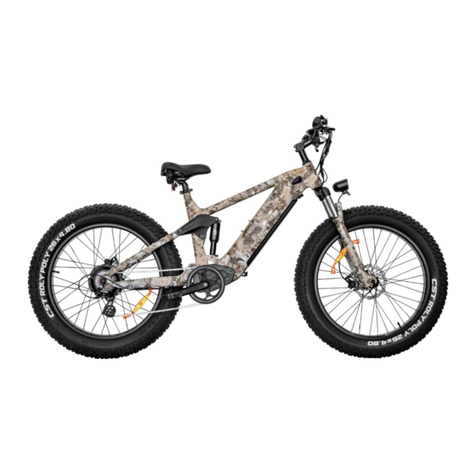
BackCountry eBikes Storm owner's manual

BackCountry eBikes

BackCountry eBikes Storm owner's manual

Pride Boxter owner's manual

Pride

Pride Boxter owner's manual

equipmed FreeRoam II user manual

equipmed

equipmed FreeRoam II user manual

WESTHILL BIKES LINK user manual

WESTHILL BIKES

WESTHILL BIKES LINK user manual

BAnff eProdigy series Assembly manual

BAnff

BAnff eProdigy series Assembly manual

Winther 475 Assembly instruction

Winther

Winther 475 Assembly instruction

Jetson JBZL17 user manual

Jetson

Jetson JBZL17 user manual

Carrera impel manual

Carrera

Carrera impel manual

manuals.online logo
manuals.online logoBrands
  • About & Mission
  • Contact us
  • Privacy Policy
  • Terms and Conditions

Copyright 2025 Manuals.Online. All Rights Reserved.

ZEV
Z ELECTRIC VEHICLE Corporation
ELECTRIC MOTOR SCOOTER AND
MOTOR CYCLE
OPERATING MANUAL
THANK YOU FOR PURCHASING A ZEV!!
VEHICLE IDENTIFICATION AND EPA AND DOT COMPLIANCE LABELS
The VIN number plate is located on the battery box rear above the rear wheel in a
tamper resistant area. This is also stamped into the frame on the right side.
The EPA and DOT information labels are located on the side of the battery box at the
back of the bike.
INITIAL CARE
Your scooter paint cannot be waxed when it is fresh at the factory. The paint has to
“breathe and cure” a little. But you must take the time to wax your scooter with a good
hard coat wax on every part. This is especially true of the wheels and motor (the
aluminum parts) and the chrome legs of the forks and or shocks more than the painted
surfaces. Get a good coat of wax on everything. Then you will not risk the corrosion of
the polished aluminum or chrome surfaces. In some areas this is critical as salty air
near the sea will increase the speed of corrosion. Failure to wax the bike can allow
corrosion on the metal components.
We strongly urge you to purchase a surge protector for your bike power supply. Just as
lightning strikes can wreck you computer, TV, etc., it can harm your charging system for
you electric vehicle. The ZEV warranty does not cover such damage to charging units.
GETTING READY TO RIDE FOR THE FIRST TIME
Before riding the bike at all, put it on charge. The bikes are not shipped with a charged
battery. There may be enough power in them to make the bike move, but it is not
adequately charged.
Next, make sure that the tire pressure is correct. Tire pressure on a motor scooter is
critical. Make sure it is right or risk a crash. Tire pressure should be 225 Kpa (__38_psi)
WARNING –There is nothing to stop the bike from moving when it is parked. There is
no parking brake. You cannot put an electric motor “in gear” to stop the bike from
rolling. You must take the responsibility of parking the vehicle on either level ground or
with the back wheel against something to prevent it rolling (like the curb). You can in
the alternative use the center stand to hold the bike. If you park the bike facing down a
hill the bike will roll and fold up the side kickstand and drop the bike on its side with
serious damage. If the grade is steep enough, even the center stand will fold up if the
bike is pointed down the hill. Turning the front wheel and locking it with the key with the
tire against the curb will help stop the bike from rolling.
WARNING –New motor scooter and motor cycle riders are often surprised to find their
new parked bike laying on its side seriously damaged after leaving it parked on a hot
day. On a hot day the asphalt road will soften allowing the side or center stand to sink
into the road until the bike falls over. Experienced riders generally carry a thin “foot” of
aluminum or wood to place under the side stand when parking –or they park on
concrete.

CHARGING
Do not plug in your expensive electric bike charging system without a Lightning
Strike Surge Protector. You would not hook you computer to your wall socket without
a surge protector. Treat your bike to the same. The better surge protectors also offer
insurance policies with them for free that if your equipment is damaged, the surge
protector manufacturer will pay. (Belkin SurgeCube has $50,000 insurance).
Check the circuit breaker off under the seat before hooking up the charger and
beginning to charge. This breaker is located either in the luggage box or just in front of
it as shown below. Check the red fault light on the charger. If the charger will not
charge, flip the circuit breaker to the opposite position as some models charge with the
breaker on, some in the off position.
Never fail to first hook up the charger to the battery before plugging the charger in.
When the charger is plugged into both the bike and the power source, the lights will
come on at the charger end. If a red light comes on and stays on bright then you are
not connected properly or the circuit breaker is in the no charge position. After a few
minutes the charger fan should start to run. It is quiet and you may need to get within a
foot or two of the fan to hear it. As the charger charges the battery the level of charge
indicated by the green LEDs will rise from 20% and go up to 100%. When the bike is
fully charged, the fan will shut off, the green lights will be lit. For the heavy finned
aluminum charger, the display will continue to show a reading, flashing first peak
voltage and then a 0 if charged.
If the bike is fully or near fully charged, the charger will not run.
If you get a red light and no blinking green lights you are not charging. The heavy
finned aluminum charger will show “no bat”.
Do not assume that the charger will act exactly the same every time you charge. Its
behavior will depend on the amount of charge on the battery.
If your home is on an unconditioned power source where the power does not hold 60
cycles per minute, the charger will not operate properly.
Unplug your charger from both the bike and the power source when it is not being used
and use a surge protector. Lightning strikes and power surges that may occur in your
area power lines can injure or destroy the charger..
Charge your bike one time every two or three months whether you use it or not to get
the maximum life from your batteries. The battery will hold +90% of its charge for 3
months.
Do not leave the charger plugged into the bike after it is unplugged from the power
source. It will absolutely drain the battery and ruin them.
FIRST TIME RIDE
CHARGE THE BIKE BEFORE YOU RIDE! It is not fully charged when delivered.
Double check the tire pressure.
Do not ride a bike without shoes, a helmet, and gloves.
You are far better off taking a riding course. These are sponsored by and made
available through your State DMV.
Remember that the vast majority of all serious accidents occur in the first weeks of
ownership while a rider is getting used to the new bike or getting used to riding a two
wheeled vehicle at all.
If the bike does not run, check that the circuit breaker under the seat is turned on
There is a kill switch on the right hand light switch control. If this is in the X off position
the brake light will come on and the bike will not run.
If the side kickstand is not in a full up position the bike will not run. The brake light will
come on.
Unless the brakes are not on at all, the bike will not move. A slight touch on the brakes
cut out the motor power. So when you are sitting on a hill holding the brakes, you must
fully release the brakes as you roll on the throttle or the bike will not move.
***Never be tempted to hold the bike on a hill with the throttle, use the brakes.
holding the bike on a hill with the throttle will virtually guarantee motor damage
which can be spotted and will not be covered by warranty claims.
On your right handgrip is switch for daytime running lights, and headlights on. Switch A.
Daylight running lights are required in some areas so the center light on your bike may
be set so it cannot be shut off.
Switch B is a switch to raise or lower the amperage and volts that the motor gets. There
are three positions. Use the lowest power setting that you can to maintain the desired
speed. You will feel the difference when pushing the button.
On the left handgrip is a rocker switch for high and low beam. Switch A
Switch B is the turn signal switch. Push it with your thumb to the right to turn right, to
the left to turn left. You must put the switch back to the neutral position after making
your turn.
The horn is the button ( Button C ) on the left grip and marked with the symbol of a horn.
Some models of the bike use the switches in the same positions for the same functions,
but they look differently. Added on some models is a kill switch on the right hand grip,
above the lights switch (not shown)
Brakes –you should always use both brakes simultaneously. Do not just use only one
brake. Experienced riders know they must use the front brake as the main brake (4). It
is the most powerful brake on all production bikes. A ZEV electric does not brake like a
common motorcycle. Since the weight CG is near the axle center line it does not lift up
the back wheel in hard braking so you can use both brakes in hard application.
To use the brakes, squeeze the hand levers. The right lever is the front brake (4). The
left lever is for the left brake. (1). The throttle is (7). Turn the throttle top toward you to
accelerate.
The power on key and steering lock is shown as (6) in the above photo.
Instruments and Gauges. (3)
Power Meter –On the right side of the instrument panel (A) is a power gauge (B). Only
when the needle is at the top of the arc is the bike charged for good road use. When it
enters the broad band arc areas the bike is in danger of running out of power. When it
reaches the bottom arc it will shut off to protect itself. A clock is in the center bottom
and can be set by the two buttons to the right.
Volt Meter –On the left of all newer model bikes is a voltmeter gauge. This is your most
accurate indication of power available. 13 volts is maximum charge, At 11 volts the
battery is dead and the bike cannot move.
Just below the power meter is the indicator light for the high beams of the headlights.
While the speed is indicated in both miles per hour and kilometers per hour, the
odometer reads only in kilometers per hour.
Some new owners note that there is oil around the top of the front fork boots or which
may have drooled down the fork leg. This is the corrosion protection placed on the leg
and under the boots while the bikes are in storage or shipping. It is not an indication of
some seal problem. Just wipe off the excess and it will shortly dry up. Some bikes
have a light “Vaseline” on the upper fork leg also.
WARNING CUSTOMERS ON THE FIRST DRIVE ARE PRONE TO DRIVING THE
BIKE TO MAXIMUM ACCELERATION AND SPEED AND WILL CUT THE RANGE IN
HALF IN THEIR EXUBERANCE. PLAN AHEAD AND DO NOT RUN THE BIKE
DEAD.
DAILY USE OF THE VEHICLE
The throttle on the bike is equipped with an extremely light return spring in comparison
with gas powered vehicles. It is therefore easy to “grab a big hand full of throttle”. Easy
does it. The road racer habit of riding with your thumb around the part of the throttle
that does not turn acts as a friction brake for the throttle on rough roads helps to prevent
your body from giving unnecessary inputs to the throttle.
Gas bike riders are sometimes prone to try to “rev” the bike as they do on a gas bike
zipping the throttle when they feather the clutch to smooth out their throttle movements.
An electric bike does not have a clutch. You need to not oscillate the throttle as on a
gas bike, but to move it in steady smooth operation.
Every time you get ready to ride:
Look at your tires for signs of low pressure. (check them with a gauge monthly)
Tire pressure should be 225 Kpa (__38_psi)
Look at your tires for signs of cuts, road trash (nails etc).
Make sure your headlight and all other lights are working
Make sure your horn works
Inspect for brake fluid leaks.
Check all brakes before pulling away from your driveway
Inspect the brake fluid level through the sight window on the side of the reservoir
for each brake. Make sure the level is visible.
Charging –A lithium battery bike will 70% charge in about ½ hour. If you need to use
your bike frequently during the day you can keep it easily charged. A several hour
charge will bring you to maximum charge. WARNING –If your bike is fully charged, do
not disconnect the charger and then immediately connect again. The start charge
system will think this is a lightning strike surge. Ride the bike before charging again.
***Note –batteries will last longer if they are charged after more than a light discharge.
The Center and Side stands are there to hold the vehicle in an upright position.
The side stand is the best for holding the bike so it will not fall over in normal use.
***Note - Setting yourself on the vehicle while it is parked and on the stands may bend
the stands and ruin them. If you want to just sit on your bike, let the bike rest on its tires
and suspension as it was designed to do.
The side stand is designed to shut off the power when it is down. Make sure both the
side and center stands are in their full up position before attempting to ride. Never
bypass this shut off safety feature.
On hot days the bike may be in danger from the stands sinking into the soft asphalt and
dumping the bike on its side. To prevent this, use the side stand on blistering days and
place a piece of metal or wood under the stand foot to stop the asphalt from giving way.
A small piece of thin plywood or even a flattened aluminum drink can works just fine.
Do not hold the bike on a hill with the throttle (IE-setting at stop light) Use the brakes.
Use of the motor and throttle to hold the bike on a steep hill can cause an overheating
situation that can damage the motor.
Charge the bike before you store it.
Turn off the under the seat circuit breaker anytime you do not use the bike for
more than a few hours. If you do not turn off the circuit breaker you are draining
the battery slightly as the electronics and some wiring is “armed” and ready for
the key to initiate driving. If you are not going to drive soon, turn the circuit
breaker off unless you are charging.
UNDERSTANDING RANGE
The range of your electric vehicle is primarily determined by how and where you drive.
Just as “lead footing” your car will radically decrease the range by increasing gas
consumption, strong acceleration and high speeds will sharply decrease the range of
your ZEV. Add hilly terrain or an extra passenger and the range drops again. A rider in