manuals.online logo
Brands
  1. Home
  2. •
  3. Brands
  4. •
  5. Caviblaster
  6. •
  7. Cleaning Equipment
  8. •
  9. Caviblaster 1725-G Manual

Caviblaster 1725-G Manual

Other Caviblaster Cleaning Equipment manuals

Caviblaster 0520-G Manual

Caviblaster

Caviblaster 0520-G Manual

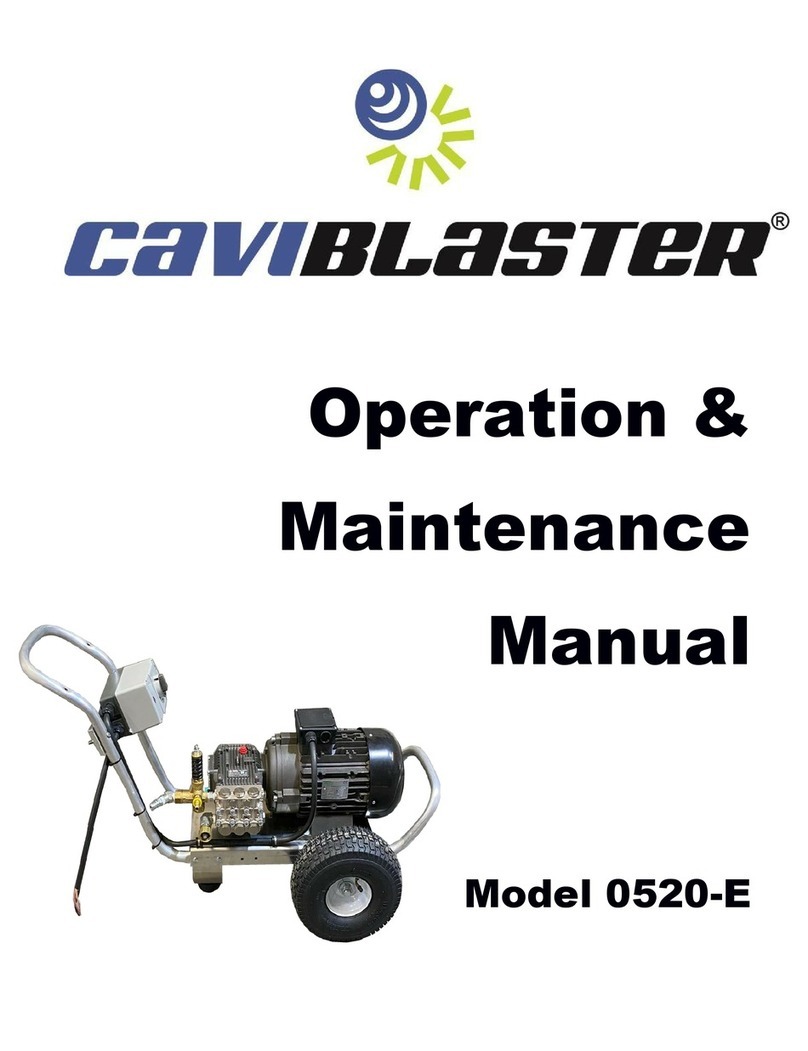
Caviblaster 0520-E Manual

Caviblaster

Caviblaster 0520-E Manual

Caviblaster 1325-G Manual

Caviblaster

Caviblaster 1325-G Manual

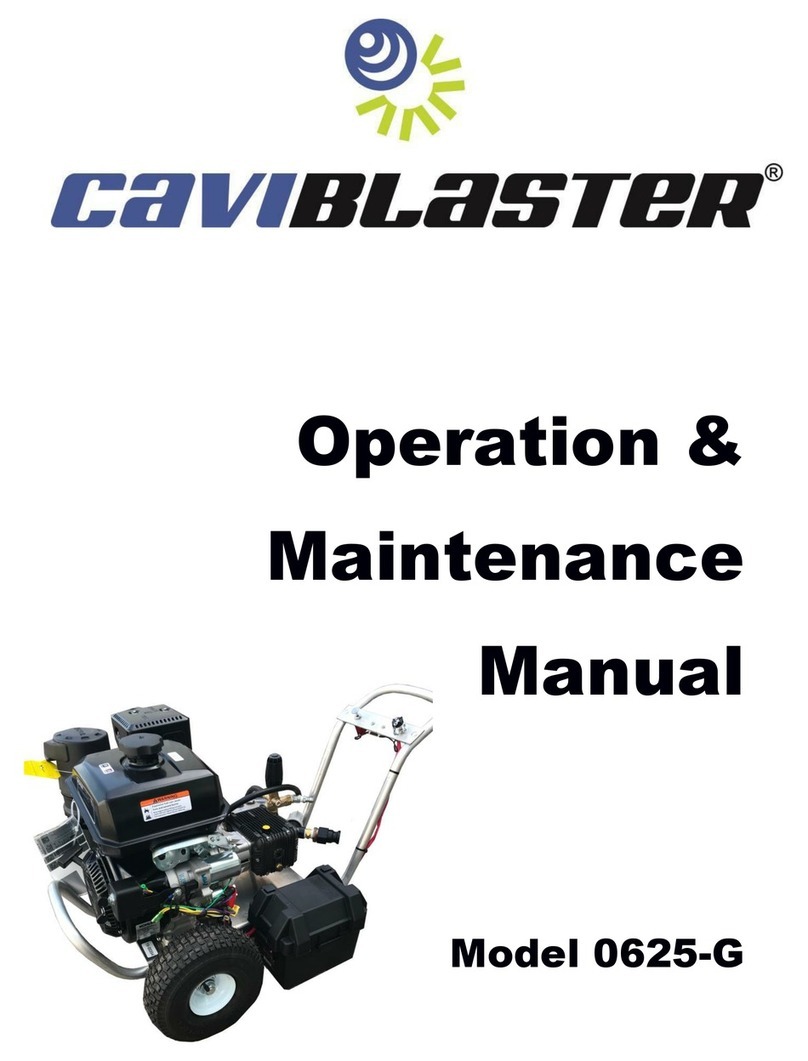
Caviblaster 0625-G Manual

Caviblaster

Caviblaster 0625-G Manual

Caviblaster 2828-E Manual

Caviblaster

Caviblaster 2828-E Manual

Popular Cleaning Equipment manuals by other brands

Skov Farm AirClean Technical user guide

Skov

Skov Farm AirClean Technical user guide

Nilfisk-Advance CA 240 operating instructions

Nilfisk-Advance

Nilfisk-Advance CA 240 operating instructions

ORBOT LiO operating manual

ORBOT

ORBOT LiO operating manual

unGer OmniClean Assembly instructions

unGer

unGer OmniClean Assembly instructions

CENTREGO Toucan Eco Bio Carry user manual

CENTREGO

CENTREGO Toucan Eco Bio Carry user manual

BANDELIN SONOREX TECHNIK RM 110 UH Instructions for use

BANDELIN

BANDELIN SONOREX TECHNIK RM 110 UH Instructions for use

Sealey VMA913 instructions

Sealey

Sealey VMA913 instructions

Aztec 520-00 owner's manual

Aztec

Aztec 520-00 owner's manual

BÖWE P25 installation instructions

BÖWE

BÖWE P25 installation instructions

Tunap MF 929 Service information

Tunap

Tunap MF 929 Service information

RIDGID K-45AF-7 manual

RIDGID

RIDGID K-45AF-7 manual

Aircraft POWERGLIDE manual

Aircraft

Aircraft POWERGLIDE manual

Suevia 130.5011 EASYCLEANER Mounting instructions

Suevia

Suevia 130.5011 EASYCLEANER Mounting instructions

i-MO Öko 2000 user guide

i-MO

i-MO Öko 2000 user guide

unGer Hydro Power Ultra UNP01 operating instructions

unGer

unGer Hydro Power Ultra UNP01 operating instructions

Black & Decker BHPC130 Original instructions

Black & Decker

Black & Decker BHPC130 Original instructions

Uni-ram UG5000E operating manual

Uni-ram

Uni-ram UG5000E operating manual

Axi MTC HC-300 Installation, operating and maintenance manual

Axi

Axi MTC HC-300 Installation, operating and maintenance manual

manuals.online logo
manuals.online logoBrands
  • About & Mission
  • Contact us
  • Privacy Policy
  • Terms and Conditions

Copyright 2025 Manuals.Online. All Rights Reserved.

CAVIDYNE LLC
5077 Fruitville Road
Suite 109 - 157
Sarasota, FL 34232 USA
Phone (352) 275-5319
www.caviblaster.com
Operation &
Maintenance
Manual
Model 1725-G
Model 1725-G OPERATING INSTRUCTIONS
WARNING: To ensure opera or safe y and efficien opera ion of he
CaviBlas er®, i is essen ial o follow hese ins ruc ions.
Preparing he CaviBlas er sys em for opera ion:
1. Inspect the CaviBlaster® power unit, hoses and gun for any signs of damage.
2. Inspect inlet strainer (Figure 1) to ensure that it is not clogged. Clean if necessary.
. Check oil and fuel levels:
Proper oil level in pressure pump (Figure 2) and engine (Figure ).
Gasoline level in detachable fuel tank (Figure 4).
Figure 1 Figure 2 Figure
4. Fill lubricating oil(s) to proper level(s) in the pressure pump (Blue cap on pump) (Figure 6)
and engine (Yellow cap on head cover) (Figure 5) per manufacturers’ operating manuals.
Pressure Pump Oil (SAE 0W-Non Detergent), Kohler Engine Oil (SAE 10W 0).
Figure 4 Figure 5 Figure 6
Page - 2
CaviBlaster 1725-G Operations Manual
For More information please email sales@cavidyne.com or call 1-(352)275-5319

5. When feeding water to the CaviBlaster® power unit with the feed pump, connect the 1″
diameter clear PVC feed hose to the cam-lock plug on the inline strainer inlet (Figure 7)
The feed hose has the feed pump on one end and a cam-lock socket on the other end (Figure 7). Insert the
electrical plug powering the feed pump into the waterproof electrical outlet on the end of the power unit
cart under the handle (Figure 9). Ensure that the knob on the plug is facing up and mates with the notch in
the outlet cover. If the plug is engaged upside down, the pump will turn in reverse. Ensure that the feed
hose is connected to the pressure pump, the feed pump is submerged in water, and the wiring splice is
kept dry prior to starting the feed pump. Either fresh water or seawater can be used with this system.
Note: The feed pump has had a neoprene check valve installed in the discharge. This valve will prevent water from
draining out of the feed hose through the feed pump when the pump is turned off. However, this check valve
somewhat restricts the flow of water from the pump. If maximum water flow is required from the feed pump, the
check valve and stainless retaining washer can be removed from the pump discharge by removing the black hose
barb fitting.
Figure 7
When feeding the CaviBlaster® with an alternate water source, the source must supply water at a
volume of greater than 12 gallons per minute at a maximum pressure of 70-psi. Connect the water
source to the inlet of the pressure pump (Figure 10). Ensure that the feed hose is connected to the
pressure pump and the water is on prior to starting the pressure pump.
Figure 9 Figure 10
Page -
CaviBlaster 1725-G Operations Manual
For More information please email sales@cavidyne.com or call 1-(352)275-5319
6. Connect the 1″ red rubber by-pass hose to the cam-lock plug on the pressure-regulating
unloader (Figure 11). The by-pass hose has a cam-lock socket on one end. Direct the bypass
hose away from the working area and secure the hose.
Figure 11 Figure 12
7. Connect the Dual ¼″ black rubber fuel lines from the external fuel tank to the fuel lines
attached to the fuel filter and engine. This connection is made with a quick connect fitting
(Figure 12).
S ar ing he CaviBlas er® power uni :
1. When using the feed pump, start the feed pump
by pulling the feed pump switch located on the
cart handle (Figure 1 ) up to the “ON”
position. When using a supplied water source,
open the valve to supply water to the system.
2. Ensure that the system is primed with water
and that there are no leaks in the system. The
pressure pump is a positive displacement pump
and water must be supplied under pressure.
Failure o pump feed wa er o he pressure
pump will resul in damage o he pump. Figure 1
. Connect the /4″ high-pressure hose to the quick-
connect plug under the pressure- regulating unloader
(Figure 14). The high- pressure hose has a brass quick-
connect socket on the end. The CaviBlaster® 1725-G
can deliver the required pressure utilizing up to 00 feet
of /4″ diameter of thermoplastic hose. Using greater
lengths or
Figure 14
Page - 4
CaviBlaster 1725-G Operations Manual
For More information please email sales@cavidyne.com or call 1-(352)275-5319
smaller diameters of hose may degrade
performance. If greater hose lengths are
required, larger diameter hose must be used.
4. Connect the gun to the high pressure
hose (Figure 15) and submerge the gun
in water.
5. Restart the feed pump (Figure 1 ).
6. It is recommended that the gun trigger
be in the open or “ON” position (Figure
19) when starting the engine. This will
prevent a pressure shock wave from
damaging the pump in the instant that
the engine is started.
Figure 15
7. Apply appropriate hearing protection prior to starting the engine.
8. Insert the key into the ignition switch on the side of the engine (Figure 16). Pull the choke
knob (Figure 17) out to close the choke if the engine is cold or has not been running. If the
engine has been running and is warm, leave the choke open. Adjust the throttle lever (Figure
18) one-third of the way from “MIN” toward “MAX” for correct engine RPM. Turn the key
clockwise to the “START” position. If the engine does not start within 5 seconds, release the
key and wait at least 10 seconds before operating the starter again. When the engine starts,
release the key, allowing it to return to the “ON” position and open the choke if it is closed.
Figure 16 Figure 17 Figure 18
9. The system is now ready to operate (refer to photo on cover for overall system set-up).
Page - 5
CaviBlaster 1725-G Operations Manual
For More information please email sales@cavidyne.com or call 1-(352)275-5319
Recommenda ions for Effec ive Resul s.
Once the engine is throttled up to operating speed and the water trigger is pulled, the diver has to find the
most effective distance between the gun nozzle and the surface being cleaned.
When the diver is ready to commence cleaning operations, ensure that the gun trigger is in the open or “ON”
position ( See Figure 19 ), the gun is submerged in the water and the feed pump is operating prior to throttling
up the engine. Ensure that the power unit operator and other people working in the vicinity of the power unit
wear appropriate hearing protection when the engine is running.
1. Engage the pressure pump by pushing the throttle knob ( See Figure 18 ) to the operating speed
position fully extended.
2. The most efficient operating technique is to hold the nozzle 2-5 inches (5-12 cm) away from the
surface to be cleaned and at a 25 to 45 degree angle to the surface being cleaned (See Figure 19).
The diver needs to observe the shape of the cavitating jet cone. At greater depths, the higher
ambient pressure will cause the jet cone to be shorter. The widest zone of the cone is the most
efficient part of the cavitating jet. Placing the nozzle closer than 2 inches (5 cm) from the surface
being cleaned will not allow for efficient cavitation performance and will degrade the cleaning
capability of the CaviBlaster® system.
. Follow all safety regulations that may be applicable to the work being performed.
4. If the diver operating the CaviBlaster® unit must be replaced or the cleaning operation must be
terminated, disengage the pressure pump by pulling down the throttle lever in to the idle position
(See Figure 18) and release the water pressure remaining in the hose(s) by moving the gun
trigger to the open or “ON” position while under water. Revert to step 1 of the operating
instructions when the diver or replacement is ready to continue cleaning.
Page - 6
CaviBlaster 1725-G Operations Manual
For More information please email sales@cavidyne.com or call 1-(352)275-5319
Figure 19 – Gun Position for Best Results
WARNING: Al hough he CaviBlas er® sys em is safe o use when
submerged in wa er, he sys em genera es a high-
pressure (up o 2,500-psi) wa er s ream, which can cause
injury when he gun is ou of he wa er. ALWAYS keep
he gun submerged when he pressure pump is engaged.
Page - 7
CaviBlaster 1725-G Operations Manual
For More information please email sales@cavidyne.com or call 1-(352)275-5319
Opera ing he CaviBlas er® sys em:
1. When the diver is ready to commence cleaning operations, ensure that the gun is submerged
in water. Then move the throttle lever up to adjust the engine RPM to “MAX” (Figure 18).
Ensure that the power unit operator and other persons working in the vicinity of the power
unit wear appropriate hearing protection when the engine is running. If the diver is not
wearing
a helmet, hearing protection
is
recommended. CaviDyneTM recommends
“Doc’s
Proplugs” vented earplugs or equivalent for diver hearing protection.
2. Activate the cleaning cavitation stream by squeezing the trigger to the open or “ON” position
(Figure 19).
. The most efficient operating technique is to hold the gun 2- inches away from the surface to
be cleaned and at a 25 to 45 degree angle to the surface being cleaned (Figure 19). Placing
the gun closer than 2- inches from the surface being cleaned will not allow for efficient
cavitation performance and will degrade the cleaning capability of the system.
4. Wear neoprene or rubber gloves to protect the hands and follow all safety regulations that
may be applicable to the work being performed.
Page - 8
CaviBlaster 1725-G Operations Manual
For More information please email sales@cavidyne.com or call 1-(352)275-5319
5. If the diver operating the unit must be replaced or the cleaning operation must be
interrupted or terminated, shut down the engine by moving the throttle lever down to
adjust engine RPM to “MIN” (Figure 18) and turning the key to the “OFF” position
(Figure 16). Turn off the feed pump (Figure 1 ), and then release the water pressure in
the hose(s) by squeezing the gun trigger to the open or “ON” position (Figure 19) while
under wa er. Revert back to step 1 of the operating instructions when the replacement
diver is ready to continue cleaning.
6. Ensure that the gun is submerged any time the engine and pressure pump are operating.
Adjus ing he CaviBlas er® sys em for maximum performance:
1. If using a calibration pressure gauge situated between the pressure hose and the
CaviBlaster® gun, the water pressure should be 2,500 psi with the gun submerged and
the gun trigger in the open or “ON” position. The pressure is adjusted by turning the
nuts on the end of the pressure-regulating unloader (Figure 20). This adjustment
increases or decreases the flow of water through the bypass hose when the CaviBlaster®
gun trigger is in the open or “on” position. The flow of water through the bypass hose,
in turn, determines the flow of water through the pressure hose and the gun. Less flow
through the bypass hose means more flow through the gun which translates to higher
velocity and pressure. There should always be a trickle of water through the bypass
when the gun trigger is in the open or “ON” position. This ensures that the bypass will
open without a pressure shock wave damaging the pump when the gun trigger is
released to the closed position.
2. If using a pressure gauge located on the
CaviBlaster® power unit, the water
pressure will need to be higher to account
for sidewall friction loss in the pressure
hose. The pressure at the pump should be
2,500 psi plus 0.75-psi per foot of
pressure hose. For example, if using the
CaviBlaster® with 100 feet of pressure
hose, the pressure gauge located next to
the pump should indicate 2,575 psi.
Pressure adjustments are made in the
same manner as described above. There
should always be a trickle of water
through the bypass when the gun trigger
is in the open or “ON” position.
Figure 20
Page - 9
CaviBlaster 1725-G Operations Manual
For More information please email sales@cavidyne.com or call 1-(352)275-5319
. If adjusting the CaviBlaster® without a pressure gauge, close the pressure-regulating
unloader until there is just a trickle of water (less than ¼ gallon per minute) coming out
of the bypass with the gun trigger in the open or “ON” position.
Shu ing down he CaviBlas er® power uni :
1. Adjust engine RPM to “MIN” (Figure 18).
2. Shut off the engine by turning the key to the “OFF” position (Figure 16).
. Stop the feed pump by moving the feed pump switch to the “OFF” position (Figure 1 ).
4. Squeeze the gun trigger to the open or “ON” position (Figure 19) to release the water
pressure remaining in the hose(s) while he gun is submerged.
5. It is now safe to remove the gun from the water.
6. Flush the system and rinse the power unit with fresh water at the end of the day.
Main enance of he CaviBlas er® uni :
1. Empty and clean the inline strainer every day.
2. Check the oil level and consistency in the engine and pressure pump every day.
. Flush the system and rinse the power unit with fresh water after each days use,
for a leas 5 minu es, o make sure all inside residuals are removed.
4. Inspect the pump drive belt every week and replace the belt when cracking appears.
5. Change the engine oil after the first month or 20 hours and every six months or 100
hours thereafter. Replace the oil filter every 200 hours. Use SAE 10W- 0 oil for
general all- temperature use.
6. Clean the air cleaner cover, filter elements and base every three months or 50 hours.
Replace the paper filter element every twelve months or 00 hours or if damaged or
excessively dirty.
7. Change the oil in the pressure pump after the first 50 hours and every 500 hours
thereafter. Use single-weight lubricating oil (SAE 0 weight non-detergent)
8. Change the spring for the gun trigger every 12 months or less if required.
Page - 10
CaviBlaster 1725-G Operations Manual
For More information please email sales@cavidyne.com or call 1-(352)275-5319