logo
Brands
  1. Home
  2. •
  3. Brands
  4. •
  5. Hilleberg
  6. •
  7. Camping Equipment
  8. •
  9. Hilleberg ANJAN GT User manual

Hilleberg ANJAN GT User manual

This manual suits for next models

1

Other Hilleberg Camping Equipment manuals

Hilleberg NAMMATJ User manual

Hilleberg

Hilleberg NAMMATJ User manual

Hilleberg SAIVO User manual

Hilleberg

Hilleberg SAIVO User manual

Hilleberg Stalon Combi User manual

Hilleberg

Hilleberg Stalon Combi User manual

Hilleberg SOULO User manual

Hilleberg

Hilleberg SOULO User manual

Hilleberg ALTAI User manual

Hilleberg

Hilleberg ALTAI User manual

Hilleberg MESH RIDGE User manual

Hilleberg

Hilleberg MESH RIDGE User manual

Hilleberg SOULO User manual

Hilleberg

Hilleberg SOULO User manual

Hilleberg Staika User manual

Hilleberg

Hilleberg Staika User manual

Hilleberg SAITARIS User manual

Hilleberg

Hilleberg SAITARIS User manual

Hilleberg TARRA User manual

Hilleberg

Hilleberg TARRA User manual

Hilleberg MESH BOX User manual

Hilleberg

Hilleberg MESH BOX User manual

Hilleberg Windsack User manual

Hilleberg

Hilleberg Windsack User manual

Hilleberg ALLAK User manual

Hilleberg

Hilleberg ALLAK User manual

Hilleberg UNNA User manual

Hilleberg

Hilleberg UNNA User manual

Hilleberg ROGEN User manual

Hilleberg

Hilleberg ROGEN User manual

Hilleberg NALLO User manual

Hilleberg

Hilleberg NALLO User manual

Hilleberg ANJAN User manual

Hilleberg

Hilleberg ANJAN User manual

Hilleberg Akto User manual

Hilleberg

Hilleberg Akto User manual

Hilleberg Jannu Configuration guide

Hilleberg

Hilleberg Jannu Configuration guide

Hilleberg Muddus User manual

Hilleberg

Hilleberg Muddus User manual

Hilleberg ROGEN User manual

Hilleberg

Hilleberg ROGEN User manual

Popular Camping Equipment manuals by other brands

Petromax Fire Bridge frk1 user manual

Petromax

Petromax Fire Bridge frk1 user manual

Hatteras Hammock Caddy instructions

Hatteras

Hatteras Hammock Caddy instructions

GSI Outdoors JAVAPRESS manual

GSI Outdoors

GSI Outdoors JAVAPRESS manual

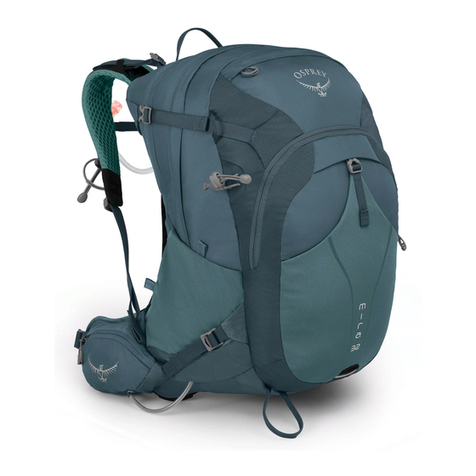
Osprey MANTA Series owner's manual

Osprey

Osprey MANTA Series owner's manual

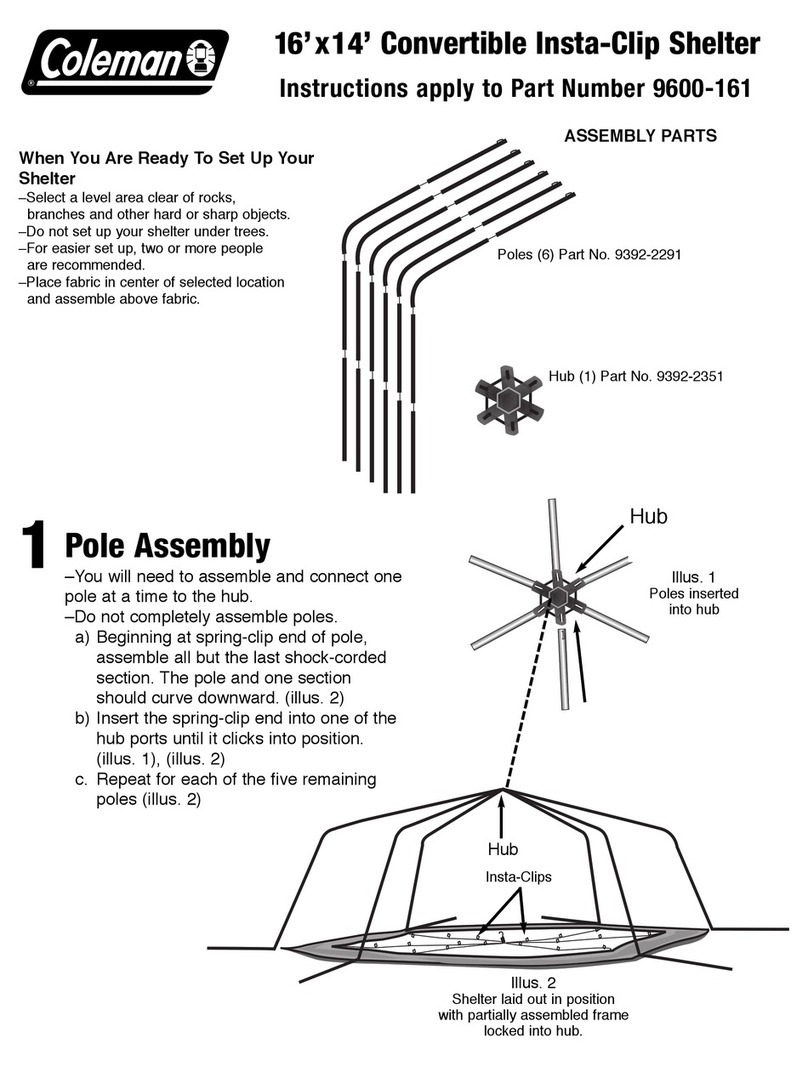
Coleman 9600-161 instructions

Coleman

Coleman 9600-161 instructions

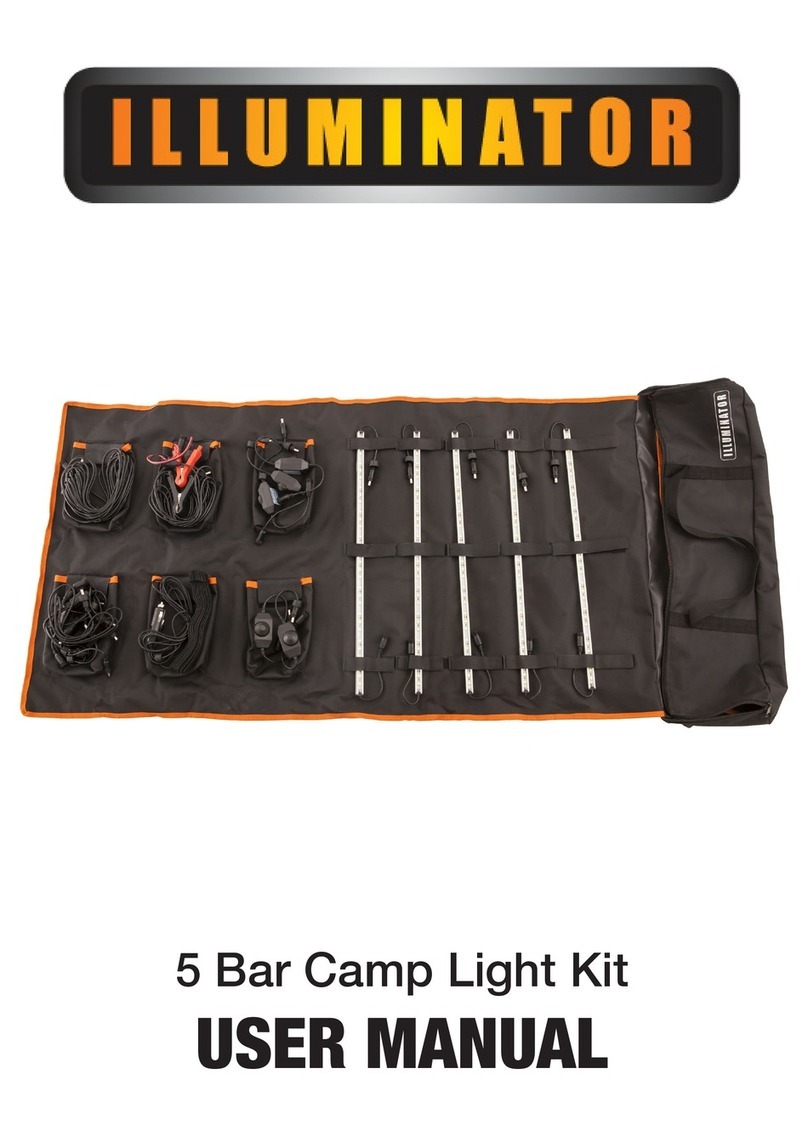
Illuminator 5 Bar Camp Light Kit user manual

Illuminator

Illuminator 5 Bar Camp Light Kit user manual

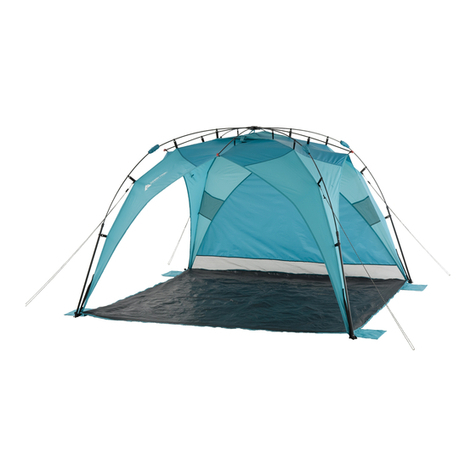
Ozark Trail WMT-8859 instructions

Ozark Trail

Ozark Trail WMT-8859 instructions

Buck Flashpoint 770 operating instructions

Buck

Buck Flashpoint 770 operating instructions

Snow Peak Pack & Carry Fireplace XL instruction manual

Snow Peak

Snow Peak Pack & Carry Fireplace XL instruction manual

Asaklitt 31-1171 instruction manual

Asaklitt

Asaklitt 31-1171 instruction manual

Petromax h-mortar user manual

Petromax

Petromax h-mortar user manual

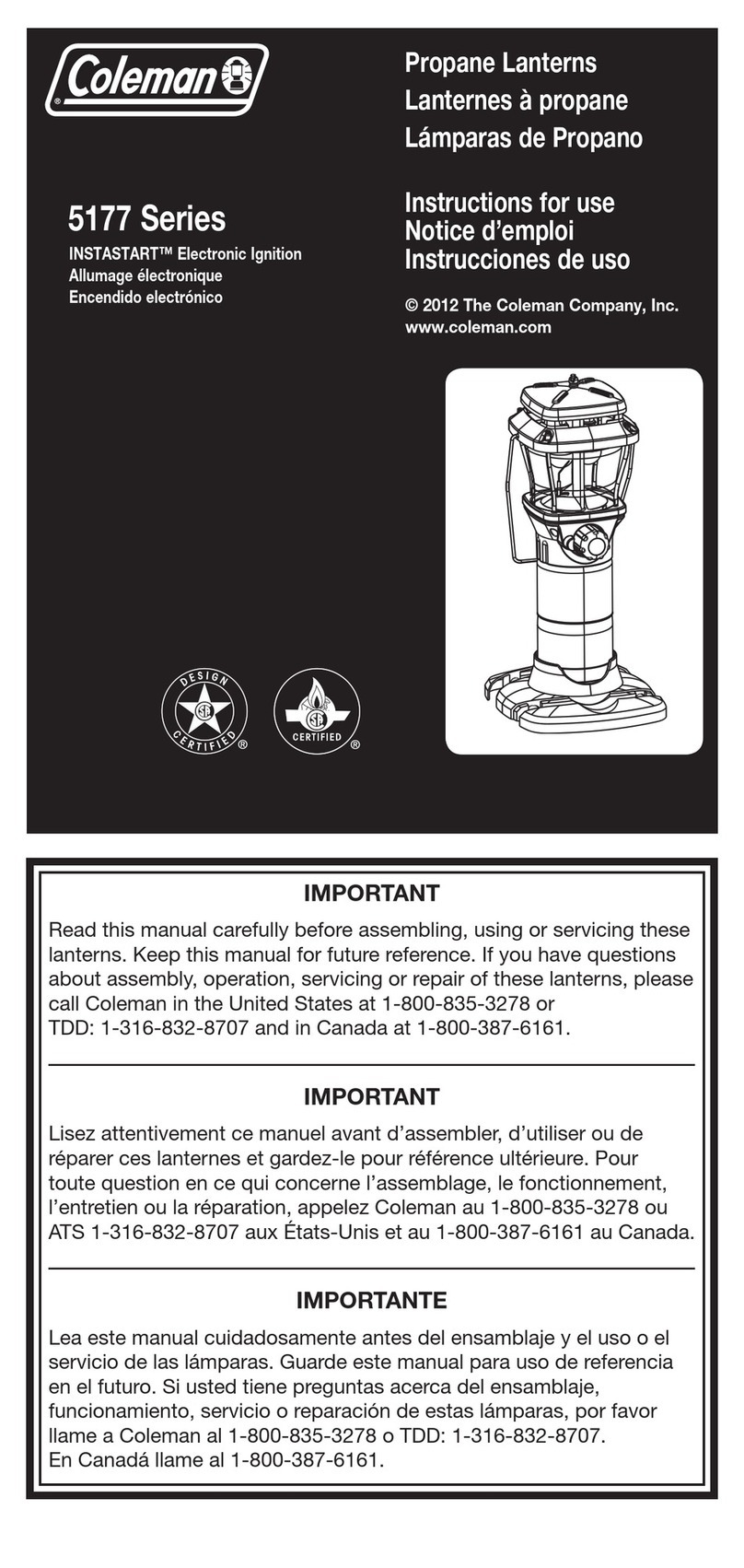
Coleman 5177 Series user guide

Coleman

Coleman 5177 Series user guide

Outdoor Revolution FUR2040 instruction manual

Outdoor Revolution

Outdoor Revolution FUR2040 instruction manual

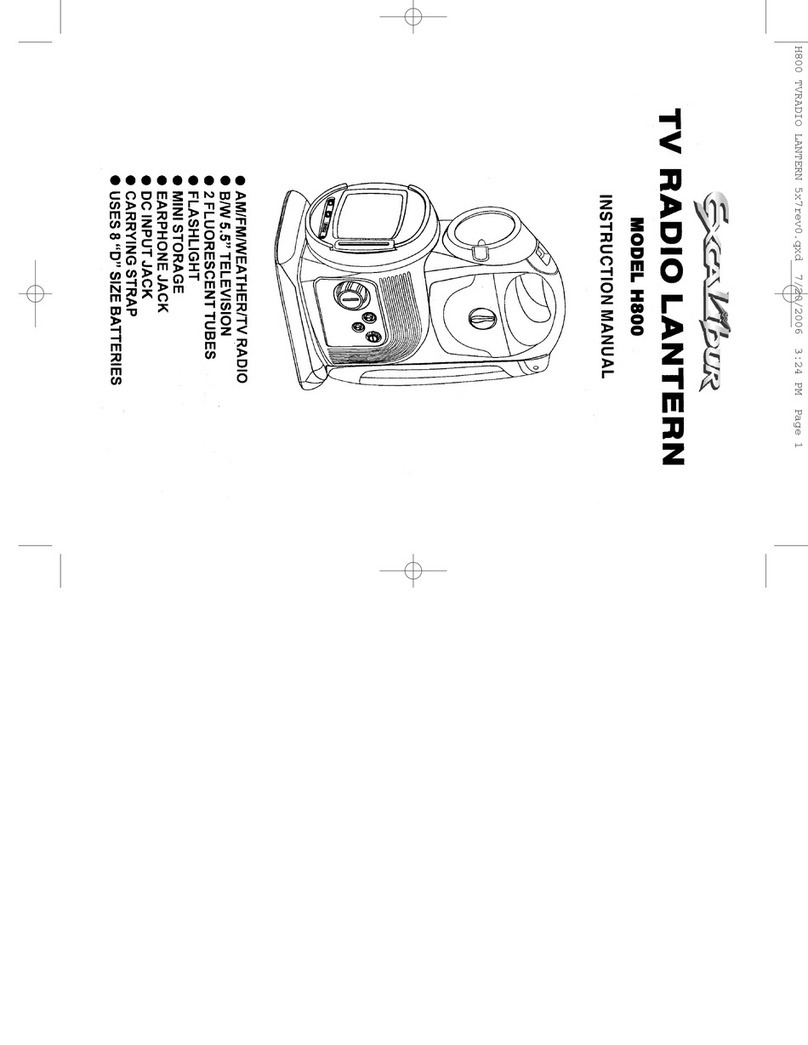
Excalibur H800 instruction manual

Excalibur

Excalibur H800 instruction manual

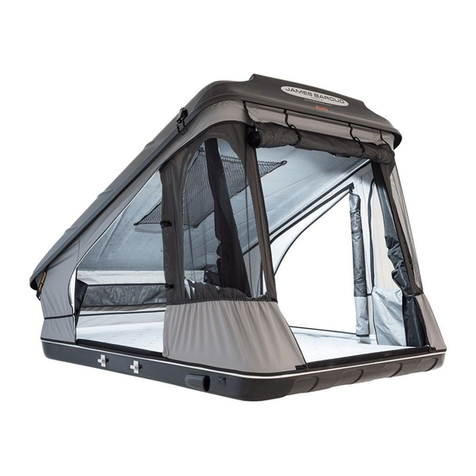
James Baroud Space user guide

James Baroud

James Baroud Space user guide

iKAMPER Skycamp Series user manual

iKAMPER

iKAMPER Skycamp Series user manual

Isabella MINOR Erection Instructions

Isabella

Isabella MINOR Erection Instructions

Wechsel EXOGEN 1 manual

Wechsel

Wechsel EXOGEN 1 manual

https://manuals.online logo
https://manuals.online logoBrands
  • About & Mission
  • Contact us
  • Privacy Policy
  • Terms and Conditions

Copyright 2025 Manuals.Online. All Rights Reserved.

130 cm 160 cm
220
*
180
cm
cm
52 in 64 in *
inch
inch
87 71
ANJAN GT
EUROPE
Hilleberg the Tentmaker AB
Önevägen 34
S-832 51 Frösön, Sweden
tel: +46 (0)63 57 15 50
fax: +46 (0)63 57 15 65
[email protected]
OUTSIDE OF EUROPE
Hilleberg the Tentmaker, Inc.
14790 NE 95th Street
Redmond, WA 98052 USA
tel: +1 (425) 883 0101
fax: +1 (425) 869 6632
toll free: 1 (866) 848 8368 (n. america only)
[email protected]
WWW.HILLEBERG.COM
All product features and measurement values, including tent weight and pole length, may vary somewhat
from what is shown in our catalog, other printed items, and on our web site. Such differences can occur
because of alterations in the design and production process and/or natural variations in the materials.
* = Inner tent height
at front & rear
Anjan 2 GT
100 cm & 80 cm
40 in & 31.5 in
Anjan 3 GT
105 cm & 80 cm
42 in & 31.5 in
Maria Svensson
ANJAN GT
Maria Svensson
| 3
2 |
Hilleberg Anjan GT
sv sv
en en
de de
Willkommen zu Deinem neuen Hilleberg Anjan GT!
Du hast mit diesem Zelt ein hoch qualitatives Produkt erworben und solltest es
auch dementsprechend handhaben. Wir empfehlen Dir, diese Anleitung vor dem
ersten Aufbau Deines Zeltes gründlich durchzulesen und den Aufbau zu üben,
bevor Du mit Deinem neuen Zelt die erste Tour unternimmst.
Trotz seines geringen Gewichts ist das Anjan GT bei korrekter Anwendung extrem
belastbar. Um optimal zu funktionieren, bedarf es jedoch sorgfältiger Pflege und
Handhabung. Folge allen Anleitungen, so wirst Du an diesem Zelt lange Freude haben.
Anjan GT Inhalt
Außenzelt aus Kerlon 1000 mit gekoppeltem Innenzelt. 6 vormontierte Abspann-
leinen mit Leinenspannern. 9-mm-Zeltstangen mit “Lock Tips”: 2 x 260 cm und
1 x 305 cm beim Anjan 2 GT, bzw. 2 x 285 cm und 1 x 328 cm beim Anjan 3 GT.
16 Heringe. Packsäcke für Zelt, Gestänge und Heringe. 1 extra Stangensegment,
1 Reparaturhülse und 1 Aufbauanleitung.
achtung! Das Zelt besitzt 12 Ansatzpunkte für die Heringe. 4 davon werden
mindestens benötigt, damit das Zelt steht. Wir empfehlen trotzdem immer alle
Heringe und Abspannleinen zu verwenden, da sich die Wetterbedingungen schnell
ändern können.
Välkommen till ditt nya Hilleberg Anjan GT!
Du har investerat i ett högkvalitetstält, så tag väl hand om det. Vi rekommenderar
att du läser instruktionshäftet noggrant innan du sätter upp ditt tält och att du
tränar ordentligt på att sätta upp och ta ner det innan du går ut på din första tur.
Trots sin låga vikt är Anjan GT mycket starkt om det används korrekt, men det
kräver noggrann skötsel och handhavande för att fungera optimalt. Följ alla anvis-
ningarna i detta häfte så kommer Anjan GT att fungera väl för dig under många år.
Anjan GT innehåller följande
Yttertält i Kerlon 1000, hopkopplat med innertält. Monterade linor 6 st med
linsträckare. Tältstänger 9 mm med “lock tips”, 2 x 260 cm och 1 x 305 cm i
Anjan 2 GT; och 2 x 285 cm och 1 x 328 cm i Anjan 3 GT. Markpinnar 16 st.
Packpåsar för tält, stänger och pinnar. Extra stångdel 1 st. Reparationshylsa 1
st. Instruktionsbok.
obs: Det finns 12 fästpunkter för markpinnar. Man kan resa tältet med endast 4
markpinnar men vi rekommenderar att du alltid använder alla markpinnar och linor
eftersom vädret kan växla snabbt.
What’s Included with the Anjan GT
One outer tent in Kerlon 1000 connected to one inner tent; 6 attached guy
lines with line runners; 9 mm poles with “lock tips” – 2 x 260 cm and 1 x 305
cm with the Anjan 2 GT; and 2 x 285 cm and 1 x 328 cm with the Anjan 3 GT;
16 pegs; stuff bags for tent, poles and pegs; one spare pole section; one pole
repair sleeve; and an instruction booklet.
note: There are 12 possible peg points on the Anjan GT. Basic pitching takes just
four pegs, but we recommend that you carry and use the others, and that you
make guy line use part of your normal routine, since weather in the backcountry
is always unpredictable!
Welcome to your new Hilleberg Anjan GT!
You have invested in a truly high-end, high quality tent, so take care of your invest-
ment. We strongly recommend that you read these instructions completely before
setting up your tent, and that you practice setting up your tent at home before
taking it on a backcountry trip.
Despite its light weight, the Anjan GT is exceptionally strong if used correctly, but
it does require proper care and handling to function at its full potential. Follow
ALL directions in this booklet. Doing this will ensure the greatest longevity of your
tent and the maximum benefit to you.

| 5
4 |
Hilleberg Anjan GT
sv
en
de
1
2
43 Die Suche eines geeigneten Zeltplatzes
1Wähle einen Platz, der möglichst windgeschützt, eben und frei von Gegenständen ist,
die Dein Zelt beschädigen könnten. Eine leicht konvex gewölbte Stelle gibt dem Zelt eine
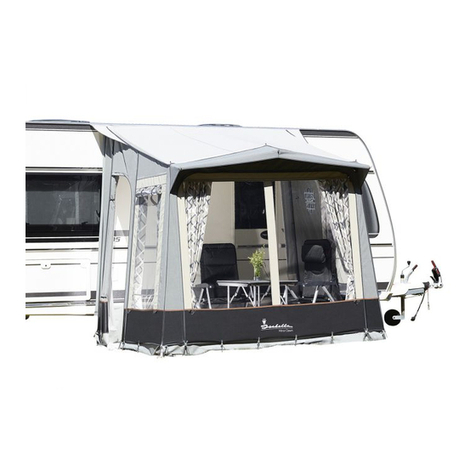
bessere Spannung und Stabilität, und minimiert Nässeansammlung unter der Zeltfläche.
Benutzung des Gestänges
2– 4Unsere Gestänge sind von bester Qualität. Sie sind auf Leichtigkeit konzipiert
und müssen korrekt gehandhabt werden. Bei unsachgemäßer Verwendung können
sie brechen und Deine Sicherheit gefährden. Werfe nie das Gestänge zum Zusam-
menbauen aus, es könnten dadurch Risse oder andere Schäden entstehen! Entfalte
jede Stange und setze sorgfältig ein Segment nach dem anderen zusammen. Achte
darauf, dass die Teile beim Aufbau nicht auseinanderrutschen. Die dabei entstehenden
Spalten können einen Stangenbruch verursachen.
Att välja tältplats
1Välj en så vindskyddad och jämn plats som möjligt, och fri från sådant som kan
skada ditt tält. En konvex yta ger bättre spänning och minskar risken för vatten
under tältet.
Viktigt om hantering av tältstängerna
2– 4Våra tältstänger är av högsta kvalitet, men de är en lättviktsprodukt som
kräver korrekt hantering annars kan stången knäckas och i värsta fall leda till
fara. Kasta aldrig ut en stång för ihopsättning eftersom stångdelarna kan få
sprickor eller andra skador när de slår ihop. Vik ut och sätt ihop en sektion i
taget. Se till att delarna går ihop ordentligt och att de inte glider isär eftersom en
glipa kan orsaka stångbrott.
Choosing a tent site
1Find a spot that is as protected as possible from the wind, and that is even, level
and free of anything that might damage your tent. A slightly convex site will create
better stretch in the pitching and minimize moisture collecting under the tent.
Important note about pole usage
2– 4Our tent poles are the best available, but they are still lightweight alumi-
num. Incorrectly handled, a pole can break, which could be potentially dangerous.
Never extend a pole by flinging it open, since the sections hitting each other
can cause damage. Unfold each pole carefully, seat each section into place, and
ensure that pole sections do not pull apart during pitching, as the resulting gaps
can lead to breakage.
| 7
6 |
Hilleberg Anjan GT
sv
en
de
87
5
6
12
3 4
Ausbreiten und Befestigen des Zeltes
1& 2Breite das Zelt aus und prüfe, ob alle Heringsbefestigungen in ihrer längsten
Position eingestellt sind. 3Bei starkem Wind ist es ratsam, eine Abspannleine
an einen schweren Gegenstand (z. B. Rucksack) zu befestigen. 4Sichere ein
Ende in Windrichtung. Achte darauf, dass die Heringe in den Metallringen der
Heringsbefestigungen stecken.
5Presse die Heringe vollständig und im 45°-Winkel in den Boden.
6Sollte dies nicht möglich sein, ist ein flacherer Winkel besser, als dass ein Teil
des Herings nicht im Boden steckt. 7& 8Benutze einen harten Gegenstand,
wenn es schwierig ist, den Hering ganz in den Boden zu schlagen.
Lägg ut och fäst tältet
1& 2Lägg ut tältet och kontrollera att markpinnefästena är i sitt längsta läge.
3Vid hård vind bind en tältlina i ett tungt föremål t ex en ryggsäck. 4Förankra den
ände som vetter mot vinden. Observera att markpinnen skall fästas i metallringen.
5Markpinnarna ska tryckas ner helt och hållet i 45 graders vinkel.
6Om det ej går att få ner pinnen i rätt vinkel är det bättre att använda en flack-
are vinkel än att låta en del av pinnen sticka upp ur marken. 7& 8Om det är
svårt att få ner pinnen, använd ett hårt föremål för att pressa eller slå ner pinnen.
Lay out and peg the tent
1& 2Lay out the tent, and set the adjustable peg attachment points to their
longest settings. 3Especially in windy conditions, peg a guy line to secure the
tent (or attach it to a backpack or other heavy item). 4Peg one end of the tent
aimed into the wind. On all the corners, make sure to put the peg through the
metal rings on the webbing.
5Press in the pegs completely at about a 45° angle to the surface of the ground.
6It is better to use a shallower angle (closer to parallel to the surface) than it is
to leave a peg sticking up from the ground. 7& 8If it is hard to get the pegs
in, use a rock or other hard object to press – or if necessary, to lightly hammer
– them in fully.
| 9
8 |
Hilleberg Anjan GT
SV
eN
de
1 3
5
7
6
8
9
2
4
10
Zeltaufbau
Lockere alle Kanalspanner vollständig. 1& 2Schiebe eine Stange durch den
Stangenkanal. achtung! 3Die längere Stange ist rot markiert. 4– 6Setze
das herauskommende Stangenende in die Öse der Bodenlasche ein. Halte die
gegenüberliegende Bodenlasche und schiebe die Stange in den Stangenkanal, bis
sie sich aufwölbt. Setze das freie Ende in die Öse. Straffe die Kanalspanner sofort
beiderseits an. Verfahre so mit den anderen Stangen.
Stelle die Heringsbefestigungen auf maximale Länge ein. 7& 8Strecke das Zelt
und richte es gerade aus. Verankere es sorgfältig mit Heringen (siehe Seite 7).
9& 10 Spanne alle verstellbaren Heringsbefestigungen an bis das Zelt straff
und perfekt steht. achtung! Wird das Zelt schlecht gespannt, können Dach oder
Apsiden durchhängen und das Zelt nicht optimal funktionieren.
Uppsättning
Kontrollera att stånghållarna är i sitt längsta läge. 1& 2Skjut en stång genom
kanalen. obs: 3Den längre stången och kanalen är rödmarkerade. 4– 6Fäst
ena stångänden i hållaren och spänn stånghållaren något. skjut in resterande del
av stången och sätt den andra änden i stånghållaren. Gör samma sak på de andra
stängerna.
Kontrollera att de justerbara pinnfästena i hörnen är helt utdragna. 7& 8Drag ut
tältet och kontrollera att det står rakt. Fäst markpinnarna och skjut ner dom helt
i marken. (se sid 7). 9& 10 Spänn pinnfästenas band så att tältet är perfekt
sträckt. obs: Om det är dåligt spänt kommer taket eller absiden att hänga och
tältet fungerar inte optimalt.
Pitching the tent
Make sure the pole tensioner tabs are set to their longest. 1& 2Push a pole all
the way through its sleeve and secure one end into the grommet in the webbing tab.
note: 3the longer pole and its sleeve are color coded. 4– 6Push on the other
end of the pole so that it arches into shape, and put that end into the grommet.
Tighten the pole tensioner straps on both sides. Repeat with the remaining pole.
Make sure the adjustable peg attachment points on the corners are at their longest.
7& 8Pull the tent out, making sure it is straight, and peg it down, pressing the
pegs fully into the soil (see page 7). 9& 10 Adjust the peg tensioning loops
to make the tent taut and perfectly stretched. note: If the tent is tensioned
poorly, the roof and/or vestibules will sag, and the tent will not perform optimally.
| 11
10 |
Hilleberg Anjan GT
sv
en
de
1 2
3
Verankern des Zeltes
achtung: Anjan GT steht gut mit nur vier Heringen. Wir empfehlen immer alle
Heringe und Abspannleinen einzusetzen, da sich die Wetterbedingungen schnell
ändern können.
1Verankere zuerst die seitlichen Bodenlaschen und danach die Abspannleinen
mit Heringen. 2& 3Strecke die Leinen so lang als möglich aus und positioniere
sie so, dass das Zelt in alle Windrichtungen stabil steht (siehe Skizze).
Bei starkem Seitenwind ist es ratsam, alle Leinen an der Windseite gerade gegen
den Wind zu verspannen. Achte darauf, dass die Heringe richtig sitzen (siehe Seite 7).
achtung! Die Zeltleinen sollten nur so stark gespannt werden, dass sie nicht die
Form des Zeltes verändern.
Förankra tältet
obs: Anjan GT står bra med 4 pinnar men vi rekommenderar att du alltid fäster
alla linor och markpinnar eftersom vädret kan ändras snabbt.
1Fäst markpinnarna i fästena på tältets bägge långsidor. 2& 3Drag ut linorna
i sitt längsta läge och fäst dem enligt skissen.
Om vinden blåser hårt från en sida kan det vara bäst att ha alla linor rakt ut mot
vinden. Kontrollera att alla markpinnar är helt nere i marken i rätt vinkel (se sid 7.)
obs: Tältlinorna skall vara spända men inte så mycket att de ändrar tältets form.
Anchoring the tent
note: While the Anjan GT is fully pitched with just the four corners properly pegged,
we recommend that you always use all the pegs and all guy lines since weather
conditions can change quickly.
1Peg out the floor peg loops at the base of the pole sleeves on both sides of the
tent before pegging out the guy lines. 2& 3Make sure all the guy lines are set to
their longest length, and peg out the remaining guy lines as shown in the illustration.
If the wind is blowing hard from the side, pull the windward side guy lines straight
out. Make sure the pegs are fully pressed into the ground at the proper angle
(see page 7).
note: The guy lines should be taut, but not so tight that they deform the tent.
| 13
12 |
Hilleberg Anjan GT
sv
en
de
1
3 4
65
2
Benutzung des Außenzelteinganges
1– 4Öffne den Reißverschluss vollständig, rolle die Tür straff zusammen und
befestige sie seitlich an der Apsidenfront.
5Führe beim Öffnen und Schließen einen Finger vor dem Schieber entlang, um
zu verhindern, dass sich Gewebe im Reißverschluss verhakt.
6Bei Sturm können die Schiebergriffe am roten Knebel unten am Reißverschlus-
sanfang fixiert werden.
achtung: Vermeide es auf die geöffnete Eingangstür zu treten oder sie am Boden
liegen zu lassen, da Sand und Schmutz die Reißverschlüsse dauerhaft schädigen.
Användning av yttertältets dörr
1– 4Öppna blixtlåsen hela vägen upp och rulla ihop dörren och fäst den åt sidan.
obs: För att ingångens form ska hållas intakt och för att motverka onödigt slitage
på dragkedjan är det viktigt att du fäster markpinnefästena på var sida om dörren.
5För att undvika att tyget fastnar i blixtlåsen är det bra att hålla ett finger framför
blixtlåslöparen vid öppning och stängning.
6Dragkedjekläppen kan i hård vind låsas med hjälp av den röda togglen.
obs: Trampa aldrig på dörrfliken eller låt den ligga på marken eftersom risken
då är stor att det kommer jord, sand eller annat skräp i blixtlåsen, vilka då snart
slutar fungera.
Using the outer tent door
1– 4Open the zipper completely, roll the door up tightly and secure the bundle
of fabric with the attachment system. note: to maintain the correct tension in the
poles and to prevent unnecessary wear on the zipper, make sure to peg the loops
at the base of the poles on either side of the door.
5It is a good idea to keep your finger in the zipper as you open or close it. This
keeps the door fabric from catching, and will increase the life of your zippers.
6The zipper pulls are designed so you can “lock” the zipper in strong winds by
using the red toggle at the base of the zipper.
note: Make sure not to step on the door, or to let it lay on the ground; this will
drag the zipper in the dirt, and grit in the zipper will reduce its life span.
| 15
14 |
Hilleberg Anjan GT
sv
en
de
1
2
3Benutzung des Innenzelteinganges
1– 3Der Eingang im Innenzelt kann von der Seite oder von oben her geöffnet
und komplett zur Seite gerollt werden. Öffne den Reißverschluss, rolle den Stoff
zusammen und befestige den aufgerollten Eingang seitlich mit Knebel und Gum-
miband.
achtung! Vermeide es auf die geöffnete Eingangstür zu treten oder sie am Boden
liegen zu lassen, da Sand und Schmutz die Reißverschlüsse dauerhaft schädigen.
Användning av innertältsdörren
1– 3Innertältsingången kan öppnas från sidan eller uppifrån och hela dörrfliken
kan rullas åt sidan. Öppna blixtlåset helt, rulla ihop tyget och fäst det med toggle
och resårband vid ingångssidan.
obs: Låt aldrig dörrfliken ligga på marken eller trampa på den eftersom det kan
innebära att sand, jord eller annan smuts fastnar i blixtlåset och det slutar fungera.
Using the inner tent door
1– 3The inner tent entrance can be opened from either the side or the top, and
the door itself can be fully rolled to the side. Unzip the door completely, then gather
and roll the fabric bundle to the side. Secure it with the toggle and loop fasteners.
note: Make sure not to step on the door, or to let it lay on the ground; this will
drag the zipper in the dirt, and grit in the zipper will reduce its life span.
| 17
16 |
Hilleberg Anjan GT
SV
eN
de
1 2 3
4 5 6
7 8
910
Benutzung des Belüftungssystems
Das Außenzeltdesign und große Mesh-Bereiche im Innenzelt gewährleisten bei
jedem Wetter eine konstante Ventilation. 1– 3Das separate Verankern des
Fußendes steigert die Belüftung. 4– 6Zur maximalen Belüftung löse am Fußende
das Innen- vom Außenzelt. Sichere das Innenzelt mit Heringen. 7– 9Lockere
beide Kanalspanner der Apside, entferne die Heringe vom unteren Apsidenende,
rolle die Abside zusammen und befestige sie über dem Gestängebogen. achtung!
Die vorderen Leinen müssen mindestens in einem 45°-Winkel abgespannt werden.
10 Kanalspanner an beiden Seiten ermöglichen ein gezieltes Anpassen des
Außenzeltes an die Wettersituation. Lockere alle Kanalspanner und straffe sie an
der Wetterseite an, um das Außenzelt zum Schutz vor Wind und Regen näher an
den Boden zu stellen oder um die gegenüberliegende Seite zu belüften.
Användning av ventilationen
Anjan GTs yttertältsdesign och innertältets stora myggnätspartier säkerställer
konstant luftväxling i alla väder. 1– 3Genom att fästa innertältets bakre hörn-
fästen med markpinnar ökar avståndet mellan inner- och yttertält och förbättrar
ventilationen. 4– 6För maximal ventilation, koppla isär inner- och yttertält i bakre
hörnen. Fäst innertältet i marken med pinnar och rulla bakre delen av yttertältet
över stångkanalen. 7– 9Lösgör bandspännena vid absidkstångens båda ändar,
lossa absidens markpinnefästen och rulla upp absiden över stångkanalen. obs: De
främre linorna skall vara i 45 grader eller mer.
10 För att öka ventilationen eller ge ökat vind- och regnskydd, lossa stånghållarens
band på läsidan och spänn ner yttertältet på vindsidan.
Using the ventilation system
The Anjan GT’s outer tent design and the inner tent’s large mesh panels ensure
constant air flow in all weather. 1– 3Pegging the rear corners of the inner tent
separately maximizes spacing between the inner and outer tents and adds even
more air flow. 4– 6For maximum ventilation, peg the back of the inner tent,
unpeg the back of the outer tent then roll it and secure it over the rear pole sleeve.
7– 9Loosen the pole tensioners on both sides of the vestibule pole, unpeg front
of the vestibule, and roll it and secure it over the pole sleeve. note: Make sure the
front and rear guy lines are set to their proper 45° or more angle.
10 To provide more weather protection on one side (or more air flow on the
other), loosen all the pole tensioners, then tighten one side to lower the outer tent.
| 19
18 |
Hilleberg Anjan GT
sv
en
de
1 2 3
4 6
7 8
10 11
9
12
5
Abbau und Verpacken des Zeltes
Fege das Innenzelt und schließe alle Reißverschlüsse. Entferne ggf. Staub und
Sand mit einer kleinen Bürste von den Reißverschlüssen. Sichere das Zelt mit einer
Abspannleine an einen stabilen Gegenstand, falls es windig ist. 1– 4Entferne die
Heringe. Stelle Heringsbefestigungen, Abspannleinen und Kanalspanner auf maximale
Länge ein. Löse die Stangen von den Bodenlaschen. 5& 6Halte den Stangenkanal
in der Hand und schiebe die Stange heraus. Ziehe niemals an den Stangen! Lege das
zusammengefaltete Gestänge mit dem Heringssack in den Gestängesack. 7– 9Rolle
das zusammengelegte Zelt um den Gestängesack. Stecke alles in den Zeltpacksack.
10 – 12 Alternativ kann das Zelt direkt im Zeltpacksack verstaut werden, jedoch
sollten Gestänge- und Heringssack separat aufbewahrt werden. Stecke sie unter
keinen Umständen nachträglich in den Zeltsack - dies kann das Zelt beschädigen!
Nedtagning och packning av tältet.
Sopa ur och gör rent tältet. Stäng alla blixtlås. På sandiga och smutsiga tältplatser –
borsta och rengör alla blixtlås med en liten borste. Vid hård vind, fäst en av linorna
i ett tungt föremål. 1– 4Tag bort markpinnarna. Drag ut markpinnfästena till
maxlängd. Lägg ner tältet, förläng stånghållarna maximalt och tag ur stängerna
ur hållarna. 5& 6Håll i stångkanalen och skjut ut stängerna. Drag aldrig ur
stängerna! Vik ihop stängerna och lägg dem, tillsammans med pinnpåsen, i
stångpåsen. 7– 9Vik ihop tältet och rulla ihop det med stångpåsen i mitten och
lägg ner det i tältpåsen. 10 – 12 Alternativt, vik eller packa ner tältet i tältpåsen
utan stångpåsen och läggs dem separat i ryggsäcken. Stoppa ej ner stångpåsen
utanför tältet i tältpåsen eftersom tältet då kan skadas.
Taking down and packing the tent
Brush out the tent and close all the zippers. In sandy or dusty environments, brush
the zippers with a small brush. In windy conditions attach one guy line to a heavy
object, such as a backpack. 1– 4Remove the pegs and lengthen the peg tension-
ers, then lay the tent down, loosen the pole tensioners, and remove the pole ends
from the grommets. 5& 6Hold onto the pole sleeve itself while pushing the end
of each pole. Do not simply pull the poles out of their sleeves. Fold the poles
and put them, along with the pegs in their bag, into the pole bag. 7– 9Fold the
tent, roll it around the pole bag, and slide the bundle into the tent bag. 10 – 12
Alternatively, fold or stuff the tent into the tent bag without the poles, and pack
the pole bag separately in your pack. Do not push the pole and peg bags down
the side of the filled tent bag, as this could damage your tent.