manuals.online logo
Brands
  1. Home
  2. •
  3. Brands
  4. •
  5. HoldPeak
  6. •
  7. Multimeter
  8. •
  9. HoldPeak HP-90E User manual

HoldPeak HP-90E User manual

Other HoldPeak Multimeter manuals

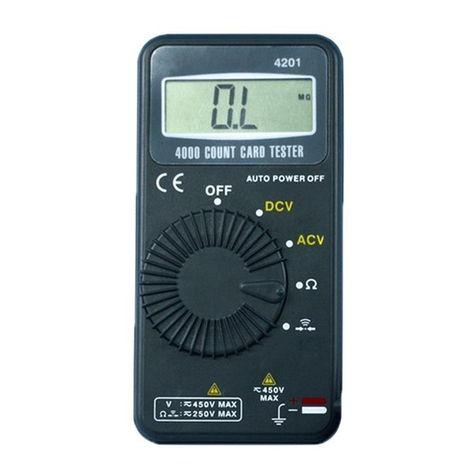
HoldPeak 4201 User manual

HoldPeak

HoldPeak 4201 User manual

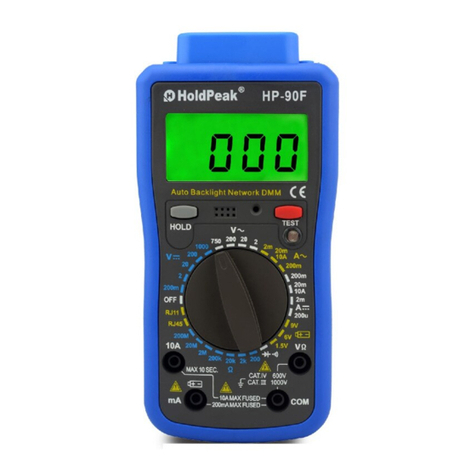
HoldPeak HP-90F User manual

HoldPeak

HoldPeak HP-90F User manual

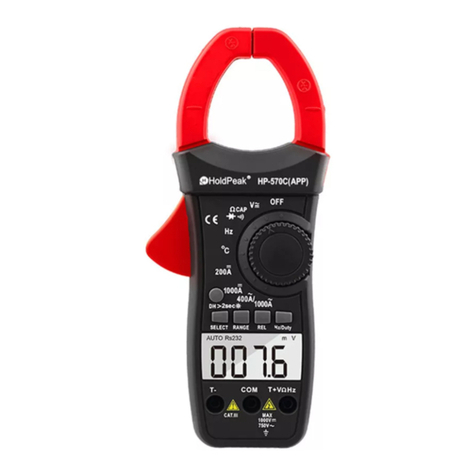
HoldPeak HP-570C-APP User manual

HoldPeak

HoldPeak HP-570C-APP User manual

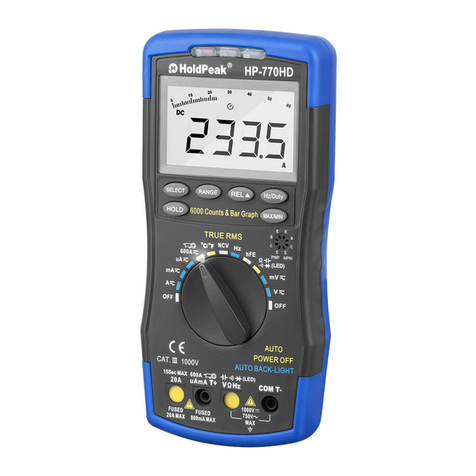
HoldPeak 770HD User manual

HoldPeak

HoldPeak 770HD User manual

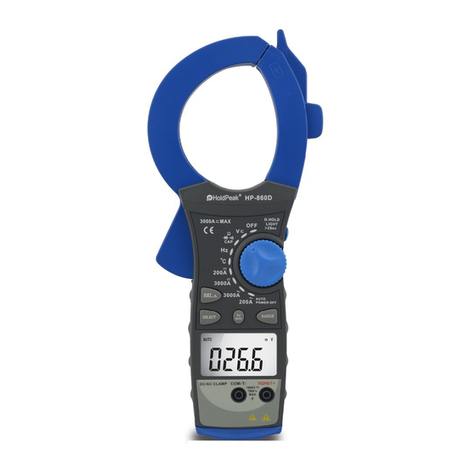
HoldPeak 860D User manual

HoldPeak

HoldPeak 860D User manual

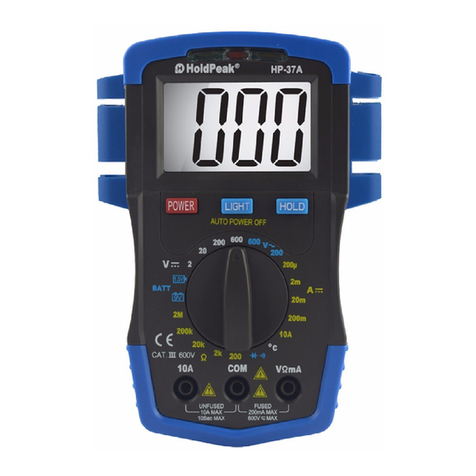
HoldPeak HP-37A User manual

HoldPeak

HoldPeak HP-37A User manual

HoldPeak 6205 User manual

HoldPeak

HoldPeak 6205 User manual

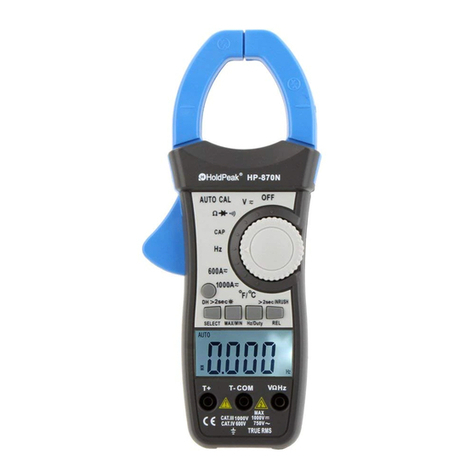
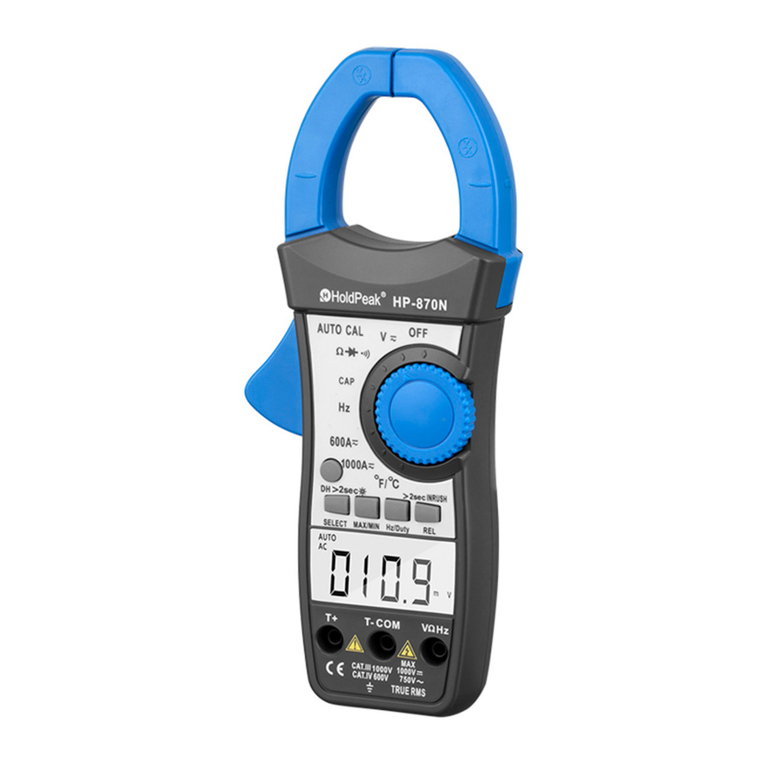
HoldPeak 870N User manual

HoldPeak

HoldPeak 870N User manual

HoldPeak 90F User manual

HoldPeak

HoldPeak 90F User manual

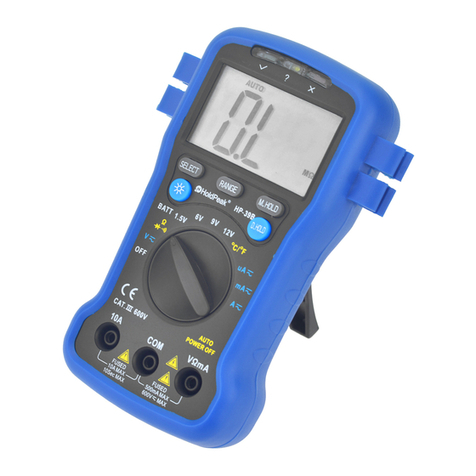
HoldPeak 39B User manual

HoldPeak

HoldPeak 39B User manual

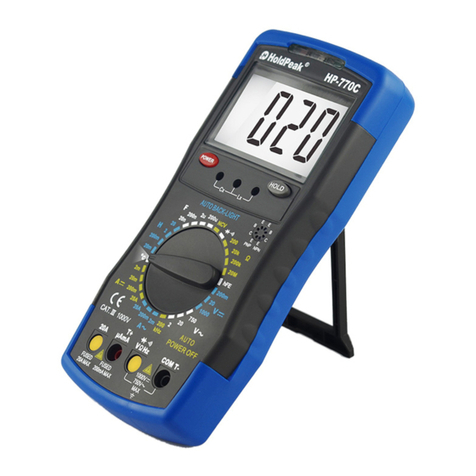
HoldPeak 770C User manual

HoldPeak

HoldPeak 770C User manual

HoldPeak 870CR User manual

HoldPeak

HoldPeak 870CR User manual

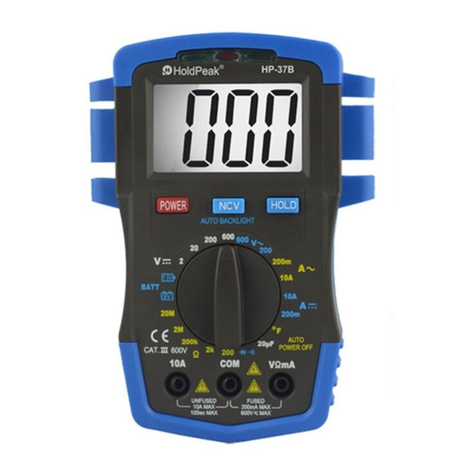
HoldPeak HP-37B User manual

HoldPeak

HoldPeak HP-37B User manual

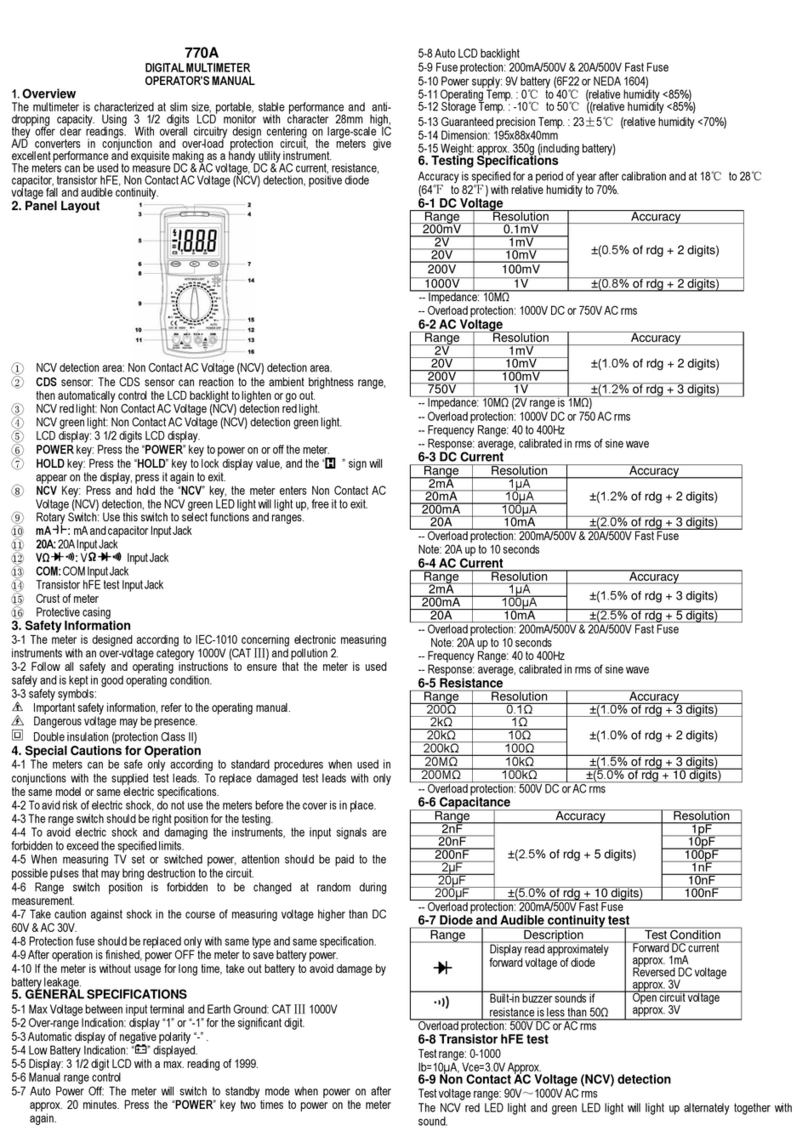
HoldPeak 770A User manual

HoldPeak

HoldPeak 770A User manual

HoldPeak HP-770H User manual

HoldPeak

HoldPeak HP-770H User manual

HoldPeak 770A User manual

HoldPeak

HoldPeak 770A User manual

HoldPeak 870E Installation manual

HoldPeak

HoldPeak 870E Installation manual

HoldPeak 770D User manual

HoldPeak

HoldPeak 770D User manual

HoldPeak 770G User manual

HoldPeak

HoldPeak 770G User manual

HoldPeak 860N User manual

HoldPeak

HoldPeak 860N User manual

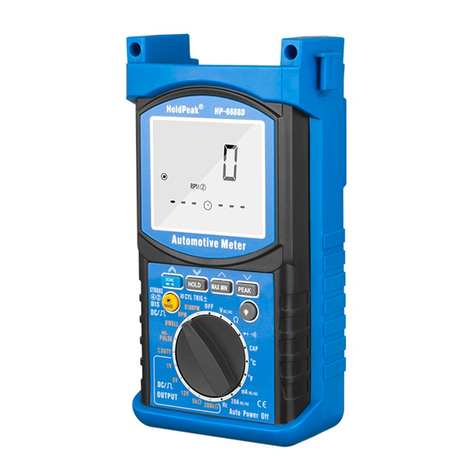
HoldPeak 6688D User manual

HoldPeak

HoldPeak 6688D User manual

HoldPeak HP-770H User manual

HoldPeak

HoldPeak HP-770H User manual

HoldPeak 870N User manual

HoldPeak

HoldPeak 870N User manual

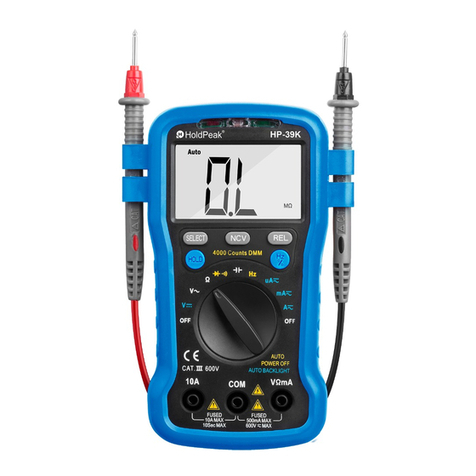
HoldPeak 39K User manual

HoldPeak

HoldPeak 39K User manual

Popular Multimeter manuals by other brands

Fluke 106 user manual

Fluke

Fluke 106 user manual

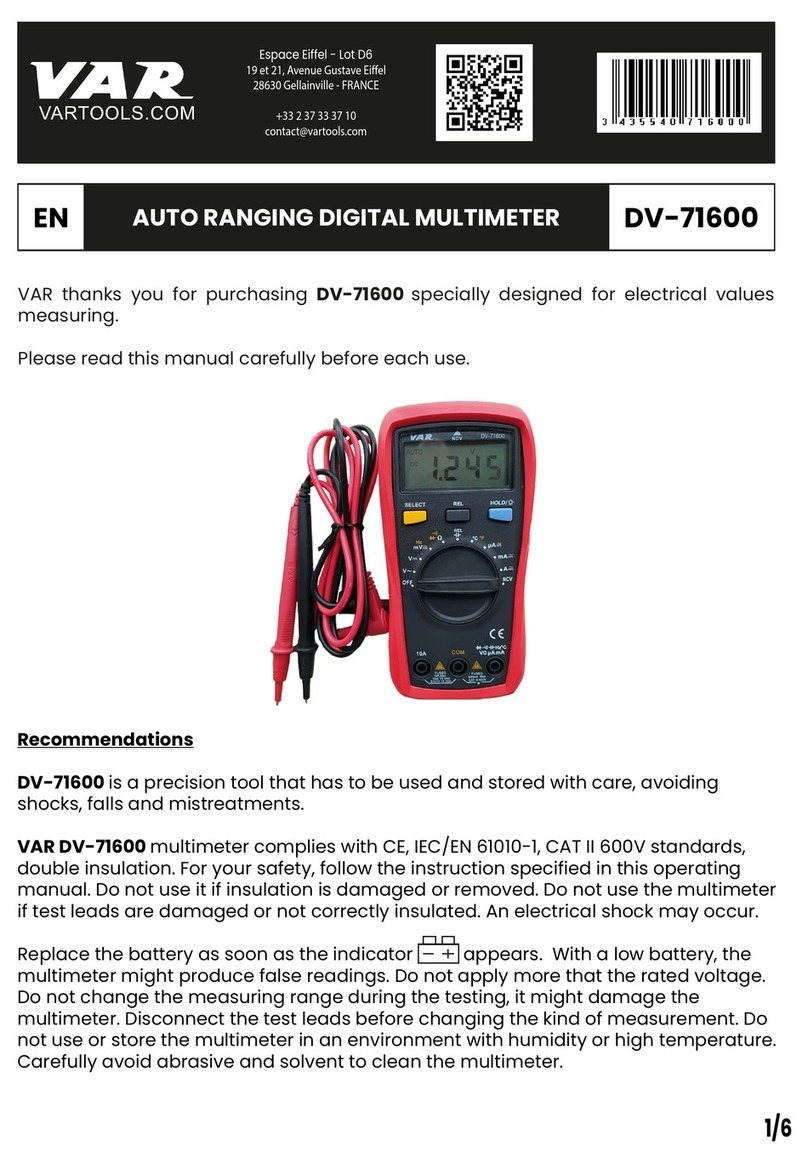
VAR DV-71600 manual

VAR

VAR DV-71600 manual

Agilent Technologies 34420A user guide

Agilent Technologies

Agilent Technologies 34420A user guide

Fluke 83 user manual

Fluke

Fluke 83 user manual

Hameg HM 8012 manual

Hameg

Hameg HM 8012 manual

Mastech MY70 Operation manual

Mastech

Mastech MY70 Operation manual

Steren MUL-300 user manual

Steren

Steren MUL-300 user manual

Somogyi Elektronic home SMA 92 instruction manual

Somogyi Elektronic

Somogyi Elektronic home SMA 92 instruction manual

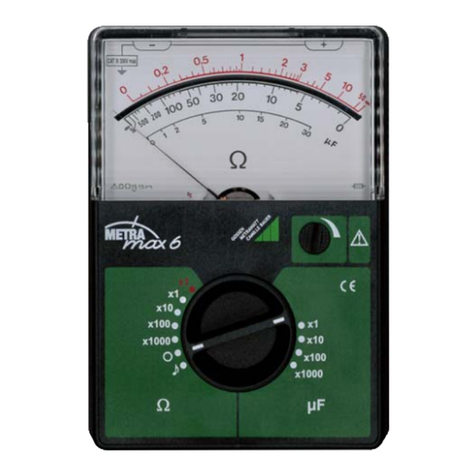
Gossen MetraWatt METRAmax 6 operating instructions

Gossen MetraWatt

Gossen MetraWatt METRAmax 6 operating instructions

PeakTech 4000 Procedure of calibration

PeakTech

PeakTech 4000 Procedure of calibration

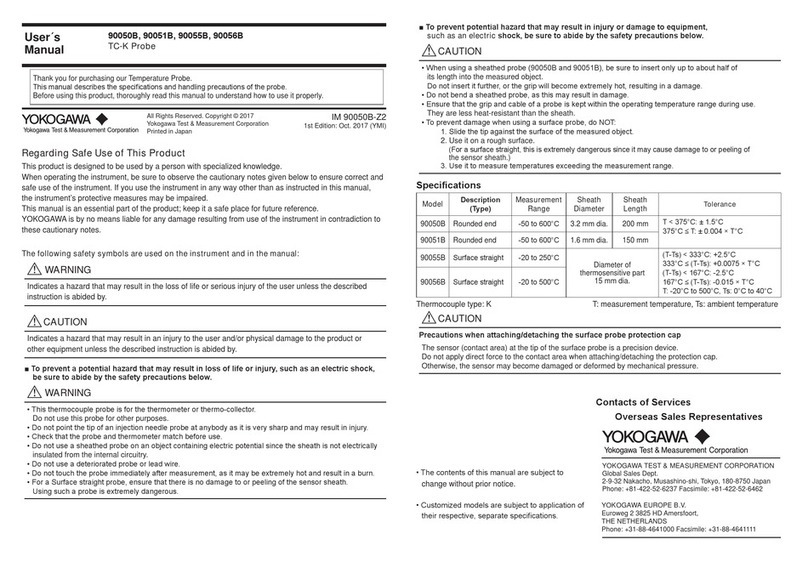
YOKOGAWA 90050B user manual

YOKOGAWA

YOKOGAWA 90050B user manual

Fluke 8846A Programmer's manual

Fluke

Fluke 8846A Programmer's manual

Tempo Communications MM200 instruction manual

Tempo Communications

Tempo Communications MM200 instruction manual

APPA 607 user manual

APPA

APPA 607 user manual

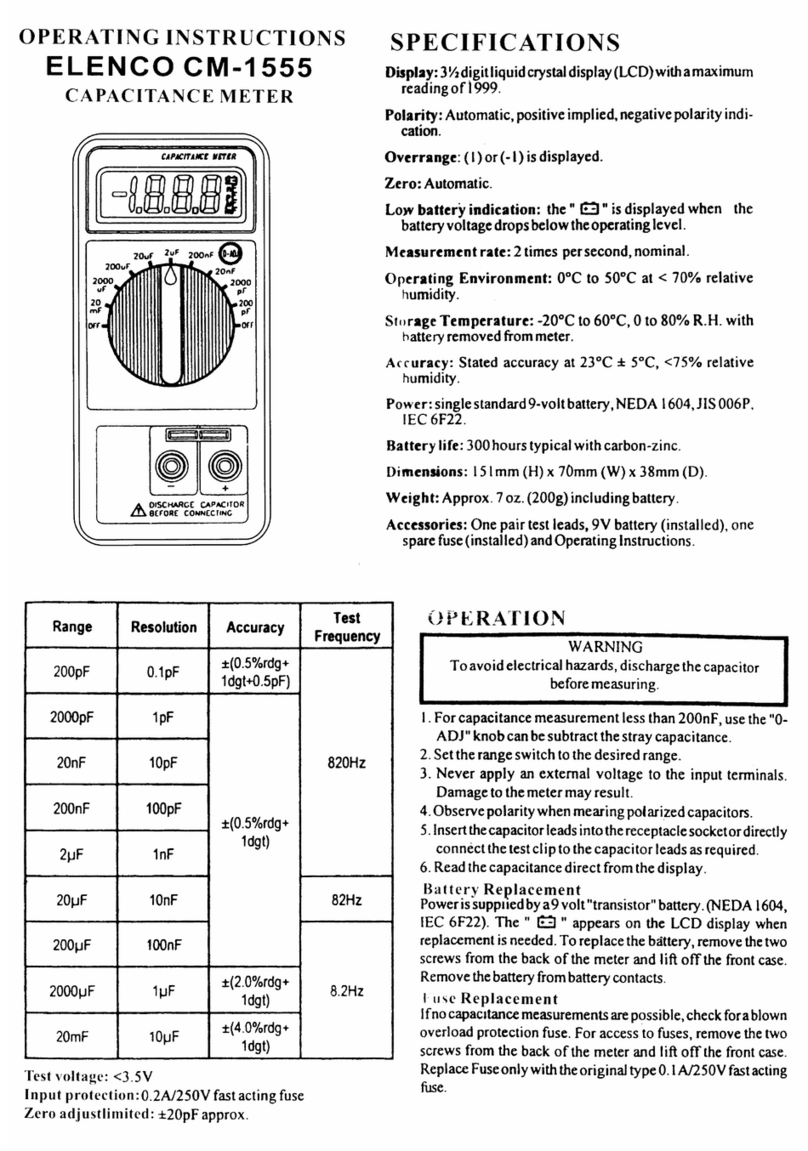
Elenco Electronics CM-1555 operating instructions

Elenco Electronics

Elenco Electronics CM-1555 operating instructions

Mastech MS8238C user manual

Mastech

Mastech MS8238C user manual

SDAR 830A, 830B, 830D, 830C user manual

SDAR

SDAR 830A, 830B, 830D, 830C user manual

RS PRO RS-9519BT instruction manual

RS PRO

RS PRO RS-9519BT instruction manual

manuals.online logo
manuals.online logoBrands
  • About & Mission
  • Contact us
  • Privacy Policy
  • Terms and Conditions

Copyright 2025 Manuals.Online. All Rights Reserved.

HP-90E
DIGITAL MULTIMETER
OPERATOR’S MANUAL
1. Overview
The multimeter is characterized at slim size, portable, stable performance
and anti-dropping capacity. Using 4000 counts digit LCD monitor with
character 22mm high, they offer clear readings. With overall circuitry
design centering on large-scale IC A/D converters in conjunction and
over-load protection circuit, the meters give excellent performance and
exquisite making as a handy utility instrument.
The meters can be used to measure DC & AC voltage, DC & AC current,
resistance, capacitor, frequency, duty cycle, temperature, battery test,
positive diode voltage fall and audible continuity.
2. Panel Layout
①LCD display: 4000 counts digit, full function symbol display.
②SELECT key: This key work on the " " range, press the key
to choose resistance, diode or continuity test, on the voltage or
current range, change to DC or AC; If press and hold SELECT key
to power on, “Auto Power Off ”function will be disabled.
③HOLD key: Press the “HOLD” key to lock display value, and the “DH”
sign will appear on the display, press it again to exit.
④RANGE Key: Press the “RANGE” key, the meter enters manual
range mode, press it more than 2 seconds again, return to auto
mode.
⑤REL Key: Press the “REL” key, the meter enters relative measuring
mode, “REL” is displayed on the LCD and the present reading
becomes the reference value and displayed on the display. Relative
measurement REL△=measurement value-Reference value.
⑥Hz/% Key: On “ACV/ACA” or “Hz” range, press the “Hz/%”key, you
can choose the Frequency or Duty Cycle measurement.
⑦CDS sensor: The CDS sensor can reaction to the ambient
brightness range, then automatically control the LCD backlight
to lighten or go out.
⑧Rotary Switch: use this switch to select functions and ranges.
⑨VHz Input Jack
⑩COM and Temperature “-” Input Jack
⑪μAmA/BATT and Temperature “+” Input Jack
⑫20A Input Jack
3. Safety Information
3-1 The meters are designed according to IEC-1010 concerning electronic
measuring instruments with an over-voltage category 600V (CAT Ⅳ) and
pollution 2.
3-2 Follow all safety and operating instructions to ensure that the meter is
used safely and is kept in good operating condition.
3-3 safety symbols:
Important safety information, refer to the operating manual.
Dangerous voltage may be presence.
Double insulation (protection Class II)
4. Special Cautions for Operation
4-1 The meters can be safe only according to standard procedures when
used in conjunctions with the supplied test leads. To replace damaged test
leads with only the same model or same electric specifications.
4-2 To avid risk of electric shock, do not use the meters before the cover is
in place.
4-3 The range switch should be right position for the testing.
4-4 To avoid electric shock and damaging the instruments, the input
signals are forbidden to exceed the specified limits.
4-5 When measuring TV set or switched power, attention should be paid to
the possible pulses that may bring destruction to the circuit.
4-6 Range switch position is forbidden to be changed at random during
measurement.
4-7 Take caution against shock in the course of measuring voltage higher
than DC 60V & AC 30V.
4-8 Protection fuse should be replaced only with same type and same
specification.
4-9 After operation is finished, set function switch at OFF range to save
battery power.
4-10 If the meter is without usage for long time, take out battery to avoid
damage by battery leakage.
5. GENERAL SPECIFICATIONS
5-1 Max Voltage between input terminal and Earth Ground: CAT Ⅳ600V
5-2 Over-range Indication: display “OL” for the significant digit.
5-3 Automatic display of negative polarity “-” .
5-4 Low Battery Indication: “ ” displayed.
5-5 Max LCD display: 4000 counts digit.
5-6 Auto range & Manual range control
5-7 Auto Power Off: When measurement exceeds 30 minutes without
switching mode and pressing key, the meter will switch to standby
mode. Press any key to exit standby mode. When restart the system,
press and hold SELECT key to disable auto power off.
5-8 Auto LCD backlight
5-9 Fuse protection: 400mA/250V PPTC Resettable Fuse
F-20A/250V Fuse (Ø5x20mm)
5-10 Power supply: 9V battery (6F22)
5-11 Operating Temp.: 0℃to 40℃(relative humidity <85%)
5-12 Storage Temp.:-10℃to 50℃((relative humidity <85%)
5-13 Guaranteed precision Temp.: 23±5℃(relative humidity <70%)
5-14 Dimension: 193x88x41mm
5-15 Weight: approx. 320g (including battery)
6. Testing Specifications
Accuracy is specified for a period of year after calibration and at 18℃to
28℃(64℉to 82℉) with relative humidity to 70%.
6-1 DC Voltage
Range
Resolution
Accuracy
400mV
0.1mV
±(0.5% of rdg + 2 digits)
4V
1mV
40V
10mV
400V
100mV
1000V
1V
±(0.8% of rdg + 2 digits)
-- Impedance: 10MΩ, More than 100MΩ on 400mV range
-- Overload protection: 250V DC or AC rms for 400mV range, effective
1000V DC or 750V AC rms for other ranges
6-2 AC Voltage
Range
Resolution
Accuracy
400mV
0.1mV
±(1.2% of rdg + 3 digits)
4V
1mV
±(0.8% of rdg + 3 digits)
40V
10mV
400V
100mV
750V
1V
±(1.2% of rdg + 3 digits)
--The 400mV range be selected by press “RANGE” key only
-- Impedance: 10MΩ, More than 100MΩ on 400mV range
-- Overload protection: 250V DC or AC rms for 400mV range, effective
1000V DC or 750V AC rms for other ranges
-- Frequency Range: 40 to 400Hz
-- Response: average, calibrated in rms of sine wave
6-3 DC Current
Range
Resolution
Accuracy
400μA
0.1μA
±(1.2% of rdg + 2 digits)
4000μA
1μA
40mA
10μA
400mA
100μA
4A
1mA
±(2.0% of rdg + 3 digits)
20A
10mA
-- Overload protection: 400mA/250V PPTC Resettable Fuse
F-20A/250V Fuse, 20A up to 10 seconds
6-4 AC Current
Range
Resolution
Accuracy
400μA
0.1μA
±(1.5% of rdg + 3 digits)
4000μA
1μA
40mA
10μA
400mA
100μA
4A
1mA
±(2.5% of rdg + 5 digits)
20A
10mA
-- Overload protection: 400mA/250V PPTC Resettable Fuse
F-20A/250V Fuse, 20A up to 10 seconds
-- Frequency Range: 40 to 400Hz
-- Response: average, calibrated in rms of sine wave
6-5 Resistance
Range
Resolution
Accuracy
400Ω
0.1Ω
±(1.0% of rdg + 3 digits)
4kΩ
1Ω
±(1.0% of rdg + 2 digits)
40kΩ
10Ω
400kΩ
100Ω
4MΩ
1kΩ
40MΩ
10kΩ
±(1.5% of rdg + 3 digits)
-- Overload protection: 250V DC or AC rms
6-6 Capacitance
Range Accuracy Resolution
51.2nF ±(3.0% of rdg + 10 digits) 10pF
512nF ±(2.5% of rdg + 5 digits) 100pF
5.12µF 1nF
51.2µF 10nF
100µF ±(5.0% of rdg + 10 digits) 100nF
-- Overload protection: 250V DC or AC rms
6-7 Frequency
Range Accuracy Resolution
5.12Hz
± (0.1% of rdg + 5 digits)
0.001Hz
51.2Hz 0.01Hz
512Hz 0.1Hz
5.12kHz 1Hz
51.2kHz 10Hz
512kHz 100Hz
5.12MHz 1kHz
-- Sensitivity: sine wave 0.6V rms (5.12MHz: 1.5V rms)
-- Overload protection: 250V DC or AC rms
6-8 Duty cycle
0.1%~99.9%: ± ( 2.0% of rdg + 2 digits ), Frequency lower than 10kHz
-- Sensitivity: sine wave 0.6V rms
-- Overload protection: 250V DC or AC rms
6-9 Temperature
Range Accuracy Resolution
℃-20~150℃± ( 3℃+ 1digit ) 1℃
150~1000℃± ( 3% of rdg + 2digits )
-- NiCr-NiSi sensor
-- Overload protection: 400mA/250V PPTC Resettable Fuse
6-10 Battery test
Range Accuracy Test Condition
±(1.5% of rdg + 5 digits) Loading Current:
Approx. 25mA
-- Battery voltage range: 1.5V~12V
-- Overload protection: 400mA/250V PPTC Resettable Fuse
6-11 Diode and Audible continuity test
Range Description Test Condition
Display read approximately
forward voltage of diode
Forward DC current
approx. 0.4mA
Reversed DC voltage
approx. 1.5V
Built-in buzzer sounds if
resistance is less than 100Ω
Open circuit voltage
approx. 0.5V
Overload protection: 250V DC or AC rms
7. OPERATING INSTRUCTIONS
7-1 Attention before operation
7-1-1 Check battery. When the battery voltage drop below proper
operation range, the “ ” symbol will appear on the LCD display and the
battery need to changed.
7-1-2 Pay attention to the “ ” besides the input jack which shows that the
input voltage or current should be within the specified value.
7-1-3 The range switch should be positioned to desired range for
measurement before operation.
7-2 Measuring DC & AC Voltage
7-2-1 Connect the black test lead to COM jack and the red to VΩHz jack.
7-2-2 Set the rotary switch at the desired “V”range position, it shows
symbol for testing DC voltage, if you want to test AC voltage, push
“SELECT” button switch, then if you want to test AC 400mV, push
“RANGE”to choose.
7-2-3 Connect test leads across the source or load under measurement.
7-2-4 You can get reading from LCD. The polarity of the red lead
connection will be indicated along with the DC voltage value.
NOTE:
1.“ ” means you can’t input the voltage more than 1000V, it’s possible to
show higher voltage, but it may destroy the inner circuit or pose a shock.
2.Be cautious against shock when measuring high Voltage.
7-3 Measuring DC & AC Current
7-3-1 Connect the black test lead to COM jack and the red to the μAmA
jack for a maximum 400mA current , for a maximum 2A or 20A current,
move the red lead to the 20A jack.
7-3-2 Set the rotary switch at the desired “uA ”& “mA ”& “A”
range position, it shows symbol for testing DC current, if you want to test
AC current, push “SELECT”button switch.
7-3-3 Connect test leads in series with the load under measurement.
7-3-4 You can get reading from LCD. The polarity of the red lead
connection will be indicated along with the DC current value.
NOTE:
1. When the value scale to be measured is unknown beforehand, set the
range selector at the highest position.
2. When only “OL”is displayed, it indicates over-range situation and the
higher range has to be selected.
3. “ ” means the socket mA’s maximum current is 400mA and 20A’s
maximum current is 20A, over 400mA current can be protected by the
PPTC resettable fuse, but over 20A current will destroy the fuse. On the
20A range, the measuring time should be less than 10 seconds to prevent
precision from affecting by circuit heating.
7-4 Measuring Resistance
7-4-1 Connect the black test lead to COM jack and the red to VΩHz jack.
7-4-2 Set the rotary switch at the desired “”range position.
7-4-3 Connect test leads across the resistance under measurement.
7-4-4 You can get reading from LCD.
NOTE:
1. For measuring resistance above 1MΩ, the mete may take a few
seconds to get stable reading.
2. When the input is not connected, i.e. at open circuit, the figure ‘OL’ will
be displayed for the over-range condition.
3. When checking in-circuit resistance, be sure the circuit under test has
all power removed and that all capacitors have been discharged fully.
7-5 Measuring Capacitance
7-5-1 Connect the black test lead to COM jack and the red to VΩHz jack.
7-5-2 Set the rotary switch at the desired “”range position.
7-5-3 Connect test leads across the capacitance under measurement.
7-5-4 You can get reading from LCD.
NOTE: Max. input overload: 250V rms<10sec
1. Capacitors should be discharged before being tested.
2. When testing large capacitance, it will take longer time before the final
indication (For 100uF, it will take about approx. 15 seconds).
3. When testing small capacitance(≤100nF), to assure the measurement
accuracy, first press "REL", then go on measuring.
7-6 Measuring Frequency & Duty cycle
7-6-1 Connect the black test lead to COM jack and the red to VΩHz jack.
7-6-2 Set the rotary switch at the desired “Hz”range position.
7-6-3 Push “Hz/%” key to choose Frequency or Duty cycle test.
7-6-4 Connect the probe across the source or load under measurement.
7-6-5 You can get reading from LCD.
7-7 Measuring Temperature
7-7-1 Connect the black banana plug of the sensor to COM (T-) jack and
the red banana plug to the μAmA (T+) jack.
7-7-2 Set the rotary switch at the desired “”range position.
7-7-3 Put the sensor probe into the temperature field under measurement.
7-7-4 You can get reading from LCD.
NOTE: Max. input over-load: 250V rms<10sec
1. The accessory of the meter WRNM-010 type contact thermocouple
limit temperature is 250 ℃(300 ℃shortly), please use special probe for
test higher temperature.
2. Please don't change the thermocouple at will, otherwise we can't
guarantee to measure accuracy.
3. Please don’t importing the voltage in the temperature function.
7-8 Battery Testing
7-8-1 Connect the black test lead to COM jack and the red to μAmA jack.
7-8-2 Set the rotary switch at the desired “ ” range position.
7-8-3 Connect test leads across the source or load under measurement.
7-8-4 You can get reading from LCD. The loading current: is approx. 25mA
(positive), it is no loading current when the display is negative.
7-9 Diode & Audible continuity Testing
7-9-1 Connect the black test lead to COM jack and the red to VΩHz jack.
7-9-2 Set the rotary switch at the “”range position, push “SELECT”
to choose Diode or Audible continuity measurement.
7-9-3 On diode range, connect the test leads across the diode under
measurement, display shows the approx. forward voltage of this diode.
7-9-4 On Audible continuity range, connect the test leads to two point of
circuit, if the resistance is lower than approx. 100Ω, the buzzer sounds.
NOTE: Make sure the power is cut off and all capacitors need to be
discharged under this measurement.
8. Maintenance
8-1 Before attempting to remove the battery door or open the case, be
sure that test leads have been disconnected from measurement circuit top
avoid electric shock hazard.
8-2 To avoid electrical shock, remove test leads from measurement circuits
before replacing the fuse. For protection against fire, replace fuses only
with specified ratings: F-20A/250V fuse.
8-3 Your must replace the test leads if the lead is exposed, and should
adopt the leads with the same specifications as origin.
8-4 Use only moist fabric or small amount of detergent but not chemical
solution for cleaning.
8-5 Do not use the meter before the back cover is properly closed and
screw secured. Upon any abnormality, stop operation immediately and
send the meter for maintenance.
8-6 Please take out the battery when not using for a long time.
9. Accessories
[1] Test Leads: electric rating 1000V 20A
[2] “K”type thermocouple sensor probe
[3] Operator’s Manual