manuals.online logo
Brands
  1. Home
  2. •
  3. Brands
  4. •
  5. Peruzzo
  6. •
  7. Automobile Accessories
  8. •
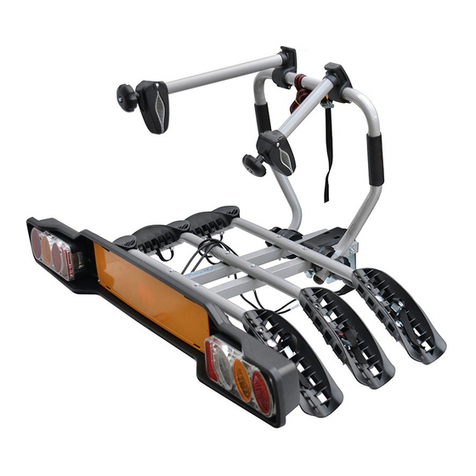
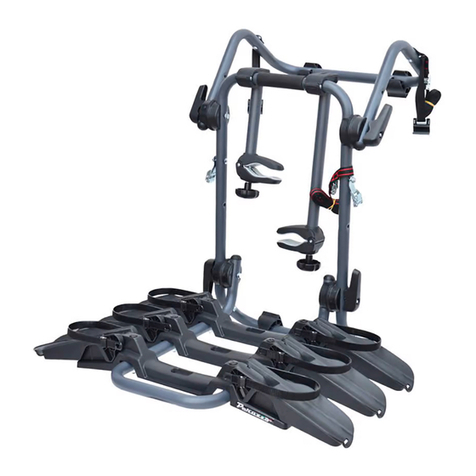
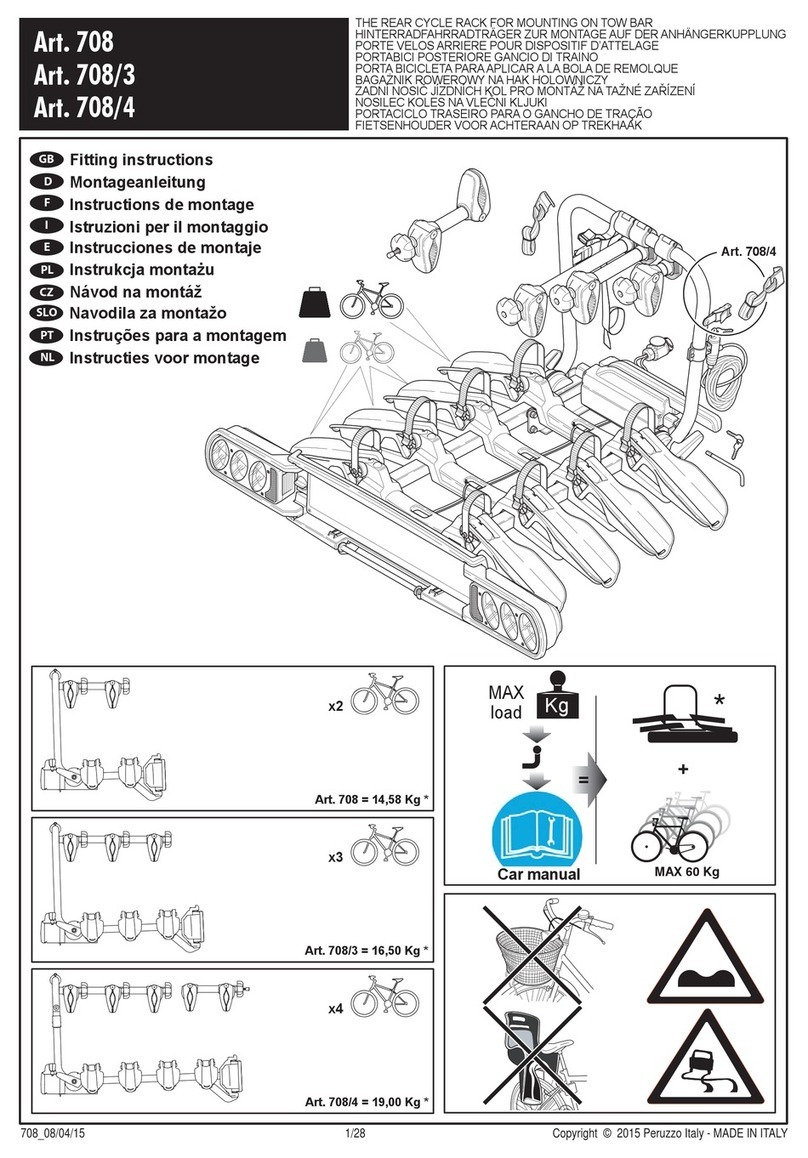
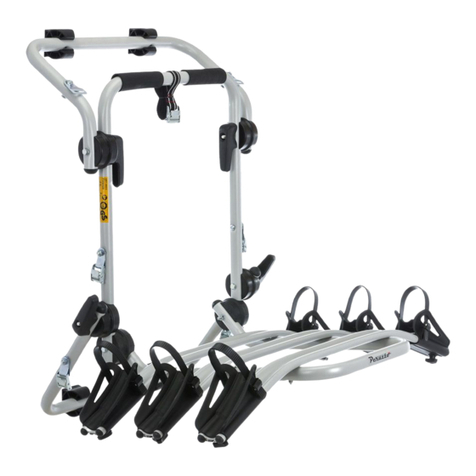
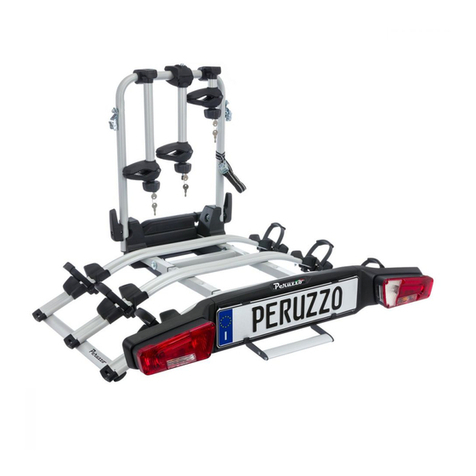
  9. Peruzzo 713E User manual

Peruzzo 713E User manual

This manual suits for next models

1

Other Peruzzo Automobile Accessories manuals

Peruzzo PADOVA ALU User manual

Peruzzo

Peruzzo PADOVA ALU User manual

Peruzzo MILANO User manual

Peruzzo

Peruzzo MILANO User manual

Peruzzo 709 User manual

Peruzzo

Peruzzo 709 User manual

Peruzzo 730 User manual

Peruzzo

Peruzzo 730 User manual

Peruzzo 708plus/3 User manual

Peruzzo

Peruzzo 708plus/3 User manual

Peruzzo 708 User manual

Peruzzo

Peruzzo 708 User manual

Peruzzo VERONA User manual

Peruzzo

Peruzzo VERONA User manual

Peruzzo Pure Instinct User manual

Peruzzo

Peruzzo Pure Instinct User manual

Peruzzo 708plus User manual

Peruzzo

Peruzzo 708plus User manual

Peruzzo 708 User manual

Peruzzo

Peruzzo 708 User manual

Peruzzo 708plus User manual

Peruzzo

Peruzzo 708plus User manual

Peruzzo SMART RACK DELUX User manual

Peruzzo

Peruzzo SMART RACK DELUX User manual

Peruzzo SMART RACK User manual

Peruzzo

Peruzzo SMART RACK User manual

Peruzzo PADOVA STEEL User manual

Peruzzo

Peruzzo PADOVA STEEL User manual

Peruzzo Pure Instinct User manual

Peruzzo

Peruzzo Pure Instinct User manual

Peruzzo SIENA 668/3 User manual

Peruzzo

Peruzzo SIENA 668/3 User manual

Peruzzo Parma User manual

Peruzzo

Peruzzo Parma User manual

Peruzzo AREZZO 4 Bikes User manual

Peruzzo

Peruzzo AREZZO 4 Bikes User manual

Peruzzo PARMA 707 User manual

Peruzzo

Peruzzo PARMA 707 User manual

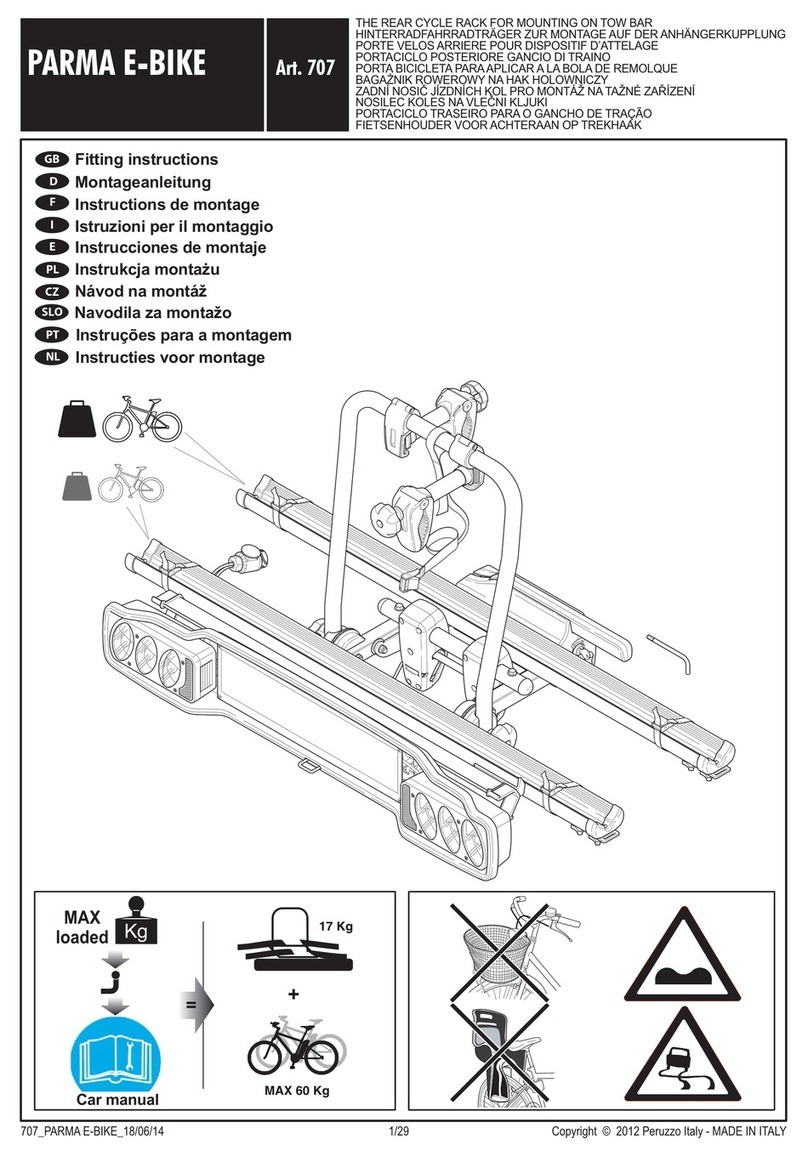
Peruzzo PARMA E-BIKE User manual

Peruzzo

Peruzzo PARMA E-BIKE User manual

Peruzzo Zephyr User manual

Peruzzo

Peruzzo Zephyr User manual

Peruzzo SIENA User manual

Peruzzo

Peruzzo SIENA User manual

Peruzzo SIENA User manual

Peruzzo

Peruzzo SIENA User manual

Peruzzo 709 User manual

Peruzzo

Peruzzo 709 User manual

Popular Automobile Accessories manuals by other brands

Magneti Marelli AC161 Installation instruction

Magneti Marelli

Magneti Marelli AC161 Installation instruction

FDI uEZ GUI Start here

FDI

FDI uEZ GUI Start here

JCROffroad JT Install instructions

JCROffroad

JCROffroad JT Install instructions

Rostra VOXXElectronics 250-1930 owner's guide

Rostra

Rostra VOXXElectronics 250-1930 owner's guide

TOP VEHICLE TECH GR3FORD5 installation manual

TOP VEHICLE TECH

TOP VEHICLE TECH GR3FORD5 installation manual

Safe Fleet PRIME DESIGN AR-2000-BLK manual

Safe Fleet

Safe Fleet PRIME DESIGN AR-2000-BLK manual

Skoda Fabia Combi 5J Fitting instructions

Skoda

Skoda Fabia Combi 5J Fitting instructions

Camcar 40077 Al Mounting instructions

Camcar

Camcar 40077 Al Mounting instructions

Camcar 40089 AL Mounting instructions

Camcar

Camcar 40089 AL Mounting instructions

Impac Tradesman 2000 installation manual

Impac

Impac Tradesman 2000 installation manual

DVB OFFROAD BRSB-01 installation manual

DVB

DVB OFFROAD BRSB-01 installation manual

Safari Snorkel SS385HF installation guide

Safari Snorkel

Safari Snorkel SS385HF installation guide

ULTIMATE SPEED 279746 Assembly and Safety Advice

ULTIMATE SPEED

ULTIMATE SPEED 279746 Assembly and Safety Advice

SSV Works DF-F65 manual

SSV Works

SSV Works DF-F65 manual

ULTIMATE SPEED CARBON Assembly and Safety Advice

ULTIMATE SPEED

ULTIMATE SPEED CARBON Assembly and Safety Advice

Witter F174 Fitting instructions

Witter

Witter F174 Fitting instructions

WeatherTech No-Drill installation instructions

WeatherTech

WeatherTech No-Drill installation instructions

TAUBENREUTHER 1-336050 Installation instruction

TAUBENREUTHER

TAUBENREUTHER 1-336050 Installation instruction

manuals.online logo
manuals.online logoBrands
  • About & Mission
  • Contact us
  • Privacy Policy
  • Terms and Conditions

Copyright 2025 Manuals.Online. All Rights Reserved.

EN
DE
FR
IT
ES
Fitting instructions
Montageanleitung
Instructionsde montage
Istruzioni per il montaggio
Instrucciones de montaje
PL
CS
Instrukcja montażu
Návod na montáž
*
Kg
MAX
load
MAX 60 Kg
=+
Art. 713E
Art. 713/3E
Art. 713/3E
SL Navodilaza montažo
Instruções para a montagem
NL Instructies voor montage
PT
THE REAR CYCLE RACK FOR MOUNTING ONTOW BAR
HINTERRADFAHRRADTRÄGERZUR MONTAGE AUF DER ANHÄNGERKUPPLUNG
PORTE VELOS ARRIERE POUR DISPOSITIF D’ATTELAGE
PORTABICI POSTERIORE GANCIO DI TRAINO
PORTA BICICLETA PARA APLICAR A LA BOLA DE REMOLQUE
BAGAŻNIK ROWEROWY NA HAK HOLOWNICZY
ZADNÍ NOSIČJÍZDNÍCH KOLPRO MONTÁŽ NA TAŽNÉ ZAŘÍZENÍ
NOSILEC KOLES NA VLEČNI KLJUKI
PORTACICLO TRASEIRO PARA O GANCHO DE TRAÇÃO
FIETSENHOUDER VOOR ACHTERAANOP TREKHAAK
Art. 713/3E = 19,38 Kg *
x3
Art. 713E = 16,56 Kg *
x2
1/16
MAX 130 cm
Car manual
SK Návod na montáž
Copyright © 2023Peruzzo Italy - MADE IN ITALY
P1200038-04_713E_20/09/2023

2
1
Fig. A
13
10 5
Art. 713E - 713/3E Art. 713/3E
Art. 692
ADAPTER FROM 7-PIN PLUG TO 13-PIN
ADATTATORE SPINA 7 POLI + PRESA 13 POLI
Optional
AA - 01234
2/16 Copyright © 2023Peruzzo Italy - MADE IN ITALY
P1200038-04_713E_20/09/2023
Fig. B
2
1
Art. 713/3E
3
13
5
2
3/16 Copyright © 2023Peruzzo Italy - MADE IN ITALY
P1200038-04_713E_20/09/2023
5
C
L
A
C
K
?
Fig. C1
Fig. C2
1
1
3
3
2
2
4/16 Copyright © 2023Peruzzo Italy - MADE IN ITALY
P1200038-04_713E_20/09/2023
Art. 713/3E
Fig. DA
1
2
1
2
3
3
B 2B 3B
2
Art. 390
5/16 Copyright © 2023Peruzzo Italy - MADE IN ITALY
P1200038-04_713E_20/09/2023
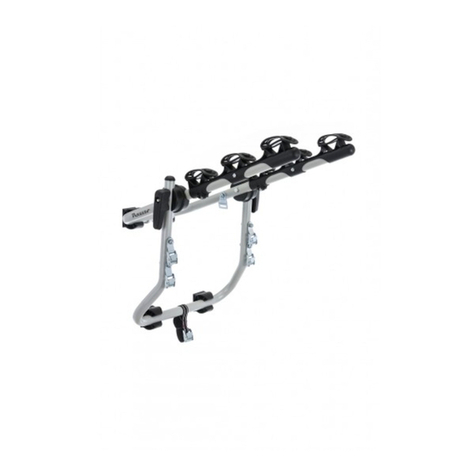
Fig. E
Fig. E2
Fig. E1
1
4
ømin 20 mm
max = 60 mm
=
3
2
6/16 Copyright © 2023Peruzzo Italy - MADE IN ITALY
P1200038-04_713E_20/09/2023
Fig. F
1 2
7/16 Copyright © 2023Peruzzo Italy - MADE IN ITALY
P1200038-04_713E_20/09/2023
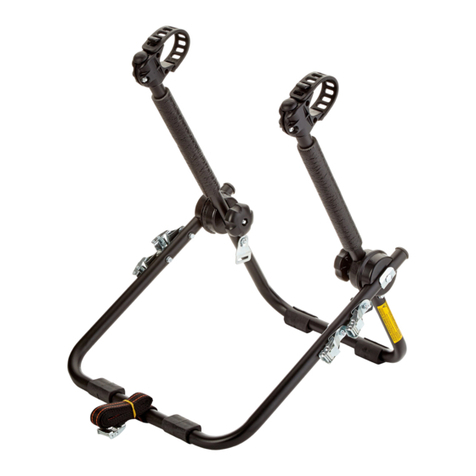
Fig. G
Fig. G1 Fig. G2
1
2
Clack
8/16 Copyright © 2023Peruzzo Italy - MADE IN ITALY
P1200038-04_713E_20/09/2023
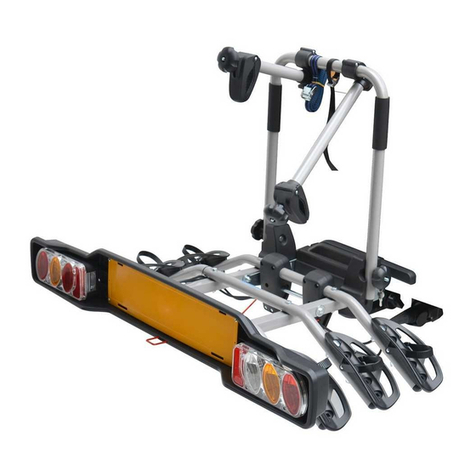
EN
ASSEMBLY AND USER INSTRUCTIONS
Whenever this product is used the following information must be
taken into consideration: the bike rack is a safe product if used
correctly, but if it is used incorrectly it can cause damages to you
and to anyone driving behind you.
HOW TO INSTALL THE BIKE CARRIER ON
THE TOWBALL
For personal safety and to avoid damaging the vehicle we
recommend 2 people mount the bike carrier.
Follow in sequence the actions in g. A-B-C1-C2.
Adjustment of closing lever force
It is always necessary tomakethe rst adjustmentwhen the product is
purchased. Then, every time the product is used, the clamping force must
be checked and adjusted if necessary. In order toprevent accidents and
damageitisadvisabletoaskasecondpersontoassistyouinthis
procedureas well.After disengagingand liftingthe lever orizontal
position (2-3 Fig. C1),The screw must be adjusted with the wrench
providedsothattheclampingforceontheleverisincreasedtoa
minimum of 45 Kg. (2-3 Fig. C2). Makesurethatthe bikerack does
not rotate when the clamping device has been locked.
ONLY FOR ART. 713/3E
Clean the parts of the bodywork that will be in contact with the straps of the
bike carrier. Attach the strap hooks to the edges of the vehicle hatch, then
insert the straps in the buckles (make sure the inlet direction is correct)
(1-2-3 Fig. D).
IMPORTANT
: Give the straps a good tug to check for
tightness. Check the tightness before starting and during the trip.
POSITIONING AND FIXING THE BIKES ON
THE BIKE RACK
In the case of bikes with carbon frames or forks,always consult the bike
manufacturer or dealer to check if you are allowed to use the carrier.
Place the biggest and heaviest bikeon the bikerack first,position the
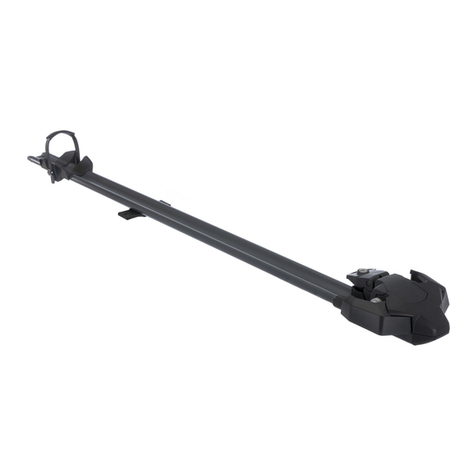
wheels in the tire cradles and fix it to the shortest arm (
1 Fig. E
) .
Secure the wheels by means of the fixing straps (
2 Fig. E
).
Repeat the operations in (
1-2 Fig.E
)for the second and thirdbikes.The
first and second bikes aresecured tothe fixing arch with the fixing arms
(
1Fig. E
), whereas the thirdbikeis secured to the second bikewith
fixing arm (
3 Fig. E1
).
IMPORTANT
: For safe transportation of the load the bike carrier
is supplied trap for tying es to the fixing arch . Check that the
belt is mounted correctly by pulling on it (
4 Fig. E2
).
To load easily your bike on the carrier you can use the specific
trail included in the product pacakge. To hook it correctly please
follow instruction (
Fig. F
).
BIKE RACK INCLINATION
To tilt the bike rack hold it up with one hand while you press the
pedal (1-2 Fig.
G
) . To avoid injury or damage, this operation of tilting
the bike rack should be carried out with the help of a third person. To close
the bike rack, lift it until the tilt mechanism engages completely by
passing from the tilt position (Fig.
G
1) to the closed position (Fig.
G
2).
NEIGEN DES FAHRRADTRÄGERS
Um den Fahrradträger abzuklappen, halten Sie ihn mit einer Hand
hoch und schieben die Stange gleichzeitig mit dem Fuß nach unten
(1-2 Abb. G). Um Verletzungen und Schäden auszuschließen, muss
sich die ausführende Person beim Schrägstellen des Fahrradträgers
derHilfe einerdritten Personbedienen. ZumSchließen wirdder
Fahrradträger soweit hochgehoben, bis die Schrägstellvorrichtung
vollständig einrastet und von der Neigestellung (Abb. G1) in die
Schließstellung (Abb. G2) übergeht.
DE
MONTAGE- UND GEBRAUCHSANLEITUNG
Bei jeder Nutzung dieses Produktes sind die nachstehenden
Informationen zu berücksichtigen: Der Fahrradträger ist ein
sicheres Produkt, solange er korrekt benutzt wird. Wird er im
Gegensatz dazu nicht korrekt benutzt, kann er Ihnen und anderen,
hinter Ihnen fahrenden Straßenteilnehmern Schaden zufügen.
INSTALLATION DES FAHRRADTRÄGERS
AUF DIE ANHÄNGERKUPPLUNG
Um den Fahrradträger sicher zu montieren und
Schäden am Fahrzeug zu vermeiden, wird empfohlen,
eine weitere Person um Mithilfe zu bitten.
Die in den Abbildungen A-B-C1-C2 gezeigten Arbeitsschrittesind
nacheinander auszuführen.
Einstellung der Hebelschließkraft
Beim Kauf des Produktes muss in jedem Fall die erstmalige Einstellung
vorgenommenwerden. Anschließendist dieSchließkraft beijeder
erneuten Nutzung zu kontrollieren und bei Bedarf nachzustellen. Um
Unfälle und Beschädigungen zu verhindern, sollteauch bei diesem
Vorgangeine weitere PersonumHilfe gebeten werden.Nachdem
EntsperrenundHochstellenvon Hebel(2-3 Abb. C1)muss der
Fahrradträger von der zweiten Person in waagerechter Lage gehalten
werden.D ieS chraubemussmitdembeiliegendenS chlüsselso
eingestelltwerden,dasssichdieSchließkraftaufdemHebelauf
mindestens 45 kg erhöht(2-3 Abb. C2).Vergewissern Sie sich, dass
der Fahrradträger sich bei geschlossener Befestigungsvorrichtung nicht
dreht.
NUR FÜR Art. 713/3E
Die Teile der Karosserie säubern, die mit den Riemen des Fahrradträgers in
Berührung kommen. Die Haken in die Riemen an den Rändern der
Autoheckklappe einfügen, dann die Riemen in die Schnallen einführen,
wobei auf die korrekte Eintrittsrichtung zu achten ist (1-2-3 Abb. D).
WICHTIG
: Prüfen Sie durch heftiges Ziehen, ob die Riemen halten.
Kontrollieren Sie bei Antritt der Fahrt und während der Fahrtpausen die
Riemenspannung.
POSITIONIERUNG UND BEFESTIGUNG DER
FAHRRÄDER AUF DEM FAHRRADTRÄGER
Fragen Sie bei Rädern mit Carbon-Rahmen oder -Gabeln stets
den Hersteller oder Händler um sicherzustellen, dass Ihr Modell mit
dem Träger transportiert werden darf.
Das größte und schwerste Fahrrad als erstes auf dem Fahrradträger
positionieren, die Räder in die Radaufnahme setzen und das Fahrrad an
denkürzestenArmanhängen(1Abb.
E
).DieRädermitdenim
Lieferumfang enthaltenen Riemen fixieren (2 Abb.
E
).
Wiederholen Sie dieVorgänge (1-2 Abb.
E
)für das zweite und dritte
Fahrrad. Das ersteund zweite Fahrrad wirdmit den Befestigungsarmen
(1Abb.
E
)am Befestigungsbügel fixiert, während das dritteFahrrad
mit dem Befestigungsarm (3 Abb.
E
1) am zweite Fahrrad fixiert wird.
WICHTIG
: Für den sicheren Transport der Last ist der Fahrradträger mit
einem Riemen ausgestattet, mit dem alle Fahrräder am Befestigungsbügel
festgezurrt werden müssen. Vergewissern Sie sich durch ausreichendes
Spannen des Riemens, dass dieser korrekt montiert ist (4 Abb.
E
2).
UmdieFahrräderle icht e r a ufl adenz ukönnen,kanndie
im Lieferumfang enthaltene Schiene verwendet werden: wie sie an
die Radstütze aus Aluminium angeschlossen wird, ist der
Anleitung in Abb. Fzu entnehmen.
9/16 Copyright © 2023Peruzzo Italy - MADE IN ITALY
P1200038-04_713E_20/09/2023
FR
INSTRUCTIONS DE MONTAGE ET D’UTILI-
SATION
Veuillez tenir compte des instructions ci-dessous à chaque
fois que vous utilisez ce produit. Le porte-vélo est un produit
sûr à condition qu’il soit utilisé correctement, s'il est utilisé de
manière impropre il peut procurer des dommages aux
personnes qui l’utilisent et à celles qui les suivent sur la route.
COMMENT INSTALLER LE PORTE-VÉLO
SUR LE CROCHET DE REMORQUAGE
Pour installer le porte-vélo en toute sécurité et éviter tout dommage
au véhicule, l’aide d’une deuxième personne est recommandée.
Effectuer dans l’ordre les opérations indiquées sur les figures A-B-C1-C2.
Réglage de la force de fermeture du levier
Il est toujours nécessaire de procéder au premier réglage au momentde
l'achat du produit. Par la suite le contrôle de la force de fermeture doit
être effectué lors de chaque utilisation en procédant de nouveau au
réglage le cas échéant. Afin d'éviter tout accident ou dommage,il est
recommandé, meme lors de cette phase,de demander l'aide d'une
deuxième personne.Après avoir débloqué et soulevé le levier (2-3 fig.
C1), le porte-vélo doit être maintenu en position horizontale par la
deuxième personne.La vis doitêtrerégléeaveclacléfourniede
manièreàcequelaforcedefermeture appliquée sur le levier arrive au
moins à 45 Kg (2-3 Fig. C2). Assurez-vous, avec le dispositif de
fixation fermé,qu’il est impossible de tourner le porte-vélo.
SEULEMENT POUR L'art. 713/3E
Nettoyer les parties de la carrosserie qui seront en contact avec les sangles
du porte-vélo. Introduisez les crochets des sangles sur les bords du hayon
du véhicule, puis introduisez les sangles dans les boucles en respectant le
sens d'entrée (1-2-3 Fig. D).
IMPORTANT
:Assurez-vous de la tenue des sangles en les
secouant. Contrôlez leur tension au début du parcours et lors d'arrêts.
POSITIONNEMENT ET FIXATION DES VÉLOS
SUR LE PORTE-VÉLO
Pour les vélos dotés d’un cadre ou de fourches en carbone, consultez
le fabricant ou le revendeur du vélo pour vous assurer de
l’utilisation possible du porte-vélos.
Positionnez d’abord le vélo le plus grand et le plus lourd sur
le porte-vélo,mettez lesroues dansles logementscorrespondants
etl’accrocher au bras plus court (1Fig.
E
). Fixez les roues avec les
sangles fournies (2 Fig.
E
).
Répétez les opérations (1-2 Fig.
E
)pour le deuxième et le troisième
vélo. Lepremier et le deuxième vélo se fixent au montant de
fixation avec les bras de fixation (1Fig.
E
), alors que le troisième vélo
se fixeau deuxième avec le bras de fixation (3 Fig.
E
1).
IMPORTANT
:Pour transporter la charge en toute sécurité le porte-
vélo est doté d'une sangle qui ser tàfixer tous les vélos au
montant de fixation. Assurez-vous, en tendant suffisamment la
sangle, qu'elle est montée correctement (4 Fig.
E
2).
Utilisez la glissièrefournie pour faciliter le chargement des vélos : pour
l’accrocher au rail en aluminium, suivez les instructions de la fig. F.
INCLINAISON DU PORTE-VÉLO
Pour incliner le porte-vélo maintenez-le soulevé avec une main et avec
le pied poussez la barre vers le bas (1-2 Fig. G). Pour éviter toute
blessure et dommage, l’inclinaison du porte-vélo devrait être effectuée
avec l'aide d'une troisième personne. Pour la fermeture, le porte-vélo
doit être soulevé jusqu'à ce que le dispositif d'inclinaison s'enclenche
complètement en passant de la position d'inclinaison (Fig. G1) à la
position de fermeture (Fig. G2).
IT
ISTRUZIONI PER IL MONTAGGIO E L'IMPIEGO
Ogni volta che si usa questo prodotto devono essere considerate
le informazioni sotto riportate: il portabici è un prodotto sicuro se
usato correttamente, al contrario, se usato male, può arrecare
danni a Voi e ad altri che vi seguono in strada.
COME INSTALLARE IL PORTABICI SUL
GANCIO DI TRAINO
Per il montaggio in sicurezza del portabici e per evitare danni al
veicolo si consiglia di richiedere l’aiuto di un’altra persona.
Eseguire in sequenza le operazioni indicate nelle gure
A-B-C1-C2
.
Regolazione della forza di chiusura della leva
E’semprenecessarioeettuarela prima regolazione al momento
dell’acquisto del prodotto. Successivamente il controllo della forza di
chiusura deve essere eettuato ad ogni utilizzo procedendo nuovamente
con la regolazione nel caso in cui fosse necessario. Al ne di prevenire
incidenti e danni è opportuno richiedere, anche in questa fase,l'aiutodi
un'altra persona. Dopo aver sbloccato e alzato la leva(2-3 fig. C1) il
portabici deve esseremantenuto in posizione orizzontale dalla seconda
persona. La vitedeveessereregolata con la chiave in dotazione in modo
taleche la forzadi chiusurasulla levavengaaumentatano ad un
minimo di 45 Kg. (2-3 Fig. C2). Assicurarsi che, con il dispositivo
di ssaggio chiuso, il portaciclo non ruoti.
SOLO PER Art. 713/3E
Pulire le parti della carrozzeria che verranno a contatto con le cinghie del
portaciclo. Inserire i ganci delle cinghie ai bordi del portellone
dell'autoveicolo, quindi inserire le cinghie nelle fibbie facendo attenzione
al giusto verso di entrata (1-2-3 Fig. D).
IMPORTANTE
:Verificare latenuta delle cinghie strattonandole.
Controllarne la tensione all'inizio del viaggio e durante le soste.
POSIZIONAMENTO EFISSAGGIO DELLE
BICICLETTE SUL PORTABICI
In caso di biciclette con forcelle o telai in carbonio, verificare con
il produttore oil rivenditore della bicicletta se èpossibile
utilizzare il portabici.
Posizionare sul portabici per prima la bicicletta più grande e più pesante,
mettere le ruotenegli alloggiamenti ruota ed agganciarla al braccetto
più corto (1 Fig.
E
). Fissare le ruote con le cinghie in dotazione (2 Fig.
E
).
Ripetere le operazioni (1-2 Fig.
E
) per la seconda e la terza bicicletta. La
prima e la seconda bicicletta sono fissate all’arco di fissaggio con i
braccetti di fissaggio (1 Fig.
E
), mentre la terza è fissata alla seconda con
il braccetto di fissaggio (3 Fig.
E
1).
IMPORTANTE
: Per trasportare in sicurezza il carico il portabici è fornito di
una cinghia che deve legare tutte le bici all’arco di fissaggio . Assicurarsi,
tendendo sufficientemente la cinghia, che essa sia montata
correttamente (4 Fig.
E
2).
Per agevolare il carico delle bici è possibile aiutarsi con la rotaia
in dotazione: per agganciarla al binario in alluminio seguire le
istruzioni indicate in fig. F.
INCLINAZIONE DEL PORTABICI
Per inclinare il portabici tenerlo sollevato con una mano mentre con il
piede spingere la barra verso il basso (1-2 Fig. G). Per evitare lesioni e
danni l’inclinazione del portabici da parte dell’operatore dovrebbe
essere effettuata facendosi aiutare da una terza persona. Per la
chiusura il portabici viene sollevato fino a quando il dispositivo di
inclinazione si innesta completamente passando dalla posizione di
inclinazione (Fig. G1) alla posizione di chiusura (Fig. G2).
10/16 Copyright © 2023Peruzzo Italy - MADE IN ITALY
P1200038-04_713E_20/09/2023