manuals.online logo
Brands
  1. Home
  2. •
  3. Brands
  4. •
  5. Pyle
  6. •
  7. Microphone System
  8. •
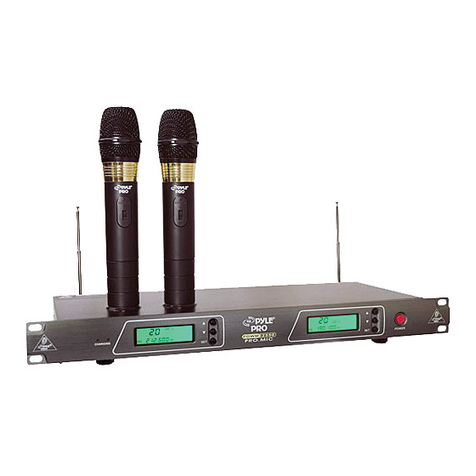
  9. Pyle PDWM2150 User manual

Pyle PDWM2150 User manual

Other Pyle Microphone System manuals

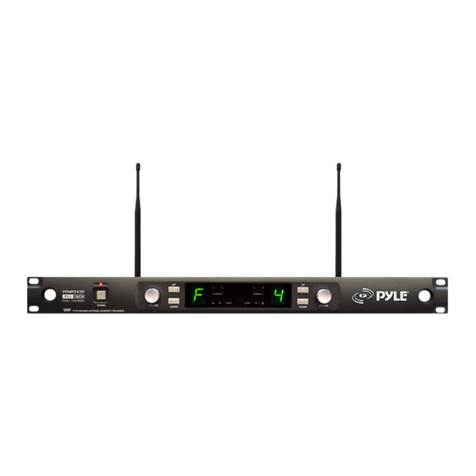
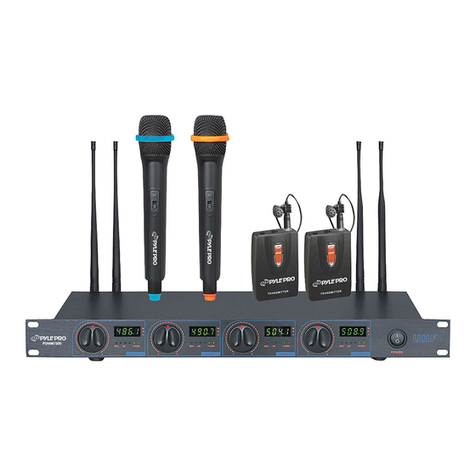
Pyle PDWM8400 User manual

Pyle

Pyle PDWM8400 User manual

Pyle PDWM2234 User manual

Pyle

Pyle PDWM2234 User manual

Pyle PDWM8225 User manual

Pyle

Pyle PDWM8225 User manual

Pyle PDWM3450 User manual

Pyle

Pyle PDWM3450 User manual

Pyle PDWM8300 User manual

Pyle

Pyle PDWM8300 User manual

Pyle PDWM2400 User manual

Pyle

Pyle PDWM2400 User manual

Pyle PDWM3360 User manual

Pyle

Pyle PDWM3360 User manual

Pyle PDWM2800 User manual

Pyle

Pyle PDWM2800 User manual

Pyle PDWM7300 User manual

Pyle

Pyle PDWM7300 User manual

Pyle PDWM5900 User manual

Pyle

Pyle PDWM5900 User manual

Pyle PDWM3450 User manual

Pyle

Pyle PDWM3450 User manual

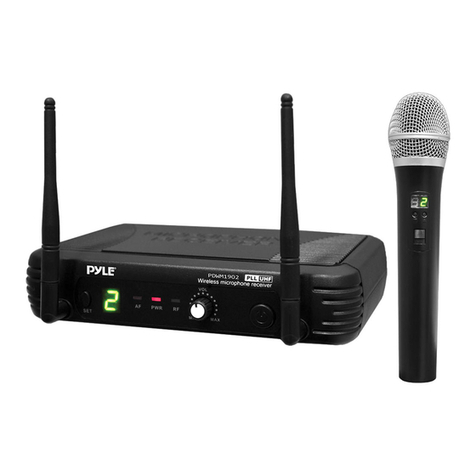
Pyle PDWM1902 User manual

Pyle

Pyle PDWM1902 User manual

Pyle PDMW420PG User manual

Pyle

Pyle PDMW420PG User manual

Pyle PDWM2145 User manual

Pyle

Pyle PDWM2145 User manual

Pyle PDWM2600 User manual

Pyle

Pyle PDWM2600 User manual

Pyle PDWM2550 User manual

Pyle

Pyle PDWM2550 User manual

Pyle PDWM4300 User manual

Pyle

Pyle PDWM4300 User manual

Pyle PDWMRET76GL User manual

Pyle

Pyle PDWMRET76GL User manual

Pyle PDWM2122 User manual

Pyle

Pyle PDWM2122 User manual

Pyle PDWM2120 User manual

Pyle

Pyle PDWM2120 User manual

Pyle PDWM5000 User manual

Pyle

Pyle PDWM5000 User manual

Pyle PDMW410BP User manual

Pyle

Pyle PDMW410BP User manual

Pyle PDWM2135 User manual

Pyle

Pyle PDWM2135 User manual

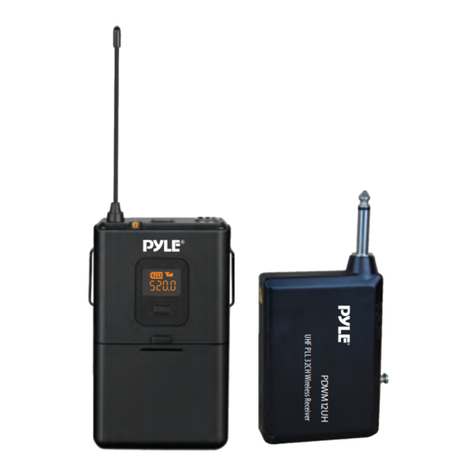
Pyle PDWM12UH User manual

Pyle

Pyle PDWM12UH User manual

Popular Microphone System manuals by other brands

INIM SAGITTARIUS VW2W instructions

INIM

INIM SAGITTARIUS VW2W instructions

AKG IVM 4500 User instructions

AKG

AKG IVM 4500 User instructions

Earthworks Audio PM40 manual

Earthworks Audio

Earthworks Audio PM40 manual

Nady Systems ENCORE 2 owner's manual

Nady Systems

Nady Systems ENCORE 2 owner's manual

Oklahoma Sound WM-200H instruction manual

Oklahoma Sound

Oklahoma Sound WM-200H instruction manual

Chiayo SDR-8200 Operation manual

Chiayo

Chiayo SDR-8200 Operation manual

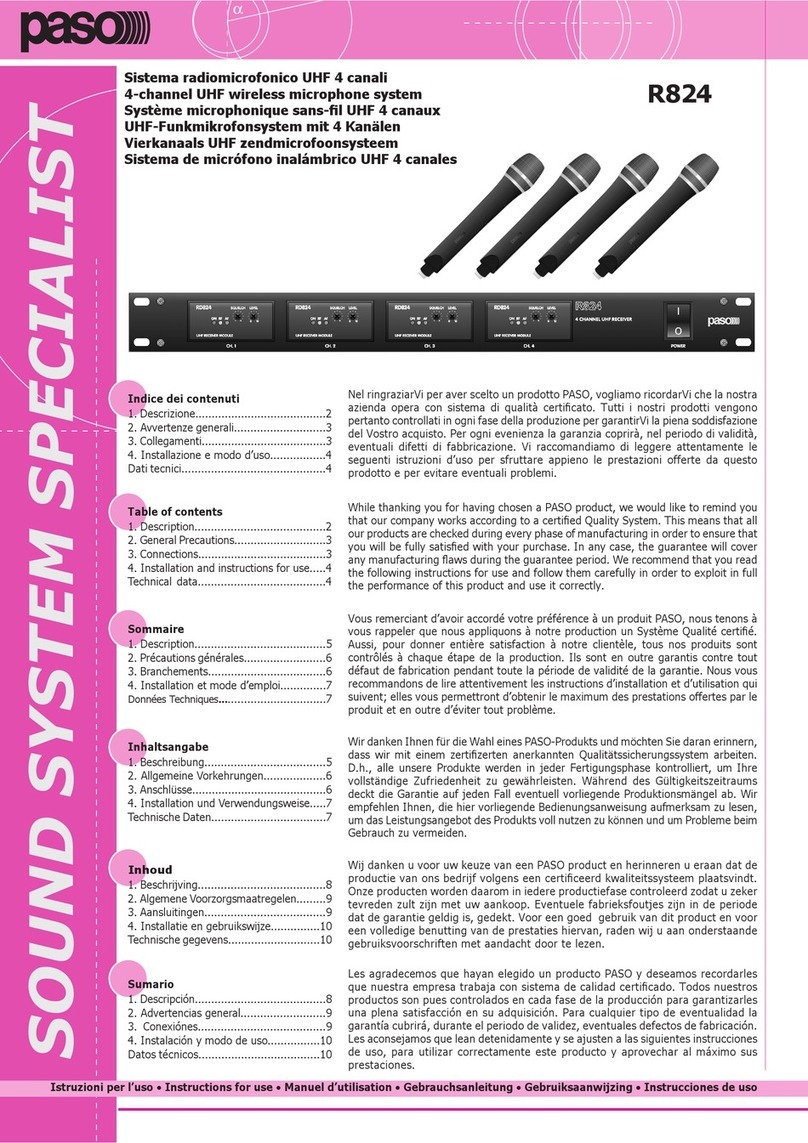
Paso R824 quick start guide

Paso

Paso R824 quick start guide

Naxa NAM-982 instruction manual

Naxa

Naxa NAM-982 instruction manual

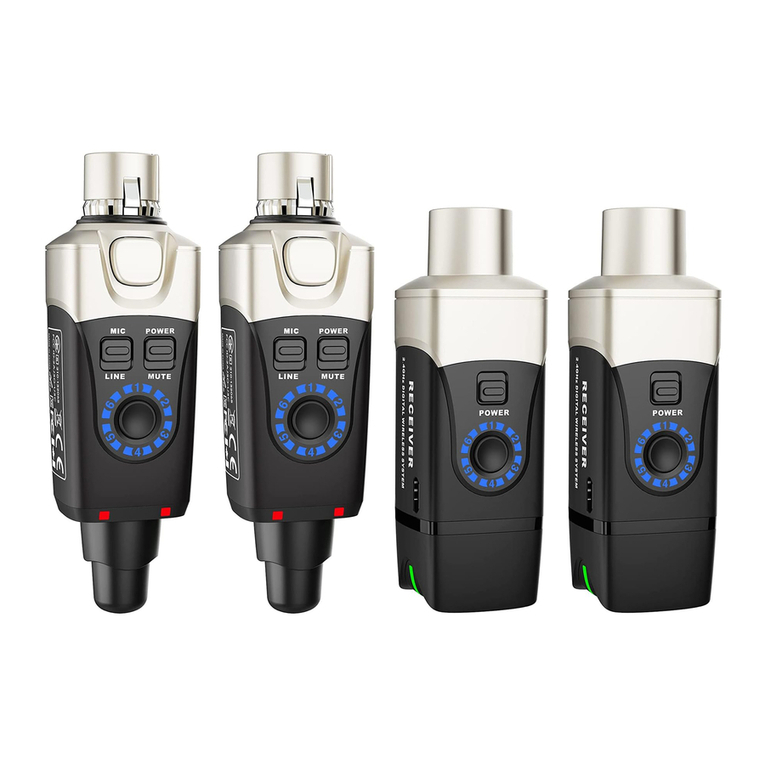
Xvive U3 user manual

Xvive

Xvive U3 user manual

Tekon DUOS installation guide

Tekon

Tekon DUOS installation guide

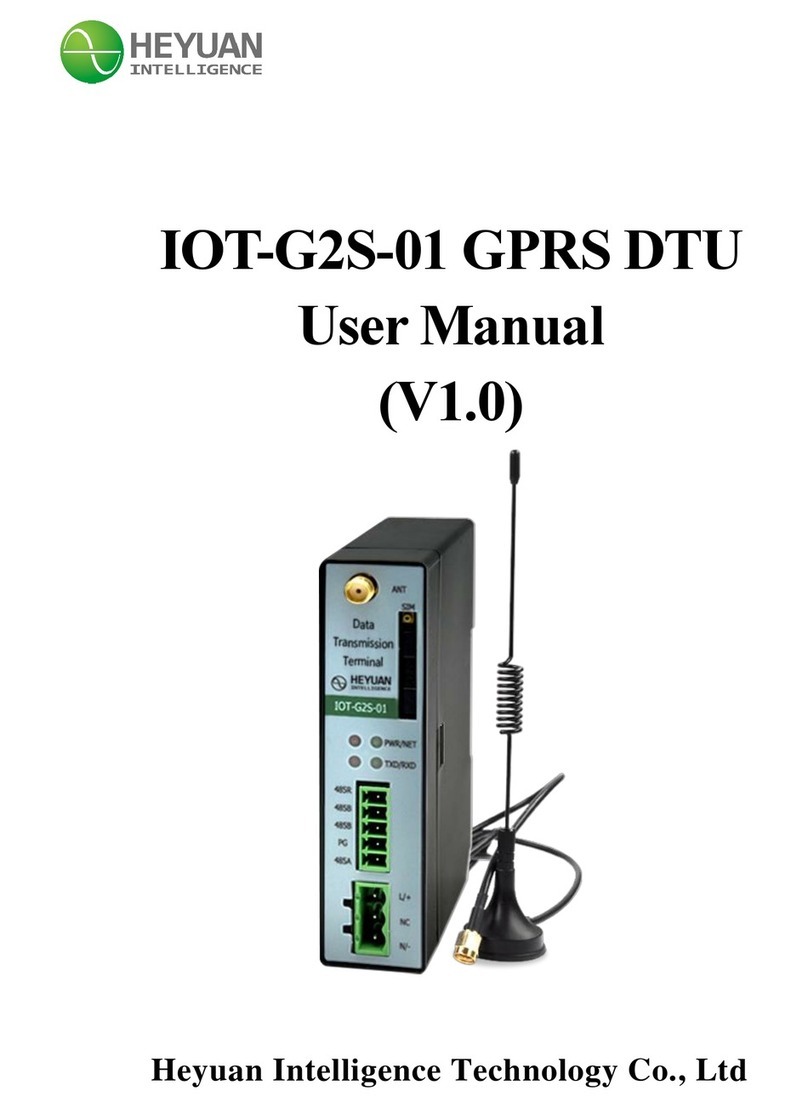
Heyuan Intelligence IOT-G2S-01 user manual

Heyuan Intelligence

Heyuan Intelligence IOT-G2S-01 user manual

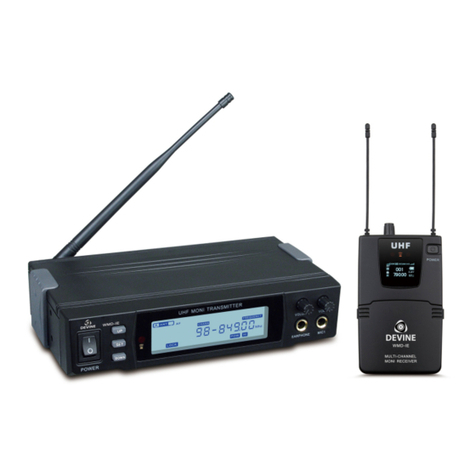
Devine WMD-IE user manual

Devine

Devine WMD-IE user manual

LG LF-D7150 owner's manual

LG

LG LF-D7150 owner's manual

LD U305 HBH 2 user manual

LD

LD U305 HBH 2 user manual

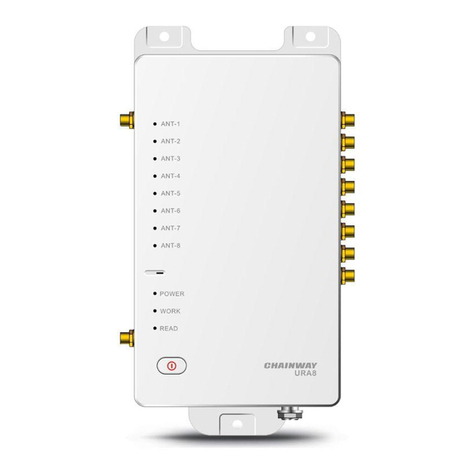
Chainway URA8 user manual

Chainway

Chainway URA8 user manual

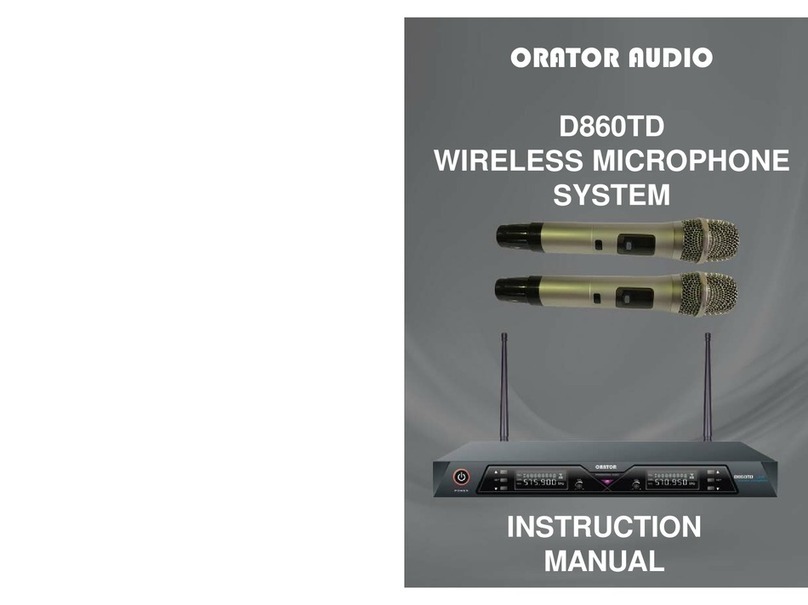
ORATOR D860TD instruction manual

ORATOR

ORATOR D860TD instruction manual

Sennheiser Evolution Wireless Digital EW-DX EM 2 quick guide

Sennheiser

Sennheiser Evolution Wireless Digital EW-DX EM 2 quick guide

Shure UA844 user guide

Shure

Shure UA844 user guide

manuals.online logo
manuals.online logoBrands
  • About & Mission
  • Contact us
  • Privacy Policy
  • Terms and Conditions

Copyright 2025 Manuals.Online. All Rights Reserved.

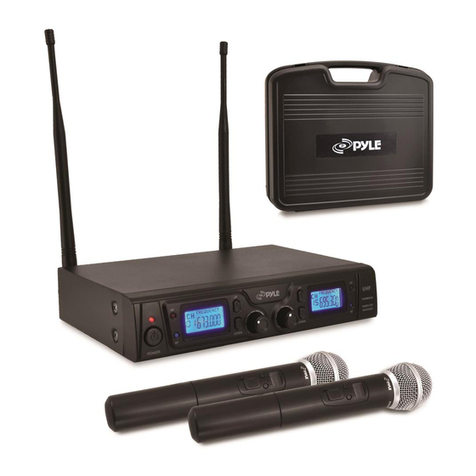
Professional Dual Table
Top
VHF
Wireless Microphone System
Specifications
• Professional VHF 2 Channel Wireless System
• Dual Table
Top
Microphones Included
• Dual Telescoping ReceiverAntennas
• Dual Volume Controls
• On/Off Broadcasting Switch
• 1/4" Individual line outputs & Mixed 1/4" Outputs
• Carrier Frequency: 174MHz-216MHz
• Dynamic Range: 92dB
•
Total
Harmonic Distortion: 0.5%
• Frequency Response: 50Hz-16KHz
• Operation Range: 50-180 Meters
• Signal to Noise Ratio: 90dB
• Receiver Power Supply: AC 110V/240V
• Microphone Power Source: 9 Volt (Battery Not Included)
• Receiver Dimensions: 1.7 X 16.5" X 7.3"
• Microphone Dimensions: 12.7"
LX
4.9" W X 5.9" D
Function
Front
Panel
(1
)Powerswitch
(3)Volume
(2) Power indicator
(4)Receiving indicator
PDWM
2150 User Manual
Rear
Panel
(1)ATTN.A
(2)Audio Mix out
@ @
(3)ATTN.B
(4)110V/60Hz Power input
Table MeetingMicrophone Function
This
circle
light
is
working,
indicating
the
battery
working
when
the
transmitter
is
switched
on.
Power
supply
Power
consumption
Cartridge
Polarity
DC9V
<35mA
Condenser
noise
proof
Uni-direction
1.Cartridge
2.Working
indicator
3.Switch
4.Power
and
low
voltage
two
color
indicator
Installation
ofreciever
Operation
• Keep the machine 1mabove the ground 1.Please take the following working
flow
diagram
for
• Keep the machine away 1magainstthe wall. reference on using
this
machine-connect
the mix
out
• Pull the antenna
up
rightness fully
• Make the transmitter point to the antenna without barrier
of
receiver
with mic
input
on the
amplifier.
• Keep the reciever away anydigital equipment (such as
CD,VCD,PC. orother radio equipment)
2.Power
11
OV,
switch the power,
set
the volume
of
your
sound equipment.
3.Adjust
the volume in right sound, make MIC1 and
System connection
flow
diagram MIC2 harmony, which will make you enjoying the
sound well.
RECIEVER
1-----'1
MIXER
1-----.1
AMPLIFIER
4.Please
plug
out
the
power
if
you will not use the
L
IKAROKEAMPllFlERI
machine long time.
TROUBLESHOOTING
Some corem problems and their solutions are identified
in
the table below.
If
you are unable to solve a problem,
contact your dealer.
Problem Solution
o Make sure the transmitter
o POWER switch is
ON
and the receiver is plugged into a power source
No
sound;RF light(s) o Check battery.
not glowing o Check receiver squelch setting.
o Check receiver antenna connection(s).
o Make sure antennas are
in
line ofsight
of
transmitter.
No
sound; o Turn
up
receiver audio VOLUME control
RF
lights glowing. o Check for proper connection between receiver and karaoke unit
o Check battery
Received signal is noisy c o Remove local. Sources of
RF
interference.
o
If
using a guitaror other instrument, check connections.
contains extraneous sounds o Two transmitters may
be
operating
on
the same frequency. Locate and turn one off.
sounds with transmitter on. o Signal may
be
too weak Repositior-antennas.
If
possible, move them closer to
transmitter.
Noise from receiver with o Adjust receiver squelch control.
transmitter off. o Remove local sources of
RF
interference.
o Reposition receiver or antennas.
Momentary loss ofsound
as
o Reposition receiver and perform another"walkthrough"test and observe the
transmitter is moved around
RF
indicators. Ifaudio dropouts persist, mark these"dead spots"
in
performing
performing area. area and avoid them during performance.