Fibra Signal Strength
The Fibra signal strength is determined by the ratio of the number of undelivered
or corrupted data packages to those expected over a certain period of time. The
icon in the Devices tab in Ajax apps indicates the signal strength:
2. In places where objects and structures may obstruct the detector’s view. For
example, behind a ower or a column.
3. In places where glass structures may obstruct the detector’s view; it doesn’t
detect movement behind glass.
4. Facing the window to avoid direct sun rays hitting the detector lens. This
can lead to false alarms of the motion detector.
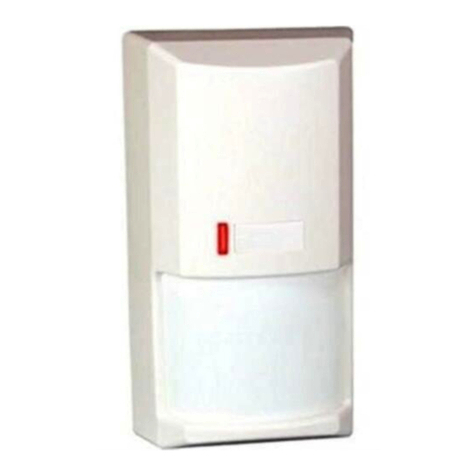
5. Opposite any objects with rapidly changing temperature— for example,
electric and gas heaters. This can lead to false alarms of the motion
detector.
6. Opposite any moving objects with a temperature close to that of the human
body — for example, opposite the swinging curtains above a radiator. This
can lead to false alarms of the motion detector.
7. In places with fast air circulation — for example, near fans, open windows, or
doors. This can lead to false alarms of the motion and glass break
detectors.
8. Close to sirens and speakers. This can lead to false alarms of the glass
break detector.
9. In locations where objects and structures can interfere with the passage of
sound to the detector. For example, in a place where curtains are located
between the detector and the window. This may prevent the detector from
detecting glass break.
10. Inside premises with temperature and humidity outside the permissible
limits. This could damage the detector.
11. In places with low or unstable Fibra signal strength. This may cause
malfunctioning of the detector.
Three bars — excellent signal strength.
Two bars — good signal strength.