manuals.online logo
Brands
  1. Home
  2. •
  3. Brands
  4. •
  5. BENDIX
  6. •
  7. Control Unit
  8. •
  9. BENDIX E-5 BRAKE VALVE User manual

BENDIX E-5 BRAKE VALVE User manual

Other BENDIX Control Unit manuals

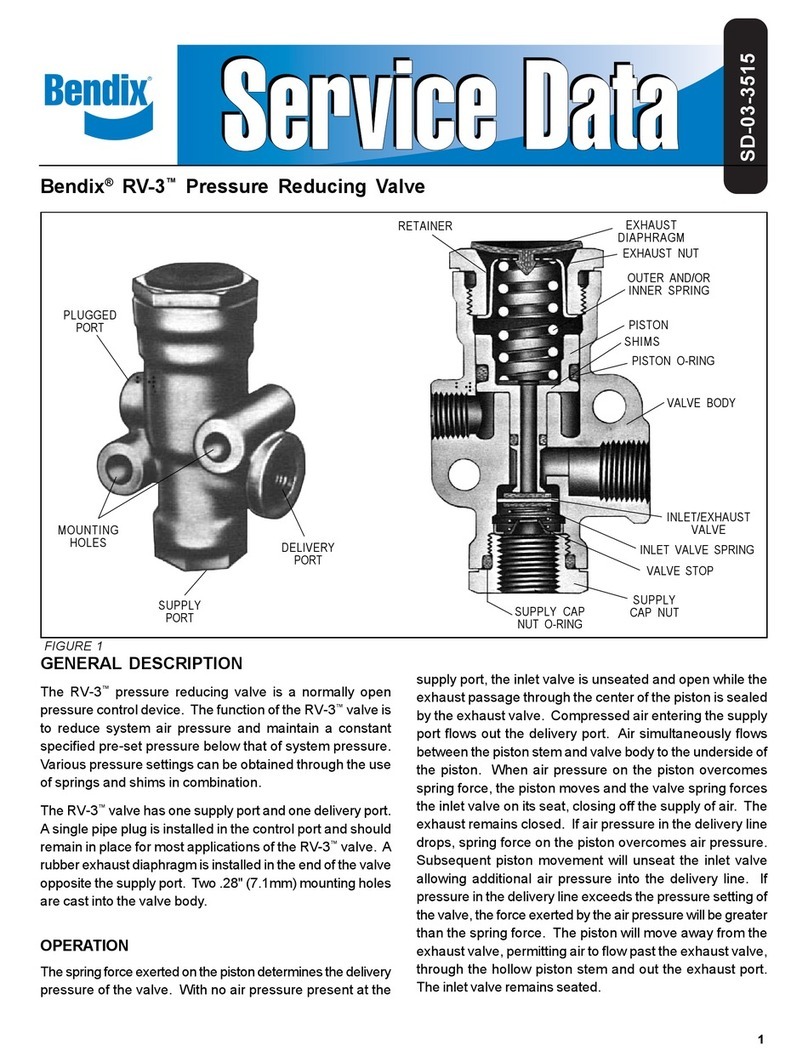
BENDIX SR-5 TRAILER SPRING BRK VALVE User manual

BENDIX

BENDIX SR-5 TRAILER SPRING BRK VALVE User manual

BENDIX E-10PR RETARDER CTRL BRAKEVALVE User manual

BENDIX

BENDIX E-10PR RETARDER CTRL BRAKEVALVE User manual

BENDIX PP-7 TRAILER SUPPLY VALVE User manual

BENDIX

BENDIX PP-7 TRAILER SUPPLY VALVE User manual

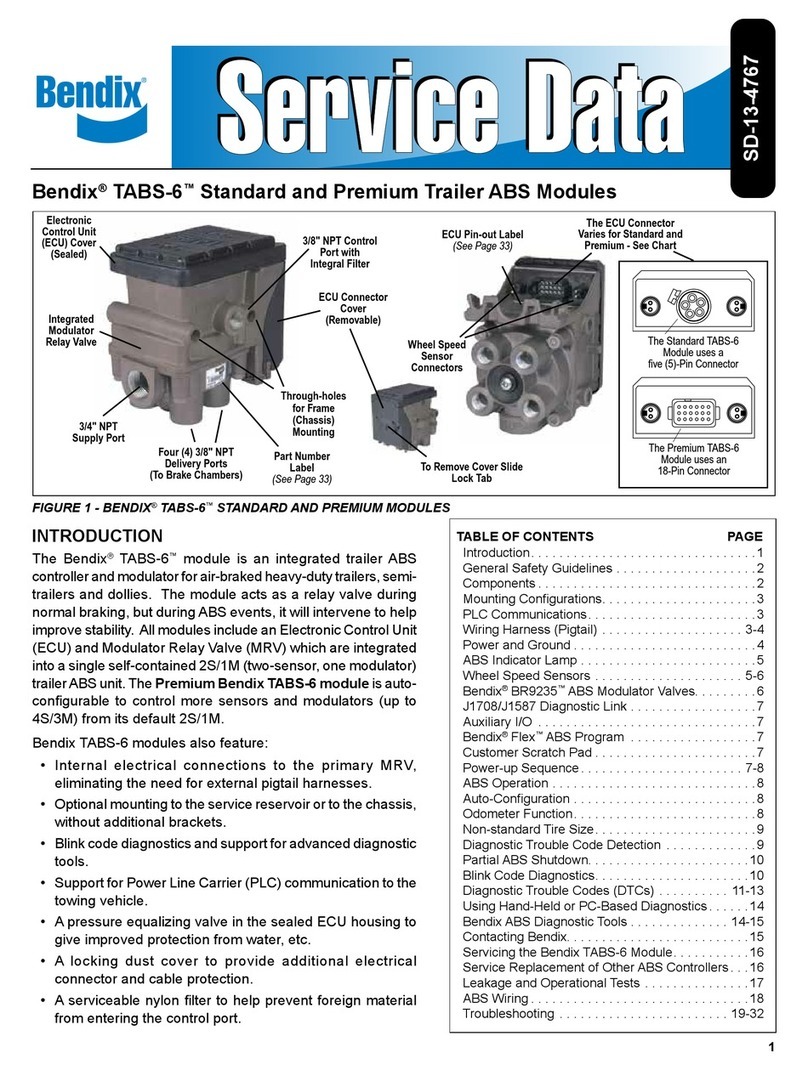
BENDIX TABS-6 TRAILER ABS MODULE Mounting instructions

BENDIX

BENDIX TABS-6 TRAILER ABS MODULE Mounting instructions

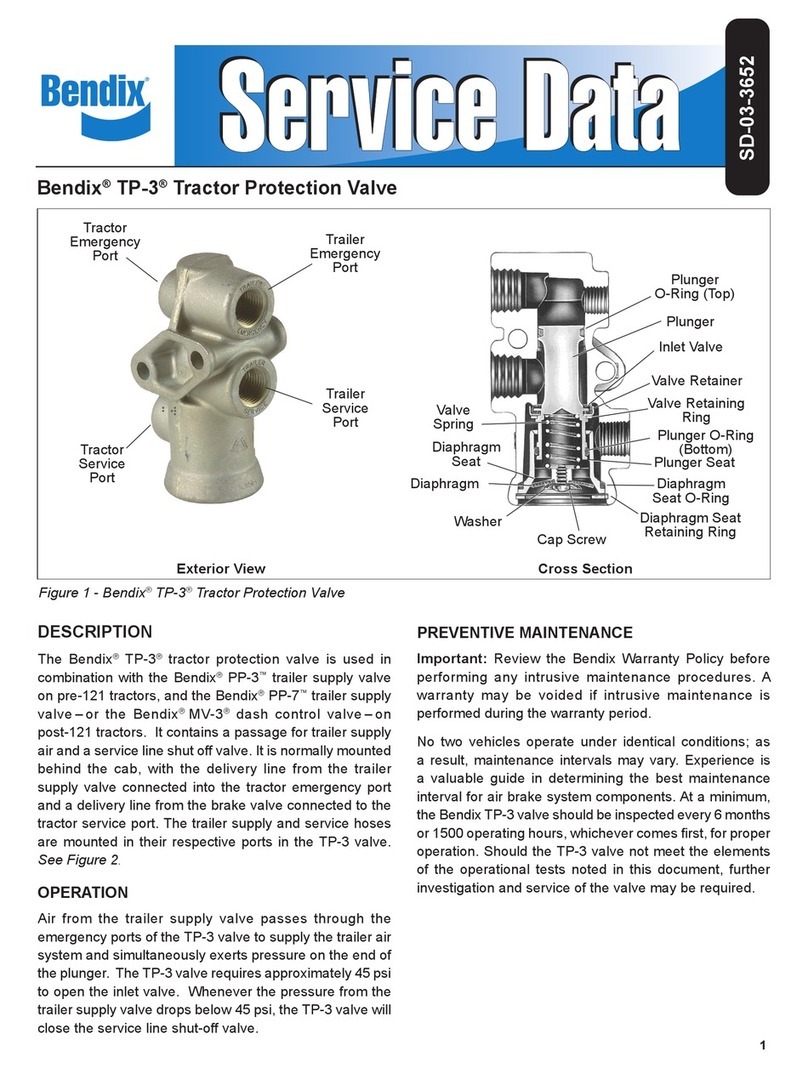
BENDIX TP-3 TRACTOR PROTECTION VALVE User manual

BENDIX

BENDIX TP-3 TRACTOR PROTECTION VALVE User manual

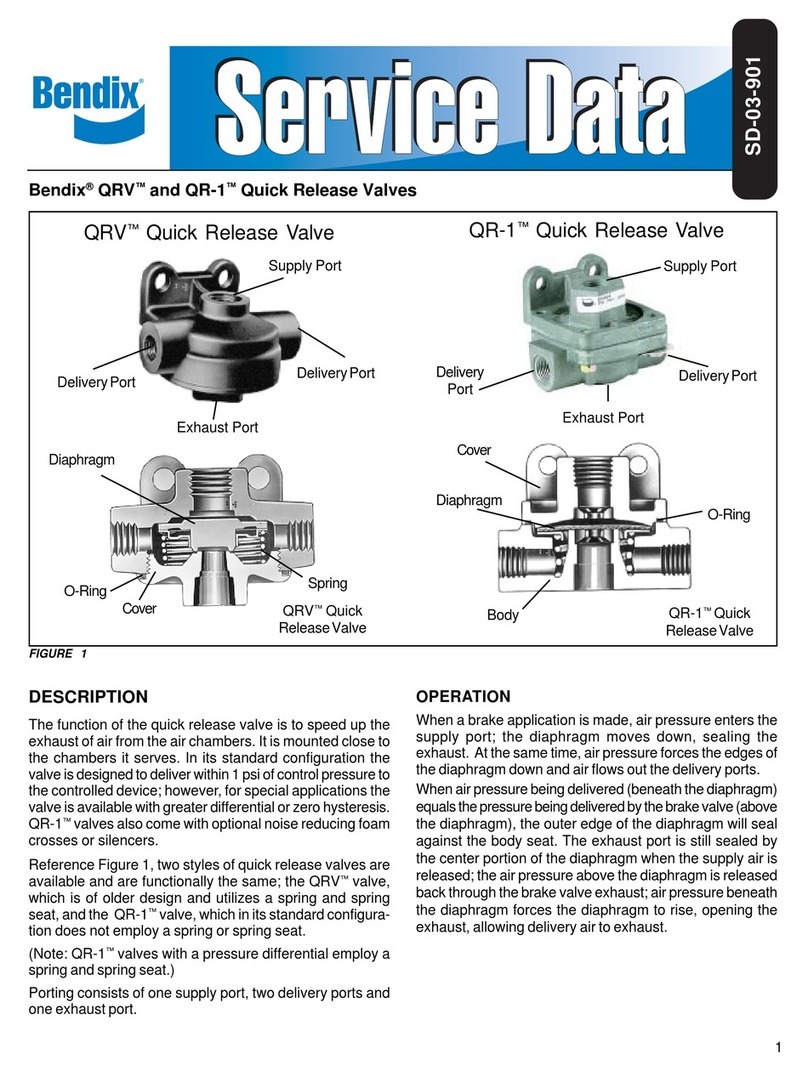
BENDIX QR-1C DBL CHECK QUICK RELEASE VALVE User manual

BENDIX

BENDIX QR-1C DBL CHECK QUICK RELEASE VALVE User manual

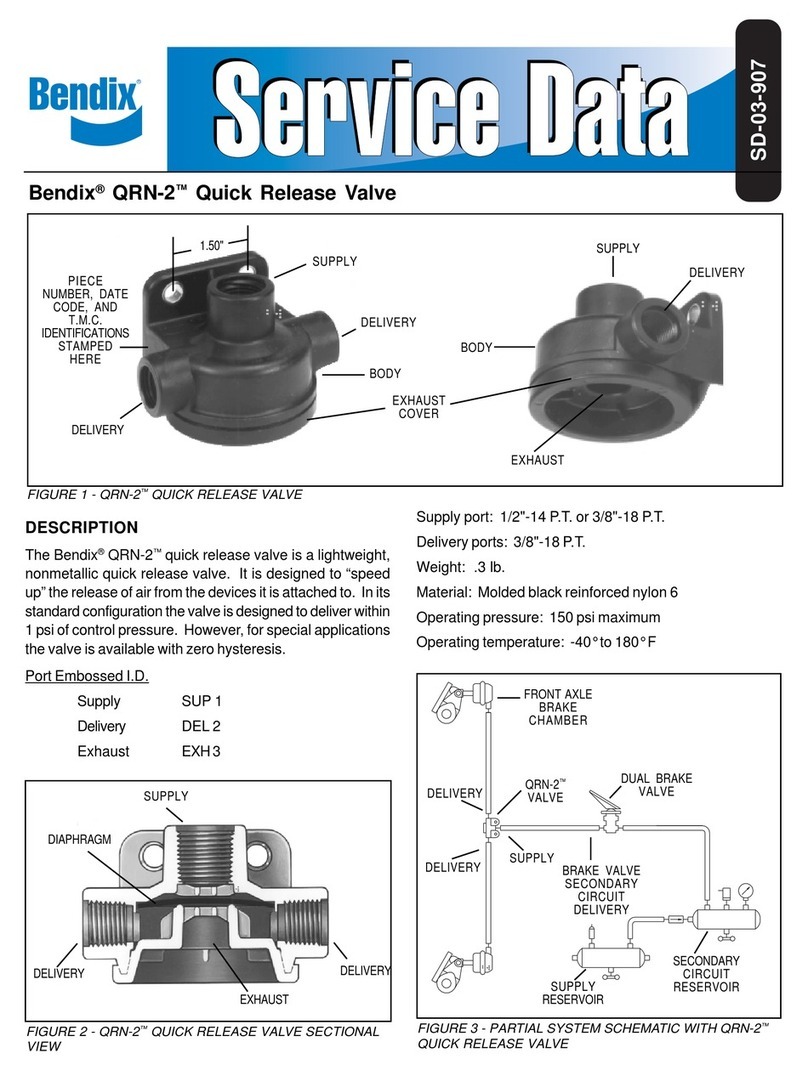
BENDIX QRN-2 QUICK RELEASE VALVE User manual

BENDIX

BENDIX QRN-2 QUICK RELEASE VALVE User manual

BENDIX INLET REG VALVE COMP User manual

BENDIX

BENDIX INLET REG VALVE COMP User manual

BENDIX TR-2-TR-3-TR-4 INVERSION VALVE User manual

BENDIX

BENDIX TR-2-TR-3-TR-4 INVERSION VALVE User manual

BENDIX PR-3 User manual

BENDIX

BENDIX PR-3 User manual

BENDIX ST-1 ST-3 SAFETY VALVE User manual

BENDIX

BENDIX ST-1 ST-3 SAFETY VALVE User manual

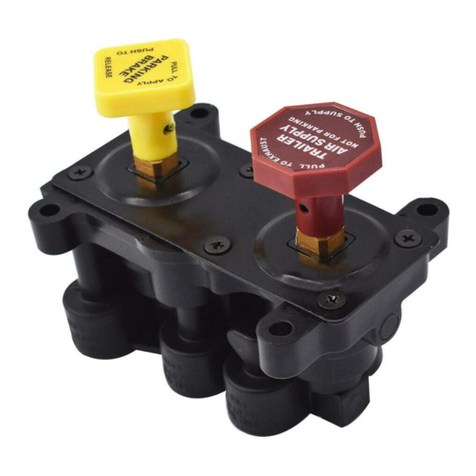
BENDIX PP-1-2-5-8-RD-3 PUSH-PULL VALVES User manual

BENDIX

BENDIX PP-1-2-5-8-RD-3 PUSH-PULL VALVES User manual

BENDIX R-6 RELAY VALVE User manual

BENDIX

BENDIX R-6 RELAY VALVE User manual

BENDIX R-12P PILOT RELAY VALVE User manual

BENDIX

BENDIX R-12P PILOT RELAY VALVE User manual

BENDIX SC-3 INLINE SINGLE CHECK VALVES User manual

BENDIX

BENDIX SC-3 INLINE SINGLE CHECK VALVES User manual

BENDIX R-8P PRESSURE EQUALIZING PILOTRELAY User guide

BENDIX

BENDIX R-8P PRESSURE EQUALIZING PILOTRELAY User guide

BENDIX M-40QR Mounting instructions

BENDIX

BENDIX M-40QR Mounting instructions

BENDIX TC-4 MODULATING CONTROL VALVE User manual

BENDIX

BENDIX TC-4 MODULATING CONTROL VALVE User manual

BENDIX ATR1DC ANTILOCK TRACTION RELAY User manual

BENDIX

BENDIX ATR1DC ANTILOCK TRACTION RELAY User manual

BENDIX TP-4 TRACTOR PROTECTION VALVE User manual

BENDIX

BENDIX TP-4 TRACTOR PROTECTION VALVE User manual

BENDIX MV-1 MODUTROL Service manual

BENDIX

BENDIX MV-1 MODUTROL Service manual

BENDIX R-12DC DBL CHECK RELAY VALVE User manual

BENDIX

BENDIX R-12DC DBL CHECK RELAY VALVE User manual

BENDIX TC-6 BRAKE VALVE User manual

BENDIX

BENDIX TC-6 BRAKE VALVE User manual

BENDIX EVERFLOW User manual

BENDIX

BENDIX EVERFLOW User manual

Popular Control Unit manuals by other brands

Seitz 14A80 user manual

Seitz

Seitz 14A80 user manual

Wilo RS485 Installation and operating instructions

Wilo

Wilo RS485 Installation and operating instructions

Becker CentralControl CC41 Commissioning Instruction

Becker

Becker CentralControl CC41 Commissioning Instruction

SICK CDB650 operating instructions

SICK

SICK CDB650 operating instructions

Panduit NetKey NKP5E88M Series installation instructions

Panduit

Panduit NetKey NKP5E88M Series installation instructions

MX Options Concentric Petite Fitting instructions

MX

MX Options Concentric Petite Fitting instructions

Clean Water Systems Fleck 2510 Installation & start?up guide

Clean Water Systems

Clean Water Systems Fleck 2510 Installation & start?up guide

Fairchild FSB44104A user guide

Fairchild

Fairchild FSB44104A user guide

LEGRAND Wattstopper LMIN-104 installation instructions

LEGRAND

LEGRAND Wattstopper LMIN-104 installation instructions

PMK ATT10BNCS instruction manual

PMK

PMK ATT10BNCS instruction manual

Tektronix TDS3FFT user manual

Tektronix

Tektronix TDS3FFT user manual

Woodward easYgen Technical manual

Woodward

Woodward easYgen Technical manual

Balluff BNI EIP-502-105-R015 user guide

Balluff

Balluff BNI EIP-502-105-R015 user guide

NXP Semiconductors TWR-LS1021A Getting started

NXP Semiconductors

NXP Semiconductors TWR-LS1021A Getting started

Advantech PCM-3117 Startup manual

Advantech

Advantech PCM-3117 Startup manual

Danfoss MCO 101 manual

Danfoss

Danfoss MCO 101 manual

Moons' Lin Engineering R701P user manual

Moons'

Moons' Lin Engineering R701P user manual

Aventics RV1 operating instructions

Aventics

Aventics RV1 operating instructions

manuals.online logo
manuals.online logoBrands
  • About & Mission
  • Contact us
  • Privacy Policy
  • Terms and Conditions

Copyright 2025 Manuals.Online. All Rights Reserved.

®
DESCRIPTION
TheBendix®E-5™brake valve is a single circuit brake valve
thatprovidesthedriverwithsinglepointcontroloftheservice
brake system. The valve is a suspended pedal operated
valve, normally mounted on the engine firewall within the
vehicle cab. Porting consists of 7 supply ports, 4 delivery
ports,andone(1)1/8in. P.T.auxiliarysupplyport.Additional
identified delivery and supply ports serve as a manifold for
accessory devices. The exhaust port is equipped with a
diaphragm.
OPERATION
Applying
Applying the pedal exerts a force on the plunger, through
the rubber graduating spring and to the piston. The piston
moves and its stem, which is the exhaust seat, closes the
exhaust.Astheexhaustcloses,theinletvalvemovesoffits
seat. Air pressure from the reservoir then flows in by the
inlet valve and out the delivery ports to the air chambers
applying the brakes.
Balanced
When air pressure in the cavity beneath the piston and the
air pressure being delivered to the brake actuators equals
themechanicalforceonthetopofthe piston, the piston lifts
and the inlet valve closes, stopping any further flow of air
fromthesupply line throughthevalve.Theexhaustremains
closed, preventing any escape of air through the exhaust
port.
Whenbrakeapplicationsaremade in the graduation range,
the valve reaches a balanced position as the air pressure
beneaththe piston equalsthe effort exertedby the driver’s
foot on the pedal. When the piston is fully depressed, the
inletvalveremainsopen and reservoir pressureisdelivered
to the air chambers.
Releasing
Ifthe pedal application isreleasedandmechanical force is
removed from the top of the piston, the force produced by
theair pressure beneath thepistonisthen greater,and the
pistonlifts, opening theexhaustin the valve. Theair below
thepiston andinthedelivery linesisthenexhausted through
the exhaust port.
SD-03-816
Bendix®E-5™Brake Valve
FIG. 1 FIG. 2
13
11
5
4
2
3
1
8
6
7
9
10
12
PREVENTIVE MAINTENANCE
Important: Review the warranty policy before performing
anyintrusivemaintenanceprocedures.Anextendedwarranty
maybevoidedifintrusivemaintenanceisperformedduring
thisperiod.
Becausenotwo vehiclesoperateunderidentical conditions,
maintenanceandmaintenanceintervalswillvary.Experience
is a valuable guide in determining the best maintenance
intervalforanyoneparticularoperation.
Visuallycheckforphysicaldamage to the brake valve such
as broken air lines and broken or missing parts.
Every3Months, 25,000 Miles or900OperatingHours
Lubricateall pedalactuationpartswith light(10W)oil.Check
free pedal travel. If necessary, adjust stop button so that
rollerjust contactsplunger.
SERVICE TESTS
Operating Test
NOTE: IMPORTANT!!!Testsshould be conducted with an
accuratetest gauge.
Installgaugeinadelivery port or line; depress the treadleor
pedal to several positions between fully released and fully
applied positions, checking the delivery pressure on the
gaugetoseethatitvariesproportionatelywiththemovement
of the treadle or pedal. In the fully applied position, the
reading on the gauge should be approximately that of full
reservoir pressure. Upon release of the application, the
readingofthetest gauge should falltozeropsiimmediately.
Leakage Test
With100psi supply pressureandvalveinreleased position,
coat exhaust port with soapsuds and check for leakage.
NOleakagepermitted.
Fully apply valve and hold application. Coat exhaust port
with soapsuds. NO leakage permitted. Coat area around
plunger and valve body with soapsuds. NO leakage
permitted.
If the valve does not function as described or leakage is
excessive,itisrecommendedthatitbereplacedwithanew
or remanufactured unit, or repaired with genuine Bendix
partsavailableatBendixoutlets.
REMOVINGAND INSTALLING
Removing
Blockandholdvehicleby meansotherthan airbrakes.Drain
air brake system.
For complete valve removal - disconnect all air lines in
the cab and at the firewall from the brake valve. Remove
mountingnutsandcapscrews;removevalve.
For removal of internal parts only - remove the pedal
andmounting plateassembly. Pressuponthe valveretainer
andreleasethelockingtabsfromthebody(CAUTION:piston
isspringloaded); piston assembly,inlet valve seat, and the
inlet/exhaustvalveassembly maynowberemovedfrom the
valvebody.
Installing
Cleanair lines to valve.
Installvalveand tighten mounting nutsandcapscrews.
Connect air lines to valve (plug any unused ports).
Testvalveasoutlinedunder “ServiceTests.”
DISASSEMBLY
Pedal and Mounting Plate
1. Remove cotter pin from fulcrum pin (1) and remove
fulcrumpinandpedal.
2. Removecotterpin from roller pin(2),remove roller pin.
Removepedalcover(3).
3. Remove mounting plate cap screws (4). Remove
mounting plate with plunger. Plunger, stop button, and
stopbuttonlocknutmay nowberemoved frommounting
plate.
Basic E-5™Brake Valve
4. Depress retainer(5)andreleaseretainer tabsfrombody
grooves. Remove retainer. (CAUTION: Piston (6) is
loaded by return spring (7).)
5. Remove piston assembly (6) and piston return spring
(7).
6. Remove inlet seat (8). Remove o-rings from the inlet
seat.
7. Removeinlet/exhaustvalve(9) and spring (10).
8. Remove o-ring (11) from piston assembly (6). Remove
capscrew, washer,spring seat, and rubberspringfrom
piston.
9. Remove inlet valve stem o-ring (12) and valve retainer
frominlet/exhaustvalveassembly.
10. Removeexhaustcheckvalvediaphragm (13).
Cleaning and Inspection
1. Wash all metal parts in mineral spirits and dry. Wipe all
rubberpartsclean.
2. Inspectallparts for excessive wear ordeterioration.
3. Inspect valve and valve seats for nicks and burrs.
4. Check springs for cracks, distortion or corrosion.
5. Inspect bore of body for scratches or out of round
condition. Replace as necessary.
6. Inspect all pedal parts and mounting plate for wear;
replace as necessary.
2
Replace all parts not considered serviceable. It is
recommended that all rubber parts be replaced.
Maintenance Kits containing all necessary detail parts are
available from Bendix outlets. Consult the Bendix catalog
forpiecenumbers.
ASSEMBLY
Basic E-5™Brake Valve
1. Lightly lubricate body bores, inlet/exhaust valve stem,
o-rings, inlet seat, and piston with Dow Corning 55-M
pneumatic grease (Bendix piece number 291126).
2. Install rubber spring in piston (as shown in illustration);
installseat (with convolution towardsrubberspring) on
rubber spring. Install washer and cap screw. Torque
cap screw to 50 inch pounds.
3. Install piston o-ring (11) on piston assembly.
4. Install valve retainer and stem o-ring on inlet/exhaust
valveassembly.
5. Installinletvalvespring(10) in body;installinlet/exhaust
valveassembly(9)in bore of body.
6. Instalo-ringsoninlet valve seat(8)andinstallinbodyso
tab in seat lines up with its slot in the body.
7. Install piston return spring (7) in inlet seat.
8. Install piston assembly (6); while exerting pressure on
piston, install retainer (5); make certain retainer tabs
snap into place in grooves of body.
Pedal and Mounting Plate
9. Lightly lubricate plunger, plunger bore, fulcrum, roller
pins, and all pedal actuation contact points with
Molybdenum Disulfide grease (Bendix piece number
239378).
10.Install stopbuttonand lock nut inmountingplate.
11. Install rollers on pedal with roller pin, secure pin with
cotter pin.
12. Connect pedal to mounting plate with fulcrum pin (1);
secure fulcrum pin with cotter pin.
13. Install plungerinmountingplate;install pedalcover (3).
14. Attachpedal/mountingplateassemblytovalvebodywith
capscrews(4).Torquecapscrewsto80-120inchpounds.
15. Adjust free pedal travel so that the rollers just contact
the plunger by adjusting the stop button. Tighten lock
nutwhenadjustmentiscomplete.
Testing Rebuilt E-5™Brake Valve
PerformOperatingandLeakageTestsasoutlinedin“Service
Test” section.
WARNING! PLEASE READ AND FOLLOW
THESE INSTRUCTIONS TO AVOID
PERSONAL INJURYOR DEATH:
When working on or around a vehicle, the following
general precautions should be observed at all times.
1. Park the vehicle on a level surface, apply the
parking brakes, and always block the wheels.
Always wear safety glasses.
2. Stop the engine and remove ignition key when
working under or around the vehicle. When
working in the engine compartment, the engine
should be shut off and the ignition key should be
removed. Where circumstances require that the
enginebein operation, EXTREME CAUTIONshould
be used to prevent personal injury resulting from
contact with moving, rotating, leaking, heated or
electrically charged components.
3. Do not attempt to install, remove, disassemble or
assemble a component until you have read and
thoroughly understand the recommended
procedures. Useonlythe proper tools and observe
all precautions pertaining to use of those tools.
4. If the work is being performed on the vehicle’s air
brake system, or any auxiliary pressurized air
systems,make certain todrain the airpressure from
all reservoirs before beginning ANY work on the
vehicle. If the vehicle is equipped with an AD-IS™
air dryer system or a dryer reservoir module, be
sure to drain the purge reservoir.
5. Following the vehicle manufacturer’s
recommendedprocedures, deactivate the electrical
system in a manner that safely removes all
electrical power from the vehicle.
6. Never exceed manufacturer’s recommended
pressures.
7. Never connect or disconnect a hose or line
containing pressure; it may whip. Never remove a
component or plug unless you are certain all
system pressure has been depleted.
8. Use only genuine Bendix®replacement parts,
components and kits. Replacement hardware,
tubing, hose, fittings, etc. must be of equivalent
size, type and strength as original equipment and
be designed specifically for such applications and
systems.
9. Components with stripped threads or damaged
parts should be replaced rather than repaired. Do
not attempt repairs requiring machining or welding
unless specifically stated and approved by the
vehicle and component manufacturer.
10. Prior to returning the vehicle to service, make cer-
tain all components and systems are restored to
their proper operating condition.
3

BW1565 © 2004 Bendix Commercial Vehicle Systems LLC. All rights reserved. 3/2004 Printed in U.S.A.