EnglishDeutsch
 logo
Brands
  1. Home
  2. •
  3. Brands
  4. •
  5. M-system
  6. •
  7. Transmitter
  8. •
  9. M-system LC User manual

M-system LC User manual

This manual suits for next models

1

Other M-system Transmitter manuals

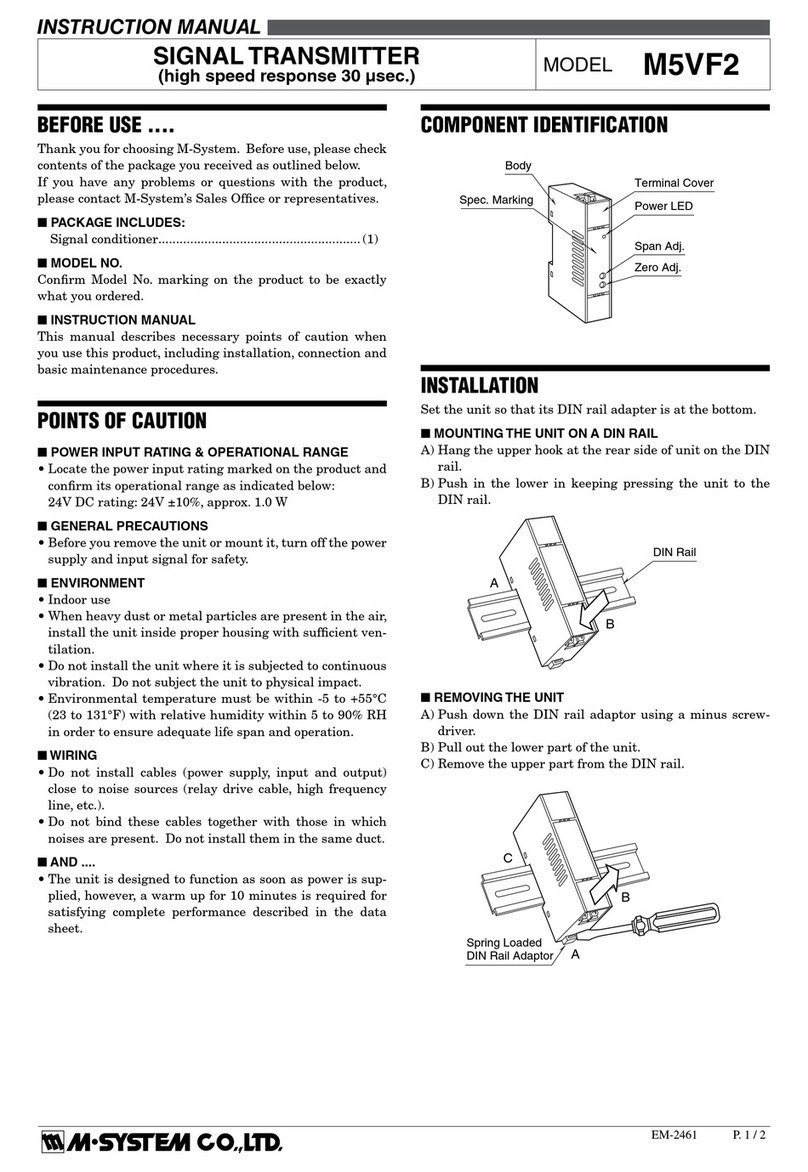
M-system M5VF2 User manual

M-system

M-system M5VF2 User manual

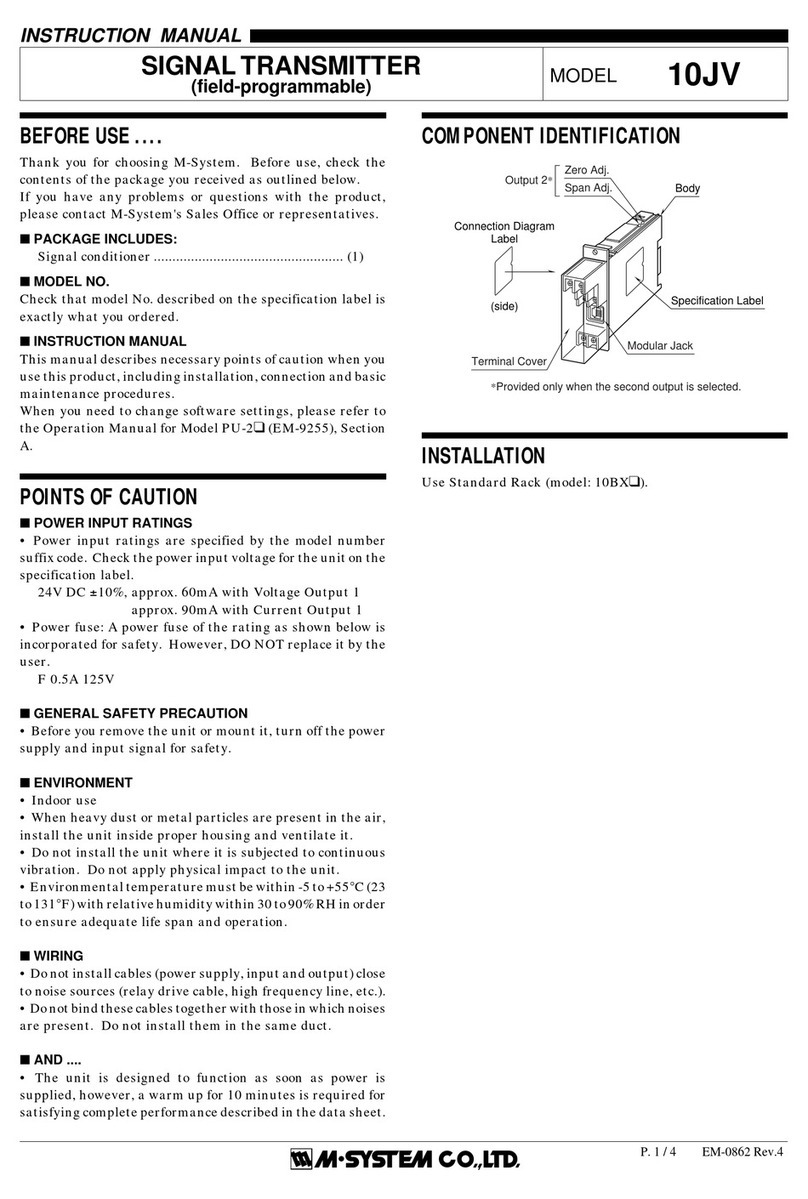
M-system 10JV User manual

M-system

M-system 10JV User manual

M-system Mini-M M2AMS User manual

M-system

M-system Mini-M M2AMS User manual

M-system M1EXS-2 User manual

M-system

M-system M1EXS-2 User manual

M-system 6BTS1 User manual

M-system

M-system 6BTS1 User manual

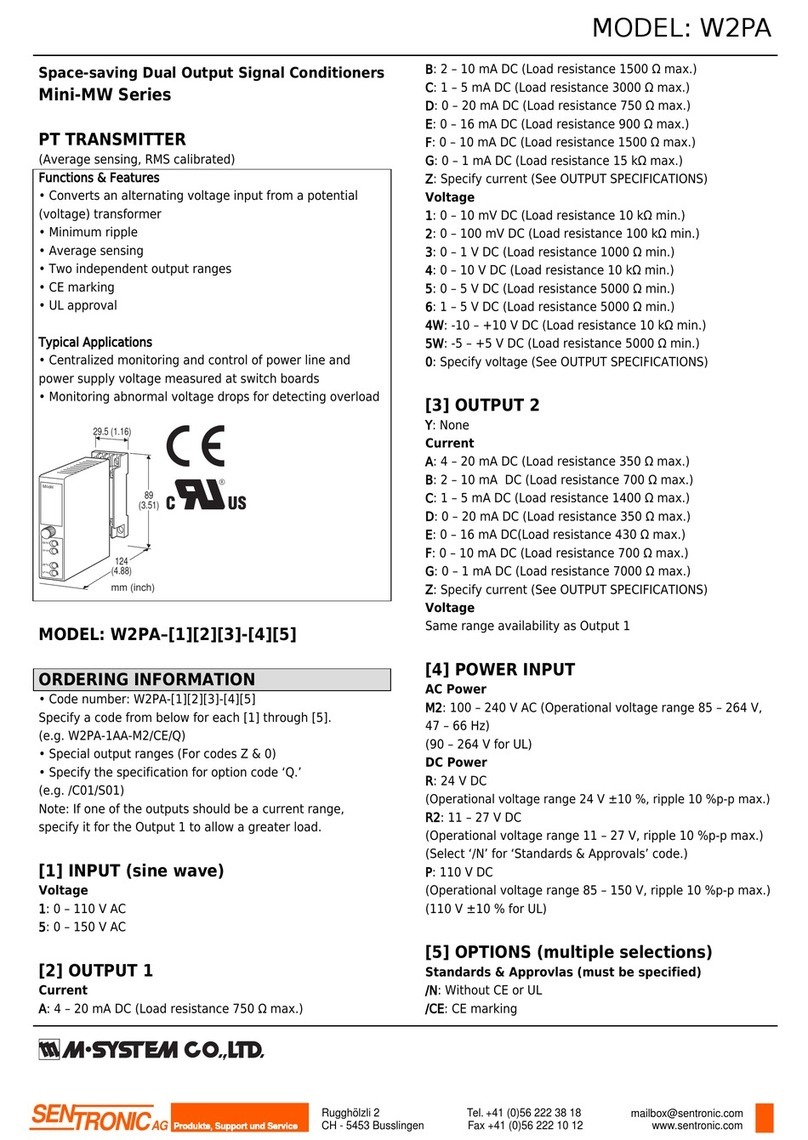
M-system Mini-MW Series User manual

M-system

M-system Mini-MW Series User manual

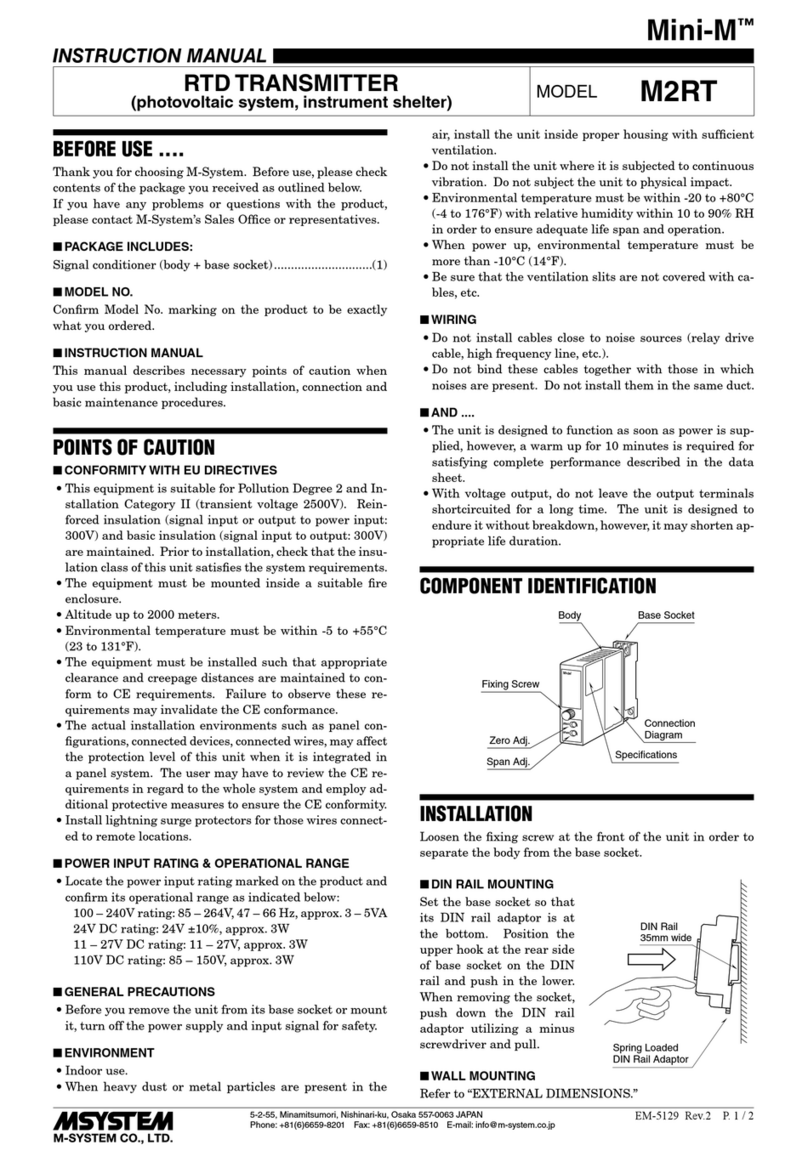
M-system Mini-M M2RT User manual

M-system

M-system Mini-M M2RT User manual

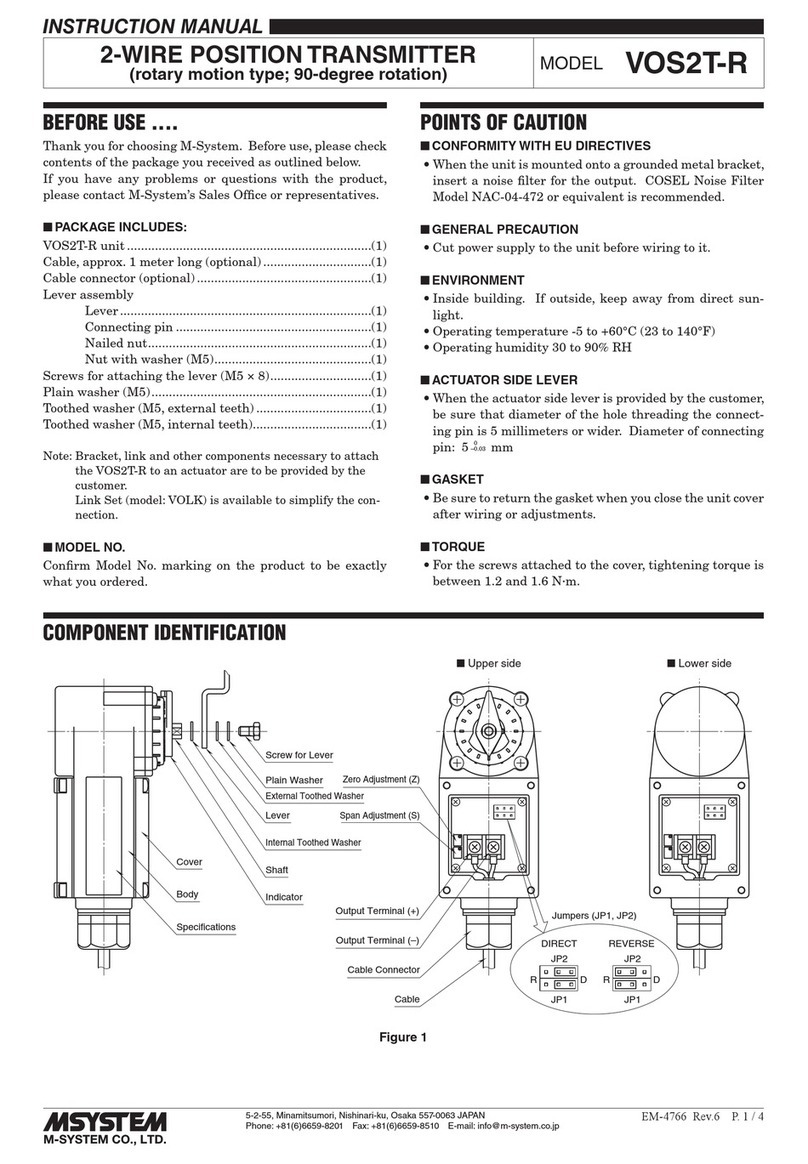
M-system VOS2T-R User manual

M-system

M-system VOS2T-R User manual

M-system Mini-M M2TG User manual

M-system

M-system Mini-M M2TG User manual

M-system M2XRP2 User manual

M-system

M-system M2XRP2 User manual

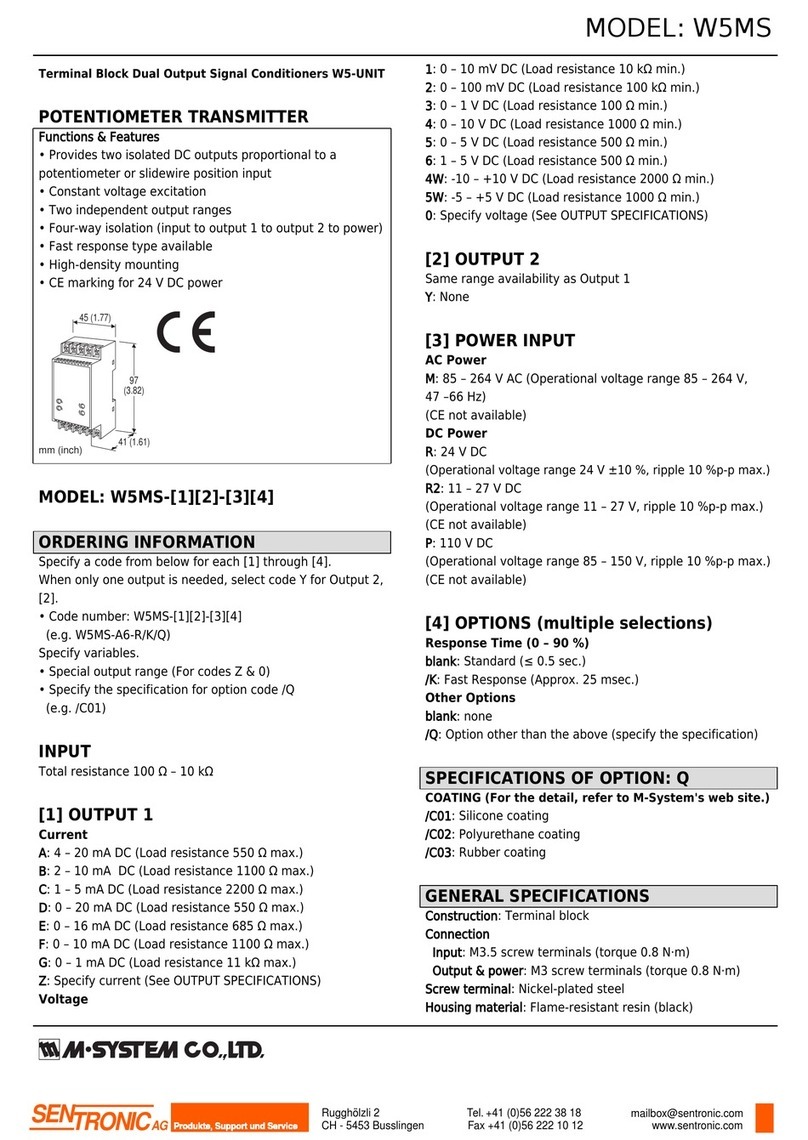
M-system W5-UNIT User manual

M-system

M-system W5-UNIT User manual

M-system Mini-M M2WVS User manual

M-system

M-system Mini-M M2WVS User manual

M-system 10JM User manual

M-system

M-system 10JM User manual

M-system 10JRE User manual

M-system

M-system 10JRE User manual

M-system 27RS User manual

M-system

M-system 27RS User manual

M-system M5XWTU User manual

M-system

M-system M5XWTU User manual

M-system M5YV User manual

M-system

M-system M5YV User manual

M-system SENTRONIC M2SES User manual

M-system

M-system SENTRONIC M2SES User manual

M-system CT TRANSMITTER User manual

M-system

M-system CT TRANSMITTER User manual

M-system Mini-M M2RS User manual

M-system

M-system Mini-M M2RS User manual

M-system M5MV User manual

M-system

M-system M5MV User manual

M-system 10MS User manual

M-system

M-system 10MS User manual

M-system 10AC User manual

M-system

M-system 10AC User manual

M-system W2TS User manual

M-system

M-system W2TS User manual

Popular Transmitter manuals by other brands

NIVELCO EasyTREK SCA-300 Series Programming manual

NIVELCO

NIVELCO EasyTREK SCA-300 Series Programming manual

Honeywell 5816WMBR installation instructions

Honeywell

Honeywell 5816WMBR installation instructions

Kamstrup READy MTU Installation and operation guide

Kamstrup

Kamstrup READy MTU Installation and operation guide

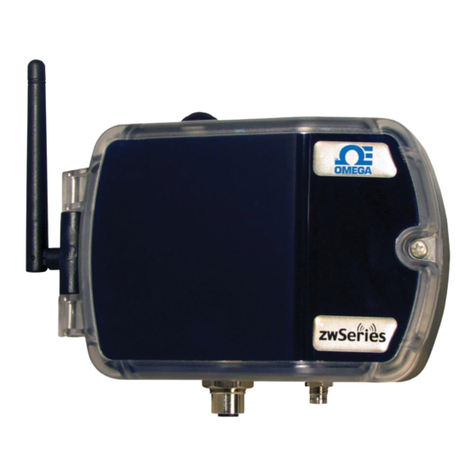
Omega ZW Series user guide

Omega

Omega ZW Series user guide

ABB Field 264H Instructions for installation

ABB

ABB Field 264H Instructions for installation

Alinco DJ-V17T Service manual

Alinco

Alinco DJ-V17T Service manual

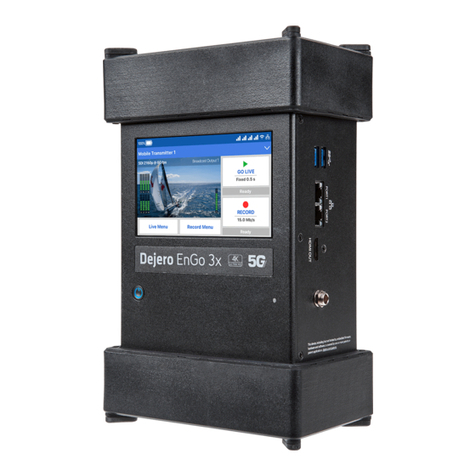
Dejero EnGo 3x manual

Dejero

Dejero EnGo 3x manual

Rosemount 4600 Reference manual

Rosemount

Rosemount 4600 Reference manual

Speaka Professional 2342740 operating instructions

Speaka Professional

Speaka Professional 2342740 operating instructions

trubomat GAB 1000 instruction manual

trubomat

trubomat GAB 1000 instruction manual

Teledyne Analytical Instruments LXT-380 instructions

Teledyne Analytical Instruments

Teledyne Analytical Instruments LXT-380 instructions

Rondish UT-11 quick start guide

Rondish

Rondish UT-11 quick start guide

MG 10JRE instruction manual

MG

MG 10JRE instruction manual

Burkert 8177 operating instructions

Burkert

Burkert 8177 operating instructions

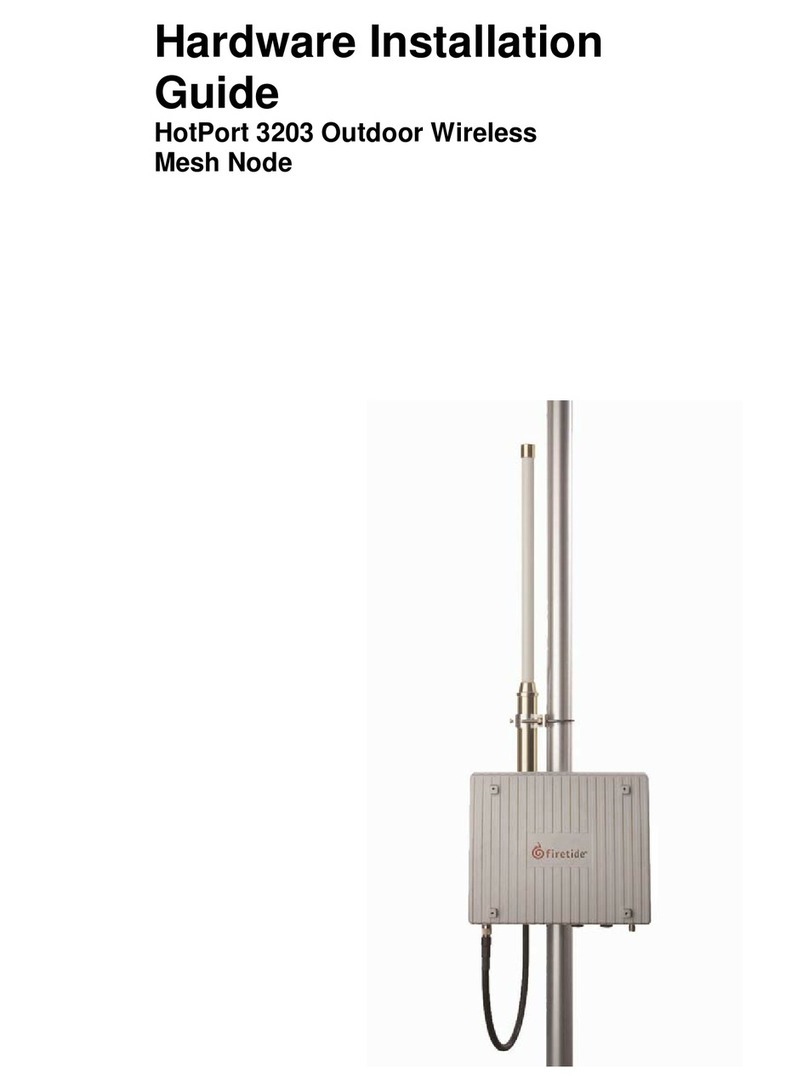
Firetide HotPort 3203 Hardware installation guide

Firetide

Firetide HotPort 3203 Hardware installation guide

Tele Radio T9-02 User instructions

Tele Radio

Tele Radio T9-02 User instructions

Rotronic HygroFlex HF3 Series user guide

Rotronic

Rotronic HygroFlex HF3 Series user guide

Jamara FCX6 Pro Tel Instruction

Jamara

Jamara FCX6 Pro Tel Instruction

https://manuals.online logo
https://manuals.online logoBrands
  • About & Mission
  • Contact us
  • Privacy Policy
  • Terms and Conditions

Copyright 2026 Manuals.Online. All Rights Reserved.

LC / LCS
P. 1 / 4 EM-1355 Rev.3
INSTRUCTION MANUAL
MODEL LC/LCS
STRAIN GAUGE TRANSMITTER
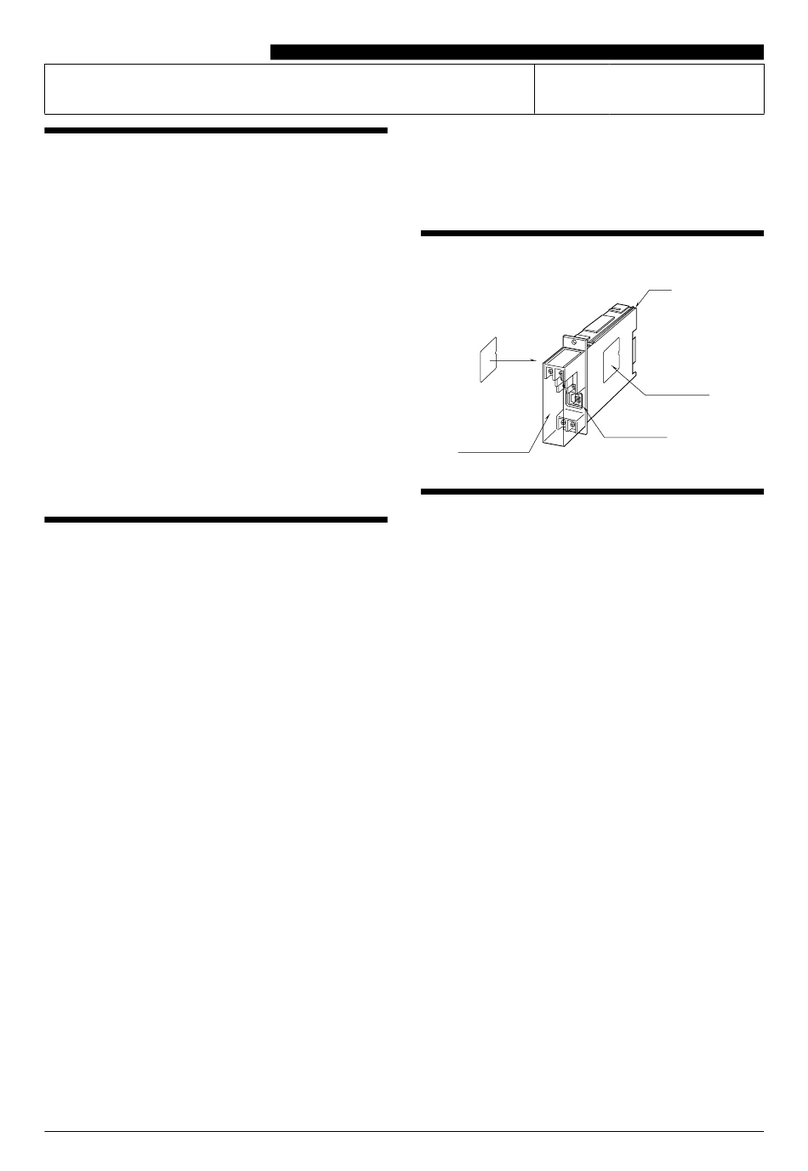
COMPONENT IDENTIFICATION
■ HOW TO OPEN THE FRONT COVER:
Position your finger on the hook at the top of front cover and
pull.
Body Base Socket
Connection
Diagram Label
Front Cover
Specification
Label
LCD Meter
(optional)
The shape of base socket may be different
for some models.
BEFORE USE ....
Thank you for choosing M-System. Before use, check the
contents of package you received as outlined below.
If you have any problems or questions with the product,
please contact M-System’s Sales Office or representatives.
■ PACKAGE INCLUDES:
Signal conditioner (body + base socket) ..................... (1)
■ MODEL NO.
Check that model No. described on specification label is
exactly what you ordered.
■ INSTRUCTION MANUAL
This manual describes necessary points of caution when you
use this product, including installation, connection and basic
maintenance procedures.
POINTS OF CAUTION
■ POWER INPUT RATINGS
• Operational range & power consumption: Check the power
rating for the unit on the specification label.
AC ratings: Rating ±10%, 50/60 ±2 Hz, approx. 3VA
(4VA with Option /E2)
24V DC rating: 24V ±10%, approx. 150mA
■ UNPLUGGING THE UNIT
• Before you remove the unit from its base socket or mount it,
turn off the power supply and input signal for safety.
■ ENVIRONMENT
• Indoor use
• When heavy dust or metal particles are present in the air,
install the unit inside a proper housing with sufficient venti-
lation.
• Do not install the unit where it is subjected to continuous
vibration. Do not apply physical impact to the unit.
• Environmental temperature must be within -5 to +60°C (23
to140°F)withrelativehumiditywithin30 to 90% RH in order
to ensure adequate life span and operation.
■ WIRING
• Do not install cables (power supply, input and output) close
to noise sources (relay drive cable, high frequency line, etc.).
• Do not bind these cables together with those in which noises
are present. Do not install them in the same duct.
■ AND ....
• The unit is designed to function as soon as power is
supplied, however, a warm up for 10 minutes is required for
satisfying complete performance described in the data sheet.
LC / LCS
P. 2 / 4 EM-1355 Rev.3
DISPLAY SETTING PROCEDURE Option /E2
Normal Operating
Mode
Display Configuration
Mode
ITEM :‘CFG’ Select engineering
unit
ITEM :‘UNIT’
NEXT
NEXT
NEXT
ENTER Press NEXT one
or more times.
ENTER
Select decimal point
position
ITEM :‘DOT P’
NEXT
Press NEXT one
or more times.
ENTER
Calibration Mode
Adjust the display 0% &
100% values
ITEM :‘CAL’
Set the present input value as 0%.
Display shows AD conversion value*1.
ITEM :‘ADJ Z’
NEXT
ENTER Press NEXT to read and show
the present input value
(AD conversion value)
Press NEXT to read and show
the present input value
(AD conversion value)
ENTER
Set the present input value as 100%.
Display shows AD conversion value*1.
ITEM :‘ADJ S’ ENTER
ENTER
ENTER
ENTER
ENTER
ENTER
Select 0%
scaling value
ITEM :‘SCL Z’
NEXT
Numeric Input
Mode
Exit
ENTER
Select 100%
scaling value
ITEM :‘SCL S’ Numeric Input
Mode
Exit
ENTER
NEXT
NEXT NEXT
Display Initialization
Mode
ITEM :‘INIT’ ITEM :‘NO’
Exit Numeric
Input Mode
NEXT
ENTER
Press ENTER to reset
the display
configuration to the
initial state.
ITEM :‘YES’
Press NEXT to
choose among
‘0’ –> ‘1’ –> ‘-0’ –>
‘-1’ –> ‘0’ ....
Most Significant Digit
(upper line)
Press NEXT to
choose among ‘0’
through ‘9.’
Press ENTER to
move to the next
LS digit.
Less Significant Digits
(upper line)
NEXT
NEXT
The range is set to
10000 or -10000
and the numeric
input mode ends.
Select ‘1’ or ‘-1’
Select
‘0’ or ‘-0’
Numeric Input Mode
Press ENTER key in maintaining NEXT key
pressed to return to Normal Operating Mode
from any setting mode.
Select among %, µV, mV, V, mA,
°C, °F, Ω, DEG K, mHz, Hz, kHz,
VAC, AAC, mg, g, kg, t, rpm and rps.
Apply the input signal for 0%.
Apply the input signal for 100%.
(Value Set)
(Value Set)
‘AD conversion value’means the internal digital data representing
the input signal, which is computed to a percentage.
It is not a % or engineering unit value.
*1.
Value
Unit, Item
ENTER Key
NEXT Key
Backlight : Green (normal)
Red (simulated output)
LC / LCS
P. 3 / 4 EM-1355 Rev.3
■ DIMENSIONS mm (inch)
5678
21
1110
80 (3.15)
50 (1.97) 107 (4.21)
136 (5.35) [3.3 (.13)]
80 (3.15)
20
(.79)
35.4 (1.39)
40 (1.57)
50 (1.97)
7.8 (.31)
CLAMP
(top & bottom)
DIN RAIL
35mm wide
2–4.5 (.18) dia.
MTG HOLE
25 (.98) deep
11–M3.5
SCREW
•When mounting, no extra space is needed between units.
39
4
■CONNECTION DIAGRAM
7
8
+
–
10
3
9
6
11
+
–
STRAIN
GAUGE
2
1
INPUT
EXC.
+
–
OUTPUT
U(+)
V(–) POWER
INSTALLATION
Detach the yellow clamps located at the top and bottom of the
unit for separating the body from the base socket.
■ DIN RAIL MOUNTING
Set the base socket so that its
DIN rail adaptor is at the bot-
tom. Position the upper hook at
the rear side of base socket on
the DIN rail and push in the
lower. When removing the
socket, push down the DIN rail
adaptorutilizingaminus screw-
driver and pull.
■ WALL MOUNTING
Refer to the drawings in the
following page.
Clamp
(top & bottom)
DIN Rail
35mm wide
Spring Loaded
DIN Rail Adaptor
Shape and size of the base socket
are slightly different with various
socket types.
TERMINAL CONNECTIONS
Connect the unit as in the diagram below or refer to the connection diagram label on top of the unit.
LC / LCS
P. 4 / 4 EM-1355 Rev.3
SIMPLE LOOP TEST OUTPUT Option /E2
Simulated 0% and 100% output is available with Option /E2.
Switch the Loop Test Selector positions.
Top position: 0% fixed
Middle position: 100% fixed
Bottom position: Cancel the loop test mode
(Back to the normal operating mode)
CHECKING
1) Terminal wiring: Check that all cables are correctly
connected according to the connection diagram.
2) Power input voltage: Check voltage across the terminal 7
–8with a multimeter.
3) Input: Check that the input signal is within 0 – 100% of
the full-scale.
4) Output: Check that the load resistance meets the de-
scribed specifications.
ADJUSTMENT PROCEDURE
■ FRONT PANEL CONFIGURATION
• Option /E
• Option /E2
M-SYSTEM WARRANTY
M-System warrants such new M-System product which it manufactures to be free from defects in materials and workmanship during the 36-month period following the date that such
productwasoriginallypurchasedifsuchproducthasbeenusedundernormaloperatingconditionsandproperlymaintained,M-System'ssoleliability,andpurchaser'sexclusiveremedies,
under this warranty are, at M-System's option, the repair, replacement or refund of the purchase price of any M-System product which is defective under the terms of this warranty. To
submit a claim under this warranty, the purchaser must return, at its expense, the defective M-System product to the below address together with a copy of its original sales invoice.
THIS IS THE ONLY WARRANTY APPLICABLE TO M-SYSTEM PRODUCT AND IS IN LIEU OF ALL OTHER WARRANTIES, EXPRESS OR IMPLIED, INCLUDING ANY IMPLIED
WARRANTIES OF MERCHANTABILITY OR FITNESS FOR A PARTICULAR PURPOSE. M-SYSTEM SHALL HAVE NO LIABILITY FOR CONSEQUENTIAL, INCIDENTAL OR
SPECIAL DAMAGES OF ANY KIND WHATSOEVER.
M-System Co., Ltd., 5-2-55, Minamitsumori, Nishinari-ku, Osaka 557-0063 JAPAN, Phone: (06) 6659-8201, Fax: (06) 6659-8510, E-mail: [email protected]
LCD Meter
Span Adj.
Zero Adj.
Excitation Adj.
Loop Test Selector
Top
Middle
Bottom
: 0% fixed
: 100% fixed
: Cancel
(normal operating mode)
NEXT Key
ENTER Key
Span Adj.
Zero Adj.
Excitation Adj.
■ EXCITATION
This unit is calibrated at the factory for use with the rating
described on the specification label. However if you need to
adjust it for use with a rating other than the factory setting,
refer to the equation below.
Excitation Voltage = 5 [V] ×a [mV/V] [V]
b [mV/V]
where a : Rating described on specification label
b : Actual rating
With 350Ωbridge resistance, the excitation can be adjusted
from 2V to 10V.
When the result of above calculation exceeds 10V, adjust the
excitation to 10V.
■ ZERO (TARE) ADJUSTMENT
Adjustable from 0 to 80% of the input span (strain gauge
rating). With no load applied, turn the Zero Adjustment until
the output shows 0%.
■ SPAN (SENSITIVITY) ADJUSTMENT
Adjustable from 20 to 100% of the input span (strain gauge
rating). With the full-scale load, turn the Span Adjustment
until the output shows 100%.
MAINTENANCE
Regular calibration procedure is explained below:
■ CALIBRATION
Warm up the unit for at least 10 minutes. Apply 0%, 25%,
50%, 75% and 100% input signal. Check that the output
signal for the respective input signal remains within accu-
racy described in the data sheet. When the output is out of
tolerance, recalibrate the unit according to the "ADJUST-
MENT PROCEDURE" explained earlier.