manuals.online logo
Brands
  1. Home
  2. •
  3. Brands
  4. •
  5. Nakanishi
  6. •
  7. Industrial Equipment
  8. •
  9. Nakanishi RA-100 User manual

Nakanishi RA-100 User manual

Other Nakanishi Industrial Equipment manuals

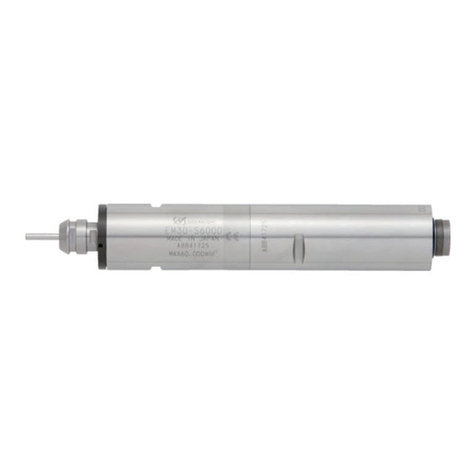
Nakanishi EM20-S6000 User manual

Nakanishi

Nakanishi EM20-S6000 User manual

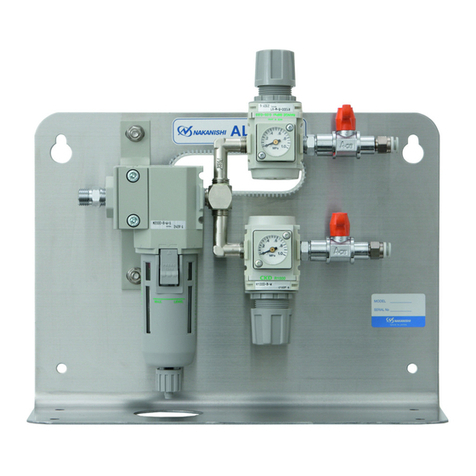
Nakanishi AL-A1205 User manual

Nakanishi

Nakanishi AL-A1205 User manual

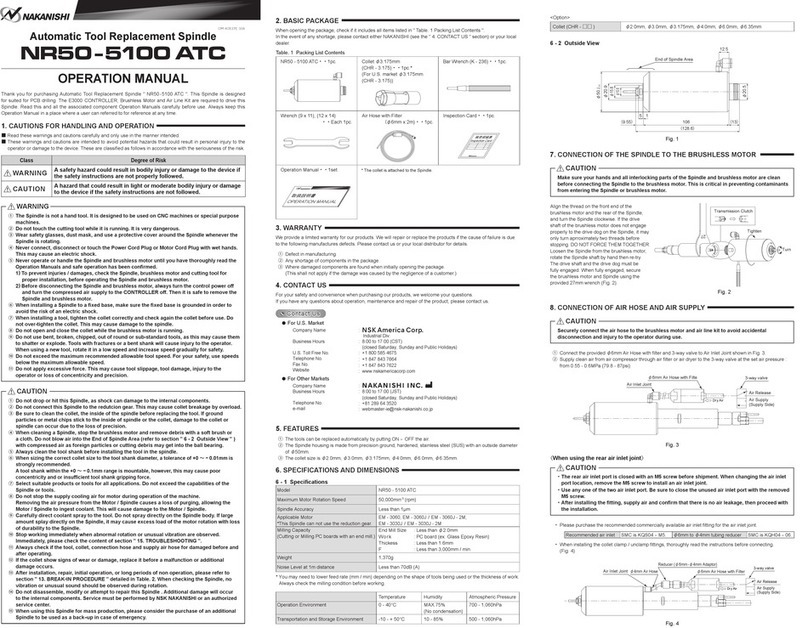
Nakanishi NR50 -5100 ATC User manual

Nakanishi

Nakanishi NR50 -5100 ATC User manual

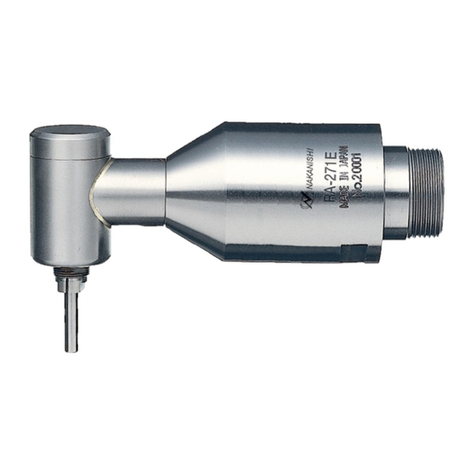
Nakanishi RA-271E User manual

Nakanishi

Nakanishi RA-271E User manual

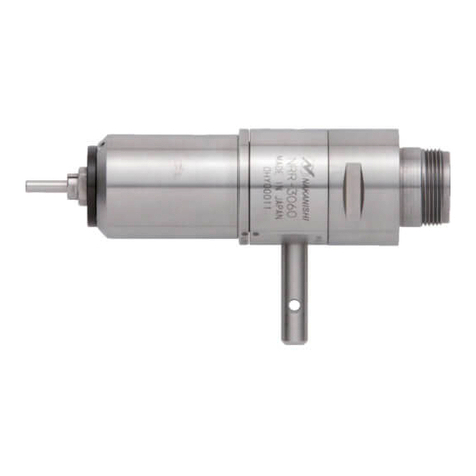
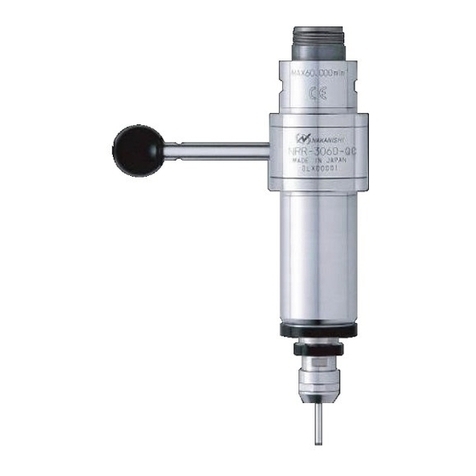
Nakanishi NRR-3060 User manual

Nakanishi

Nakanishi NRR-3060 User manual

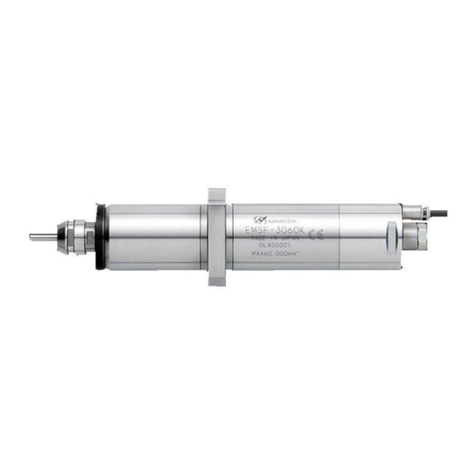
Nakanishi EMSF-3060K User manual

Nakanishi

Nakanishi EMSF-3060K User manual

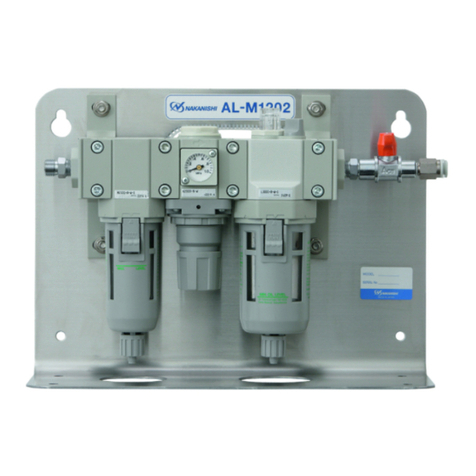
Nakanishi AL-M1202 User manual

Nakanishi

Nakanishi AL-M1202 User manual

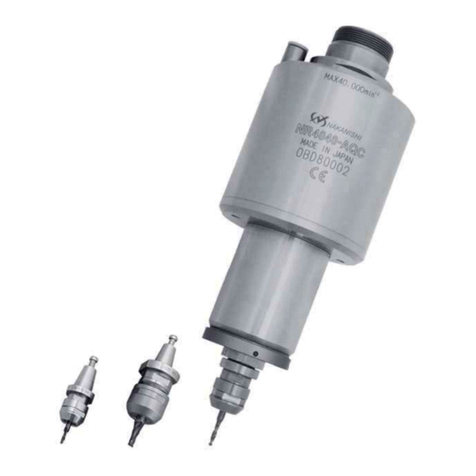
Nakanishi NR4040-AQC User manual

Nakanishi

Nakanishi NR4040-AQC User manual

Nakanishi AL-M1203BS2 User manual

Nakanishi

Nakanishi AL-M1203BS2 User manual

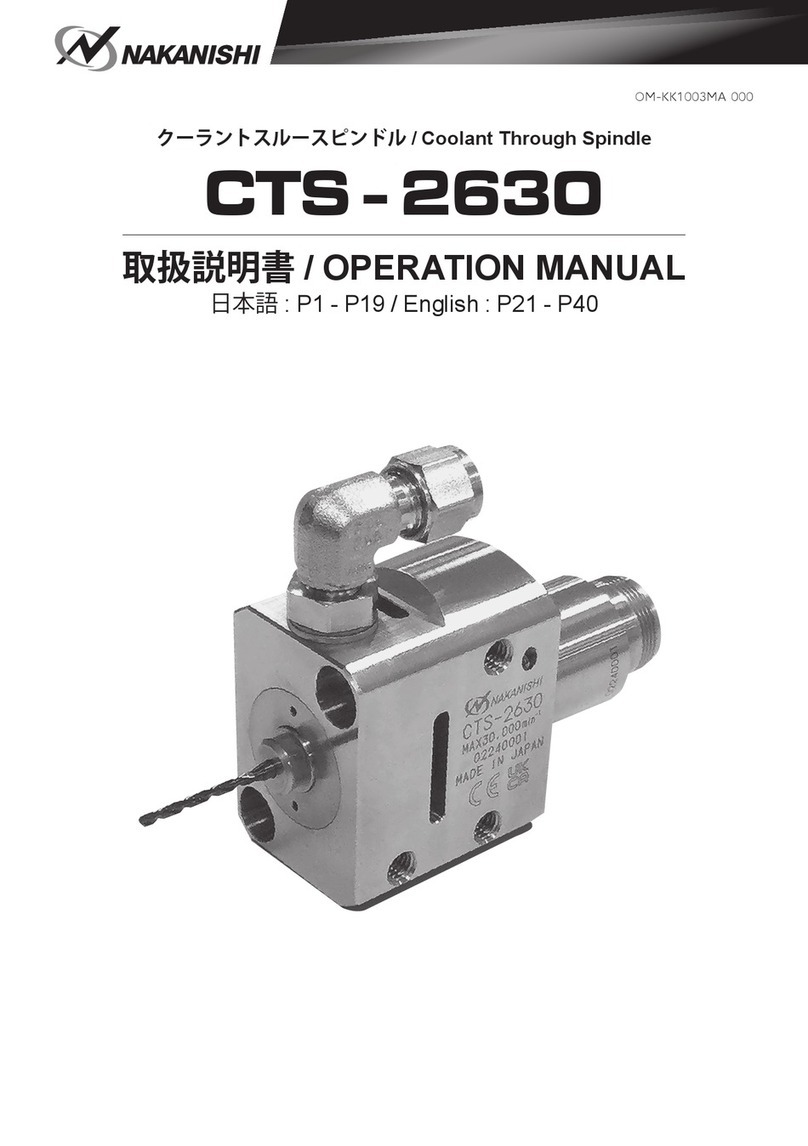
Nakanishi CTS-2630 User manual

Nakanishi

Nakanishi CTS-2630 User manual

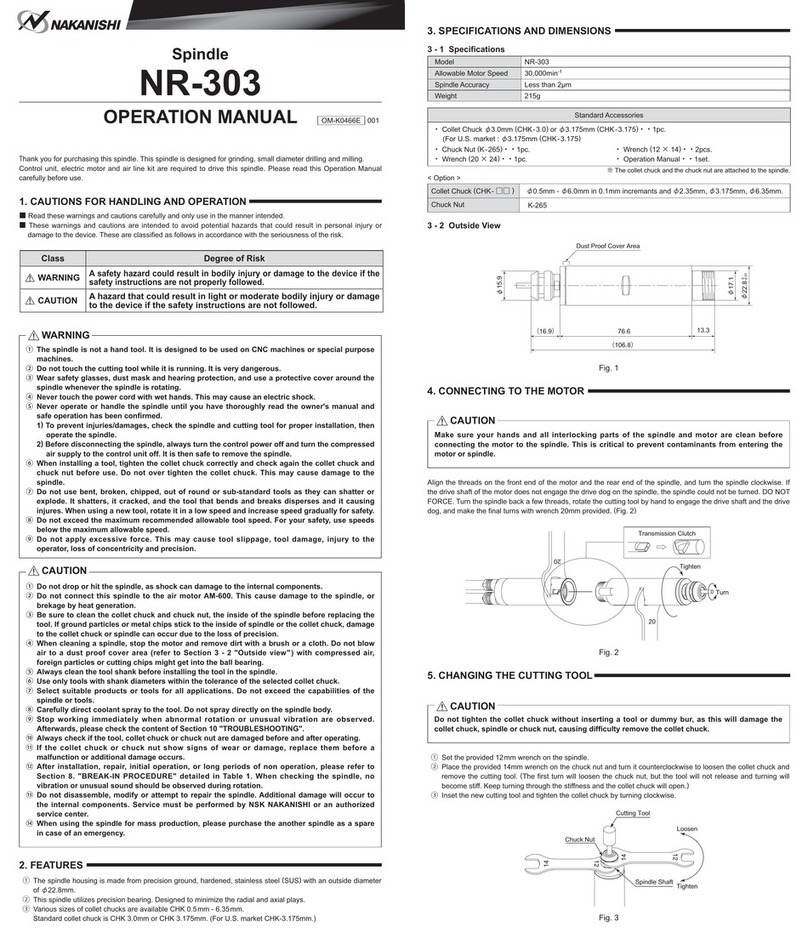
Nakanishi NR-303 User manual

Nakanishi

Nakanishi NR-303 User manual

Nakanishi HTS1501 User manual

Nakanishi

Nakanishi HTS1501 User manual

Nakanishi HES810 User manual

Nakanishi

Nakanishi HES810 User manual

Nakanishi AL-H1207F User manual

Nakanishi

Nakanishi AL-H1207F User manual

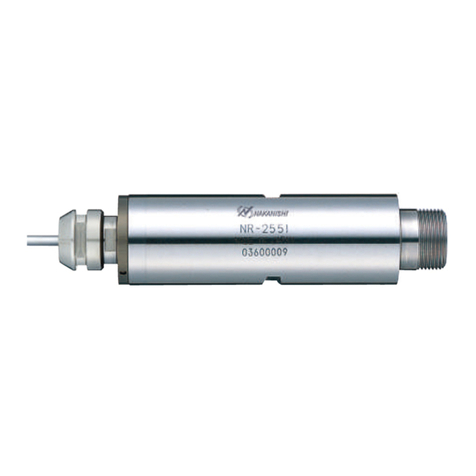
Nakanishi NR-2551 User manual

Nakanishi

Nakanishi NR-2551 User manual

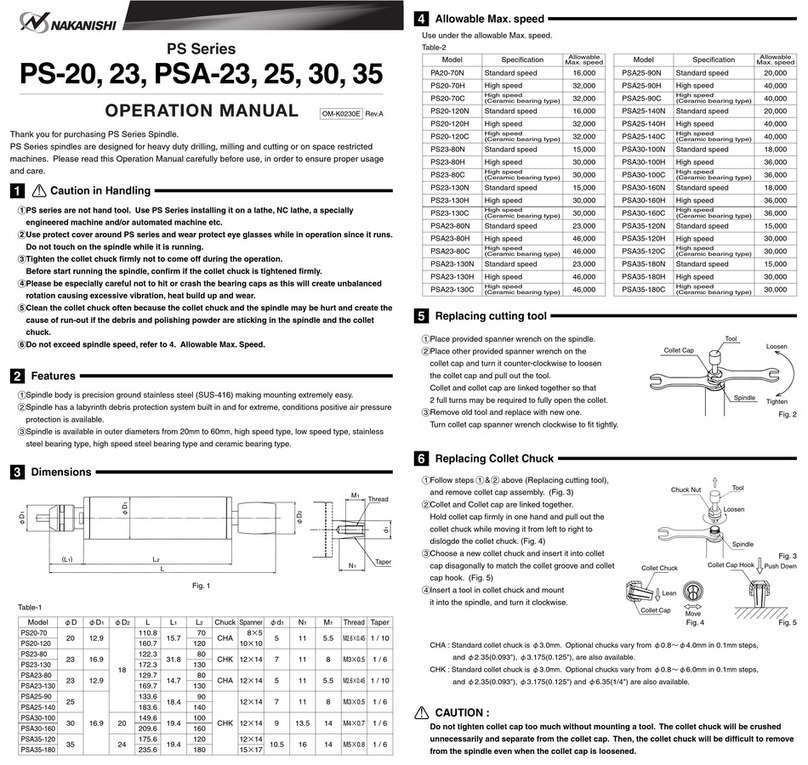
Nakanishi PS Series User manual

Nakanishi

Nakanishi PS Series User manual

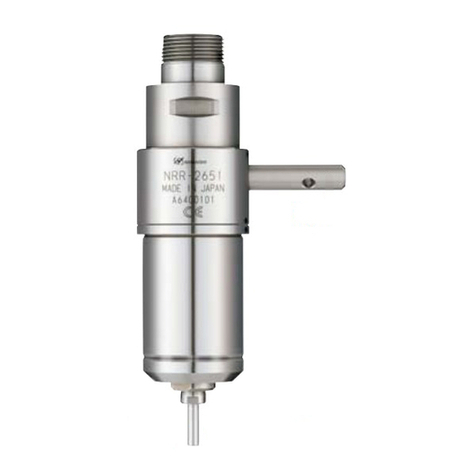
Nakanishi NRR-2651 User manual

Nakanishi

Nakanishi NRR-2651 User manual

Nakanishi NR3060-AQC User manual

Nakanishi

Nakanishi NR3060-AQC User manual

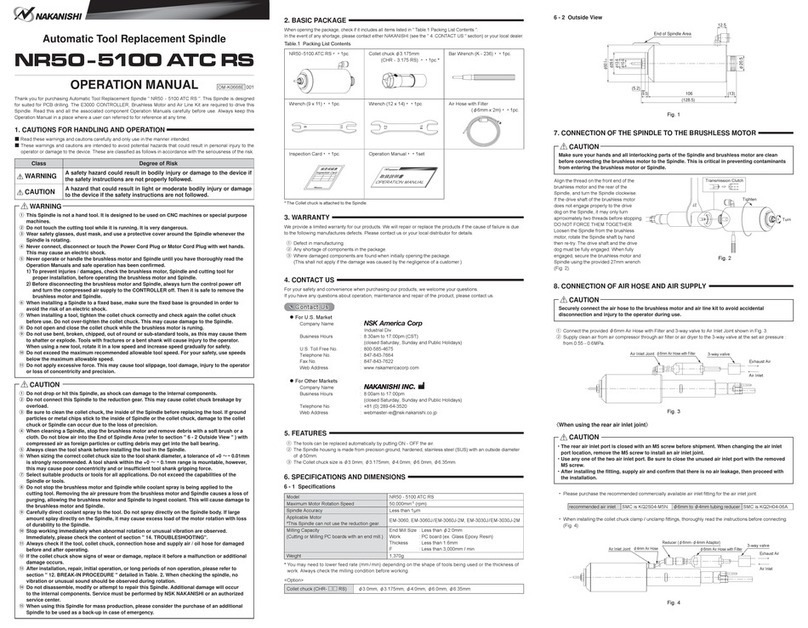
Nakanishi NR50 -5100 ATC RS User manual

Nakanishi

Nakanishi NR50 -5100 ATC RS User manual

Nakanishi NRR3060-QC User manual

Nakanishi

Nakanishi NRR3060-QC User manual

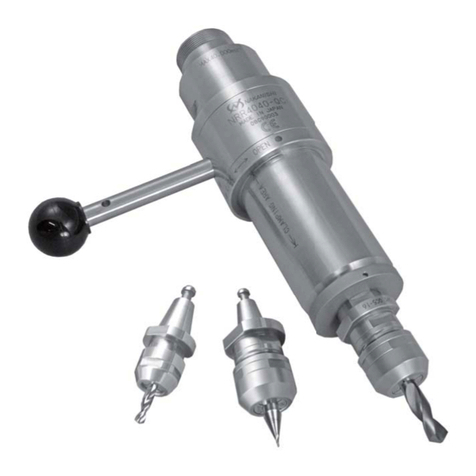
Nakanishi NRR4040-QC User manual

Nakanishi

Nakanishi NRR4040-QC User manual

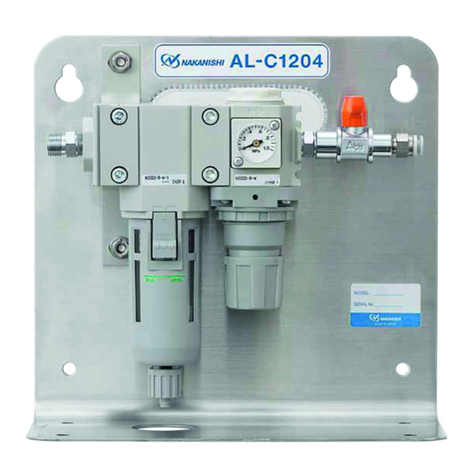
Nakanishi AL-C1204 User manual

Nakanishi

Nakanishi AL-C1204 User manual

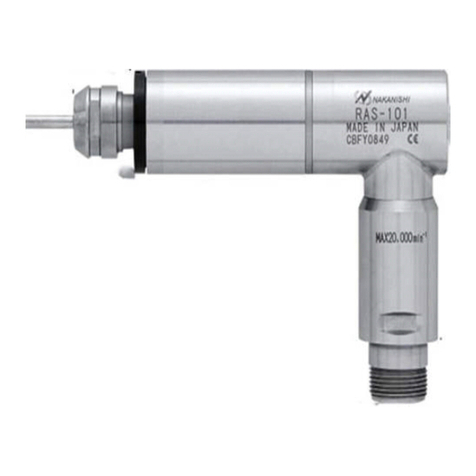
Nakanishi RAS-101 User manual

Nakanishi

Nakanishi RAS-101 User manual

Popular Industrial Equipment manuals by other brands

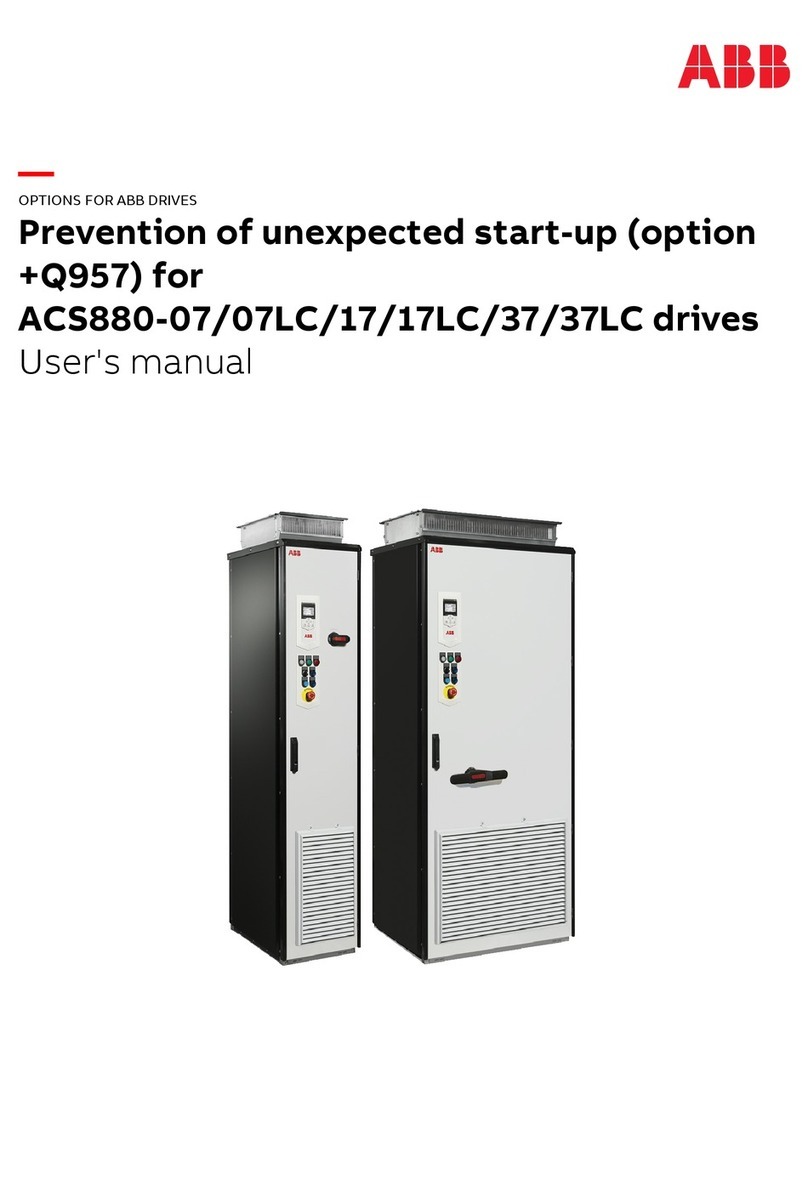
ABB +Q957 user manual

ABB

ABB +Q957 user manual

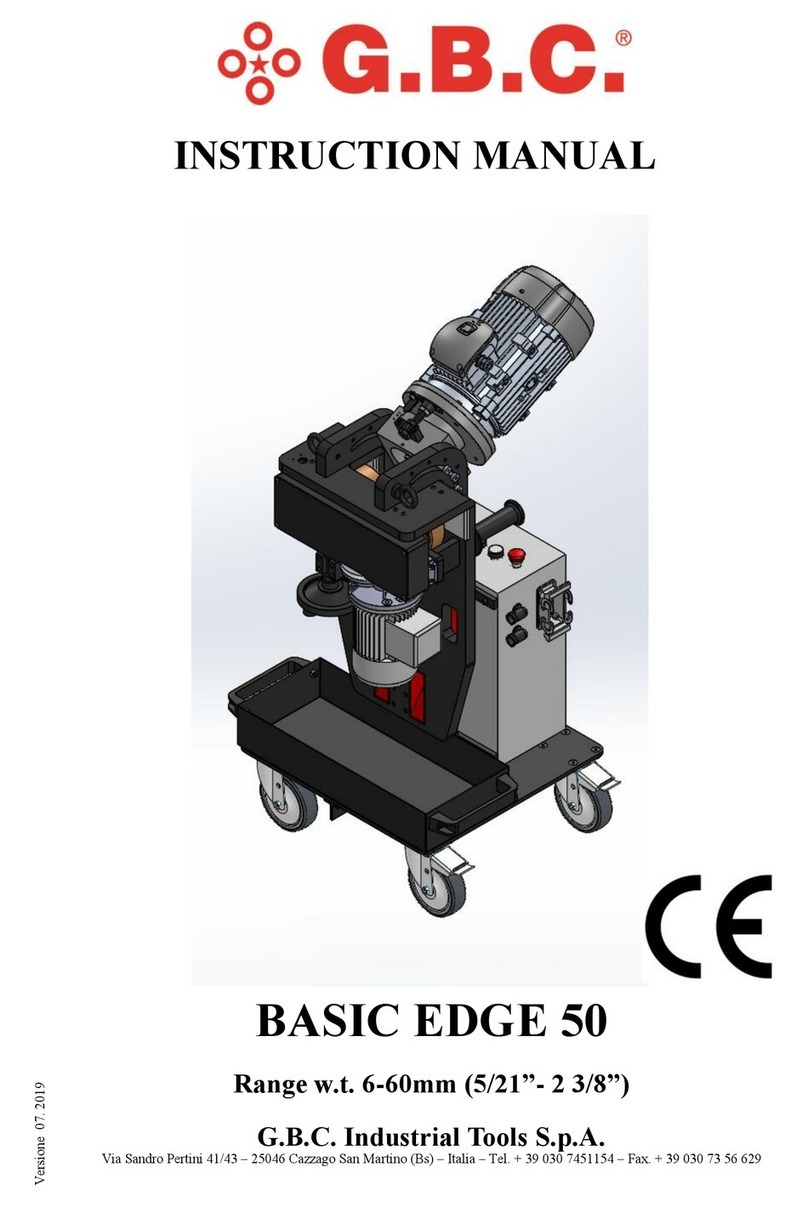
G.B.C BASIC EDGE 50 instruction manual

G.B.C

G.B.C BASIC EDGE 50 instruction manual

Tronair Batpak 11-6602-1000 Operation & service manual

Tronair

Tronair Batpak 11-6602-1000 Operation & service manual

Pilz PNOZ mi2p Operation manual

Pilz

Pilz PNOZ mi2p Operation manual

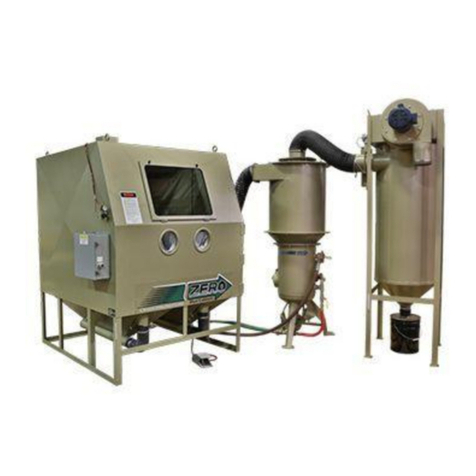
Clemco Zero BNP 6012 manual

Clemco

Clemco Zero BNP 6012 manual

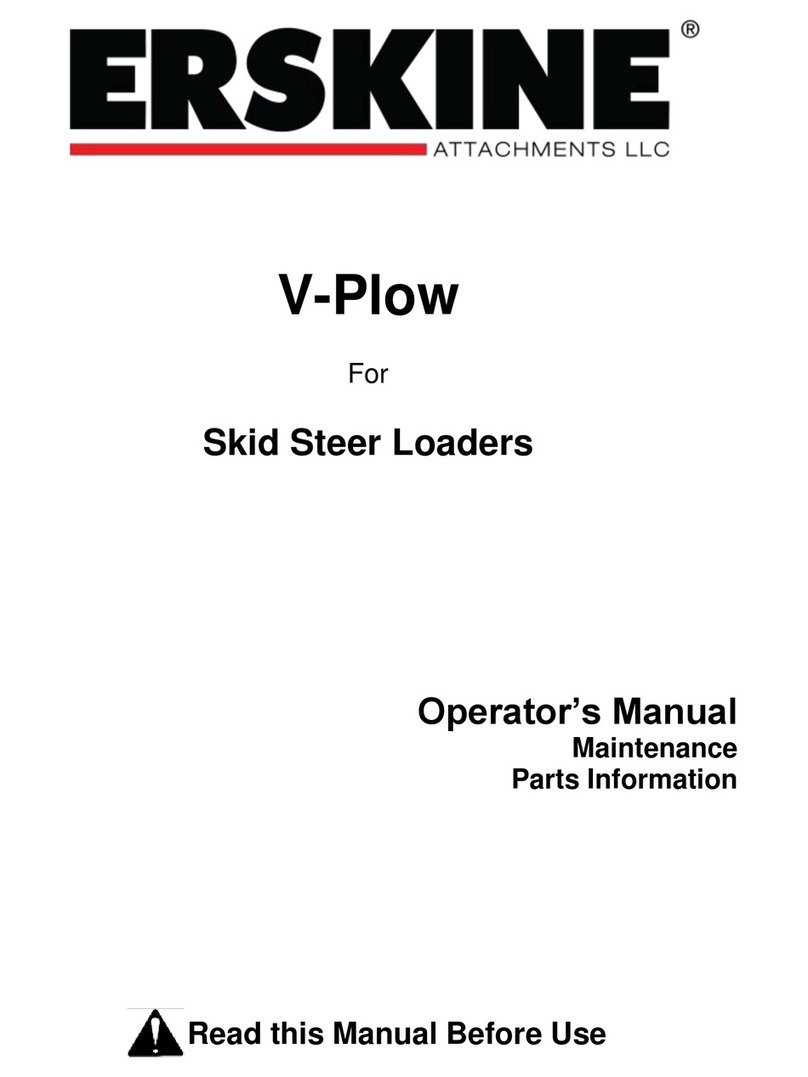
Erskine Attachments V-Plow Operator's manual

Erskine Attachments

Erskine Attachments V-Plow Operator's manual

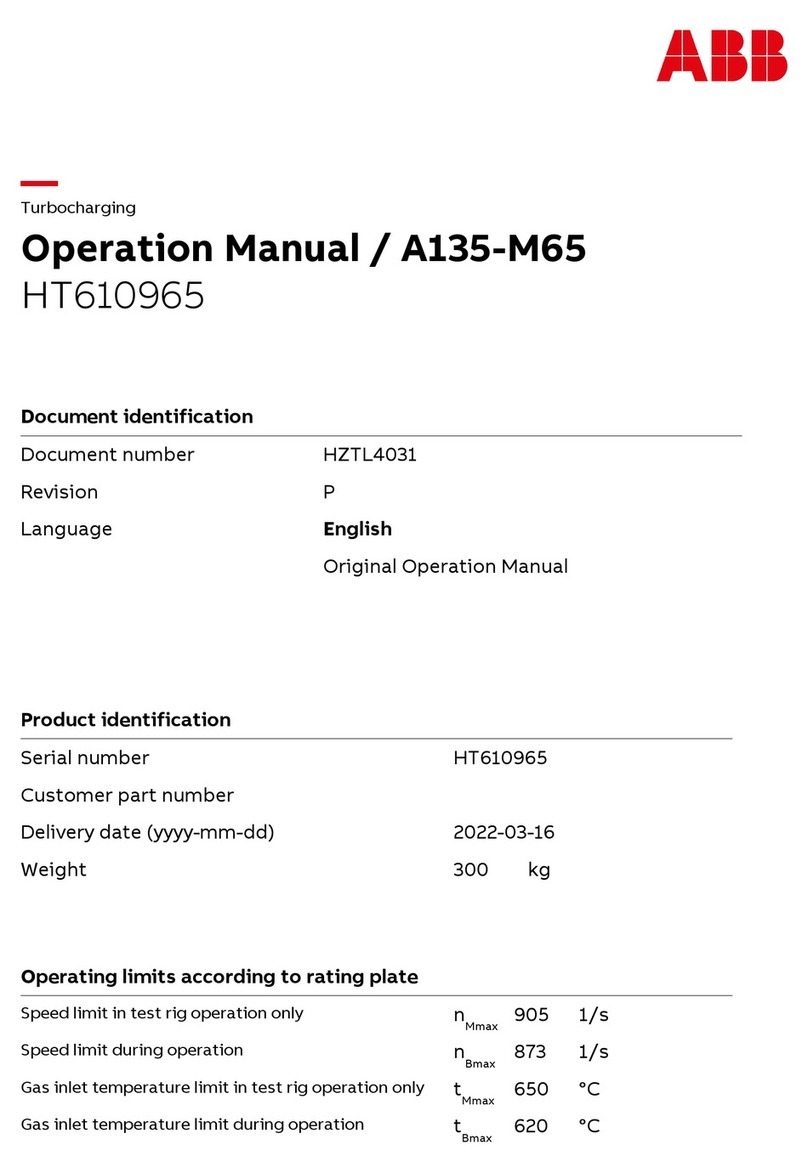
ABB HT610965 Operation manual

ABB

ABB HT610965 Operation manual

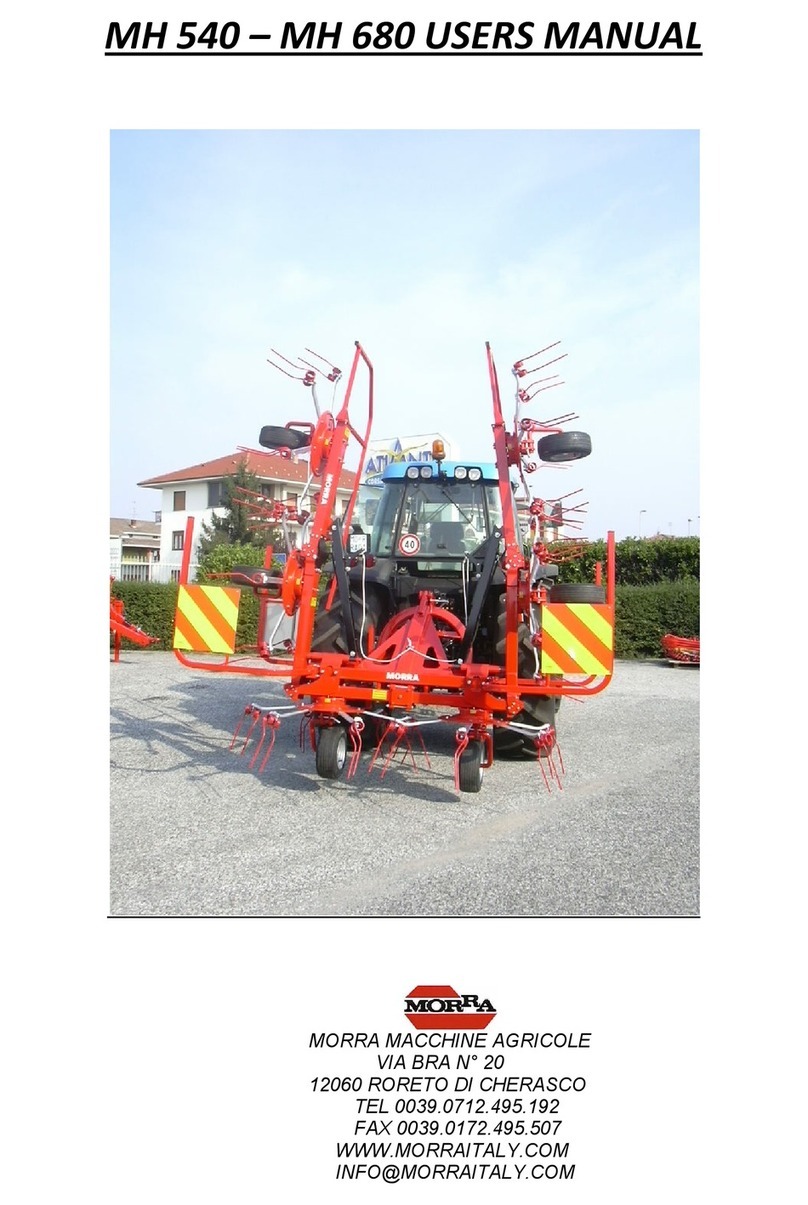
Morra MH 540 user manual

Morra

Morra MH 540 user manual

Eaton S090ST manual

Eaton

Eaton S090ST manual

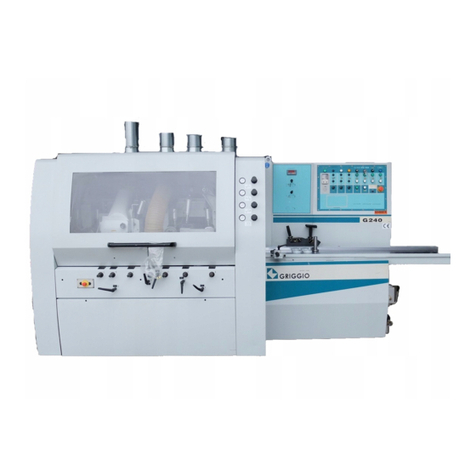
GRIGGIO G 240 P4 instructions

GRIGGIO

GRIGGIO G 240 P4 instructions

Nexen AIR CHAMP HT45 user manual

Nexen

Nexen AIR CHAMP HT45 user manual

WTE V5 installation manual

WTE

WTE V5 installation manual

ABB HT845232 Operation manual

ABB

ABB HT845232 Operation manual

SMC Networks CJP Series Operation manual

SMC Networks

SMC Networks CJP Series Operation manual

JohnDow Industries JDI-AFT58 Operator's manual

JohnDow Industries

JohnDow Industries JDI-AFT58 Operator's manual

IMB MB9016A instruction manual
IMB

IMB MB9016A instruction manual

Clarke CUMB1 Assembly & operating instructions

Clarke

Clarke CUMB1 Assembly & operating instructions

amiad Arkal Spin Klin 2 user guide

amiad

amiad Arkal Spin Klin 2 user guide

manuals.online logo
manuals.online logoBrands
  • About & Mission
  • Contact us
  • Privacy Policy
  • Terms and Conditions

Copyright 2025 Manuals.Online. All Rights Reserved.

OPERATION MANUAL
RA
-
100
90°Angle Spindle
001
Thank you for purchasing 90°Angle Spindle RA - 100. This spindle is designed for use in corners, ID bores,
drilling and milling on the side of the workpiece and other areas that are difficult to work with a straight
type spindle. The E2530 <Control Unit>, <Electric Motor> or <Air Motor> and <Air Line Kit with Lubricator
combination> are rquired to drive this spindle. Read this Operation Manual carefully before use. Also read
E2530 <Control Unit>, <Electric Motor> or <Air Motor> and <Air Line Kit> Operation Manual.
OM-K0047E
Model RA - 100
Maximum rotating
speed at the tool
For Air Motor
2,870min-1
For Electric Motor
7,490min-1
Maximun Motor
Rotation Speed
For Air Motor
7,650min-1
For Electric Motor
20,000min-1
Applicable Motor
For Air Motor
AM - 300R / L, AM - 300RA / LA, AM - 310R / Lm, AM - 310RA / LA
For Electric Motor
EM25 - 5000 - 4M / 5M / 8M, EM25 - 5000 - J4 / J5 / J8
Reduction Ratio 1 / 2.67
Standard Collet Chuck (CH8- 3.0) ȭ3.0mm (For U.S. market ȭ3.175mm (CH8 - 3.175))
Weight 271g
Standard Accessories
・Collet Chuck ȭ3.0mm (CH8 - 3.0) or ȭ3.175mm (CH8 - 3.175 )・・・1pc.
(For U.S. market ȭ3.175mm (CH8-3.175))
・Wrench (7 ×5.5)・・1 pcs.
・Wrench (20 ×24)・・1 pc.
・Wrench (8 ×5)・・1 pcs.
・Operation Manual・・1 set.
※The collet chuck is attached to the spindle.
3 - 2 Outside View
Align the threads on the front end of the reducer
and the rear end of the spindle, and turn the spindle
clockwise. If the drive shaft of the reducer does not
engage the drive dog on the spindle, the spindle could
not be turned. DO NOT FORCE. Turn the spindle
back a few threads, rotate the tool by hand to engage
the drive shaft and the drive dog, and make the nal
turns with provided 20mm wrench. (Fig. 2)
Fig. 1
Fig. 2
①Set the provided 8mm wrench on the spindle.
②Place the provided 5.5mm wrench on the collet
chuck and turn it counterclockwise to loosen the
collet chuck and remove the tool.
③Clean the collet chuck, then insert the new tool
and tighten the collet chuck by turning clockwise.
Do not over-tighten. (Recommended tightening
torque : 3N・m)
Fig. 3
Fig. 4
①
Remove the tool according to the section " 5.
CHANGING THE TOOL" procedure above. (Fig. 3)
②Place the provided 8mm wrench on the spindle
shaft, and turn the top of the collet chuck
counterclockwise to remove the collet chuck.
(Fig. 4)
③Install the new collet chuck into the spindle by
turning it clockwise.
①This spindle is ideal for use in applications that are not possible with straight type spindles.
②The spindle housing is made from precision ground, hardened, stainless steel (SUS) with outside mounting
diameters of ȭ22.8mm.
③Various sizes of collet chucks are available CH8 0.8mm - 3.0mm. Standard collet chuck is CH8 3.0mm or CH8
3.175mm. (For U.S. market CH8 3.175mm.)
Class Degree of Risk
  WARNING
A safety hazard could result in bodily injury or damage to the device if the
safety instructions are not properly followed.
  CAUTION A hazard that could result in light or moderate bodily injury or damage
to the device if the safety instructions are not followed.
1. CAUTIONS FOR HANDLING AND OPERATION
■Read these warnings and cautions carefully and only use in the manner intended.
■These warnings and cautions are intended to avoid potential hazards that could result in personal injury or
damage to the device. These are classied as follows in accordance with the seriousness of the risk.
WARNING
①This spindle is not a hand tool. It is designed to be used on CNC machines or special purpose
machines.
②Do not touch the cutting tool while it is running. It is very dangerous.
③
Wear safety glasses, dust mask and use a protective cover around the spindle whenever the
spindle is rotating.
④Never connect, disconnect or touch the Power Cord Plug and Motor Cord Connector with wet
hands. This may cause an electric shock.
⑤
Never operate or handle the spindle until you have thoroughly read the owner's manual and safe
operation has been conrmed.
1)
To prevent injuries / damages, check the spindle and cutting tool for proper installation,
before operating the spindle.
2) Before disconnecting the spindle, always turn the control power off and turn the compressed
air supply to the control unit off. Then it is safe to remove the spindle.
⑥When installing a tool, tighten the collet chuck correctly and check again the collet chuck
before use. Do not over - tighten the collet chuck. This may cause damage to the spindle.
⑦Do not use bent, broken, chipped, out of round or sub-standard tools as they may cause
shatter or explode. Tool with fractures or a bent shank will cause injury to the operator. When
using a new tool, rotate it in a low speed and increase speed gradually for safety.
⑧Do not exceed the maximum recommended allowable tool speed. For your safety, use speeds
below the maximum allowable speed.
⑨Do not apply excessive force. This may cause tool slippage, tool damage, injury to the operator
or loss of concentricity and precision.
①Do not exceed the maximum allowable motor speed 20,000min-1.
②The speed reducer is always used to connect between the air motor AM - 300 AM - 310 and
this spindle.
③Do not drop or hit this spindle, as shock can damage to the internal components.
④Be sure to clean the collet chuck, the inside of the spindle before replacing the tool. If ground
particles or metal chips stick to the inside of spindle or the collet chuck, damage to the collet
chuck or spindle can occur due to the loss of precision.
⑤When cleaning a spindle, stop the motor and remove debris with a soft brush or a cloth. Do
not blow air into the spindle with compressed air as foreign particles or cutting debris may
get into the ball bearing.
⑥
Always clean the tool shank before installing the tool in the spindle.
⑦When sizing the correct collet chuck size to the tool shank diameter, a tolerance of + 0 〜
-
0.01mm is strongly recommended. A tool shank within the + 0〜
-
0.1mm range is mountable,
however, this may cause poor concentricity and or insufcient tool shank gripping force.
⑧Select suitable products or tools for all applications. Do not exceed the capabilities of the
spindle or tools.
⑨Carefully direct coolant spray to the tool. Do not spray directly on the spindle body.
⑩Stop working immediately when abnormal rotation or unusual vibration are observed.
Afterwards, please check the content of section " 10. TROUBLESHOOTING ".
⑪Always check if the tool, collet chuck are damaged before and after operating.
⑫If the collet chuck show signs of wear or damage, replace it before a malfunction or additional
damage occurs.
⑬After installation, repair, initial operation, or long periods of non operation, please refer to
section " 8. BREAK-IN PROCEDURE " detailed in Table 1. When checking the spindle, no
vibration or unusual sound should be observed during rotation.
⑭Do not disassemble, modify or attempt to repair this spindle. Additional damage will occur
to the internal components. Service must be performed by NSK NAKANISHI or an authorized
service center.
⑮When using this spindle for mass production, please purchase the another spindle as a spare
in case of an emergency.
CAUTION
2. FEATURES
3 - 1 Specications
3. SPECIFICATIONS AND DIMENSIONS
CAUTION
Use less than the maximum allowable motor speed 20,000min-1.
DO NOT exceed the maximun allowable motor speed 20,000min-1 for the spindle.
Always use the reducer between the air motor (AM - 300 AM - 310) and RA - 100.
Collet Chuck ( CH8- □□ )ȭ0.8mm 〜ȭ3.0mm in 0.1mm increments and ȭ2.35mm, ȭ3.175mm
Metal Saw Axis (KCH-02) For ȭ6 (I.D.) ×ȭ30mm (O.D.)
< Option >
4. CONNECTION TO THE MOTOR
CAUTION
Make sure your hands and all interlocking parts of the spindle and motor are clean before
connecting the motor to the spindle. This is critical to prevent contaminants from entering the
motor or spindle.
5. CHANGING THE TOOL
CAUTION
Do not tighten the collet chuck without inserting a tool or dummy bur as this will result in damage
to the collet chuck.
6. REPLACING THE COLLET CHUCK
81.4
20
40.15(3.2)
-0.01
0
ȭ22.8
ȭ22.8
ȭ9
20
20
Tighten
Transmission Clutch
Turn
Wrench 8mm Tool
5
8
7
5.5
Loosen
Wrench 5.5mm
Collet Chuck
Spindle Shaft
Tighten
Collet Chuck
Loosen
Wrench 8mm
8
5
Spindle Shaft
CAUTION
①When mounting a spindle, refer to the Clamping Area
etched on the spindle. (Fig. 5)
Fig. 5
Fastening Bolt Fastening Bolt
Split Type Holder Bushing with Slit
Slit
Spacer
Bushing Split
Fastening Bolt
Fig. 6
②When installing a spindle to the holder, recommended installation method is shown Fig 6. Refer to " ③How to
fabricate the Split Type Holder ". If this is not possible, install as shown in Fig. 7.
Fig. 7 Fig. 8
Do not allow set screws to come directly in contact
with the spindle body as shown in Fig. 8, as this
will result in damage to the spindle housing and
internal components.
When installing, never clamp directly over the
bearings, as this will result in bearing damage.
(Refer to Fig. 9)
Fastenig Bolt
Deformation
Damage of internal
Components
Bearing
Fig. 9
Fastening Bolt
Front View
Fastening Bolt
Spacer
Slit
Side View
Fastening Bolt
Screw for Removal
Spacer
Spacer
Screw for Removal
Fig. 10
Steps
12 3 4
Air Pressure (MPa)
For Air Motor
0.1 0.2 0.3 0.4
Rotation Speed (min-1)
For Electric Motor
5,000 10,000 15,000 20,000
Rotation Time (min)
15 10 10 15
Items to Check
No Abnormal
Noises
The spindle housing temperature during
the break-in process should not exceed
20 degrees C (36 degrees F) above
ambient temperature. Should the spindle
exceed this limit, rest the spindle for at
least 20 minutes and re-start the break
in procedure from the beginning. If the
housing temperature rises again and
exceeds 20 degrees C (36 degrees F)
above ambient temperature, check the
spindle and motor for proper installation.
The spindle
housing
temperature
during the break-
in process should
not exceed
20 degrees C
(36 degrees F)
above ambient
temperature.
Table 1.
7. INSTALLATION OF THE SPINDLE
WARNING
When installing a spindle to a xed base, make sure the xed base is grounded in order to avoid
the risk of an electric shock.
CAUTION
・When installing a spindle, do not hit, drop or cause shock to the spindle. This may cause
damage to internal components and result in malfunctions.
・When mounting the spindle, be sure to mounting within clamping area etched on the spindle. If
the spindle is installed incorrectly, this will cause and damage to the spindle.
・Cautions when tightening the securing bolt of the Split Type Holder
Do not over-tighten the bolt. This may cause damage to spindle's precision.
Tighten the bolt until the spindle body can not be turned by hand within the xture.
Extreme tightening is not necessary or recommended.
Apply working force and check that the spindle is tight before using.
③How to fabricate the Split Type Holder
(1) Roughly process (carve) the inside diameter
of the Split Type Holder.
(2) Cut a slit. (Ex. Slit 2mm)
(3) Twist the Screw for Removal and Broaden
the Slit Area.
(4) Insert spacer (ex t = 2mm) into the Slit Area.
(5) Loosen the Screw for Removal, and tighten
the fastening bolt with the specied torque.
(6) Finish the Split Type Holder so that the
inside diameter of the Split Type Holder
is ȭ22.8 with its tolerance range from
-
0.01mm to
-
0.015mm, and its roundness
and cylindricity of less than 5μm.
(7) When inserting the spindle loosen the
Fastening Bolt and twist the Screw for
Removal, and broaden the Slit Area.
CAUTION
・How to confirm the tightening standard of the holder by the clamp meter (In case of use a
electric motor)
Measure the current value of the Control Unit's power cord by the clamp meter.
Fasten the holder so that the increase in the no-load current value (during rotation at the
maximum rotation speed) with the spindle fastened is 20mA (for type 100V / 120V) / 10mA
(for type 200V / 230V) or less, compared to the no-load current value (during rotation at the
maximum rotation speed) without fastening the spindle. Do not over-tighten the Fastening Bolt.
It may damage spindle's precision and shorten the life of the bearings.
・
The nal responsibility for ensuring holder's safety for use in a given application is left to the
designer of the equipment in which NAKANISHI's spindle is installed.
NAKANISHI offers spindles with a wide variety of capabilities and specications.
Please carefully check the spindle's specifications against the requirements of your
equipment and verify suitability and safety of the Holder prior to initial use.
8. BREAK-IN PROCEDURE
During transportation, storage or installation the grease inside the bearings will settle. If the spindle is suddenly run
at high-speed excessive heat will cause bearing damage. After installation, repair, initial operation, or long periods
of non operation please follow the break-in procedure detailed in Table 1.
Table 2. Overhang and Speed
Overhang (mm) Max. Speed (min-1)
20 N x 0.5
25 N x 0.3
50 N x 0.1
※N = Max. Operating Speed with 13mm overhang. Fig. 11
3.14 x Diameter (mm) x rotation speed (min-1)
1,000 x 60
Surface Speed (m/s)
=
9. CAUTIONS WHEN USING GRINDSTONES AND TOOLS
①The proper surface speed for general grindstones is 10 -30m/s.
②Do not exceed 13mm of overhang for mounted grindstones as shown in Fig. 11. If the overhang must
exceed 13mm, reduce the motor speed in accordance with table 2.
③Dress the grindstone prior to use.
④Do not use tools with bent or broken shanks, cracks or excessive run-out.
⑤For grinding, the maximum depth of cut should not exceed 0.01mm radially or axially. Reciprocate the
tool several times after each pass to eliminate tool pressure.
⑥Always operate tools within the allowable recommended speed of the tools. Use of a tool outside of the
allowable speed of the tools could cause damage to the spindle and injury to the operator.
⑦Keep the tool shank and collet chuck clean. If contaminants are left in the collet chuck or chuck nut,
excessive run-out will cause damage to the tool and or spindle.
⑧Do not strike or disassemble the spindle.
⑨Please set the tools to minimize the overhang amount. 13mm is the maximum amount of overhang to
maintain high accuracy and safety.
13
CAUTION
The maximum surface speed or rpm is always specified for a grindstone. Do not exceed the
maximum speed with reference to the calculating chart below. Always follow the grindstone
manufacturer's recommendations.
Trouble Cause Inspection / Corrective Action
Spindle does not
rotate or rotate
smoothly.
The spindles bearings have been damaged. Replace the ball bearings.
(Return to NAKANISHI dealer service.)
The motor has been damaged. Replace the motor.
(Return to NAKANISHI dealer service.)
Overheating
during rotation.
Cutting debris has contaminated the ball
bearings, and the ball bearings are damaged.
Replace the ball bearings.
(Return to NAKANISHI dealer service.)
Low air pressure.
Check air hose connection and air pressure.
Abnormal
vibration or noise
during rotation.
The tool shank is bent. Replace the tool.
Cutting debris has contaminated the ball bearing.
Replace the ball bearings.
(Return to NAKANISHI dealer service.)
The spindles bearings have been damaged.
Tool slippage.
Collet chuck is not correctly installed. Check and clean the collet chuck.
Reinstall the collet chuck.
The collet chuck is worn. Replace the collet chuck.
High run-out.
The tool is bent. Change the tool.
Collet chuck is not correctly installed.
Secure the collet chuck correctly.
The collet chuck is worn. Replace the collet chuck.
Inside of the spindle is worn. Replace the spindle shaft.
(Return to NAKANISHI dealer service.)
Contaminants inside the collet chuck or the
spindle.
Clean the collet chuc and the inside of
the taper and spindle.
The ball bearings are worn. Replace the ball bearings.
(Return to NAKANISHI dealer service.)
10. TROUBLESHOOTING
If a problem or concern occurs, please check the following prior to consulting your dealer.
Contents are subject to change without notice.
2015.05.20 002 S
49.6
(Clamping Area)
CLAMPING AREA