EnglishDeutsch
 logo
Brands
  1. Home
  2. •
  3. Brands
  4. •
  5. PASCO
  6. •
  7. Accessories
  8. •
  9. PASCO Pasport PS-2110 User manual

PASCO Pasport PS-2110 User manual

Other PASCO Accessories manuals

PASCO PS-3219 User manual

PASCO

PASCO PS-3219 User manual

PASCO PasPort PS-2195 User manual

PASCO

PASCO PasPort PS-2195 User manual

PASCO PS-3248 User manual

PASCO

PASCO PS-3248 User manual

PASCO Pasport PS-2109 User manual

PASCO

PASCO Pasport PS-2109 User manual

PASCO CI-6537 User manual

PASCO

PASCO CI-6537 User manual

PASCO PS-3219 User manual

PASCO

PASCO PS-3219 User manual

PASCO PS-3220 User manual

PASCO

PASCO PS-3220 User manual

PASCO PS-3208 User manual

PASCO

PASCO PS-3208 User manual

PASCO PASPORT PS-2124A User manual

PASCO

PASCO PASPORT PS-2124A User manual

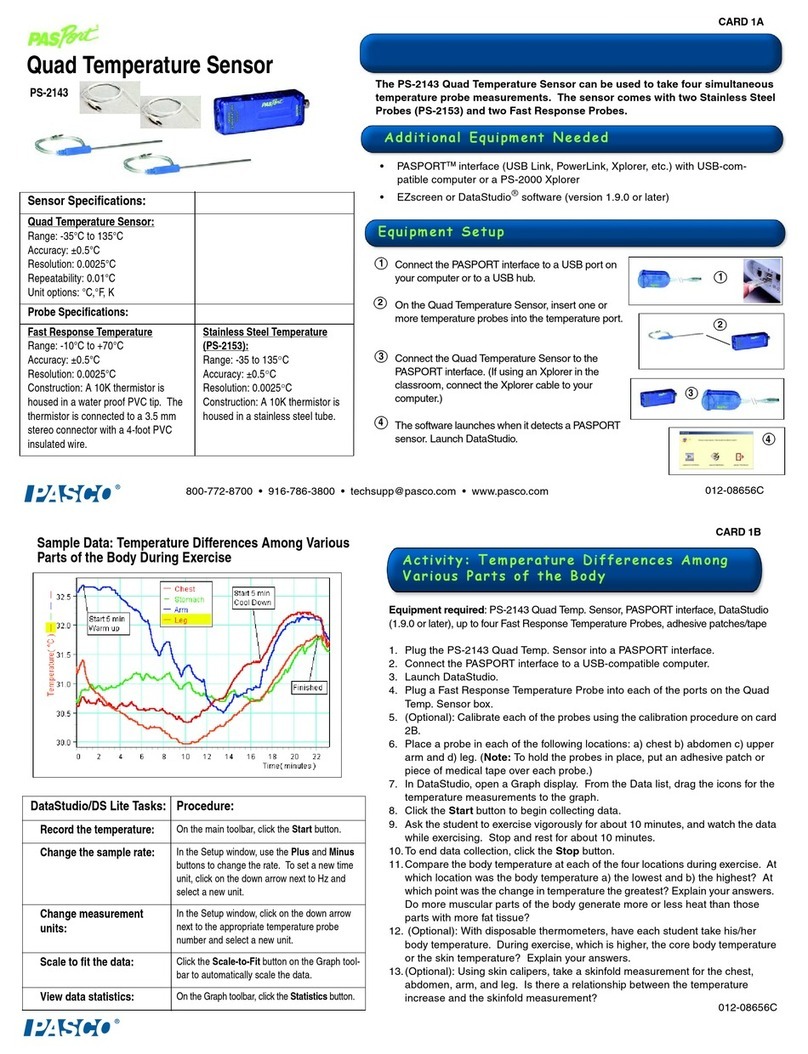
PASCO PASport PS-2143 User manual

PASCO

PASCO PASport PS-2143 User manual

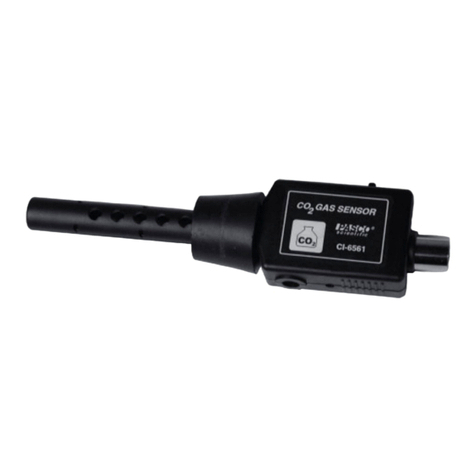
PASCO CI-6561 User manual

PASCO

PASCO CI-6561 User manual

PASCO PAS Port PS-2103A User manual

PASCO

PASCO PAS Port PS-2103A User manual

PASCO PS-3202 Guide

PASCO

PASCO PS-3202 Guide

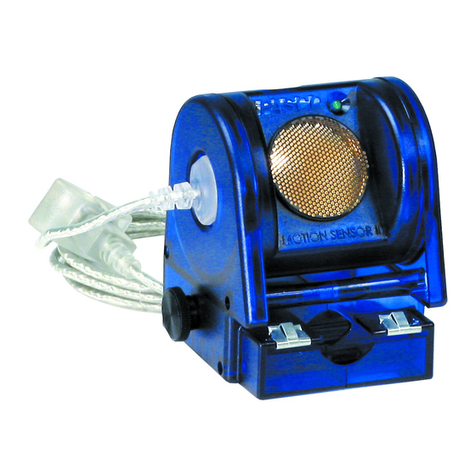
PASCO Motion Sensor II User manual

PASCO

PASCO Motion Sensor II User manual

PASCO PASPORT PS-2177 User manual

PASCO

PASCO PASPORT PS-2177 User manual

PASCO PS-3236 Guide

PASCO

PASCO PS-3236 Guide

PASCO PS-3224 User manual

PASCO

PASCO PS-3224 User manual

PASCO Pasport PS-2197 User manual

PASCO

PASCO Pasport PS-2197 User manual

PASCO PASPORT PS-2104 User manual

PASCO

PASCO PASPORT PS-2104 User manual

PASCO ME-9838 User manual

PASCO

PASCO ME-9838 User manual

PASCO PASPort PS-2129A User manual

PASCO

PASCO PASPort PS-2129A User manual

PASCO PS-3201 User manual

PASCO

PASCO PS-3201 User manual

PASCO PS-3218 User manual

PASCO

PASCO PS-3218 User manual

PASCO CI-6460 User manual

PASCO

PASCO CI-6460 User manual

Popular Accessories manuals by other brands

Hillco 2810 Operator's manual

Hillco

Hillco 2810 Operator's manual

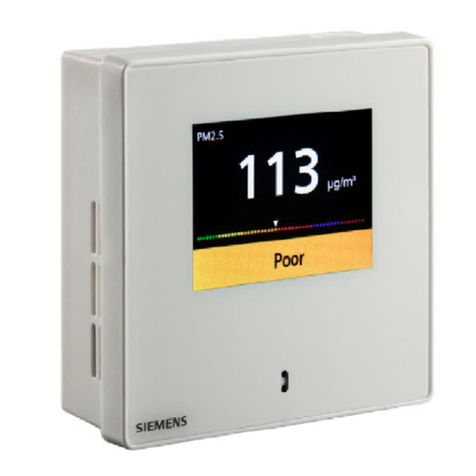
Siemens QSA2700D Basic documentation

Siemens

Siemens QSA2700D Basic documentation

Contours ZY024 manual

Contours

Contours ZY024 manual

Saivod VS621 manual

Saivod

Saivod VS621 manual

SCE ENVIRO-THERM SCE-TE170B24VSS user manual

SCE

SCE ENVIRO-THERM SCE-TE170B24VSS user manual

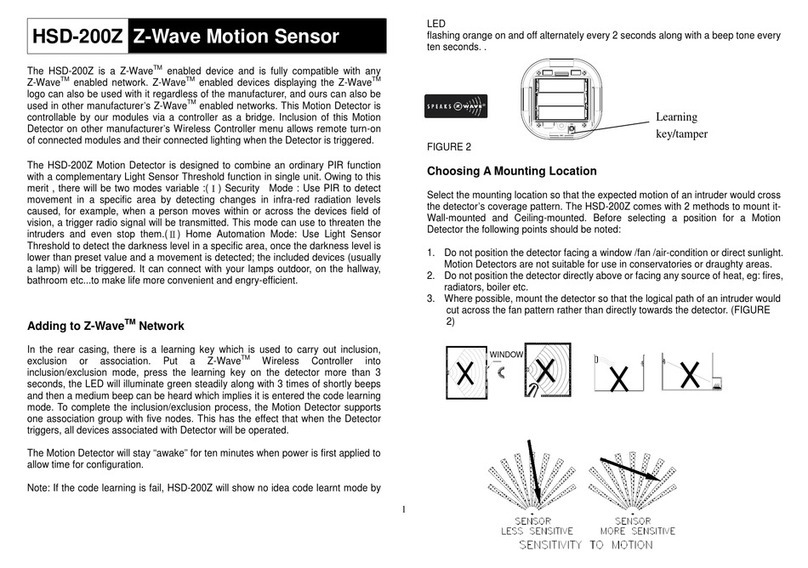
Z-Wave HSD-200Z user manual

Z-Wave

Z-Wave HSD-200Z user manual

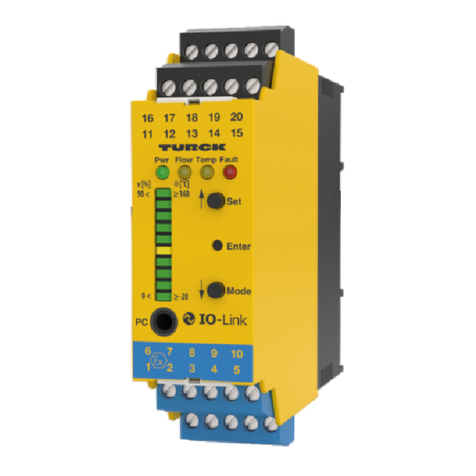
turck FMX-IM-2UPLI63FX quick start guide

turck

turck FMX-IM-2UPLI63FX quick start guide

Decagon Devices 10HS manual

Decagon Devices

Decagon Devices 10HS manual

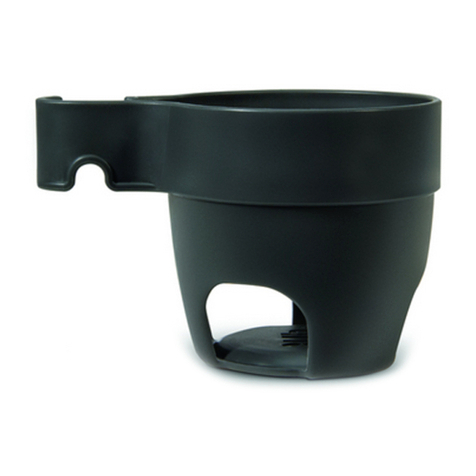
UPPAbaby Cup Holder user manual

UPPAbaby

UPPAbaby Cup Holder user manual

Elko SmartSensor Leakage Wireless manual

Elko

Elko SmartSensor Leakage Wireless manual

Grizzly H8371 instructions

Grizzly

Grizzly H8371 instructions

Panasonic HG-T Series user manual

Panasonic

Panasonic HG-T Series user manual

IFM Electronic Efector 250 Series Brief instructions

IFM Electronic

IFM Electronic Efector 250 Series Brief instructions

Virtuox VirtuCLEAN 2.0 user manual

Virtuox

Virtuox VirtuCLEAN 2.0 user manual

DigiDesign 888/24 I/O installation guide

DigiDesign

DigiDesign 888/24 I/O installation guide

PROZIS QUAY user manual

PROZIS

PROZIS QUAY user manual

patagonia PSI Vest user manual

patagonia

patagonia PSI Vest user manual

SFC Energy EFOY GO! manual

SFC Energy

SFC Energy EFOY GO! manual

https://manuals.online logo
https://manuals.online logoBrands
  • About & Mission
  • Contact us
  • Privacy Policy
  • Terms and Conditions

Copyright 2026 Manuals.Online. All Rights Reserved.

Instruction Sheet
012-14330C
Carbon Dioxide Gas Sensor
PS-2110
.
*See the PASCO catalog or the PASCO web site at www.pasco.com
for more information.
Introduction
The PS-2110 Carbon Dioxide Gas Sensor measures carbon
dioxide gas concentration in parts per million in gases such
as air. The sensor is designed only for educational purposes
and is not intended for environmental compliance studies.
The sensor is designed to work with a PASPORT-compatible
interface (such as the PS-2100 USB Link) and PASCO data
collection software (such as PASCO Capstone or
SPARKvue) to measure carbon dioxide gas concentration.
The sensor includes a sensor extension cable, a 250 mL clear
plastic sampling bottle, and a stopper that fits over the sen-
sor’s probe.
Setup the Carbon Dioxide Gas Sensor
• Plug the Carbon Dioxide Gas Sensor into a PASPORT
input port of a PASCO interface.
Rubber
Stopper
Threaded
Hole
Calibration
Button
Sampling
Bottle Sensor
Extension
Cable
Probe
Included Items
Carbon Dioxide Gas Sensor
Sampling Bottle, Clear, 250 mL
Sensor Extension Cable (PS-2500)
Rubber Stopper
Required Items*
PASCO Interface
PASCO Data Collection Software
Carbon Dioxide Gas Sensor Introduction
2012-14330C
NOTE: If more distance is needed between the sensor and
the interface, plug the sensor into the included Extension
Cable, and then plug the cable into the interface.
• Insert the sensor probe into the gas sample. Allow 90
seconds for the sensor to warm up with the probe tem-
perature between 20° and 30° C.
• Start the PASCO data collection software.
Using the PASCO Data Collection Software
• Set up a data display (such as a Digits or Graph display)
in the software.
• In PASCO Capstone, click one of the display templates
in the workbook page, or double-click an icon in the
“Displays” palette to open a data display.
• In the SPARKvue sensor parameter screen, touch ‘CO2
Concentration’ to highlight it, and then touch ‘Show’ to
open a Graph display.
• Click “Record” (in Capstone) or touch ‘Start’ in
SPARKvue to begin recording data.
CAUTION:
The sensor was not designed for use in liquids, dusty or
windy environments, or in direct sunlight. Do not place the
sensor in liquid samples such as water or beverages as this
will permanently damage the sensor. Using the sensor in
dusty or windy environments or in direct sunlight may cause
anomalous readings. The operating temperature range is
between 20° and 30°C.
NOTE: Do not try to remove the probe from the sensor. It is
not removable.
STORAGE:
Always store the sensor in the plastic zip-lock bag to mini-
mize distorted sensor readings due to dust and dirt.
Collecting CO2Samples
Use the sampling bottle to collect air samples, such as an
atmospheric sample or the carbon dioxide gas produced from
germinating seeds.
To collect an atmospheric sample
Keep the bottle upright and the neck
open (without the stopper). Wait long
enough to allow atmospheric air to fill
the bottle. Insert the probe with the
stopper into the neck of the bottle. Be
sure that the stopper fits snugly into the
neck of the bottle.
To collect expired air or other
gas samples
Collect the sample in a plastic bag and
clamp the bag closed. To take a read-
ing, open the bag and immediately
place it over the probe and stopper, holding the bag tightly
around the stopper.
Sensor Calibration
Because the sensor is
factory calibrated, cali-
bration is not required
for most activities.
However, the sensor’s
characteristics may
change over time. To
restore the sensor to its
factory-calibrated
state, perform the cali-
bration using a fresh air sample.
(NOTE: Refer to the User’s Guide and On-Line Help for the
data collection software.)
• Collect a sample of fresh air (400 to 450 ppm CO2).
• Insert the probe with stopper into the upright sampling
bottle. Be sure that the stopper fits snugly into the neck
of the bottle.
• Connect the sensor to a PASPORT-compatible interface.
Set up a digits displayand start recording data. Wait at
least 90 seconds for the reading to stabilize.
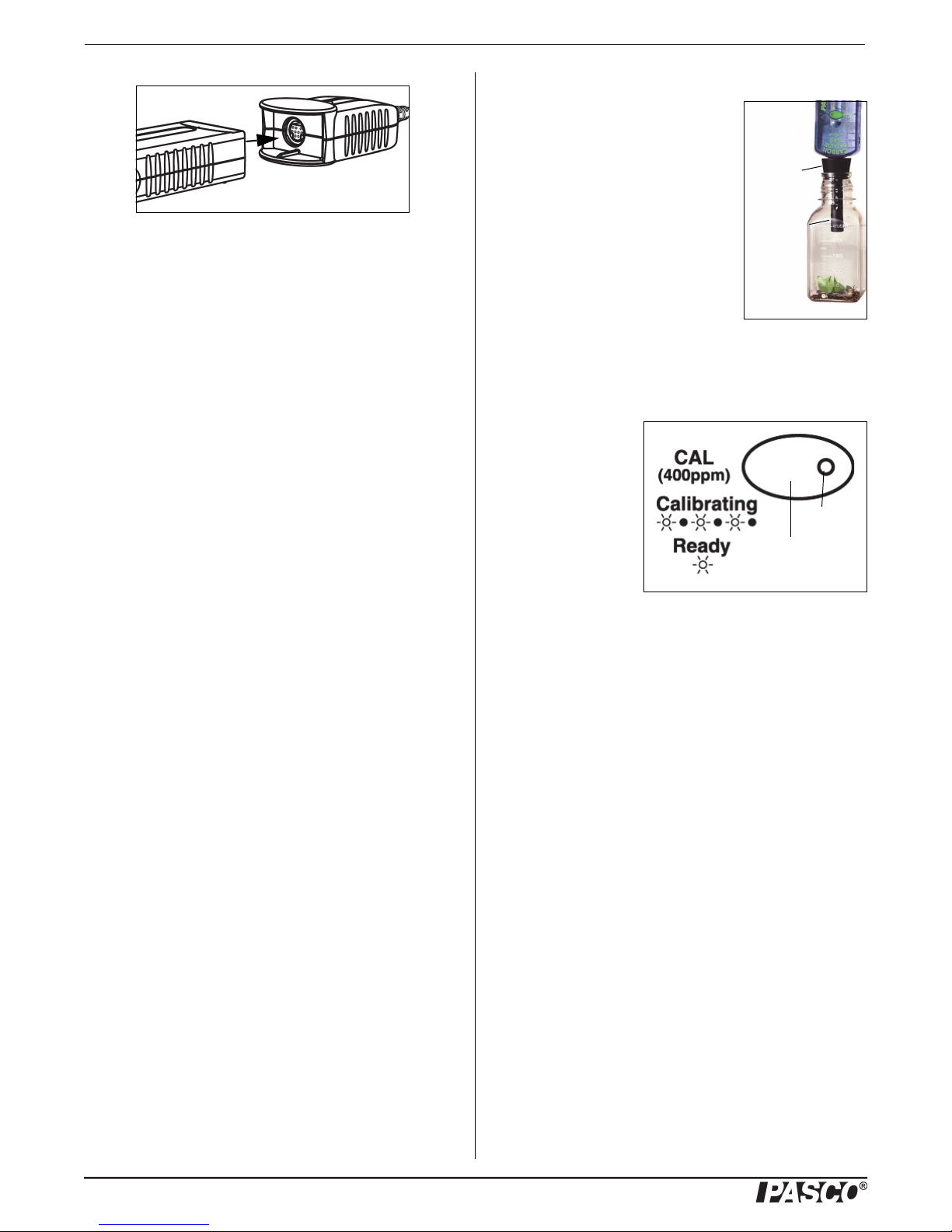
• Press the Calibrate button (CAL) for 3 seconds and then
release it. The green light emitting diode (LED) will
start blinking once per second to indicate that calibration
has begun.
• Wait approximately two minutes. When the green LED
stops blinking, calibration is finished.
• Check that the reading in the data acquisition software is
400 ppm ±50 ppm (parts per million).
Suggested Activities
Cellular Respiration of Peas
• Put 1/4 cup of dry pea seeds in the sampling bottle.
Insert the probe and stopper into the neck of the bottle.
• Connect the sensor to a PASPORT-compatible interface
and start the data collection software.

Sensor
Interface
stopper
probe
LED
Calibration
Button
Model No.PS-2110 Technical Support
3
• Record data for about 10 minutes; this is the baseline
reading before germination.
• Disconnect the sensor from the interface and remove the
probe from the sampling bottle.
• Moisten the pea seeds with a few teaspoons of water.
Place a dark cloth over the bottle and allow the peas to
germinate overnight.
• Reconnect the sensor and put the probe and stopper back
into the neck of the bottle. Do not let the probe or sensor
get wet.
• Record data for about 10 minutes, and compare the car-
bon dioxide concentration after germination to the con-
centration before germination.
• Try the experiment with germinated pea seeds at differ-
ent temperatures.
Other Activities
• Plant Respiration versus Photosynthesis
• Cellular Respiration
• Animal Respiration
• Air Quality Evaluations
• Sublimation of Solid CO2(dry ice)
• Rate of CO2 Generation in Chemical Reactions
• Decomposition Rate of Organic Materials in Soils
• Measurement of Carbon Dioxide Concentration from
Various Sources
More Information
For the latest information about the Carbon Dioxide Gas
Sensor, visit the PASCO web site at www.pasco.com and
enter “PS-2110” in the Search window.
Specifications
Technical Support
For assistance with any PASCO product, contact PASCO at:
Limited Warranty For a description of the product warranty, see the
PASCO catalog. Copyright The PASCO scientific Instruction Sheet
is copyrighted with all rights reserved. Permission is granted to
non-profit educational institutions for reproduction of any part of this
manual, providing the reproductions are used only in their laborato-
ries and classrooms, and are not sold for profit. Reproduction under
any other circumstances, without the written consent of PASCO sci-
entific, is prohibited. Trademarks PASCO, PASCO Capstone,
PASPORT, and SPARKvue are trademarks or registered trademarks
of PASCO scientific, in the United States and/or in other countries.
For more information visit www.pasco.com/legal.
Product End of Life Disposal Instructions:
This electronic product is subject to disposal and recycling
regulations that vary by country and region. It is your
responsibility to recycle your electronic equipment per your
local environmental laws and regulations to ensure that it
will be recycled in a manner that protects human health and
the environment. To find out where you can drop off your
waste equipment for recycling, please contact your local
waste recycle/disposal service, or the place where you pur-
chased the product.
The European Union WEEE (Waste Elec-
tronic and Electrical Equipment) symbol
(to the right) and on the product or its
packaging indicates that this product must
not be disposed of in a standard waste con-
tainer.
Item Value
Range: ±0 to 300,000 ppm
Accuracy: 0 to 50,000 ppm: 100 ppm or
10% of value, whichever is
greater
10,000 to 50,000 ppm: 20%
of value
Over 50,000 ppm: qualitative
only
Resolution 1 ppm
Operating Temperature +20° to +30°C
Relative Humidity 5 to 95% non-condensing
Repeatability ±50 ppm or 5% of value,
whichever is greater
Address: PASCO scientific
10101 Foothills Blvd.
Roseville, CA 95747-7100
Phone: +1 916-462-8384 (worldwide)
877-373-0300 (U.S.)
E-mail: [email protected]
Web www.pasco.com