manuals.online logo
Brands
  1. Home
  2. •
  3. Brands
  4. •
  5. phase II+
  6. •
  7. Test Equipment
  8. •
  9. phase II+ 900-398 User manual

phase II+ 900-398 User manual

Other phase II+ Test Equipment manuals
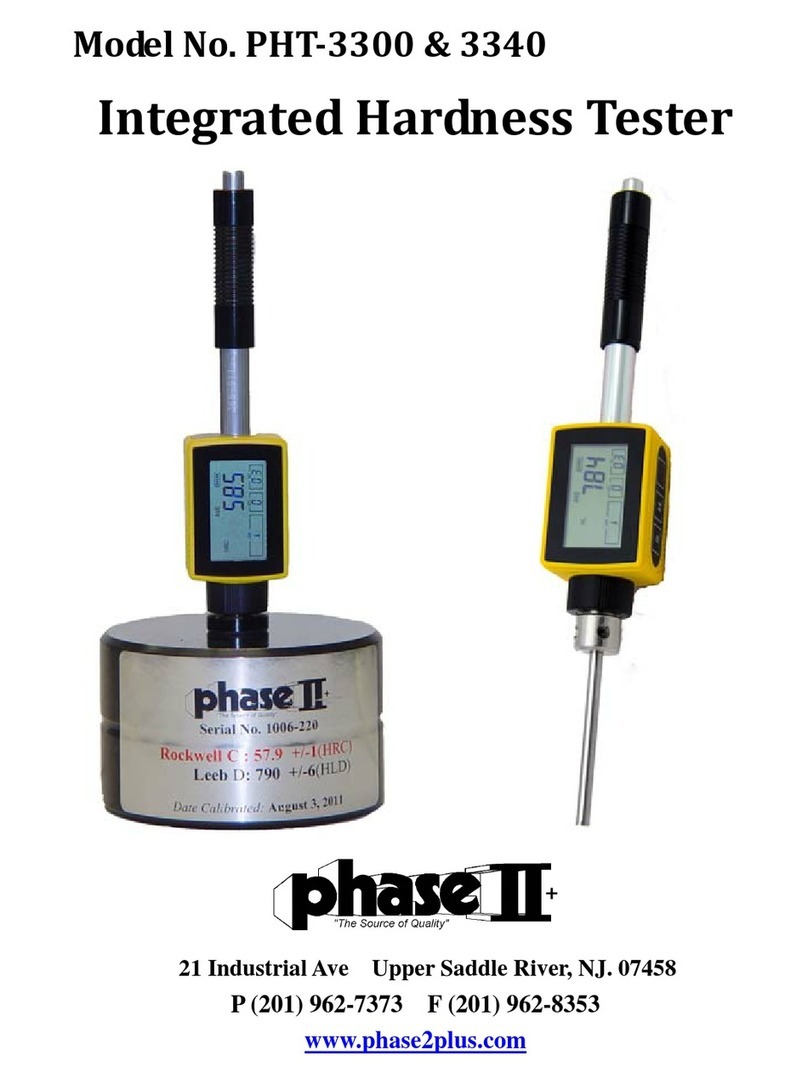
phase II+ PHT-3300 User manual

phase II+

phase II+ PHT-3300 User manual

phase II+ DVM-1000 User manual

phase II+

phase II+ DVM-1000 User manual
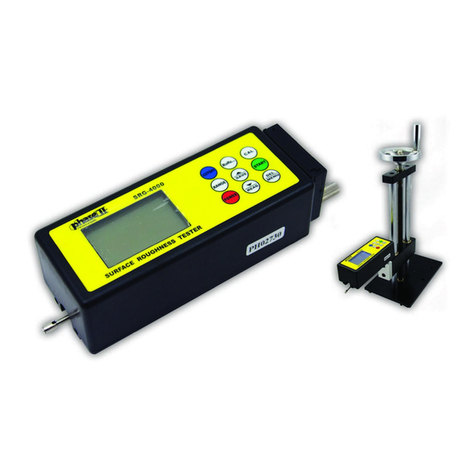
phase II+ SRG-4000 User manual

phase II+

phase II+ SRG-4000 User manual

phase II+ SRG 2200 User manual

phase II+

phase II+ SRG 2200 User manual

phase II+ MET-U1A User manual

phase II+

phase II+ MET-U1A User manual
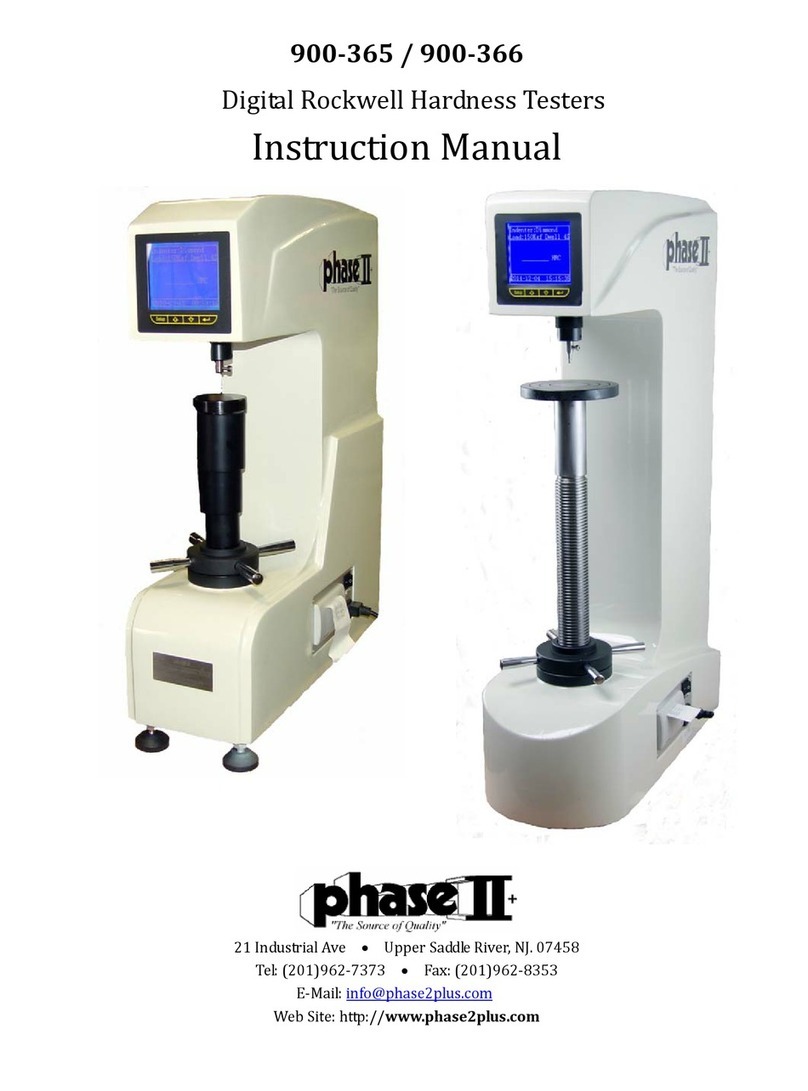
phase II+ 900-365 User manual

phase II+

phase II+ 900-365 User manual
phase II+ SRG-2000 User manual

phase II+

phase II+ SRG-2000 User manual
phase II+ PHT-1800 User manual

phase II+

phase II+ PHT-1800 User manual
phase II+ 900-345 User manual

phase II+

phase II+ 900-345 User manual

phase II+ PHT-1800 User manual

phase II+

phase II+ PHT-1800 User manual
phase II+ 900-385 User manual

phase II+

phase II+ 900-385 User manual

phase II+ PHT-5000 User manual

phase II+

phase II+ PHT-5000 User manual

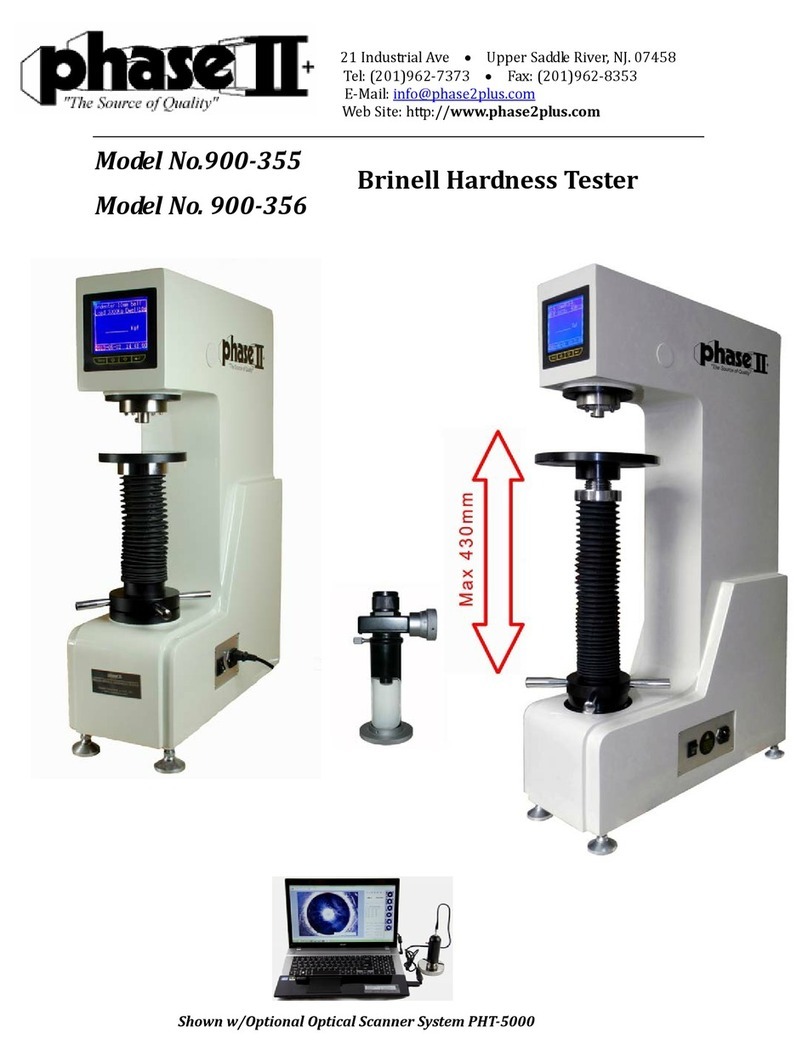
phase II+ 900-356 User manual

phase II+

phase II+ 900-356 User manual

Popular Test Equipment manuals by other brands
Ambit P.F. Series instruction manual

Ambit

Ambit P.F. Series instruction manual

Megger BMM500 Series user guide

Megger

Megger BMM500 Series user guide

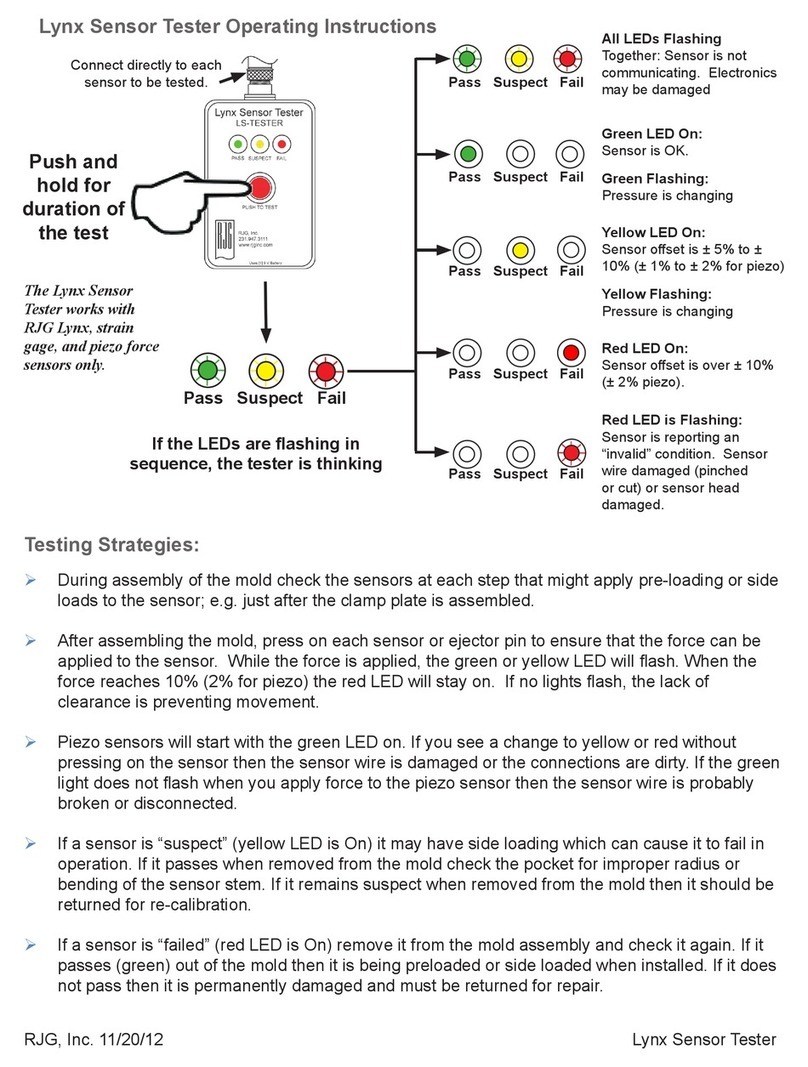
RJG Lynx Sensor Tester operating instructions

RJG

RJG Lynx Sensor Tester operating instructions

Mark-10 TT02 Series user guide

Mark-10

Mark-10 TT02 Series user guide

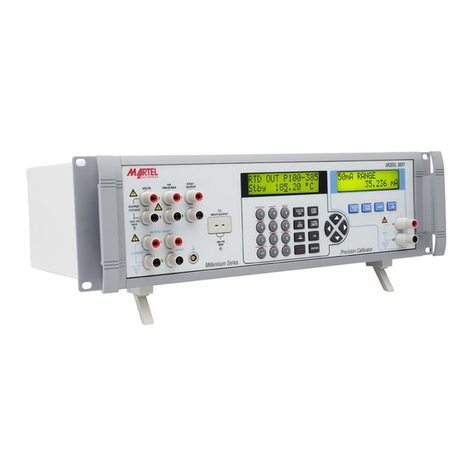
Martel 3001 Operator's manual

Martel

Martel 3001 Operator's manual

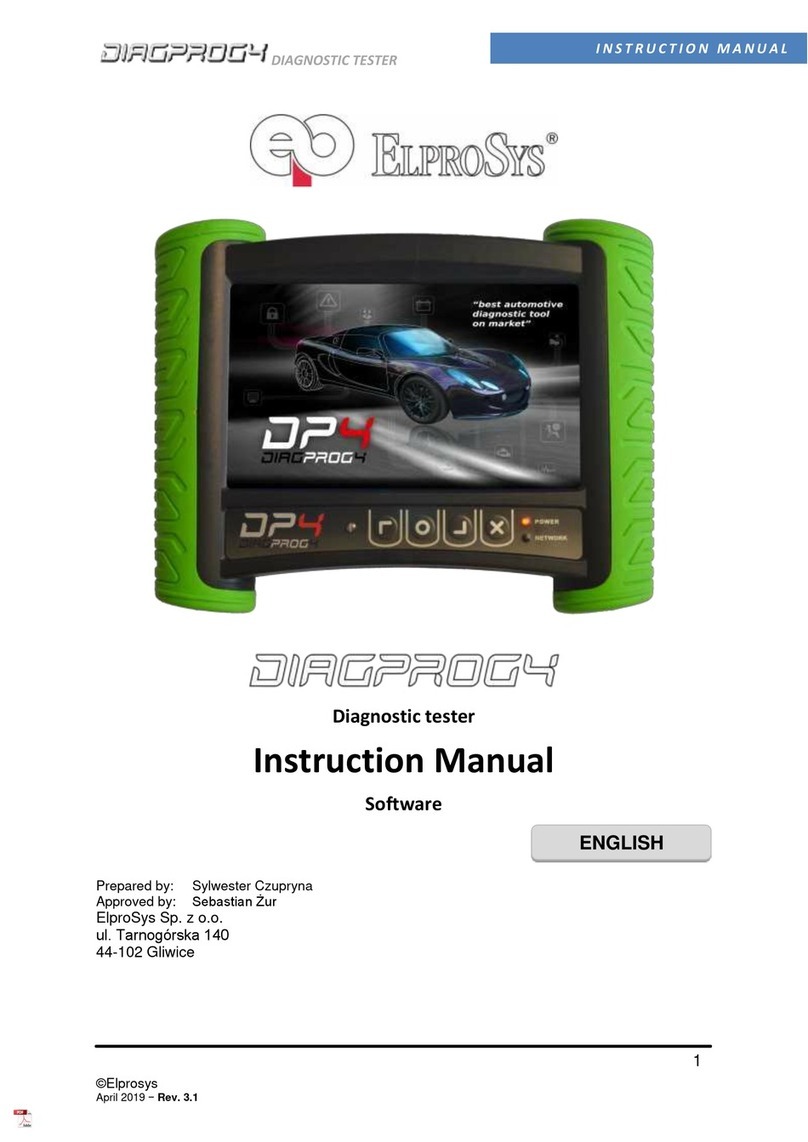
ElproSys DiagProg4 instruction manual

ElproSys

ElproSys DiagProg4 instruction manual

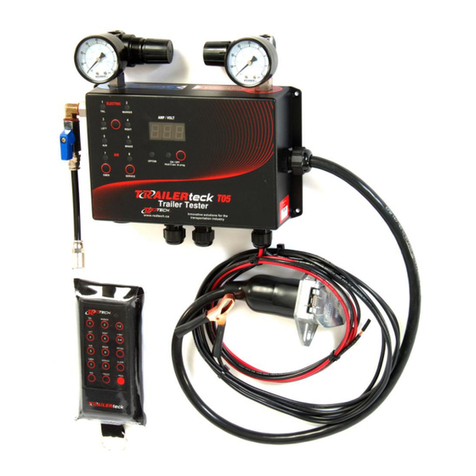
Redtech TRAILERteck T05 user manual

Redtech

Redtech TRAILERteck T05 user manual
Venmar AVS Constructo 1.0 HRV user guide

Venmar

Venmar AVS Constructo 1.0 HRV user guide

Test Instrument Solutions SafetyPAT operating manual

Test Instrument Solutions

Test Instrument Solutions SafetyPAT operating manual

Hanna Instruments HI 38078 instruction manual
Hanna Instruments

Hanna Instruments HI 38078 instruction manual

Kistler 5495C Series instruction manual
Kistler

Kistler 5495C Series instruction manual

Waygate Technologies DM5E Basic quick start guide
Waygate Technologies

Waygate Technologies DM5E Basic quick start guide

StoneL DeviceNet CK464002A manual

StoneL

StoneL DeviceNet CK464002A manual

Seica RAPID 220 Site preparation guide

Seica

Seica RAPID 220 Site preparation guide

Kingfisher KI7400 Series Training manual
Kingfisher

Kingfisher KI7400 Series Training manual

Kurth Electronic CCTS-03 operating manual
Kurth Electronic

Kurth Electronic CCTS-03 operating manual

SMART KANAAD SBT XTREME 3G Series user manual

SMART

SMART KANAAD SBT XTREME 3G Series user manual

Agilent Technologies BERT Serial Getting started

Agilent Technologies

Agilent Technologies BERT Serial Getting started

manuals.online logo
manuals.online logoBrands
  • About & Mission
  • Contact us
  • Privacy Policy
  • Terms and Conditions

Copyright 2025 Manuals.Online. All Rights Reserved.

Tech Support
1
MacroVickersModelNo.900‐398
HardnessTester
+
99 Washington Street
Melrose, MA 02176
Phone 781-665-1400
Toll Free 1-800-517-8431
Visit us at www.TestEquipmentDepot.com
Tech Support
2
MacroVickersModelNo.900‐398
HardnessTester
Contents
1. Introduction
2. Main Technical Specifications
3. Installation and Regulation of the Instrument
3.1 Operational conditions
3.2 Unpacking and installation
3.3 Introduction to the operating board and its function keys
4. Usage of the Instrument
5. Precautions of the Instrument
6. The Packing List
Tech Support
3
MacroVickersModelNo.900‐398
HardnessTester
1 Introduction
OuradvancedMacroVickershardnesstester900‐398isastate‐of‐the‐art,precisetestingsystemsuitablefor
hardnessanalysisofmetallicspecimensinmetallographylaboratoriesorproductionenvironments.
Designedfortheaccuratehardnesstestingofsmallprecisionparts,thinmaterials,casehardenedlayersandall
sortsofsteelcomponents.ThePhaseII900‐398isourmacro‐vickershardnesstester,coveringtheloadrange
from1kgto50kg,withdigitaltechnology.ConformingtoASTME‐384/92vickershardnesstestersstandards,the
900‐398digitalvickershardnesstesterwillofferunmatchedrepeatability.Aperfectruggedperformersuitedfor
anyenvironment,thePhaseIIvickershardnesstestersareofferedwitha5yearwarrantyandfreelifetime
technicalsupport.
The900‐398VickersHardnessTesterisengineeredtoproduceaclearindentationandamoreprecise
measurement.Bymeansofaloadcell,closedcircuitsystemforcontrol,theCPUcontrolstestingforceto
load/dwell/unload,allowingforthehighestdegreeofaccuracy.ThelargeLCDshowsthemeasuringmethods,the
testingforce,theindentationlength,hardnessvalue,thedwelltimeofthetestingforceaswellasthenumberof
themeasurementonitsscreen.Allinformationsuchasdiagonallineslengthofindentation,hardnessvalues,data
statisticsandhardnessconversionscanbedisplayedontheLCD. 
Thetestercanbeadaptedwithaccdcameraforoperationanddatacontrolviapc.
2 MainTechnicalSpecifications
Testforces 9.807N(1kg),19.61N(2kg),24.52N(2.5kg)29.42N(3kg),   49.03N(5kg),
98.07N(10kg) 196.1N(20kg),  294.2N(30kg),  490.3N(50kg)
TestForceApplicationMethod: Automaticloadingandunloading
TestingResults:Automatic
AmplificationoftheMicroscope: *Both10xand20xcanbeusedformeasurement
Objective10x 20x
Measuringeyepiece10x 10x
TotalAmplification100x 200x
ResolutionRate0.25µm 0.125µm
Dwelltimeofthetestforce: 0~60s(5secondasaunit)
Max.heightofthespecimen: 170mm
MaxDepthofspecimen:130mm
Weight:110lbs(50kg)  
LightSource: 12V–Adjustable15‐20watt
Powersource: AC110V/50~60Hz
Auto‐PowerSaver Shutsofflightsourceafter10minutes
Overalldimension(L×W×H):  (530×225×630)mm
Tech Support
4
MacroVickersModelNo.900‐398
HardnessTester
3Unpacking,OperationalConditionsandInstallation
UnpackingandInstallation
Cutthebeltonpackingcrate;removetheanti‐shockcushionandremovethe
instrumentandtheaccessorieskitfromthecrate.
Place the instrument on a solid working table. (for the dimensions of the
workingspace,seeFig1)(580mm)
DoNotDiscardShippingCrateasThisMay
beNeededforFutureTransportation.
GeneralSafetyInstructions
1. Neveruseclamps,straps,anyothertoolingorequipmenttomountspecimento
thetesteranvil.
2. Alwaysusetheproperanvilsupplied.
3. Besuretouseproperindentorandweightformaterialandhardnesstobetested.
HardnessTesterMaintenance
1. Consultoperationinstructionsforspecificmaintainingandadjustingprocedures.
2. Keepthetoolcleanforbestresults.
3. Removeadjustingtoolsandwrenches.Formhabitofcheckingthatadjustingtools
areremovedbeforeusingmachine.
4. Keepallpartsinworkingorder.Checktodeterminethatthepartswilloperate
properlyandperformtheirintendedfunction.
5. Checkfordamagedparts.Checkforalignment,binding,breakage,mountingand
anyotherconditionthatmayaffecttool'soperation.
6. Partthatisdamagedshouldbeproperlyrepairedorreplaced.Donotperform
makeshiftrepairs.(Usethepartslistprovidedtoorderreplacementparts.)
250

90
(450)
Fig 1
Tech Support
5
MacroVickersModelNo.900‐398
HardnessTester
Tech Support
6
MacroVickersModelNo.900‐398
HardnessTester
Vickers Hardness Test
The Vickers hardness test method consists of indenting the test material with a diamond indenter, in the form of a
right pyramid with a square base and an angle of 136 degrees between opposite faces subjected to a load of 1 to 100
kgf. The full load is normally applied for 10 to 15 seconds. The two diagonals of the indentation left in the surface
of the material after removal of the load are measured using a microscope and their average calculated. The area of
the sloping surface of the indentation is calculated. The Vickers hardness is the quotient obtained by dividing the
kgf load by the square mm area of indentation.
F= Load in kgf
d = Arithmetic mean of the two diagonals, d1 and d2 in mm
HV = Vickers hardness
When the mean diagonal of the indentation has been determined the Vickers hardness may be calculated from the
formula, but is more convenient to use conversion tables. The Vickers hardness should be reported like 800 HV/10,
which means a Vickers hardness of 800, was obtained using a 10 kgf force. Several different loading settings give
practically identical hardness numbers on uniform material, which is much better than the arbitrary changing of
scale with the other hardness testing methods. The advantages of the Vickers hardness test are that extremely
accurate readings can be taken, and just one type of indenter is used for all types of metals and surface treatments.
Although thoroughly adaptable and very precise for testing the softest and hardest of materials, under varying loads,
the Vickers machine is a floor standing unit that is more expensive than the Brinell or Rockwell machines.
Tech Support
7
MacroVickersModelNo.900‐398
HardnessTester
Operating Conditions:
The 900-398 Macro Vickers Hardness Tester is a precise yet sensitive instrument
that should be handled with care. Please be sure to mount on a sturdy bench in a
clean temperature controlled room for best results. This instrument should be
perfectly level before performing any tests.
SetUp–Installation:
Takeoutthe4LevelingFeet(11)outoftheaccessorieskitandscrewthemin
theholesonthebaseoftheinstrument.Unpackthegauzebandwrapped on
theUpandDownLeadScrew(7)andHandWheel(13)(Fig.2).
Rotate the hand wheel(13) to make the indentor(4) face the front of the
machineandthengentlyremovetheanti‐rust/shockpaperontheindenter
withbothhands.Cleantheindentergentlywithrubbingalcohol.
Removethedustprotectorfromtheeyepiecetubeandthenremove the
eyepiece(2)fromtheaccessorykitandplaceintotheeyepiecetube.Insertthe
5‐holeplugintotheportontherightsideofthemachine.
Set‐upcont’
Take out flat testing anvil(5) and place the shaft of the anvil inside the hole of the elevation
screw(7). Snug with screws(6) and wipe grease/oil from anvil.
Remove the bubble leveling gauge from the accessory kit and place it on top of the anvil.
Adjust the 4-leveling feet until the desired level is reached.
Tech Support
8
MacroVickersModelNo.900‐398
HardnessTester
KEYPAD FUNCTIONS: (Fig.5).
TIME/+Timeaddingkey.5secondinterval/pressAlsousedfordatesetting.
TIME/‐:Timereductionkey.5secondinterval/press.Alsousedfordatesetting.
SPEC: Multifunctionkey.1)Mustpresstouse“lowershiftkeys”onkeypad.
2)Presstoobtaindateandtime
FORCE/+:IncreaseTestForce
FORCE/‐:DecreaseTestForce
.
LIGHT+/DEL:1)Increaselightsource
2) Deletepresentresultondisplay(mustpressSPECkeyfirsttomakeDELfunction)
LIGHT‐/DPRT:1)Decreaselightsource
2) PrintOutputkey(mustpressSPECkeyfirsttomakePRTfunction)
CLR‐F/CLR‐D:1)CLR‐FistheZerosettingkeyforthetestforcevalueifdisplayed
2) CLR‐DistheZerosettingkeyforthegraduatedlinesintheeyepiece.
(SetzerotoD1andD2)(mustpressSPECkeyfirsttomakeCLR‐Dfunction)
START:1)Testforceapplicationkey,automaticloading,dwell,unloading.
2) EmergencyStopkey.Pressthiskeytoimmediatelystoptestandreverseitselfbacktothe
originalstartposition.
Tech Support
9
MacroVickersModelNo.900‐398
HardnessTester
3.1 Usage of the Instrument
3.1.1 Switch the power source on. The light source and the LCD screen are both lit up at
the same time. At this point, the LCD screen displays as follows:
D1/D2:Diagonal length of indention;HV:Vickers hardness value;T:Dwell time;
N:Numbers of measurements;F:Testing force value;
3.1.2 Once the working screen appears, you can revise the dwell time, testing force value and luminosity of light source,
etc according to operator’s requirement.
3.1.3 Rotate the protecting cover of the indenter to make the 20╳ objective face the front of the instrument. (This
instrument is equipped with a positioning device, you will feel it click into a position socket when you rotate
the protecting cover. The general amplification is 200╳
3.1.4 Place the standard block or the specimen on the testing table and then rotate the hand wheel to raise the table. When
the block or the specimen comes into the distance of 3~4 mm ( 20╳ objective) under the objective, begin
observing the view through the eyepiece. At this point , in the center of the vision field of the eyepiece appears
a bright spot , which is alerting you that you are very close to the focusing plane. At this time raise the testing
table up slowly until the block or specimen surface forms a clear image in the micro eyepiece, which indicates
the focusing operation is completed. (The micro eyepiece, the objective and the working piece are in the
focusing state.)
3.1.5 The luminosity of the light source in the vision field can be regulated through the keys “LIGHT+” or “LIGHT-” on
the operational board.
3.1.6 If there is a need to have a large vision field on the block or on the specimen , just shift the 10╳ objective in the
frontal direction of the instrument . At this time, the general amplification is 100╳ . Both the 10╳ objective and
the 20╳objective can be used for the measurement.
D1: HV:
D2: T:15 N:00
0.00Kgf F:294.2N
WELCOME USE
×××-××
After 5 seconds,
the screen display
Dynamic valve of
testing force
Tech Support
10
MacroVickersModelNo.900‐398
HardnessTester
NOTE: 1. When toggling between the objectives 10╳and 20╳ , there might be a
slight change in the vision field. Just adjust slightly the up-and-down lead-screw until the focusing plane is clear.
2. When testing indentation size covers over 60% of the vision field, the hardness value for this
measurement is erroneous
You can have 2 choices:
a) Reduce the testing force;
b) When it is stipulated that the testing force can’t be changed in the
technical file, you must choose the objective with small rate amplification. This is the function
that both objectives can measure.
3.1.7 After the focusing operation is finished, turn the indenter to the front of the
instrument .At this point,the distance between the tip of the indenter and the plane
of the specimen is about 0.4~0.5 mm. When an irregular-shaped specimen is to be
tested, take care not to damage the indenter. The indentor must be perpendicular to
the surface at all times.
3.1.8 According to the requirements of the test, set the dwell time of the test force with
the keys on the operating board. Each push of the button accounts for 5 seconds,
with the key “TIME+” adding time and the key “TIME-” reducing time.
3.1.9 Press the key “START” on the operating board and apply the test force; at this point
(LOADING) LED is lit.
3.1.10 After the test force is applied, DWELL LED lights up. At this time the LCD screen
shows the dwell countdown of the time selected. When the dwell time is up, the test
force UNLOADING LED lights up. After test force UNLOAD LED lights out,
shift the objective selected to front of instrument.
NOTE: When the UNLOAD LED is still on, do not turn the protecting cover of the
indenter; otherwise it would cause damage to the instrument. After pressing
the “START” Key, if you find the objective is in front of instrument instead
of the penetrator, Please be patient to wait until the machine performs the
test cycle. DO NOT ROTATE DURING TEST. Serious damage can occur
3.4.11 Rotate the turntable counter-clockwise to place the 20╳ objective in front of the main body. Turn the drum
wheel on both left and right side of micro eyepiece, so that the operator could see the two graduated lines move
closely as shown in Fig 6. Continue turning eyepiece until the inner sides of graduated lines reach critical state
with no space between them to allow the light to penetrate as shown in Fig 7. Now press the SPEC key and
then press “CLR-D” key to clear the zero, at this point, it has finished to set zero for the eyepiece, the values of
D1 and D2 will show 0.00 on the LCD screen.