7
English
b
a
Note:
• Theroller may need to be fed with more paint initially since theroller will be
completely dry and needs to be saturated before painting. Topthereservoir up
with more paint if necessary.
• If you are considering changing rollers, remember that they must be perforated in
order to work with this type of roller
Handyhint!
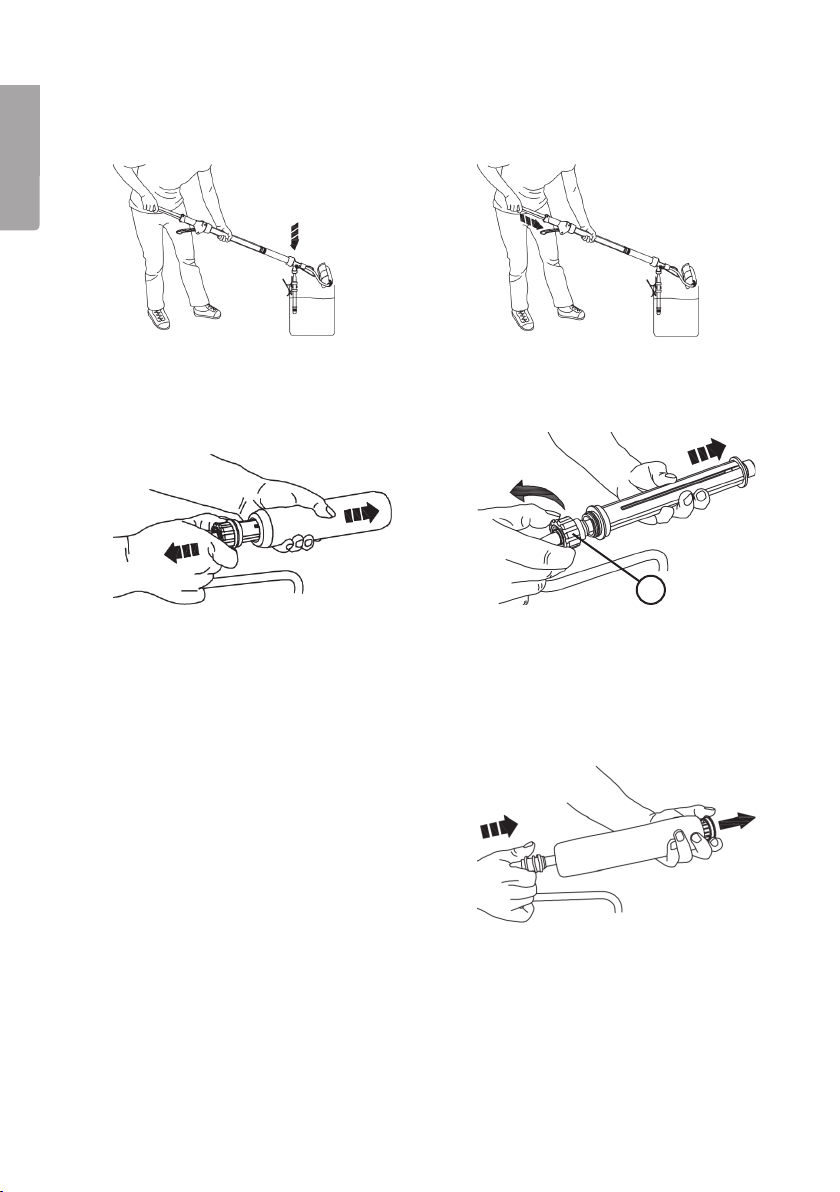
• Thetrigger only needs to be pressed when more paint needs to befed.
• Press thetrigger to feed more paint if you notice that thepaint isn’t enough to
cover theroller.
• If theroller feels like it is sliding in paint, reduce thepaint feed amount.
• In order to avoid drips, hold theroller in motion when feeding paint to theroller.
• When painting in tight spaces, try to avoid filling thereservoir as this allows
theentire roller to be shorter, lighter and easier to manage.
• Wrap theroller head in aplastic bag whenever you take abreak from work in order
to prevent paint from drying onto theroller.
• Cover thefloor or any other surfaces that need protecting whenever youwork.
Makesure to also protect areas where you must handle or fillpaint.
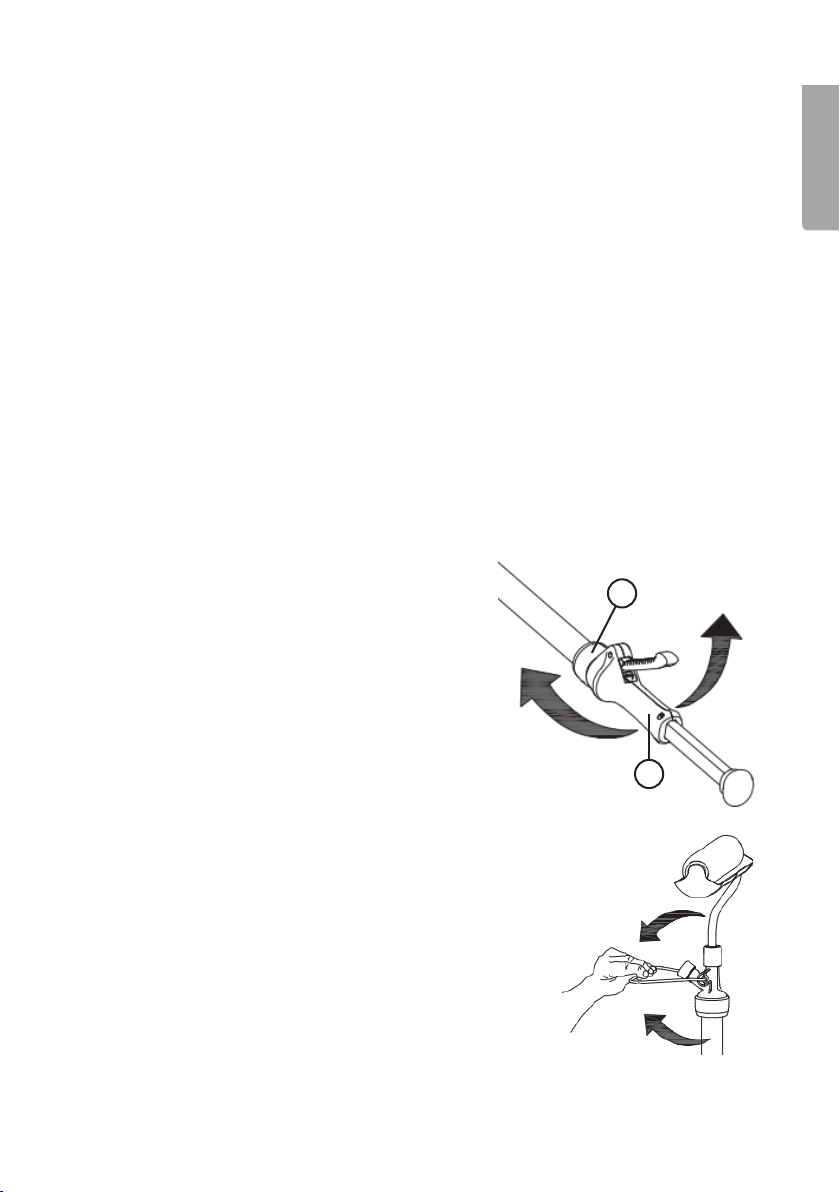
Handle rotation
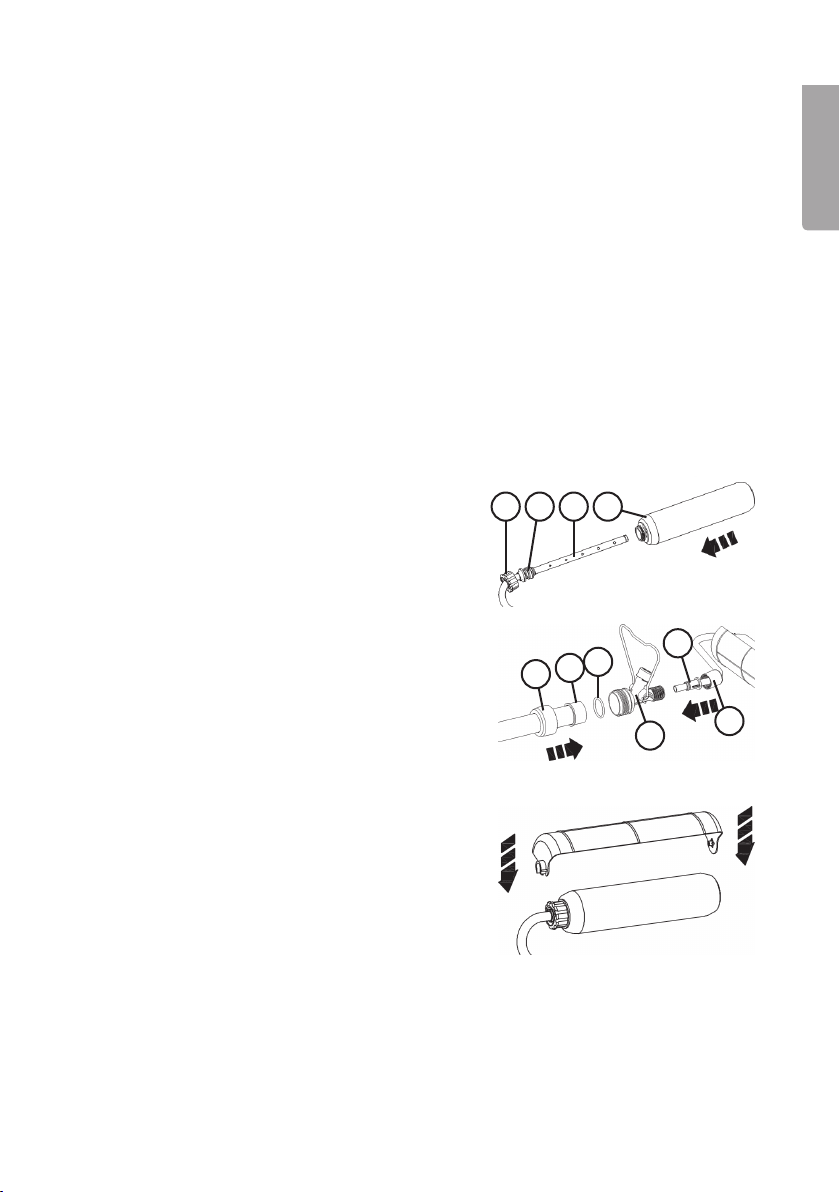
Thehandle can be rotated in order to simplify
painting at difficult angles.
Loosen thelock collar (a), rotate thehandle (b)
to thedesired position and re-tighten.
Kickstand
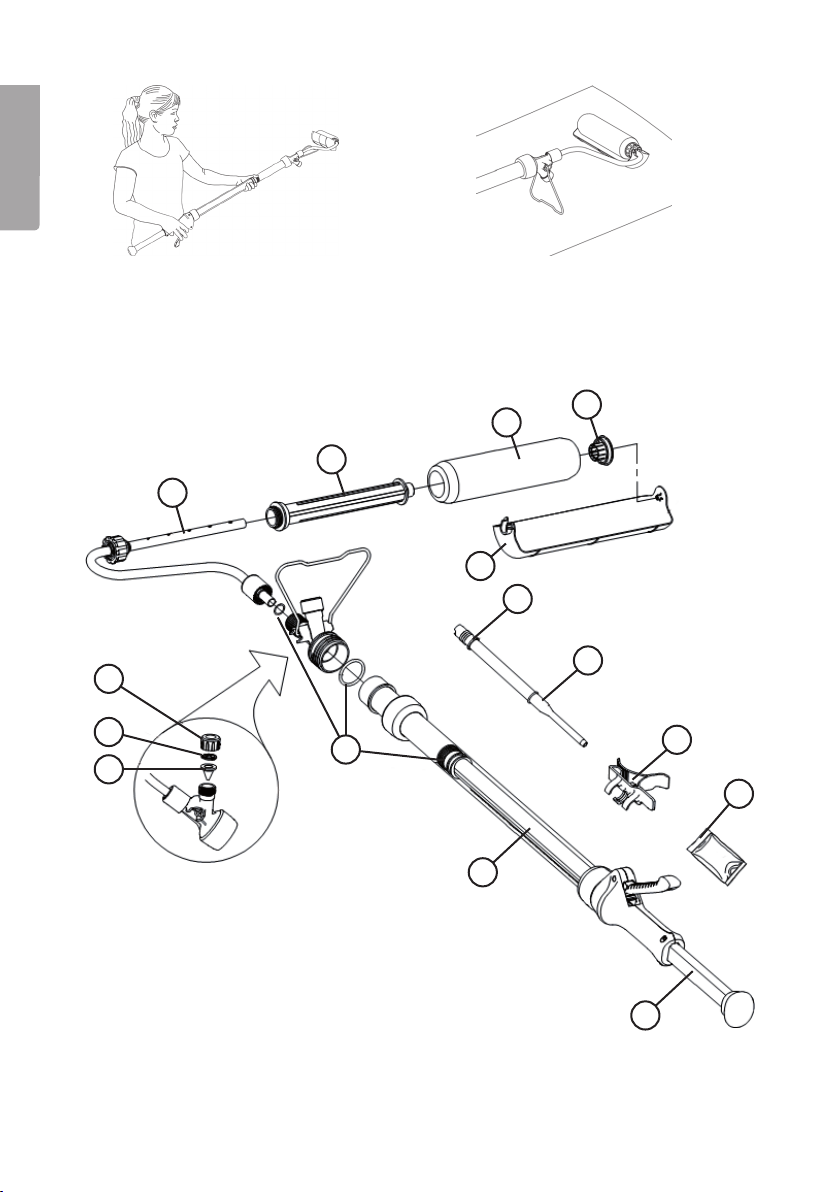
• Flip thekickstand out to allow theroller to rest when needed.
• Make sure that any surfaces where theroller is used are
covered with newspaper, plastic or similar protective material.
• Place some sort of drip protection underneath theroller
whenever it is resting on its kickstand to avoid accidental
spillage.
• Whenever resting theroller, pull thetrigger out abit in order
to ensure sure that no paint is accidentally fed to theroller.
• Fold in thekickstand whenever painting in order to
prevent it from getting in theway during painting.