logo
Brands
  1. Home
  2. •
  3. Brands
  4. •
  5. Nortel
  6. •
  7. IP Phone
  8. •
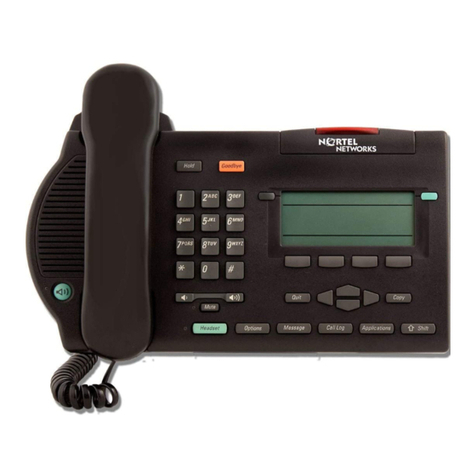
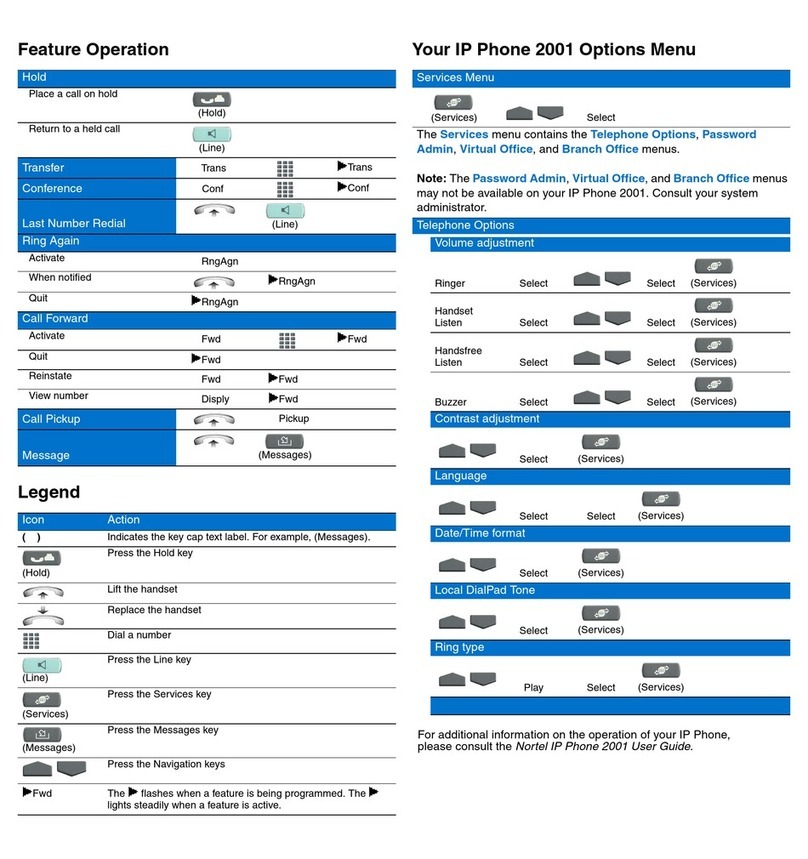
  9. Nortel 2007 User manual

Nortel 2007 User manual

Other Nortel IP Phone manuals

Nortel i2002 Reference guide

Nortel

Nortel i2002 Reference guide

Nortel Meridian M3902 User manual

Nortel

Nortel Meridian M3902 User manual

Nortel IP Phone 2004 User manual

Nortel

Nortel IP Phone 2004 User manual

Nortel IP Phone 2007 User manual

Nortel

Nortel IP Phone 2007 User manual

Nortel 1150E User manual

Nortel

Nortel 1150E User manual

Nortel m3900 series User manual

Nortel

Nortel m3900 series User manual

Nortel Meridian Meridian 1 User manual

Nortel

Nortel Meridian Meridian 1 User manual

Nortel i2004 User manual

Nortel

Nortel i2004 User manual

Nortel NN43113-106 User manual

Nortel

Nortel NN43113-106 User manual

Nortel Meridian M3903 User manual

Nortel

Nortel Meridian M3903 User manual

Nortel 1535 Instruction Manual

Nortel

Nortel 1535 Instruction Manual

Nortel 2001 Reference guide

Nortel

Nortel 2001 Reference guide

Nortel Nortel IP Phone 1120E User manual

Nortel

Nortel Nortel IP Phone 1120E User manual

Nortel NN43118-100 User manual

Nortel

Nortel NN43118-100 User manual

Nortel IP Phone 2007 User manual

Nortel

Nortel IP Phone 2007 User manual

Nortel 1140E Specification sheet

Nortel

Nortel 1140E Specification sheet

Nortel i2002 Operator's manual

Nortel

Nortel i2002 Operator's manual

Nortel NN43117-110 01.01 User manual

Nortel

Nortel NN43117-110 01.01 User manual

Nortel 4060 User manual

Nortel

Nortel 4060 User manual

Nortel IP Phone 2007 Specification sheet

Nortel

Nortel IP Phone 2007 Specification sheet

Nortel 1230 User manual

Nortel

Nortel 1230 User manual

Nortel Nortel IP Phone 1120E User manual

Nortel

Nortel Nortel IP Phone 1120E User manual

Nortel IP Phone 2001 User manual

Nortel

Nortel IP Phone 2001 User manual

Nortel Nortel IP Phone 1230 Instruction and safety manual

Nortel

Nortel Nortel IP Phone 1230 Instruction and safety manual

Popular IP Phone manuals by other brands

Alcatel 4028 manual

Alcatel

Alcatel 4028 manual

Polycom Polycom VVX 600 quick reference

Polycom

Polycom Polycom VVX 600 quick reference

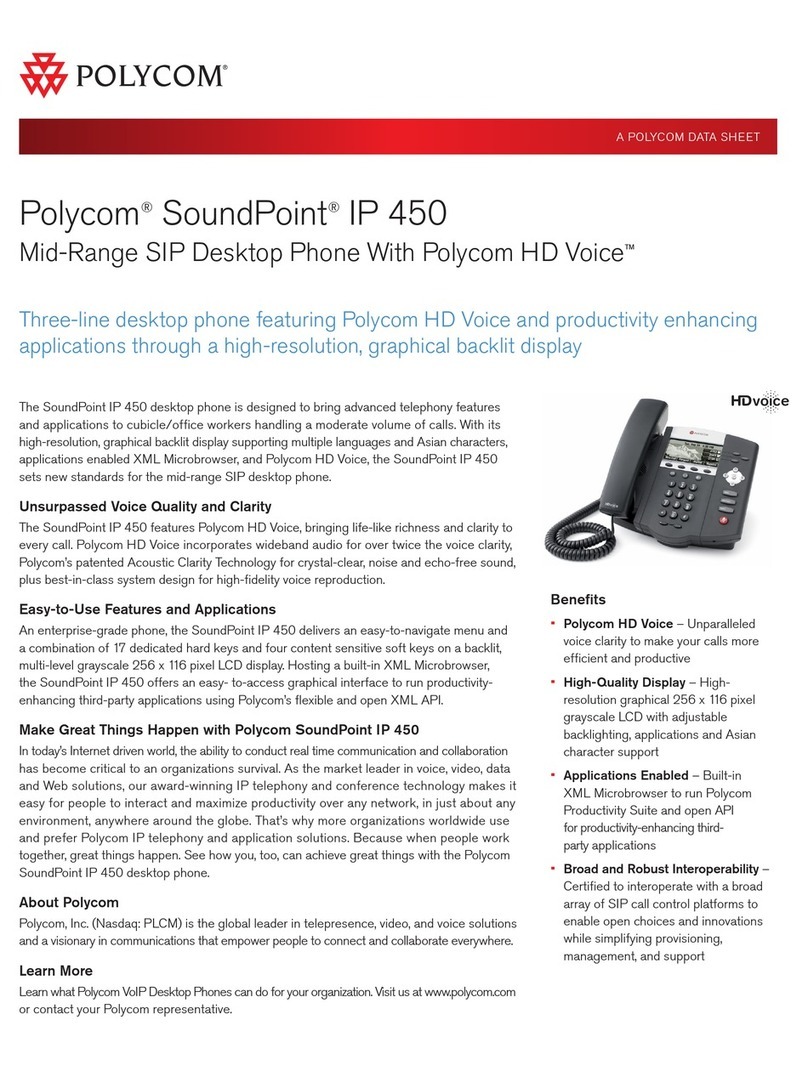
Polycom SoundPoint IP 450 datasheet

Polycom

Polycom SoundPoint IP 450 datasheet

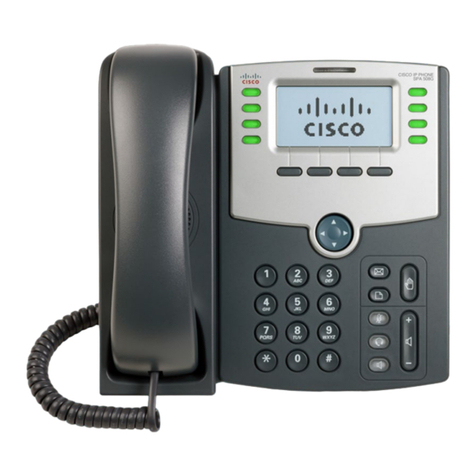
Cisco SPA-500 Series user guide

Cisco

Cisco SPA-500 Series user guide

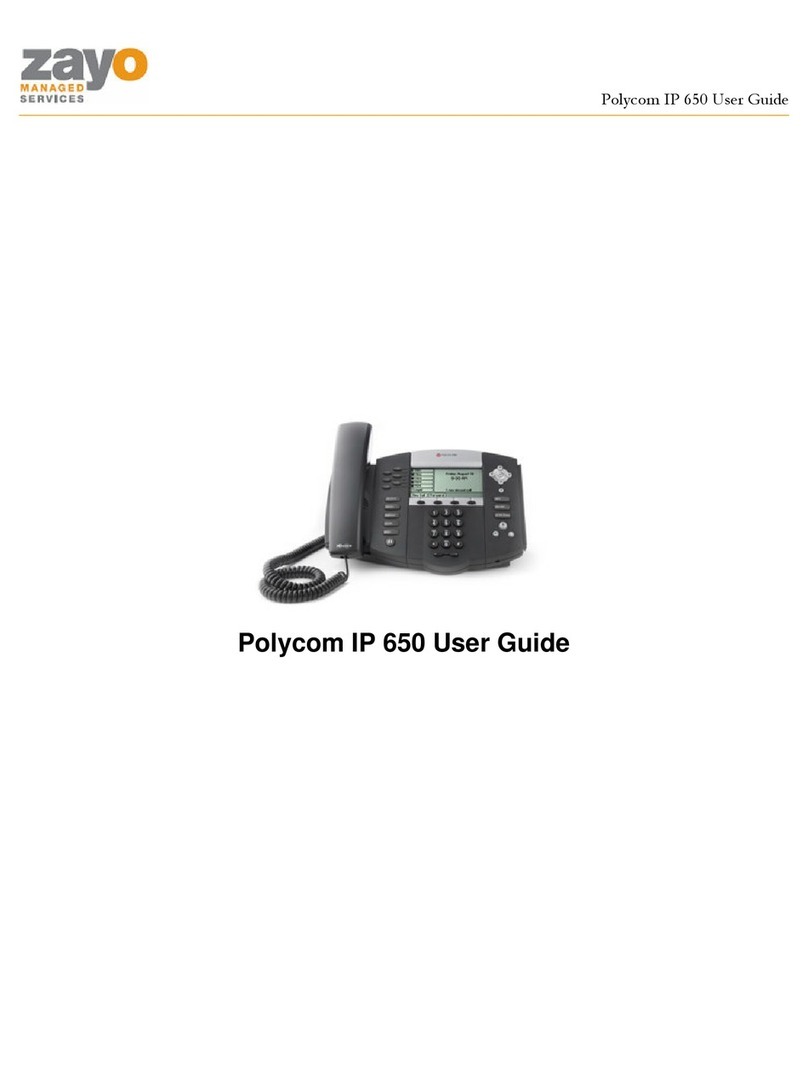
Polycom SoundPoint IP 650 user guide

Polycom

Polycom SoundPoint IP 650 user guide

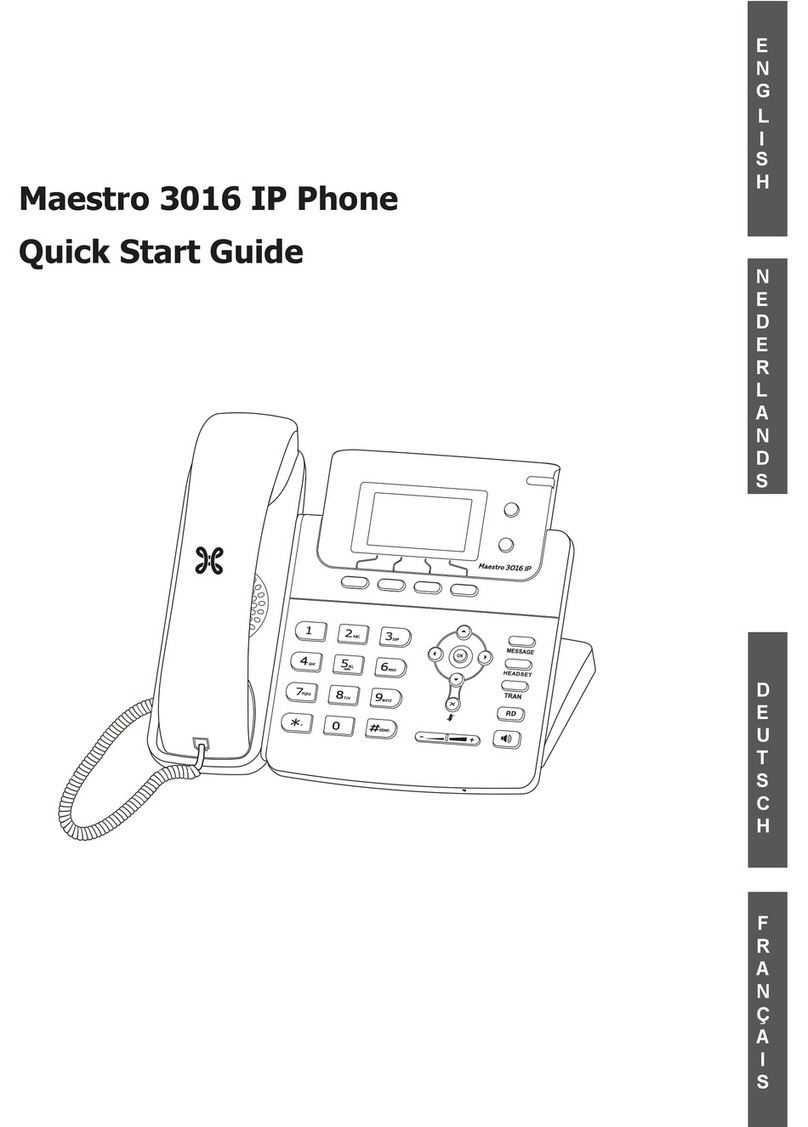
Proximus Maestro 3016 IP quick start guide

Proximus

Proximus Maestro 3016 IP quick start guide

Fanvil X4 user manual

Fanvil

Fanvil X4 user manual

Cisco 7962 user guide

Cisco

Cisco 7962 user guide

Snom 320 quick start guide

Snom

Snom 320 quick start guide

Yealink Yealink SIP-T46G Guide

Yealink

Yealink Yealink SIP-T46G Guide

Avaya 4625SW user guide

Avaya

Avaya 4625SW user guide

Yealink SIP-T52S quick start guide

Yealink

Yealink SIP-T52S quick start guide

Nexotek NT-P500 user manual

Nexotek

Nexotek NT-P500 user manual

Avaya Integral 5 R3.0 user guide

Avaya

Avaya Integral 5 R3.0 user guide

GE 28320EE2 - Dect 6.0 InfoLink 2 user guide

GE

GE 28320EE2 - Dect 6.0 InfoLink 2 user guide

Avaya 4600 Series Administrator's guide

Avaya

Avaya 4600 Series Administrator's guide

Mitel MIVOICE OFFICE 400 6940 SIP user guide

Mitel

Mitel MIVOICE OFFICE 400 6940 SIP user guide

Fiberme FAP260 Series user guide

Fiberme

Fiberme FAP260 Series user guide

https://manuals.online logo
https://manuals.online logoBrands
  • About & Mission
  • Contact us
  • Privacy Policy
  • Terms and Conditions

Copyright 2026 Manuals.Online. All Rights Reserved.

IP Phone 2007 Emissions Statement
This device complies with Part 15 of the FCC Rules. Operation is subject to the following two conditions: (1) this device
may not cause harmful interference, and (2) this device must accept any interference received, including interference that
may cause undesired operation. NOTE: This equipment has been tested and found to comply with the limits for a Class B
digital device, pursuant to Part 15 of the FCC Rules. These limits are designed to provide reasonable protection against
harmful interference when the equipment is operated in a commercial environment. This equipment generates, uses, and
can radiate radio frequency energy and, if not installed and used in accordance with the instruction manual, may cause
harmful interference to radio communications. Operation of this equipment in a residential area is likely to cause harmful
interference in which case the user will be required to correct the interference at their own expense.
This Class B digital apparatus complies with Canadian ICES-003.
Cet appareil numerique de la classe B est conforme a la norme NMB-003 du Canada.
Use only with Nortel approved Limited Power Source (output rated 48 V AC, 500 mA, 50/60 Hz) OR using Power over
Ethernet options, including IEEE 802.3af standard power.
This device complies with the requirements of the R&TTE Directive 1999/5/EC. A copy of the Declaration of Conformity can
be obtained from Nortel Networks GmbH at: Ingolstaedter Strasse 14-18, 80807 Munich Germany.
Caution: Severe damage to your IP Phone 2007 will occur if this set is plugged into an ISDN connection. Consult your
system administrator to ensure that you are plugging your set into a 10/100 BaseT Ethernet jack. It is recommended that
this unit not be exposed to direct sunlight for a prolonged period of time.
Warning: The earpiece/mouthpiece region on the handset may attract and retain small objects
To provide feedback or report a problem in this document,
go to www.nortel.com/documentfeedback.
Date: February 2010
Document Release: Standard 01.06
Document Number: NN43118-110
Copyright © 2007-2010 Nortel Networks
All rights reserved.
Nortel, the Nortel logo, and the Globemark are trademarks of Nortel Networks.
IP Phone 2007
Getting Started
Fig. 2Fig. 1
Fig. 3 Fig. 4
Connecting the IP Phone 2007
Follow these steps to connect the IP Phone 2007.
Step 1:
Attach the handset cord, with the longer straight
section into the handset jack on the back of the
phone, then route the straight section of the cord
through the cord guide. Attach the other end of the
handset cord to the handset.
Step 2:
Thread the supplied CAT-5e Ethernet cable
through the bottom of the stand as shown in
Figure 1. If using an optional AC power adapter,
thread the cord through the bottom of the stand. If
connecting your PC through the phone, unplug its
Ethernet cable from the LAN and thread it through
the stand. If using the optional USB mouse or
keyboard, thread its cable through the stand.
Step 3:
Connect the Ethernet cable from your data
network to the RJ-45 connector marked . If
using an optional AC power adapter, connect to
the AC jack in the bottom of the phone. If
connecting a PC through the phone, connect the
supplied Ethernet cable to the PC and then to the
RJ-45 connector marked . Plug in any optional
USB devices (see Figure 2).
Step 4:
Attach the front edge of the stand by aligning the
two clips on the bottom of the phone with the
matching pivot points on the stand. Depress the tilt
adjusting latch and push the stand firmly into the
phone in the direction illustrated (see Figure 3).
There should be two noticeable clicks when the
stand is correctly attached. Arrange the cords so
that they exit from the rear of the stand in the
channels provided and do not interfere with the tilt
mechanism (see Figure 4).
Step 5:
Connect the Ethernet cable to the LAN Ethernet
connection. If using an AC power adapter, plug
into the nearest outlet. Your system administrator
should provide you with correct installation
information.
Note:
The IP Phone 2007 supports both AC power and
Power over Ethernet options, including IEEE
802.3af standard power. To use local AC power
with the optional universal AC adapter, country
specific AC power cables are separately
orderable. To use Power over Ethernet, where
power is delivered over the CAT-5e Ethernet
cable, it must be supported by the LAN
infrastructure.
The IP Phone 2007 gives you multiple options to
make a call. Each of these options is described in
detail in your system-specific user guide.
Controlling Volume:
The volume control key adjusts ringing, handset,
headset, and speaker volumes. Pressing the
volume control key while using your handset,
headset, or speaker adjusts the volume of the
associated device.
Making a Call with the Handset:
Lift the handset to make a call using the primary
line. Enter the phone number on the dial pad.
When your call is complete, press the GOODBYE
key or return the handset to the cradle. If your
phone is programmed with several line keys, you
may select a line first by tapping a line soft key.
Making a Call with Headset or Handsfree:
Press the HEADSET or HANDSFREE key. Enter
the phone number. When your call is completed,
press GOODBYE.
Using HOLD and MUTE:
While on a call, press the HOLD key to place your
caller on hold. Press the line soft key to retrieve
your call. Held lines are indicated by the icons next
to the line soft keys. Pressing MUTE mutes your
handset, headset, or speaker and allows you to
speak privately. Press MUTE again to speak with
your caller. The LED next to the MUTE button
lights when MUTE is active.
Answering a Call:
Answer a ringing call by lifting the handset, or by
pressing the HANDSFREE or HEADSET key.
Note:
Nortel recommends the use of a stylus to avoid
damage to the LCD touchscreen.