manuals.online logo
Brands
  1. Home
  2. •
  3. Brands
  4. •
  5. KRATOS SAFETY
  6. •
  7. Safety Equipment
  8. •
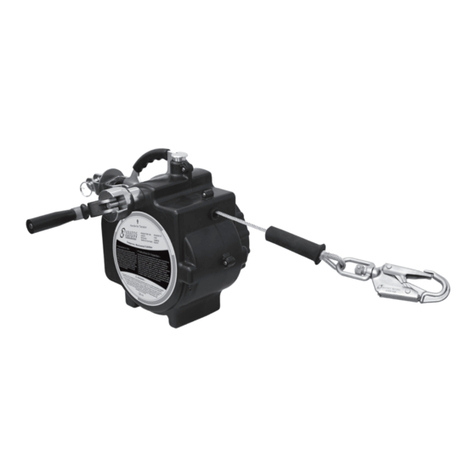
  9. KRATOS SAFETY Olimpe FA 20 401 10 User manual

KRATOS SAFETY Olimpe FA 20 401 10 User manual

This manual suits for next models

6

Other KRATOS SAFETY Safety Equipment manuals

KRATOS SAFETY FA 60 007 04 User manual

KRATOS SAFETY

KRATOS SAFETY FA 60 007 04 User manual

KRATOS SAFETY Lift Res-Q FA 70 201 00 User manual

KRATOS SAFETY

KRATOS SAFETY Lift Res-Q FA 70 201 00 User manual

KRATOS SAFETY FA 60 034 00 User manual

KRATOS SAFETY

KRATOS SAFETY FA 60 034 00 User manual

KRATOS SAFETY REVOLTA FA 30 309 20 User manual

KRATOS SAFETY

KRATOS SAFETY REVOLTA FA 30 309 20 User manual

KRATOS SAFETY OLYMPE Xelixon FA 20 600 Series User manual

KRATOS SAFETY

KRATOS SAFETY OLYMPE Xelixon FA 20 600 Series User manual

KRATOS SAFETY OLYMPE FA 20 400 03B User manual

KRATOS SAFETY

KRATOS SAFETY OLYMPE FA 20 400 03B User manual

KRATOS SAFETY FA 20 400 03 User manual

KRATOS SAFETY

KRATOS SAFETY FA 20 400 03 User manual

KRATOS SAFETY Olympe-S2 FA 20 502 02 User manual

KRATOS SAFETY

KRATOS SAFETY Olympe-S2 FA 20 502 02 User manual

KRATOS SAFETY FA 10 901 00 User manual

KRATOS SAFETY

KRATOS SAFETY FA 10 901 00 User manual

KRATOS SAFETY KS 4000 User manual

KRATOS SAFETY

KRATOS SAFETY KS 4000 User manual

KRATOS SAFETY FA 60 007 03 User manual

KRATOS SAFETY

KRATOS SAFETY FA 60 007 03 User manual

KRATOS SAFETY Voras FA 20 300 02 User manual

KRATOS SAFETY

KRATOS SAFETY Voras FA 20 300 02 User manual

KRATOS SAFETY OLYMPE-S User manual

KRATOS SAFETY

KRATOS SAFETY OLYMPE-S User manual

KRATOS SAFETY FA 60 901 06 User manual

KRATOS SAFETY

KRATOS SAFETY FA 60 901 06 User manual

KRATOS SAFETY FA 60 007 00 User manual

KRATOS SAFETY

KRATOS SAFETY FA 60 007 00 User manual

KRATOS SAFETY KS 8000 User manual

KRATOS SAFETY

KRATOS SAFETY KS 8000 User manual

KRATOS SAFETY Olympe User manual

KRATOS SAFETY

KRATOS SAFETY Olympe User manual

KRATOS SAFETY FA 10 202 XX User manual

KRATOS SAFETY

KRATOS SAFETY FA 10 202 XX User manual

KRATOS SAFETY FA 70 005 00 User manual

KRATOS SAFETY

KRATOS SAFETY FA 70 005 00 User manual

KRATOS SAFETY FA 10 111 Series User manual

KRATOS SAFETY

KRATOS SAFETY FA 10 111 Series User manual

KRATOS SAFETY FA 10 302 00 User manual

KRATOS SAFETY

KRATOS SAFETY FA 10 302 00 User manual

KRATOS SAFETY FA 10 401 00 User manual

KRATOS SAFETY

KRATOS SAFETY FA 10 401 00 User manual

KRATOS SAFETY MultiSafeWay FA 60 022 00 User manual

KRATOS SAFETY

KRATOS SAFETY MultiSafeWay FA 60 022 00 User manual

KRATOS SAFETY TYROLL User manual

KRATOS SAFETY

KRATOS SAFETY TYROLL User manual

Popular Safety Equipment manuals by other brands

Lanex PB-20 instruction manual

Lanex

Lanex PB-20 instruction manual

SKYLOTEC ANCHOR ROPES Instructions for use

SKYLOTEC

SKYLOTEC ANCHOR ROPES Instructions for use

Besto Buoyancy Aid 50N Instructions for use

Besto

Besto Buoyancy Aid 50N Instructions for use

TEUFELBERGER NODUS Manufacturer's information and instructions for use

TEUFELBERGER

TEUFELBERGER NODUS Manufacturer's information and instructions for use

Troy Lee Designs Tbone Product owners manual

Troy Lee Designs

Troy Lee Designs Tbone Product owners manual

Innova Xtirpa Instruction and safety manual

Innova

Innova Xtirpa Instruction and safety manual

bolle SAFETY B810 quick start guide

bolle SAFETY

bolle SAFETY B810 quick start guide

SHENZHEN FANHAI SANJIANG ELECTRONICS A9060T instruction manual

SHENZHEN FANHAI SANJIANG ELECTRONICS

SHENZHEN FANHAI SANJIANG ELECTRONICS A9060T instruction manual

Hiltron security POWER8E Installation and use manual

Hiltron security

Hiltron security POWER8E Installation and use manual

Salewa MTN SPIKE user manual

Salewa

Salewa MTN SPIKE user manual

Hatco B-950P installation guide

Hatco

Hatco B-950P installation guide

Sitec TX MATIC operating manual

Sitec

Sitec TX MATIC operating manual

TEUFELBERGER GRIP 12 Manufacturer's information and instructions for use

TEUFELBERGER

TEUFELBERGER GRIP 12 Manufacturer's information and instructions for use

MSA PremAire System Operation and instructions

MSA

MSA PremAire System Operation and instructions

AMC 1022M Series instruction manual

AMC

AMC 1022M Series instruction manual

Trinity CASS S3 Assembly manual

Trinity

Trinity CASS S3 Assembly manual

CMC Helitack HotSeat quick guide

CMC

CMC Helitack HotSeat quick guide

ACM SAFETY D200 Instructions and warnings

ACM

ACM SAFETY D200 Instructions and warnings

manuals.online logo
manuals.online logoBrands
  • About & Mission
  • Contact us
  • Privacy Policy
  • Terms and Conditions

Copyright 2025 Manuals.Online. All Rights Reserved.

EN360:2002 / EN1496:2017 Class B
FA 20 401 10
FA 20 401 10S
FA 20 401 20
FA 20 401 20R
FA 20 401 20S
FA 20 401 30
FA 20 401 30S
Anchute à rappel automaque / Retractable fall arrester / Sturzschutzsicherung mit automascher
Rückholung / Ancaída retrácl / Ancaduta retrale / Valbeveiliging met automasch oprolsysteem
/ System zabezpieczający przed upadkiem z automatycznym zatrzymaniem / Disposivo an-queda
de tracção automáca / Faldstopblok / Automaanen putoamisenestojärjestelmä / Automask
fallsikringsblokk / Fallskyddssystem med automask återföring / Ekipman için / Self zategovanju Lifeline /
Zatahovací zachycovač pádu / Samona víjacie zariadenie na zachytávanie pádu
KRATOS SAFETY
689 Chemin du Buclay
38540 Heyrieux - FRANCE
Tel : +33 (0)4 72 48 78 27
Fax : +33 (0)4 72 48 58 32
www.kratossafety.com info@kratossafety.com
BKLKT48-04
Updated: 01/2020
European Regulaon (EU) 2016/425
2
MARQUAGE / LABELLING / KENNZEICHNUNG / MARCACIÓN /
MARCATURA / MERKTEKEN / OZNACZENIA /ETIQUETA
2Lire la notice d’instruction avant utilisation / Read the instructions before use / Vor der Benutzung Gebrauchsanleitung lesen / Lea el folleto
de instrucciones antes de su utilización / Prima dell’uso leggere le istruzioni / Lees de instructiehandleiding voor gebruik / Przed użyciem
należy zapoznać się z instrukcją / Ler atentamente as instruções antes de utilizar
1Nom du fabricant / Manufacturer’s name / Herstellername / El nombre del fabricante / Nome del fabbricante / De naam van de fabrikant /
Nazwa producenta / O nome do fabricante
3La référence du produit / The product reference / Artikelnummer des Produkts / La referencia del producto / Riferimento del prodotto / De
referentie van het product / Nr referencyjny produktu / A referência do produto
4Longueur câble ou sangle / Webbing or wire rope length / Länge der Seil oder Band / Longitud del cable o de la cinta / Lunghezza del cavo
o cinghia / Lengte van de kabel of riem / Długość kabla lub paskiem / Comprimento do cabo ou correia
5N° individuel dans le lot / The individual number within the batch / Individuelle Nummer des Artikels innerhalb des Loses / El n° individual
en el lote / Numero individuale nel lotto / Het individuele nummer in de serie / Numer sztuki w serii / Número individual no lote
La date de fabrication / The date of manufacture / Herstellung datum / La fecha de fabricación / Data di fabbricazione / De productie datum
/ Data produkcji / A data de fabrico
6
L’indication de conformité à la réglementation UE / Indication of conformity with EU regulations / Kennzeichnung der Übereinstimmung
mit EU-Vorschriften / La indicación de conformidad con la Reglamentación UE / Indicazione di conformità alla regolazione UE /
Conformiteitsverklaring ten opzichte van de EU regelgeving / Potwierdzenie zgodności z przepisami UE / Indicação de conformidade com
os regulamentos da UE
7
8Le N° de l’organisme notié intervenant dans le contrôle de l’équipement / Number of the certifying organisation responsible for
inspecting the equipment / Kennnummer der benannten Prüfstelle, welche die Ausrüstung kontrolliert / El N° del organismo noticado que
interviene en el control del equipo / N° dell’organismo di certicazione di riferimento per il controllo del dispositivo / Het nummer van
de keuringsinstantie / Nr jednostki upoważnionej do kontroli urządzenia / O número do organismo noticado interveniente no controlo do
equipamento
Le N° de la norme à laquelle le produit est conforme et son année / The number of the standard to which the product conforms and its year /
Angabe der Norm, der das Produkt entspricht, sowie der Jahreszahl / El N° de la norma con la cual el producto está en conformidad y su año
/ N° della norma alla quale il prodotto è conforme e relativo anno / De norm waaraan het product conform is en zijn jaar / Nr i rok normy, z
którą produkt jest zgodny / O número da norma com a qual o produto está em conformidade e o respectivo ano:
EN 360:2002 & EN 1496:2006
9
Voir page suivante pour explication des marquages / See next page for explanation of tags / Auf der nächsten Seite, um Erläuterungen zu
der Tags / Vea la página siguiente para la explicación de las etiquetas / Vedi pagina successiva per la spiegazione dei tag / Zie de volgende
pagina voor een uitleg van de tags / Na następnej stronie wyjaśnienie tagów / Consulte a página seguinte para uma explicação de tags
10
1
10
2
7
98
3
4
5
6
10
3
L’appareil doit être stocké à l’abri de la chaleur et de l’humidité. / The system must be stored away from heat and damp. / Das
Gerät muss trocken und kühl gelagert werden. / El aparato debe almacenarse al amparo del calor y de la humedad. / L’apparecchio
deve essere stoccato al riparo dalle fonti di calore e dall’umidità. / Het apparaat moet uit de buurt van warmte en vochtigheid
worden opgeborgen. / Urządzenie powinno być przechowywane z dala od wilgoci i źródeł ciepła. / O equipamento deve ser
armazenado num local abrigado do calor e da humidade.
Vériez avant chaque utilisation que le câble n’est pas détérioré / Check that the cable is not damaged each time the system is
used. / Vor jedem Gebrauch prüfen, dass das Kabel unbeschädigt ist / Verique antes de cada utilización que el cable no este
deteriorado. / Prima d’ogni utilizzo vericare che il cavo non sia danneggiato / Controleer voor elk gebruik dat de riem niet
is beschadigd. / Przed każdym użyciem sprawdzić czy lina nie jest uszkodzona / Antes de cada utilização verique se o cabo
apresenta sinais de deterioração.
Ne pas lâcher le câble mais accompagner le ré-enroulement / Do not let go of the cable but keep a hand on it as it reels in.
Kabel nicht loslassen, sondern mit der Hand begleiten / No suelte el cable pero acompañe su enrollamiento.
Non rilasciare il cavo ma accompagnarlo nel rientro / Laat de riem niet los, maar begeleid het oprollen.
Podczas zwijania nie wolno zwalniać liny, należy ją przytrzymać / Não solte o cabo, acompanhe o seu enrolamento.
L’appareil doit être connecté à un des points de sécurité du harnais. / The system must be attached to one of the safety points of
the harness. / Das Gerät muss an einem der Sicherheitspunkte des Gurtes befestigt sein. / El aparato debe estar conectado con
uno puntos de seguridad del arnés. / L’apparecchio deve essere collegato a uno punti di sicurezza dell’imbracatura. / Het apparaat
moet zijn verbonden met een veiligheidspunten van het harnas. / Urządzenie musi być połączone z jednym z punktów zabezpiec-
zających uprzęży. / O equipamento deve ser ligado a um pontos de segurança do arnês.
Il est interdit d’ouvrir l’appareil / The system must not be opened / Das Gerät darf nicht geöffnet werden / Queda prohibido abrir
el aparato / E vietato aprire l’apparecchio / Het is niet toegestaan het apparaat te openen / Nie wolno otwierać urządzenia / É
proibido desmontar
Vérier avant chaque utilisation que le câble s’enroule et se déroule normalement. / Check that the cable reels in and out normally
each time used. / Vor jedem Einsatz prüfen, dass das Kabel sich richtig ein-und ausrollt. / Verique antes utilización que el cable
se enrolla y desenrolla normalmente. / Prima utilizzo vericare che il cavo s’avvolga e si svolga normalmente. / Controleer voor
elk gebruik dat de riem zich normaal af- en oprolt. / Przed każdym użyciem sprawdzić czy lina rozwija i zwija się prawidłowo. /
Antes utilização verique se o cabo enrola e desenrola normalmente.
Charge maximale en utilisation verticale / Maximum load for vertical use / Maximale Last bei senkrechtem Gebrauch / Carga
máxima en uso vertical / Carico massimo per utilizzo in posizione verticale / Maximale belasting bij verticaal gebruik / Maks.
obciążenie przy używaniu pionowym / Carga máxima na utilização vertical: 140 kg
Utilisation interdite en position horizontale (type A) / Cannot be used horizontally (type A) / Nutzung in waagrechter
Position verboten (Typ A) / Uso prohibido en posición horizontal (tipo A) / Utilizzo in posizione orizzontale vietato
(tipo A) / Gebruik in horizontale positie (type A) verboden / Zabronione używanie w pozycji poziomej (typ A) / Proibido
utilizar na horizontal (tipo A)
Le point d’ancrage doit être situé au-dessus de l’utilisateur et avoir une résistance minimum de / The anchor point must be situ-
ated above the user and have a minimum breaking strength of / Der Ankerpunkt muss über dem Benutzer liegen und mindestens
aushalten / El punto de anclaje debe hallarse por encima del usuario y tener una resistencia mínima de / Il punto di ancoraggio
deve essere situato sopra l’utilizzatore e avere una resistenza di minimo / Het verankeringspunt moet boven de gebruiker gelegen
zijn en moet een minimale weerstand van / Punkt zaczepienia powinien znajdować się powyżej użytkownika i posiadać min. siłę
/ O ponto de xação deve car situado acima do utilizador e possuir uma resistência mínima de: > 12 kN
L’angle maximal d’inclinaison doit être de / The maximum angle of use is / Maximaler Neigungswinkel bei / El ángulo máximo
de inclinación debe ser de/ L’angolo massimo d’inclinazione deve essere di / De maximale hellingshoek moet, zijn / Maksymalny
kąt nachylenia / O ângulo máximo de inclinação deve ser de: 40°
Utiliser le produit entre / To be used in a temperature range between / Einsatz-temperaturbereich, zwischen / Utilice el producto
entre / Utilizzare il prodotto tra / Het product gebruiken tussen / Produkt wolno stosować w temperaturach od / Utilizar o produto
a uma temperatura situada entre: -30°C & 50°C
4
MÆRKNING / MERKINNÄT / MERKING / MÄRKNING /
MARKALAMA / OZNAKE / OZNAČENĺ VŶROBKU / OZNAČENIE
2Læs instruktionshæftet før ibrugtagning / Lue käyttöohje ennen käyttöä / Les instruksene før bruk / Läs bruksanvisningen innan användning
/ Kullanmadan önce kullanım kılavuzunu okuyun / Pred uporabo preberite navodila za uporabo / Před použitím si přečtěte návod / Pred
použitím si prečítajte návod na použitie
1Fabrikantens navn / Valmistajan nimi / Produsentens navn / Tillverkarens / İmalatçının adı / Ime proizvajalca / Jméno výrobce / Názov
výrobcu
3Produktreferencen / Tuotteen viite / Produktets referansenummer / En produktreferens / Ürün referansını / Sklic za izdelek / Označení
výrobku / Referenčné číslo výrobku
4Længde / Pituus / Lengde / Längd / Dolžina / Uzunluk / Délka / Dĺžka
5Det individuelle nummer i partiet / Mikään yksittäinen erässä / Unike nummer i varepartiet / Personligt partinumret / Çok hiçbir bireysel /
Št.posameznega elementa v seriji / Samostatné číslo bez šarže / Individuálne číslo šarže
Fabrikationsdatoen / Valmistuspäivämäärä / Produksjonsdatoen / Tillverkningsdatum / Üretim tarihi / Datum izdelave / Datum výroby /
Dátum výroby
6
Angivelser af overensstemmelse med EU-bestemmelserne / Osoitus EUvaatimustenmukaisuudesta / Konformitetsmerke i forhold til EU-
reglementet / Uppgift om överensstämmelse med EU:s lagstiftning / Navedba skladnosti s predpisi EU / AB yönetmeliklerine uygunluk
göstergesi / Prohlášení o shodě s předpisy EU / Označenie súladu s nariadením EÚ / Naznaka usklađenosti s propisima EU
7
8Nummeret på den organisme, der adviseres og foretager kontrol af udstyret / Varustuksen tarkastukseen osallistuvan ilmoitetun elimen
numero / Nummer på godkjenningsorganet for kontroll av utstyret / Nr. på den myndighet som kontrollerar utrustningen / Kontrol
ekipmanları ile ilgili onaylanmış kuruluşun N° / Št. priglašenega organa za izvrševanje nadzora opreme / Číslo certikované organizace
zodpovědné za revizi vybavení / Č. notikovaného orgánu zodpovedného za kontrolu pomôcky
Nummeret på den standard, som produktet stemmer overens med, samt året / Normin numero, jonka mukainen tuote on, ja sen vuosi /
Nummer og år for standarden som produktet er produsert i henhold til / Nr. för den standard som produkten uppfyller samt året / Ürünün
uygun standart ve yıl N° / Št. standarda, s katerim je izdelek skladen in leto njegove objave / Číslo normy, které výrobek odpovídá a jeho
rok / Č. normy, v súlade s ktorou bol výrobok vyrobený, a rok: EN 360:2002 & EN 1496:2006
9
Se næste side for forklaring af tags / Seuraavalla sivulla selitys tunnisteita / Se neste side for forklaring av koder / Se nästa sida för förklaring
av taggar / Bu desen bir açıklama için talimatları okuyun / Preberite navodila, kjer je ta shema natančneje pojasnjena / Přečtěte si návod pro
vysvětlení tohoto modelu / Prečítajte si pokyny, kde nájdete vysvetlenie tejto schémy
10
1
10
2
7
98
3
4
5
6
10
5
Apparatet bør opbevares på afstand af varme og fugtighed. / Laite tulee säilyttää suojassa lämmöltä ja kosteudelta.
Utstyret må oppbevares i ly for sol og fukt. / Utrustningen bör skyddas från värme och fukt.
Ünite ısı ve nemden uzak muhafaza edilmelidir. / Napravo je treba hraniti zaščiteno pred toploto in vlago.
Napravo je treba hraniti zaščiteno pred toploto in vlago. / Zariadenie skladujte na chladnom a suchom mieste.
Kontrollér før hver brug, at kablet ikke er beskadiget / Tarkista ennen jokaista käyttöä, että vaijeri ei ole vahingoittunut.
Sjekk før hver bruk at kabelen ikke er slitt / Kontrollera alltid att kabeln inte är skadad innan användning.
Kablonun zarar görmediğinden emin Her kullanımdan önce kontrol edin / Pred uporabo se prepričajte, da vrv ni poškodovana.
Před každým použitím se ujistěte, že kabel není poškozen. / Pred každým použitím skontrolujte, či lano nie je poškodené.
Slip ikke kablet, men følg oprulningen med hånden. / Älä päästä vaijerista irti, vaan pidättele sitä sen. / Ikke slipp kabelen, men
hold tak i den ved innrulling. / Släpp inte kabeln utan följ med den upp. / Kablonun izin ama sarma eşlik etmeyin. / Ne izpuščajte
vrvi, ampak spremljajte previjanje. / Nenechte lano navijáku navíjet samostatně, ale při navíjení ho řidržujte. / Lano nepúšťajte,
ale pridržiavajte pri opätovnom navíjaní.
Apparatet bør være tilsluttet til et af sikkerhedspunkterne på faldselen. / Laitteen täytyy olla liitetty yhteen valjaiden turvapisteistä.
/ Utstyret må festes på sikkerhetsanordningene på selen. / Utrustningen bör kopplas till en av selens säkringspunkter. / Ünite bir
güvenlik noktaları koşum bağlanmalıdır. / Naprava mora biti povezana z eno od varnostnih točk pasu. / Systém musí být připojen
k jednomu z bezpečnostních bodů postroje. / Zariadenie sa musí pripojiť k bezpečnostným bodom postroja.
Det er forbudt at åbne apparatet. / Laitteen avaaminen on kielletty.
Det er forbudt å åpne utstyret. / Anordn-ningen får inte öppnas.
Bu açık bir cihaz değildir. / Prepovedano odpiranje naprave.
Systém nesmí být otevřený. / Zariadenie sa nesmie otvoriť.
Kontrollér før hver brug, at kablet ruller sig ud og trækker sig tilbage på normal vis. / Tarkista ennen jokaista käyttöä, että vaijeri
purkautuu ja kelautuu normaalisti. / Sjekk før hver bruk at kabelen rulles inn og ut slik den skal. / Kontrollera alltid att rningen
av kabeln fungerar normalt innan användning. / Normal sarma kablosu çalışan her kullanımdan önce kontrol edin. / Pred uporabo
se prepričajte, da se vrv normalno odvija. / Zkontrolujte, že se kabel navíjí a vytahuje be potíží před každým použitím. / Pred
každým použitím skontrolujte, či sa lano odvíja a navíja normálnym spôsobom.
Maksimal belastning ved anvendelse lodret / Enimmäiskuormitus pystysuuntaisessa käytössä / Maks. last ved vertikal bruk /
Högsta belastning vid vertikal användning / Največja obremenitev v navpičnem položaju / Dikey kullanımda maksimum yük /
Maximální zatížení ve svislé poloze / Maximálna nosnosť pri používaní vo vertikálnej polohe: 140 kg
Må ikke anvendes i vandret position (type A) / Käyttö kielletty vaaka-asennossa (tyyppi A) /
Forbudt å bruke i horisontal posisjon (type A) / Förbjudet att använda i horisontellt läge (typ A) /
Uporaba v vodoravnem položaju je prepovedana (tip A) / Yatay kullanım yasaktır (A tipi) /
Použití ve vodorovné poloze zakázáno (typ A) / Používanie v horizontálnej polohe zakázané (typ A)
Den maksimale hældningsvinkel bør være /Kallistuskulma saa olla korkeintaan
Maksimal helling på / Den maximala lutningsvinkeln är
Eğim açısı en fazla olmalıdır / Maksimalni naklon mora bit
Maximálně úhel použití je i / Maximálny uhol odklonu smie byť:
Forankringspunktet bør bende sig oven over brugeren, og have en minimal modstand på: / Ankkurointikohdan tulee olla käyttä-
jän yläpuolella ja sen lujuuden vähintään : / Forankringspunktet må være festet over brukeren og må ha minimum bruddstyrke på
: / Förankringspunkten bör vara placerad ovanför användaren och ha en min. brottsstyrka på : / Ankraj kullanıcı, yukarıda yer alan
ve en az bir mukavemete sahip olmalıdır: / Točka sidrišča mora biti pod uporabnikom in mora imeti najmanjši upor : / Kotvící
bod musí být umístěn nad úrovní uživatele a minimální odolnost je: / Kotviaci bod sa musí nachádzať nad používateľom a musí
mať minimálnu odolnosť : > 12 kN
Brug produktet mellem / Käytä tuotetta: n välisessä lämpötilassa.
Bruk produktet mellom / Använd endast produkten vid temp. På
Arasında ürün kullanın / Izdelek uporabljajte med
Používejte v rozmezí teplot mezi / Výrobok používajte v teplotnom rozsahu od:
-30°C & 50°C
6
MARQUAGE / LABELLING / KENNZEICHNUNG / MARCACIÓN / MARCATURA / MERKTEKEN
/ OZNACZENIA / ETIQUETA / OZNAKA / MÆRKNING / MERKINNÄT / MERKING / MÄRKNING
/ MARKALAMA / OZNAKE / OZNAČENĺ VŶROBKU / OZNAČENIE / OZNAKA / OZNAKA
1
1
2
3
4
5
6
7
2 3 4 5467
II 2 G Ex h IIC T6 Gb
Utilisation du matériel en atmosphères explosibles / Use of equipment in potentially explosive atmospheres / Verwendung von Geräten
in explosionsgefährdeten Bereichen / Uso del equipo en atmósferas potencialmente explosivas / L‘uso di apparecchiature in atmosfere
potenzialmente esplosive / Het gebruik van apparatuur in explosiegevaarlijke omgevingen / Korzystanie z urządzeń w przestrzeniach
zagrożonych wybuchem / O uso de equipamento em atmosferas potencialmente explosivas / Brug af udstyr i eksplosionsfarlig atmosfære /
Laitteiden käyttöä räjähdysvaarallisissa tiloissa / Bruk av utstyr i eksplosjonsfarlige atmosfærer / Användning av utrustning i explosionsfarliga
omgivningar / Muhtemel patlayıcı ortamlarda ekipman kullanımı / Uporaba opreme v potencialno eksplozivnih atmosferah / Používání
zařízení v prostředí s nebezpečím výbuchu / Používanie zariadenia v prostredí s nebezpečenstvom výbuchu / Upotreba opreme u potencijalno
eksplozivnoj atmosferi / Upotreba opreme u potencijalno eksplozivnoj atmosferi
Appareil de groupe 2 pour utilisation de surface / Group 2 system for surface use / Gerät der Gruppe II für eine Nutzung an der Oberäche /
Aparato de grupo II para un uso de supercie / Apparecchio di gruppo II per utilizzo in supercie / Apparaat van groep II voor oppervlaktegebruik
/ Urządzenie grupy II do stosowania powierzchniowego / Aparelho de grupo II para utilização de supercie / Apparat af gruppe II til brug på
overade / Laiteryhmän II laite, joka on tarkoitettu käyttöön maanpäällisissä tiloissa / Utstyr av klasse II for bruk i overate / Utrustning grupp
II för ytanvändning / Alan kullanımı için II. Grup alet / Aparat skupine II za uporabo na površini / Přístroj skupiny II pro povrchové použití
/ Zariadenie skupiny II určené na povrchové používanie / Sustav grupe 2 za površinsku upotrebu / Sistem grupe 2 za površinsku upotrebu
Catégorie d’appareil 2 pour haute protection / System 2 category for high protection / Gerätekategorie 2 für eine hohen Schutz / Categoría de
aparato 2 para una alta protección / Categoria apparecchio 2 per alta protezione / Apparaatcategorie 2 voor een hoge bescherming / Kategoria
urządzenia 2 dla wysokiej ochrony / Categoria de aparelho 2 para alta proteção / Apparat af kategori 2 til høj beskyttelse / Laiteluokka 2, joka
on tarkoitettu korkean suoja / Utstyr av kategori 2 for høy beskyttelse / Enhetskategori 2 för högt skydd / Yüksek koruma için alet kategorisi 2
/ Kategorija aparata 2 za visoko zaščito / Kategorie přístroje 2 pro vysokou ochranu / Kategória zariadenia 2 pre vysokú ochranu / Kategorija
sustava 2 za visoku zaštitu / Kategorija sistema 2 za visoku zaštitu
Atmosphère explosible de type gaz (hydrogène) / Explosive atmosphere in gas form (hydrogen) / Explosionsgefährdete Umgebung vom Typ
Gas (Wasserstoff) / Atmósfera explosiva de tipo gas (hidrógeno) / Atmosfera esplosiva di tipo gas (idrogeno) / Explosieve atmosfeer voor gas
(waterstof) / Atmosfera wybuchowa typu gazowego (wodór) / Atmosfera explosiva de tipo gás (hidrogênio) / Eksplosiv atmosfære af typen gas
(hydrogen) / Kaasutyyppinen räjähdyskelpoinen ilmaseos (vety) / Eksplosiv omgivelse av type gass (hydrogen) / Explosiv gasatmosfär (väte) /
Patlayıcı gaz tipi atmosferi (hidrojen) / Eksplozivna atmosfera, ki jo povzročajo plini (vodik) / Výbušná atmosféra typu plyn (vodík) / Výbušné
prostredie plynného typu (vodík) / Eksplozivna atmosfera u plinskom obliku (vodik) / Eksplozivna atmosfera u gasnom obliku (vodonik)
Température maximale de surface de l’appareil / Maximum surface temperature of the device / Maximale Oberächentemperatur des Geräts /
Temperatura máxima de la supercie del aparato / Temperatura massima di supercie del dispositivo / Maximale oppervlaktetemperatuur van
het apparaat / Maksymalna temperatura powierzchni urządzenia / Temperatura máxima da superfície do dispositivo / Maksimal temperatur
på apparatets overade / Laitteen pinnan enimmäislämpötila / Maksimal temperatur for apparatets overate / Apparatens högsta yttemperatur
/ Najvišja površinska temperatura naprave / Cihaz yüzeyinin maksimum sıcaklığı / Maximální teplota povrchu přístroje / Maximálna teplota
povrchu prístroja / Maksimalna temperatura površine uređaja / Maksimalna temperatura površine uređaja 85°C
Niveau de protection de l’équipement : 1 – Atmosphère explosive présente occasionnellement en utilisation normale / Equipment protection
level: 1 – Explosive atmosphere present occasionally in normal use / Schutzniveau der Ausrüstung: 1 - Explosionsfähige Atmosphäre, die
bei normalem Gebrauch gelegentlich vorliegt / Nivel de protección del equipo: 1 – Atmósfera explosiva presente ocasionalmente con un uso
normal / Livello di protezione del dispositivo: 1 – Atmosfera esplosiva presente occasionalmente nel normale utilizzo / Beschermingsklasse
van het apparaat: 1 – Geringe kans op explosieve omgeving bij normaal gebruik / Poziom ochrony wyposażenia: 1 - Atmosfera wybuchowa
występuje sporadycznie w warunkach normalnego użytkowania / Nível de proteção do equipamento: 1 – Atmosfera explosiva presente
ocasionalmente durante a utilização normal / Udstyrets beskyttelsesniveau: 1 –Eksplosiv atmosfære kan lejlighedsvis være til stede ved normal
brug / Laitesuojaustaso: 1 – Normaalikäytössä satunnaisesti esiintyvä räjähdyskelpoinen ilmaseos / Utstyrets beskyttelsesnivå: 1 – Eksplosiv
atmosfære kan oppstå under normal bruk / Utrustningens skyddsklass: 1 – Explosiv atmosfär förekommer ibland vid normal användning
/ Ekipmanın koruma düzeyi: 1 – Normal kullanımda bazen patlayıcı atmosfer mevcut olabilir / Stopnja zaščite opreme: 1 – Eksplozivna
atmosfera je pri normalni uporabi navadno prisotna / Stupeň ochrany zařízení: 1 – Příležitostný výskyt výbušného prostředí za běžného použití
/ Úroveň ochrany prostriedku: 1 - Výbušné prostredie iba príležitostne pri normálnom používaní / Razina zaštite opreme: 1 – Ponekad dolazi
do eksplozivne atmosfere u uobičajenoj uporabi / Stepen zaštite opreme: 1 - Eksplozivna atmosfera može biti prisutna pri normalnoj upotrebi
Protection par sécurité de construction (appareil non électrique) / Protection by constructional safety (non-electric device) / Schutz durch
Bausicherheit (nichtelektrisches Gerät) / Protección mediante seguridad de construcción (aparato no eléctrico) / Protezione mediante
sicurezza di costruzione (dispositivo non elettrico) / Bescherming door constructieveiligheid (niet-elektrisch apparaat) / Ochrona za pomocą
zabezpieczenia konstrukcyjnego (urządzenie nieelektryczne) / Protecção por segurança de construção (dispositivo não elétrico) / Beskyttelse
via bygningssikkerhed (ikke-elektrisk apparat) / Suojaus rakenneturvallisuuden mukaisesti (muu kuin sähkölaite) / Beskyttelse gjennom
sikker konstruksjon (ikke elektrisk apparat) / Skydd för säker konstruktion (icke-elektrisk apparat) / Yapı güvenliği ile koruma (elektrikli
olmayan cihaz) / Zaščita preko varnosti konstrukcije (neelektrična naprava) / Ochrana bezpečnou konstrukcí (neelektrický přístroj) / Ochrana
zaručená konštrukčnou bezpečnosťou (neelektrický prístroj) / Zaštita putem konstrukcijske sigurnosti (neelektrični uređaj) / Zaštita putem
konstrukcijske bezbednosti (neelektrični uređaj)
7
FR
Cette notice doit être traduite par le revendeur dans la langue du pays où l’équipement est utilisé (excepté si la traduction est fournie par le fabricant).
La société KRATOS SAFETY ne peut être tenue responsable pour tout accident direct ou indirect survenu à la suite d’une utilisation autre que celle
prévue dans cette notice, ne pas utiliser cet équipement au-delà de ses limites !
MODE D’EMPLOI ET PRÉCAUTIONS :
Un antichute à rappel automatique est un équipement de protection individuelle, il doit être attribué à un utilisateur unique (il ne peut être utilisé que par
une personne à la fois). Lors des déplacements de l’utilisateur (montée - descente), le câble s’enroule et se déroule sur une poulie. Le câble est maintenu
en tension grâce à un ressort de rappel. En cas de chute, un système bloque le déroulement du câble et arrête instantanément la chute amorcée.
Les antichutes à rappel automatique FA 20 401 10/S, FA 20 401 20/R/S et FA 20 401 30/S, sont également équipés d’une fonction récupération/sauvetage
(EN1496). Les antichutes à récupération KRATOS SAFETY sont destinés à être installés sur un Trépied KRATOS SAFETY par l’intermédiaire du kit
d’adaptation adapté : voir la notice « GUIDE D’INSTALLATION ET D’UTILISATION » fournie avec ce kit.
UTILISATION DE LA FONCTION ANTICHUTE :
Vérier que l’antichute est bien en position antichute. Le câble se déroule et s’enroule. La manivelle ne tourne pas.
Si ce n’est pas le cas, tirer le bouton situé à côté de l’axe de rotation de la manivelle et rentrer l’axe de celle-ci jusqu’à disparition complète de la bague
verte (Fig. 1). Lâcher le tout, la bague verte doit rester invisible. Accrocher le connecteur situé à l’extrémité du câble de l’antichute sur un point
d’accrochage antichute (dorsal ou sternal) du harnais (Fig. 2). La personne peut se déplacer.
Fig. 1 Fig. 2
UTILISATION DE LA FONCTION SAUVETAGE :
La personne accrochée à l’extrémité du câble est dans l’incapacité de remonter par ses
propres moyens.
Tirer sur le bouton situé à côté de l’axe de rotation de la manivelle et en même temps tirer
sur l’axe de rotation de celle-ci jusqu’à apparition de la bague verte (Fig. 3). Lâcher le tout,
la bague verte doit rester apparente.
Déplier la poignée et faire tourner la manivelle.
Pour descendre la personne : faire tourner la manivelle dans le sens inverse des aiguilles
d’une montre.
Pour monter la personne : faire tourner la manivelle dans le sens des aiguilles d’une
montre.
La sécurité de l’utilisateur dépend de l’efcacité constante de l’équipement et de la bonne
compréhension des consignes de cette notice d’utilisation.
La lisibilité du marquage du produit doit être vériée périodiquement.
L’émerillon haut est relié à un point d’ancrage par le biais d’un connecteur (EN362) et l’autre extrémité (câble) est accrochée au point d’accrochage
d’un harnais.
Les arêtes vives, les structures de faible diamètre et la corrosion sont à prohiber car elles peuvent affecter les performances du câble, ou alors il faut les
protéger de manière adéquate.
Le point d’ancrage de l’appareil doit être situé au-dessus de l’utilisateur (résistance minimum : R>12kN - EN795:2012 ou R>10kN - EN795:1996).
Vériez que la disposition générale limite le mouvement pendulaire en cas de chute et que le travail soit effectué de manière à limiter, le risque et la
hauteur de chute.
Pour des raisons de sécurité et avant chaque utilisation, assurez-vous qu’en cas de chute, aucun obstacle ne s’oppose au déroulement normal du câble.
Le tirant d’air doit être au minimum : 3 m sous les pieds de l’utilisateur.
Il est recommandé de ne pas lâcher brusquement le câble lorsque celui-ci est déroulé ; il est préférable d’accompagner son ré-enroulement.
Avant et pendant l’utilisation, nous vous recommandons de prendre les dispositions nécessaires à un éventuel sauvetage en toute sécurité.
Soyez conscient des dangers qui pourraient réduire les performances de votre équipement, et donc la sécurité de l’utilisateur, en cas d’exposition à des
températures extrêmes (< -30°C ou > 50°C), d’exposition prolongée aux éléments (rayons UV, humidité), à des produits chimiques, des contraintes
électriques, en cas de torsion du système antichute lors de l’utilisation, ou encore d’arêtes vives, de friction ou de coupure, etc.
Cet équipement doit être utilisé uniquement par des personnes formées, compétentes et en bonne santé, ou sous la supervision d’une personne formée et
compétente. Attention ! Certaines conditions médicales peuvent affecter la sécurité de l’utilisateur, en cas de doute contactez votre médecin.
Avant chaque utilisation, vériez que le système de blocage est opérant et que le témoin de chute ne s’est pas déclenché (si existant sur connecteur). En
cas de doute, sur l’état de l’appareil (traces d’oxydation) ou après une chute (déformation), il ne doit plus être réutilisé et/ou être retourné au constructeur
ou à une personne compétente, mandatée par celui-ci.
Il est interdit d’effectuer quelque réparation que ce soit, de rajouter, ou de remplacer un quelconque composant de l’appareil.
Produits chimiques : Mettre l’appareil hors service en cas de contact avec des produits chimiques, solvants ou combustibles qui pourraient affecter son
fonctionnement.
CARACTÉRISTIQUES TECHNIQUES : Diamètre câble : 4,5 mm - Matière : acier galvanisé - rupture > 12 kN
COMPATIBILITÉS D’EMPLOI :
L’appareil s’utilise avec un système d’arrêt des chutes tel que déni dans la che descriptive (voir norme EN363) dans le but d’assurer que l’énergie
développée lors de l’arrêt de la chute soit inférieure à 6 kN. Un harnais d’antichute (EN361) est le seul dispositif de préhension du corps qu’il soit permis
d’utiliser. Il peut être dangereux de créer son propre système anti-chute dans lequel chaque fonction de sécurité peut interférer sur une autre fonction de
sécurité. Ainsi, avant toute utilisation, reportez-vous aux recommandations d’utilisation de chaque composant du système.
VÉRIFICATION :
La durée de vie indicative du produit est de 10 ans (dans le respect de l’inspection annuelle par une personne compétente agréée par KRATOS
SAFETY), mais elle peut être augmentée ou diminuée en fonction de l’utilisation et/ou des résultats des vérications annuelles. L’équipement doit
être systématiquement vérié en cas de doute, de chute et au minimum tous les douze mois par le constructeur ou une personne compétente, mandatée
par celui-ci, an de s’assurer de sa résistance et donc de la sécurité de l’utilisateur. La che descriptive doit être complétée (par écrit) après chaque
vérication du produit ; la date de vérication et la date de la prochaine vérication doivent être indiquées sur la che descriptive, il est également
recommandé d’inscrire la date de la prochaine vérication sur le produit.
ENTRETIEN ET STOCKAGE : (Consignes à respecter strictement)
Pendant le transport, éloigner l’équipement de toute partie coupante et conserver dans son emballage. Nettoyer à l’eau, essuyer avec un chiffon et
suspendre dans un local aéré, an de laisser sécher naturellement et à distance de tout feu direct ou source de chaleur, de même pour les éléments ayant
pris l’humidité lors de leur utilisation. L’appareil doit être rangé dans un local tempéré, sec et aéré dans son emballage.
Fig. 3
8
This guide must be translated by the dealer into the language of the country of use (except if the translation is provided by the manufacturer).
For your safety, comply strictly with the instructions for use, verication, maintenance and storage.
KRATOS SAFETY cannot be held liable for any direct or indirect accident occurring as a result of use other than provided for in this notice; do not use
this equipment beyond its capabilities!
USE AND PRECAUTIONS:
A retractable fall arrester is a piece of personal protection equipment; it should be allocated to a single user (it can only be used by one person at a time).
When the user moves (up or down), the cable winds onto and unwinds from a pulley. The cable is kept taut by means of a return spring. In the event of
a fall, a system locks the cable and prevents it unwinding, thus stopping the fall instantly.
The retractable fall arresters ref. no. FA 20 401 10/S, FA 20 401 20/R/S and FA 20 401 30/S are equipped with a recovery/rescue feature (EN1496) as
well. The KRATOS SAFETY retractable fall arresters having a recovery feature are designed to be installed on a KRATOS SAFETY Tripod through the
proper adaptation kit: see the user manual “INSTALLATION AND USAGE GUIDE”, which is provided with this kit.
USE IN FALL ARREST MODE:
Make sure that the fall arrester is in fall arrest mode: the wire rope reels in and out, the handle does not rotate.
If it is not the case, pull the button located next to the rotation axis of the handle and bring the rotation axis in until the green ring is totally invisible (Fig.
1). Release both the button and the axis; the green ring should remain invisible.
Attach the connector situated at the end of the wire rope to an attachment point (dorsal or sternal) of the harness (Fig. 2). The operator can move.
Fig. 1 Fig. 2
USE IN RESCUE MODE:
The person attached to the wire rope of the fall arrester is unable to climb back up by his/
her own means.
Pull the button located next to the rotation axis of the handle and at the same time, pull the
rotation axis until the green ring appears (Fig. 3). Release both the button and the axis; the
green ring should remain visible.
Unfold the handle and rotate the crank.
To take the operator down the conned space: rotate the crank anti-clockwise.
To take the operator back up: rotate the crank clockwise.
User safety relies on the effectiveness of the equipment and full understanding of the safety
instructions contained in this leaet.
Product markings should be checked periodically for legibility.
The upper swivel is linked to an anchor point by a connector (EN362) and the other end
(cable) is attached onto a safety point on a harness. Fig. 3
Sharp edges, small diameter structures and corrosion should be avoided as they may affect the performance of the cable; or they should be adequately
protected.
The anchorage point for the device should be situated above the user (minimum strength: R>12kN - EN795:2012 or R>10kN - EN795:1996). Ensure
that the general arrangement limits swinging in the event of a fall, and that the work is done in such a way as to limit the risk and the height of a fall.
For safety reasons and before each use, make sure that in the event of a fall there is no obstacle obstructing the normal deployment of the cable.
The minimum free space should be: 3 m under the user’s feet.
We also recommend that you do not suddenly let go of the cable when it is rolled out; it is better to keep a hand on it as it reels into the retractable fall
arrester.
Before and during use, we recommend that you take all the necessary precautions for a safe rescue should it be needed.
Be aware of the hazards that could reduce the performance of your equipment, and therefore the user’s safety, if exposed to extreme temperatures (<
-30°C or > 50°C), prolonged exposure to the elements (UV rays, humidity), chemical agents, electrical constraints, twisting of the fall arrest system
during use, sharp edges, friction or cutting, etc.
This equipment is for the sole use of people trained, skilled and in good health, or under the supervision of a trained and skilled person. Warning! Certain
medical conditions may affect user safety; if in doubt, consult your doctor.
Before using, always check that the locking system is in working order and that the fall indicator is not triggered (if there is one on the connector). In
case of doubt regarding the condition of the equipment (traces of oxidation) or after a fall (deformation), do not use it and/or return it to the manufacturer
or a competent person authorised by the manufacturer.
It is not allowed to do any repair on the product, do not remove, add or replace any component of the product.
Chemical products: put the system out of use if it comes into contact with chemical products, solvents or fuels which could affect its working.
TECHNICAL DATA: Cable diameter: 4,5 mm - Material: galvanized steel – breaking point > 12 KN.
SUITABILITY FOR USE:
The equipment should be used with a fall arrest system as specied in the data sheet (see standard EN363) to guarantee that the dynamic force exerted
on the user during the arrest of a fall is maxi 6 kN. A fall arrest harness (EN361) is the only body gripping device that may be used. It may be dangerous
to create one’s own fall arrest system where each safety function can interfere with another safety function. Therefore, it is important to read the
recommendations on using each component in the system before use.
VERIFICATION:
The recommended service life of the equipment is 10 years (in accordance with the annual examination by a competent person authorized by KRATOS
SAFETY), but it may be increased or reduced according to use and/or the results of the annual inspections. The equipment should be inspected if there is
any doubt, or following a fall and at least annually, by the manufacturer or a competent person authorised by the manufacturer to check its strength and
hence the user’s safety. The product data sheet should be completed (by writing) after each verication; date of inspection and date of next inspection
must be indicated on the data sheet, it is also recommended to put date of next inspection on the product.
SERVICING AND STORAGE: (Comply strictly with these instructions)
During transport, keep the product in its packaging, well away from any cutting surface; clean it with water, wipe it with a rag and hang it up in a well-
ventilated location, to let it dry naturally and away from a naked ame or heat source; follow the same procedure for components that have become damp
during use. The system must be stored in its packaging in a dry, well aired place protected from extremes of temperature.
GB
9
Diese Hinweise müssen vom Händler in die Sprache des Landes übersetzt werden, in dem die Ausrüstung verwendet wird (es sei denn, die Übersetzung
wird vom Hersteller mitgeliefert).Zu Ihrer eigenen Sicherheit empfehlen wir Ihnen dringend, die Vorschriften für die Benutzung, Prüfung, Pege
und Lagerung strikt einzuhalten. Die Firma KRATOS SAFETY haftet nicht für Unfälle, die direkt oder indirekt darauf zurückzuführen sind, dass die
Ausrüstung anders als in der vorliegenden Anleitung beschrieben verwendet wurde. Die Ausrüstung darf nicht über die Anwendungsgrenzen hinaus
verwendet werden.
GEBRAUCHSANWEISUNG UND SICHERHEITSHINWEISE:
Eine Sturzschutzsicherung mit automatischer Rückholung ist eine Personenschutzausrüstung und ist für einen einzigen Benutzer bestimmt (kann jeweils
nur von einer Person verwendet werden). Bei Bewegungen des Benutzers (Hub – Senken) wird das Kabel auf einer Scheibe auf- und abgewickelt. Das
Kabel wird durch eine Rückholfeder gehalten. Bei einem Sturz blockiert ein System das Abrollen des Kabels und stoppt sofort den angefangenen Sturz.
Die Sturzschutzsicherungen mit automatischer Rückholung FA 20 401 10/S, FA 20 401 20/R/S und FA 20 401 30/S sind ebenfalls mit einer
Bergungs-/Rettungsfunktion ausgerüstet (EN1496). Sturzschutzsicherungen mit Rückholung KRATOS SAFETY sind dafür ausgelegt, mittels des
geeigneten Anpassungssets mit einem Dreifuß KRATOS SAFETY verwendet zu werden: Bitte beziehen Sie sich auf den mit dem Set gelieferten
„INSTALLATIONS- UND GEBRAUCHSLEITFADEN“.
VERWENDUNG DER STURZSICHERUNGSFUNKTION:
Überprüfen, dass die Vorrichtung sich korrekt in der Sturzsicherungsposition bendet. Das Kabel lässt sich ein- und ausrollen. Die Kurbel dreht sich
nicht.
Sollte dies nicht der Fall sein, den Knopf neben der Rotationsachse der Kurbel ziehen und die Achse wieder bis zum vollständigen Verschwinden des
grünen Rings einführen (Abb. 1). Alles loslassen. Der grüne Ring muss verborgen bleiben.
Verbinder am Ende des Sturzsicherungskabels an einer Sturzsicherungsanschlagöse (an Rücken oder Bauch) am Auffanggurt befestigen (Abb. 2). Die
Person kann sich jetzt damit fortbewegen.
Abb. 1 Abb. 2
VERWENDUNG DER RETTUNGSFUNKTION:
Die Person am Ende des Kabels kann sich nicht aus eigener Kraft wieder hinaufziehen.
Den Knopf neben der Rotationsachse der Kurbel ziehen und gleichzeitig an der Rotationsachse der
Kurbel ziehen, bis der grüne Ring erscheint (Abb. 3). Alles loslassen. Der grüne Ring muss sichtbar
bleiben.
Den Griff ausklappen und die Kurbel drehen.
Zum Herablassen der Person: Die Kurbel entgegen dem Uhrzeigersinn drehen.
Zum Heraufziehen der Person: Die Kurbel im Uhrzeigersinn drehen.
Die Sicherheit des Benutzers hängt von der ununterbrochenen Wirksamkeit der Vorrichtung und vom
richtigen Verständnis dieser Anleitung ab.
Die Lesbarkeit der Produktkennzeichnung muss regelmäßig geprüft werden.
Abb. 3
Der obere Ankerwirbel wird mit einem Verbindungselement (EN362) an einem Verankerungspunkt befestigt, das andere Ende (das Kabel) wird mit einer
Fangöse des Auffanggurtes verbunden.
Scharfe Kanten, Strukturen mit geringem Durchmesser und Korrosion sind unzulässig, das sie die Leistungen des Kabels beeinträchtigen können;
anderenfalls müssen sie sachgerecht geschützt werden.
Der Verankerungspunkt des Geräts muss sich oberhalb des Benutzers benden (Mindestfestigkeit R>12kN - EN795:2012 oder R>10kN - EN795:1996).
Prüfen, ob die allgemeine Anordnung die Pendelbewegung bei einem Sturz einschränkt und sicherstellen, dass die Arbeit unter Einschränkung der
Gefahr und der Absturzhöhe erfolgt.
Aus Sicherheitsgründen und vor jedem Gebrauch sicherstellen, dass für den Fall eines Absturzes kein Hindernis das normale Abrollen des Kabels
beeinträchtigt.
Die freie Lufthöhe beträgt mindestens: 3 m unter den Füßen des Benutzers.
Wenn das Kabel abgerollt ist, sollten Sie es nicht plötzlich loslassen, das Wiederaufrollen im dem Gerät sollte mit der Hand begleitet erfolgen.
Wir empfehlen, vor und während der Benutzung alle erforderlichen Maßnahmen für eine eventuell nötige sichere Rettung zu treffen.
Seien Sie sich der Faktoren bewusst, die die Leistung Ihrer Ausrüstung beeinträchtigen könnten, und damit auch die Sicherheit des Benutzers, und zwar
bei Extremtemperaturen (<-30 ° C oder > 50 ° C), bei längerem Kontakt mit natürlichen Faktoren (UV-Strahlen, Feuchtigkeit), Chemikalien, elektrischer
Belastungen, bei einer Torsion am Auffangsystem während der Benutzung, scharfen Kanten, Reibungen, Einschnitte usw.
Die Ausrüstung darf nur von geschulten, fähigen und gesunden Personen verwendet werden, oder unter der Aufsicht einer geschulten und hierfür fähigen
Person. Achtung! Bestimmte gesundheitliche Einschränkungen können die Sicherheit des Benutzers gefährden. Fragen Sie im Zweifelsfall Ihren Arzt.
Vor jedem Gebrauch muss geprüft werden, ob das Blockiersystem funktionstüchtig ist und ob die Absturzanzeige nicht ausgelöst wurde (falls sie auf
dem Steckverbinder existiert). Wenn Zweifel hinsichtlich des Zustands des Geräts bestehen (Oxidationsspuren) oder nach einem Sturz (Verformung),
darf es nicht noch einmal verwendet werden und/oder muss an den Hersteller oder eine von ihm beauftragte kompetente Person zurückgegeben werden.
Es ist verboten, Reparaturen jedweder Art vorzunehmen, Bestandteile des Geräts hinzuzufügen wegzulassen oder zu ersetzen.
Chemische Stoffe: Wenn das Gerät mit chemischen Stoffen, Lösungsmitteln oder Brennstoffen in Verbindung gekommen ist, die seine Funktion
beeinträchtigen können, darf es nicht mehr benutzt werden.
TECHNISCHE EIGENSCHAFTEN: Kabelquerschnitt: 4,5 mm - Material: galvanisierter Stahl - Festigkeit > 12 kN.
PRODUKTEIGNUNG:
Des Gerät muss in Verbindung mit einem Auffangsystem wie in der Produktbeschreibung angegeben verwendet werden (siehe EN 363) um
sicherzustellen, dass die Auffangkräfte unter 6 kN liegen. Ein Auffanggurt (EN 361) ist die einzige Haltevorrichtung am Körper, die verwendet werden
darf. Die Zusammenstellung eines eigenen Auffangsystems, bei dem eine Sicherheitsfunktion eine andere Sicherheitsfunktion beeinträchtigen kann, ist
gefährlich. Beachten Sie deshalb vor jedem Einsatz die Verwendungsempfehlungen für die einzelnen Systemkomponenten.
PRÜFUNG:
Die ungefähre Lebensdauer des Produkts beträgt 10 Jahre (bei einer jährlichen Prüfung durch einen von KRATOS SAFETY zugelassenen Fachmann),
sie kann aber je nach Gebrauchsintensität und/oder jährlichen Prüfergebnissen verlängert oder verkürzt werden. Die Ausrüstung muss im Zweifelsfall,
nach einem Absturz oder mindestens alle zwölf Monate vom Hersteller oder einer von ihm beauftragten kompetenten Person systematisch geprüft
werden, um ihre Festigkeit und daher die Sicherheit des Benutzers sicherzustellen. Das Datenblatt muss (schriftlich) nach jeder Überprüfung des
Produkts vervollständigt werden, das Prüfdatum und das Datum der nächsten Überprüfung müssen auf dem Datenblatt angegeben sein; außerdem wird
empfohlen, das Datum der nächsten Überprüfung auch auf der Ausrüstung anzugeben.
PFLEGE UND LAGERUNG: (Strikt einzuhalten!)
Während des Transports muss des Gerät von scharfkantigen Gegenständen ferngehalten werden und in seiner Verpackung verbleiben. Reinigen Sie das
Gerät mit Wasser und trocknen Sie ihn mit einem Tuch. Hängen Sie das Gerät in einem gut gelüfteten Raum auf, in dem es natürlich trocknen und nicht
mit Wärme- oder Feuerquellen in Berührung kommen kann. Das gleiche gilt für alle Elemente, die bei ihrem Einsatz feucht geworden sind. Das Gerät
muss in einem trockenen, gut belüfteten temperierten Raum in seiner Verpackung gelagert werden.
DE

10
ES
Este manual debe ser traducido por el distribuidor al idioma del país en el que se utilice el equipo, salvo si la traducción la suministra el fabricante.
Por su seguridad, respete estrictamente las consignas de utilización, de vericación, de mantenimiento, y de almacenamiento.
La empresa KRATOS SAFETY no se hará responsable de cualquier accidente directo o indirecto que sobrevenga a consecuencia de una utilización otra
que la prevista en este folleto, ¡no utilice este equipo más allá de sus límites!
INSTRUCCIONES DE USO Y PRECAUCIONES

Un anticaída retráctil es un equipo de protección individual, debe atribuirse únicamente a un usuario (solamente debe utilizarlo una persona a la vez).
Durante los desplazamientos del usuario (subida - bajada), el cable se enrolla y desenrolla en una polea. El cable se mantiene en tensión gracias a un
muelle de retroceso. En caso de caída, un sistema bloquea el desenrollamiento del cable e interrumpe instantáneamente la caída iniciada.
Los anticaídas retráctiles FA 20 401 10/S, FA 20 401 20/R/S y FA 20 401 30/S están equipados con una función de recuperación/rescate (EN1496).
Los anticaídas con sistema de recuperación KRATOS SAFETY están destinados para ser instalados en un Trípode KRATOS SAFETY a través del kit de
adaptación adecuado: véase el manual titulado “GUÍA DE INSTALACIÓN Y USO” provisto con este kit.

UTILIZACIÓN DE LA FUNCIÓN ANTICAÍDA:
Compruebe que el anticaída esté en posición anticaída. El cable se desenrolla y se enrolla. La manivela no gira.
Si no es el caso, tire del botón situado al lado del eje de rotación de la manivela y meta el eje de la misma hasta que desaparezca por completo el anillo
verde (Fig. 1). Suéltelo todo, el anillo verde debe permanecer invisible.
Fig. 1 Fig. 2
UTILIZACIÓN DE LA FUNCIÓN DE RESCATE:
La persona enganchada al extremo del cable no puede subir por sus propios medios.
Tire del botón situado al lado del eje de rotación de la manivela y, al mismo tiempo, tire
del eje de rotación de la misma hasta que aparezca el anillo verde (Fig. 3). Suéltelo todo, el
anillo verde debe permanecer a la vista.
Despliegue la empuñadura y gire la manivela.
Para bajar a la persona: gire la manivela en sentido contrario a las agujas del reloj.
Para subir a la persona: gire la manivela en el sentido de las agujas del reloj.
La seguridad del usuario depende de la ecacia constante del equipo y de la buena
comprensión de las consignas de este folleto de utilización.
La legibilidad de la marcación del producto debe ser controlada periódicamente.
El grillete alto se unirá con un punto de anclaje mediante un conector (EN362) y la otra
extremidad (cable) se unirá con un punto de enganche del arnés.
Fig. 3
Las aristas vivas, las estructuras de pequeño diámetro y la corrosión deben prohibirse ya que pueden afectar los resultados del cable, en caso contrario,
deberán protegerse de modo adecuado.
El punto de anclaje del aparato debe estar situado por encima del usuario (resistencia mínima R>12 kN - EN795:2012 o R>10 kN - EN795:1996).
Compruebe que la disposición general limita el movimiento pendular en caso de caída y que el trabajo se efectúe de manera a limitar, el riesgo y la
altura de caída.
Por razones de seguridad y antes de cada utilización, cerciórese de que en caso de caída, ningún obstáculo se opone al desenrollamiento normal del cable.
La altura de caída debe ser como mínimo: 3 m por debajo de los pies del usuario.
Se recomienda no liberar bruscamente el cable cuando éste esté desenrollado; es preferible acompañar su entrada en la unidad.
Antes y durante la utilización, le recomendamos que tome las disposiciones necesarias para un eventual salvamento en toda seguridad.
Tenga en cuenta los peligros que podrían reducir las prestaciones del equipo y por tanto, la seguridad del usuario, en caso de exposición a temperaturas
extremas (<-30 °C o > 50 °C), exposición prolongada a los elementos (rayos UV, humedad), a productos químicos, peligros eléctricos, en caso de torsión
del sistema anticaída durante el uso, o aristas vivas, fricción o corte, etc.
Este equipo debe ser utilizado exclusivamente por personas formadas, competentes y bien de salud, o bajo la supervisión de una persona formada y
competente. ¡Atención! Algunas condiciones médicas pueden afectar la seguridad del usuario, en caso de duda consulte con su médico.
Antes de cada utilización comprobar que el sistema de bloqueo es operativo y que el testigo de caída no está desenganchado (si existente en el conector).
Si tiene alguna duda sobre el estado del aparato (rastros de oxidación) o después de una caída (deformación), no debe reutilizarse más y/o se devolverá
al fabricante o a una persona competente, mandatada por éste.
Está prohibido realizar cualquier reparación, añadir, suprimir o remplazar cualquiera de los componentes del aparato.
Productos químicos: ponga el aparato fuera de servicio en caso de contacto con productos químicos, disolventes o combustibles que podrían afectar el
funcionamiento.
CARACTERÍSTICAS TÉCNICAS:
Diámetro del cable: 4,5 mm - Material: acero galvanizado - ruptura > 12 kN.
COMPATIBILIDAD DE EMPLEO:
El equipo tiene que estar incorporado a un sistema de parada de las caídas como se describe en la cha de descripción (véase norma EN363) para
garantizar que la energía desarrollada durante la parada de la caída sea inferior a 6 kN. Un arnés anticaída (EN361) es el único dispositivo de prensión
del cuerpo que se permite utilizar. Puede resultar peligroso crear su propio sistema anticaída en el cual cada función de seguridad puede interferir sobre
otra función de seguridad. Así, antes de usarlo, remítase a las recomendaciones de utilización de cada componente del sistema.
VERIFICACIÓN:
La vida útil del producto es de 10 años (en conformidad con la inspección anual por una persona competente acreditada por Kratos Safety), pero
puede aumentarse o disminuirse en función de la utilización y/o los resultados de las comprobaciones anuales. El equipamiento debe examinarlo
sistemáticamente en caso de duda, de caída y como mínimo cada doce meses el fabricante o una persona competente, elegida por éste, con el n de
asegurarse de su resistencia y por consiguiente de la seguridad del usuario. La cha descriptiva del producto debe rellenarse (por escrito) después de
cada comprobación; se debe indicar en la misma la fecha de la inspección y la fecha de la próxima inspección, y también se recomienda que la fecha de
la próxima inspección se indique en el producto.
MANTENIMIENTO Y ALMACENAMIENTO: (Consignas a respetar estrictamente)
Durante el transporte, aleje el aparato de distancia de cualquier parte cortante y guárdelo en su embalaje. Límpielo con agua y jabón, séquelo con un
trapo seco y cuélguelo en un local ventilado, para que se seque naturalmente y alejado de cualquier tipo de fuego directo o fuente de calor; haga lo
mismo para los elementos que hayan sido expuestos a la humedad durante su utilización. El aparato debe ser guardado en un local templado, seco y
ventilado en su embalaje.