manuals.online logo
Brands
  1. Home
  2. •
  3. Brands
  4. •
  5. Teledyne
  6. •
  7. Test Equipment
  8. •
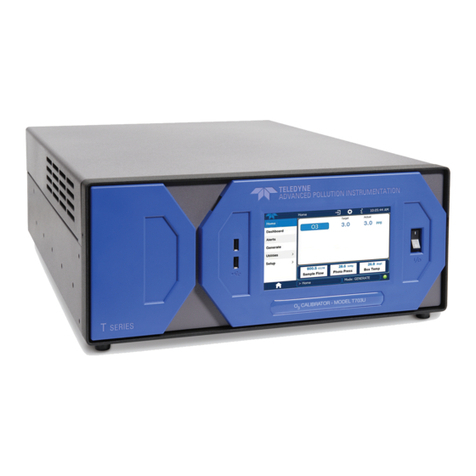
  9. Teledyne T700 User manual

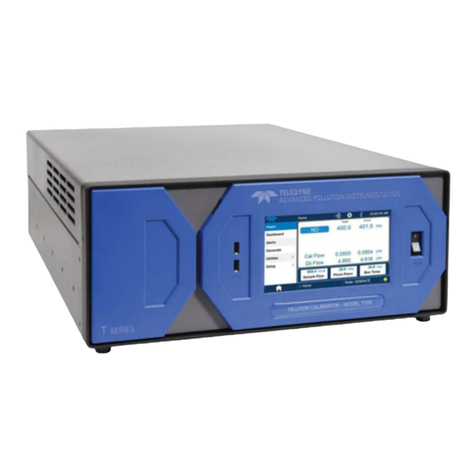
Teledyne T700 User manual

Other manuals for T700

2

This manual suits for next models

1

Other Teledyne Test Equipment manuals

Teledyne T3DAQ1-16 User manual

Teledyne

Teledyne T3DAQ1-16 User manual

Teledyne Reson PDS Specification sheet

Teledyne

Teledyne Reson PDS Specification sheet

Teledyne GT Series Quick start guide

Teledyne

Teledyne GT Series Quick start guide

Teledyne T750 User manual

Teledyne

Teledyne T750 User manual

Teledyne HPM 4 User manual

Teledyne

Teledyne HPM 4 User manual

Teledyne T3NFP3 User manual

Teledyne

Teledyne T3NFP3 User manual

Teledyne T3EL15030 P Series User manual

Teledyne

Teledyne T3EL15030 P Series User manual

Teledyne HDO6000B User manual

Teledyne

Teledyne HDO6000B User manual

Teledyne T3DSO1000A Series User manual

Teledyne

Teledyne T3DSO1000A Series User manual

Teledyne 804A User manual

Teledyne

Teledyne 804A User manual

Teledyne T700 User manual

Teledyne

Teledyne T700 User manual

Teledyne CP030A User manual

Teledyne

Teledyne CP030A User manual

Teledyne LabMaster 10 Zi Series User manual

Teledyne

Teledyne LabMaster 10 Zi Series User manual

Teledyne T3CP100-2 User manual

Teledyne

Teledyne T3CP100-2 User manual

Teledyne T3DSO3000 User manual

Teledyne

Teledyne T3DSO3000 User manual

Teledyne PXP-100B User manual

Teledyne

Teledyne PXP-100B User manual

Teledyne T3AFG30 User manual

Teledyne

Teledyne T3AFG30 User manual

Teledyne USB-PD TDMP User manual

Teledyne

Teledyne USB-PD TDMP User manual

Teledyne LeCroy T3DSO2000A Series User manual

Teledyne

Teledyne LeCroy T3DSO2000A Series User manual

Teledyne 401 User manual

Teledyne

Teledyne 401 User manual

Teledyne VISION G2 CLASSIC 6 User manual

Teledyne

Teledyne VISION G2 CLASSIC 6 User manual

Teledyne CD14 User manual

Teledyne

Teledyne CD14 User manual

Teledyne T3DSO2000 User manual

Teledyne

Teledyne T3DSO2000 User manual

Teledyne LeCroy T3DSO2000A Series User manual

Teledyne

Teledyne LeCroy T3DSO2000A Series User manual

Popular Test Equipment manuals by other brands

Ambit P.F. Series instruction manual

Ambit

Ambit P.F. Series instruction manual

Megger BMM500 Series user guide

Megger

Megger BMM500 Series user guide

RJG Lynx Sensor Tester operating instructions

RJG

RJG Lynx Sensor Tester operating instructions

Mark-10 TT02 Series user guide

Mark-10

Mark-10 TT02 Series user guide

Martel 3001 Operator's manual

Martel

Martel 3001 Operator's manual

ElproSys DiagProg4 instruction manual

ElproSys

ElproSys DiagProg4 instruction manual

Redtech TRAILERteck T05 user manual

Redtech

Redtech TRAILERteck T05 user manual

Venmar AVS Constructo 1.0 HRV user guide

Venmar

Venmar AVS Constructo 1.0 HRV user guide

Test Instrument Solutions SafetyPAT operating manual

Test Instrument Solutions

Test Instrument Solutions SafetyPAT operating manual

Hanna Instruments HI 38078 instruction manual

Hanna Instruments

Hanna Instruments HI 38078 instruction manual

Kistler 5495C Series instruction manual

Kistler

Kistler 5495C Series instruction manual

Waygate Technologies DM5E Basic quick start guide

Waygate Technologies

Waygate Technologies DM5E Basic quick start guide

StoneL DeviceNet CK464002A manual

StoneL

StoneL DeviceNet CK464002A manual

Seica RAPID 220 Site preparation guide

Seica

Seica RAPID 220 Site preparation guide

Kingfisher KI7400 Series Training manual

Kingfisher

Kingfisher KI7400 Series Training manual

Kurth Electronic CCTS-03 operating manual

Kurth Electronic

Kurth Electronic CCTS-03 operating manual

SMART KANAAD SBT XTREME 3G Series user manual

SMART

SMART KANAAD SBT XTREME 3G Series user manual

Agilent Technologies BERT Serial Getting started

Agilent Technologies

Agilent Technologies BERT Serial Getting started

manuals.online logo
manuals.online logoBrands
  • About & Mission
  • Contact us
  • Privacy Policy
  • Terms and Conditions

Copyright 2025 Manuals.Online. All Rights Reserved.

User Manual
Models T700 and T700U
Dynamic Dilution Calibrators
with NumaView™ Software
© TELEDYNE API (TAPI)
9970 CARROLL CANYON ROAD
SAN DIEGO, CALIFORNIA 92131-1106
USA
Toll-free Phone:
+1 800-324-5190
Phone:
+1 858-657-9800
Fax:
+1 858-657-9816
Email:
api-sales@teledyne.com
Website:
http://www.teledyne-api.com/
Copyright 2019-2020 083730700CDCN8250
Teledyne API 16 January 2020
083730700C DCN8250 Teledyne API Models T700 and T700U Calibrators vii
NOTICE OF COPYRIGHT
© 2019-20 Teledyne Advanced Pollution Instrumentation. All rights reserved.
TRADEMARKS
All trademarks, registered trademarks, brand names or product names appearing in this
document are the property of their respective owners and are used herein for identification
purposes only.
viii Teledyne API Models T700 and T700U Calibrators 083730700C DCN8250
IMPORTANT SAFETY INFORMATION
Important safety messages are provided throughout this manual for the purpose of avoiding personal injury or
instrument damage. Please read these messages carefully. Each safety message is associated with a safety alert
symbol, and are placed throughout this manual and inside the instrument. The symbols with messages are defined
as follows:
WARNING: Electrical Shock Hazard
HAZARD: Strong oxidizer
GENERAL WARNING/CAUTION: Read the accompanying message for
specific information.
CAUTION: Hot Surface Warning
Do Not Touch. Touching some parts of the instrument without protection
or proper tools could result in damage to the part(s) and/or the
instrument.
Technician Symbol: All operations marked with this symbol are to be
performed by qualified maintenance personnel only.
Electrical Ground: This symbol inside the instrument marks the central
safety grounding point for the instrument.
CAUTION
This instrument should only be used for the purpose and in the manner
described in this manual. If you use this instrument in a manner other
than that for which it was intended, unpredictable behavior could ensue
with possible hazardous consequences.
NEVER use any gas analyzer to sample combustible gas(es)!
Note For Technical
Assistance regarding the use and
maintenance of this instrument or any other Teledyne API
product, please contact Teledyne API’s Technical Support
Department:
Telephone: +1 800-324-5190
Email: api-techsupport@teledyne.com
083730700C DCN8250 Teledyne API Models T700 and T700U Calibrators ix
CONSIGNES DE SÉCURITÉ
Des consignes de sécurité importantes sont fournies tout au long du présent manuel dans le but d’éviter des
blessures corporelles ou d’endommager les instruments. Veuillez lire attentivement ces consignes. Chaque
consigne de sécurité est représentée par un pictogramme d’alerte de sécurité; ces pictogrammes se retrouvent
dans ce manuel et à l’intérieur des instruments. Les symboles correspondent aux consignes suivantes :
AVERTISSEMENT : Risque de choc électrique
DANGER : Oxydant puissant
AVERTISSEMENT GÉNÉRAL / MISE EN GARDE : Lire la consigne
complémentaire pour des renseignements spécifiques
MISE EN GARDE : Surface chaude
Ne pas toucher : Toucher à certaines parties de l’instrument sans protection ou
sans les outils appropriés pourrait entraîner des dommages aux pièces ou à
l’instrument.
Pictogramme « technicien » : Toutes les opérations portant ce symbole doivent
être effectuées uniquement par du personnel de maintenance qualifié.
Mise à la terre : Ce symbole à l’intérieur de l’instrument détermine le point central
de la mise à la terre sécuritaire de l’instrument.
MISE EN GARDE
Cet instrument doit être utilisé aux fins décrites et de la manière décrite dans ce
manuel. Si
vous utilisez cet instrument d’une autre manière que celle pour
laquelle il a été prévu, l’instrument pourrait se comporter de façon imprévisible
et entraîner des conséquences dangereuses.
NE JAMAIS utiliser un analyseur de gaz pour échan
tillonner des gaz
combustibles!
x Teledyne API Models T700 and T700U Calibrators 083730700C DCN8250
WARRANTY STATEMENT
WARRANTY POLICY (02024J)
Teledyne Advanced Pollution Instrumentation (Teledyne API), a business unit of Teledyne
Instruments, Inc., provides that:
Prior to shipment, Teledyne API equipment is thoroughly inspected and tested. Should
equipment failure occur, Teledyne API assures its customers that prompt service and
support will be available. (For the instrument-specific warranty period, please refer to the
“Limited Warranty” Section in the Terms and Conditions of Sale on our website at the
following link. http://www.teledyne-api.com/terms_and_conditions.asp).
COVERAGE
After the warranty period and throughout the equipment lifetime, Teledyne API stands
ready to provide on-site or in-plant service at reasonable rates similar to those of other
manufacturers in the industry. All maintenance and the first level of field troubleshooting
are to be performed by the customer.
NON-TELEDYNE API MANUFACTURED EQUIPMENT
Equipment provided but not manufactured by Teledyne API is warranted and will be
repaired to the extent and according to the current terms and conditions of the respective
equipment manufacturer’s warranty.
PRODUCT RETURN
All units or components returned to Teledyne API should be properly packed for handling
and returned freight prepaid to the nearest designated Service Center. After the repair, the
equipment will be returned, freight prepaid.
The complete Terms and Conditions of Sale can be reviewed at http://www.teledyne-
api.com/terms_and_conditions.asp
CAUTION – AVOID WARRANTY INVALIDATION
Failure to comply with proper anti-Electro-Static Discharge (ESD) handling and
packing instructions and Return Merchandise Authorization (RMA) procedures
when returning parts for repair or calibration may void your warranty. For anti-
ESD handling and packing instructions please refer to
the manual,
Fundamentals of ESD, PN 04786, in its
“Packing Components for Return to
Teledyne API’s Customer Service”
section. The manual can be downloaded
from our website at http://www.teledyne-api.com.RMA procedures can also be
found on our website.
083730700C DCN8250 Teledyne API Models T700 and T700U Calibrators xi
CONVENTIONS USED IN THIS MANUAL
In addition to the safety symbols as presented in the Important Safety Information page,
this manual provides special notices related to the safety and effective use of the analyzer
and other pertinent information.
Special Notices appear as follows:
ATTENTION COULD DAMAGE INSTRUMENT AND VOID WARRANTY
This special notice provides information to avoid damage
to your instrument and possibly invalidate the warranty.
Important IMPACT ON READINGS OR DATA
Provides information about that which could either affect
accuracy of instrument readings or cause loss of data.
Note
Provides information pertinent to the proper care,
operation or maintenance of the instrument or its parts.
xii Teledyne API Models T700 and T700U Calibrators 083730700C DCN8250
TABLE OF CONTENTS
1. INTRODUCTION, SPECIFICATIONS AND APPROVALS ................................................22
1.1. Calibrator Overview.....................................................................................................................................22
1.2. Features ......................................................................................................................................................22
1.3. Options ........................................................................................................................................................23
1.4. T700 Specifications.....................................................................................................................................25
1.5. T700U Specifications ..................................................................................................................................27
1.6. Approvals and Certifications .......................................................................................................................29
1.6.1. Safety...................................................................................................................................................29
1.6.2. EMC .....................................................................................................................................................29
1.6.3. Other Type Certifications .....................................................................................................................29
2. GETTING STARTED..........................................................................................................30
2.1. Unpacking ...................................................................................................................................................30
2.1.1. Ventilation Clearance...........................................................................................................................31
2.2. Instrument Layout........................................................................................................................................31
2.2.1. Front Panel ..........................................................................................................................................32
2.2.2. Rear Panel...........................................................................................................................................33
2.2.3. Internal Layout .....................................................................................................................................35
2.3. Connections ................................................................................................................................................37
2.3.1. Electrical Connections .........................................................................................................................37
2.3.1.1. Connecting Power ........................................................................................................................37
2.3.1.2. Connecting Analog Outputs .........................................................................................................38
2.3.1.3. Connecting the Status Outputs (Digital Outputs) .........................................................................38
2.3.1.4. Connecting the Control Inputs (Digital Inputs) .............................................................................39
2.3.1.5. Connecting the Digital Control Outputs ........................................................................................41
2.3.1.6. Connecting the External Valve Driver Option...............................................................................41
2.3.1.7. Connecting the Communications Interfaces.................................................................................44
2.3.2. Pneumatic Connections .......................................................................................................................50
2.3.2.1. Important Information About Diluent Gas (Zero Air).....................................................................50
2.3.2.2. Important Information About Calibration Gas...............................................................................50
2.3.2.3. Connecting Diluent Source Gas to the Calibrator ........................................................................51
2.3.2.4. Connecting Calibration Source Gas to the Calibrator ..................................................................51
2.3.2.5. Setup for Direct Connections to Other Instruments .....................................................................52
2.3.2.6. Connecting the Calibrator to a Sample Gas Manifold ..................................................................53
2.3.2.7. Connecting the Calibrator to a Calibration Manifold.....................................................................54
2.3.2.8. Connecting the Calibrator to a Dual Span Gas / Zero Air Calibration Manifold ...........................55
2.3.2.9. T700 Pneumatic Flow for O3Generator Option ...........................................................................56
2.3.2.10. T700 Pneumatic Flow for O3Generator with Photometer Option ..............................................58
2.3.2.11. T700 Pneumatic Flow for Multiple Calibration Source Gas MFCs.............................................60
2.3.2.12. Pneumatic Flow and Setup for Permeation Tube Gas Generator .............................................63
2.4. Startup and Functional Checks...................................................................................................................69
2.4.1. Initial Startup ........................................................................................................................................69
2.4.2. Alerts: Warnings and Other Messages................................................................................................70
2.4.3. Functional Checks and Verification .....................................................................................................70
2.4.4. Calibration Gas Inlet Ports Setup ........................................................................................................71
2.4.5. Setting the Calibrator’s Total Gas Flow Rate ......................................................................................73
2.4.6. Selecting a Mode for the O3Generator Option....................................................................................74
2.4.6.1. CNST (CONSTANT) Mode...........................................................................................................74
2.4.6.2. REF (REFERENCE) Mode...........................................................................................................74
2.4.6.3. BNCH (BENCH) Mode .................................................................................................................74
2.5. Menu Overview ...........................................................................................................................................75
2.5.1. Home ...................................................................................................................................................78
2.5.2. Dashboard ...........................................................................................................................................79
2.5.3. Alerts....................................................................................................................................................80
2.5.4. Generate ..............................................................................................................................................81
083730700C DCN8250 Teledyne API Models T700 and T700U Calibrators xiii
2.5.5. Utilities .................................................................................................................................................82
2.5.5.1. Datalog View ................................................................................................................................82
2.5.5.2. Alerts Log .....................................................................................................................................82
2.5.5.3. USB Utilities (Downloads and Updates).......................................................................................82
2.5.5.4. Diagnostics ...................................................................................................................................85
2.5.6. Setup....................................................................................................................................................85
2.6. Setup Menu: Features/Functions Configuration ........................................................................................85
2.6.1. Setup>Data Logging (Data Acquisition System, DAS)........................................................................86
2.6.1.1. Configuring Trigger Types: Periodic.............................................................................................87
2.6.1.2. Configuring Trigger Types: Conditional.......................................................................................88
2.6.1.3. Downloading DAS (Data Acquisition System) Data .....................................................................88
2.6.2. Setup>Events ......................................................................................................................................89
2.6.3. Setup>Dashboard................................................................................................................................91
2.6.4. Setup>Vars: Internal Variables............................................................................................................91
2.6.5. Setup>Homescreen .............................................................................................................................92
2.6.6. Setup>Digital (Status) Outputs ............................................................................................................92
2.6.7. Setup>Sequences: Automatic Calibration Operations ........................................................................93
2.6.7.1. Setting Up Control Inputs for a Sequence....................................................................................95
2.6.7.2. Setting Up Control Outputs for a Sequence .................................................................................96
2.6.7.3. Parameters for the Step Types ....................................................................................................97
2.6.7.4. Deleting or Editing Sequences or Individual Steps in a Sequence ..............................................97
2.6.8. Setup > Levels: Setting up and using LEADS (Dasibi) Operating Levels ...........................................98
2.6.8.1. General Information about LEADS Levels ...................................................................................98
2.6.8.2. Dot commands .............................................................................................................................98
2.6.8.3. Programming, Editing, and Activating Levels...............................................................................99
2.6.8.4. Programming Levels.....................................................................................................................99
2.6.8.5. Editing/Deleting Levels ...............................................................................................................100
2.6.8.6. Activating Levels.........................................................................................................................100
2.6.9. Setup > Analog Output ......................................................................................................................100
2.6.9.1. Analog Output Voltage Range Configuration .............................................................................102
2.6.9.2. Adding a Recorder Offset...........................................................................................................102
2.6.9.3. Analog Output Channel Calibration............................................................................................102
2.6.10. Setup > Instrument ..........................................................................................................................103
2.6.11. Setup > Comm: Communications Ports ..........................................................................................104
2.6.11.1. COM1/COM2............................................................................................................................104
2.6.11.2. TCP Port1.................................................................................................................................105
2.6.11.3. TCP Port2.................................................................................................................................105
2.6.11.4. Network Settings ......................................................................................................................105
2.6.12. Setup>Gas.......................................................................................................................................105
2.7. Transferring Configuration to Other Instruments ......................................................................................106
3. OPERATING MODES, BASIC OPERATION, AND CONFIGURATIONS........................107
3.1. STANDBY MODE......................................................................................................................................108
3.2. GENERATE MODE...................................................................................................................................109
3.2.1. GENERATE > AUTO: Basic Generation of Calibration Mixtures ......................................................112
3.2.2. GENERATE > MANUAL: Generating Calibration Mixtures Manually................................................114
3.2.2.1. Determining the Source Gas Flow Rate.....................................................................................116
3.2.2.2. Determining Diluent Flow Rate...................................................................................................117
3.2.2.3. Determining Diluent Flow Rate with O3Generator Option Installed...........................................117
3.2.2.4. Setting Source Gas and Diluent Flow Rates Using the GENERATE > MANual Menu..............118
3.2.3. GENERATE > PURGE: Activating the Calibrator’s Purge Feature ...................................................118
3.2.4. GENERATE: Gas Phase Titration (GPT) Calibration ........................................................................119
3.2.4.1. Meeting the USEPA Guidelines for GPT calibration ..................................................................119
3.2.4.2. GPT Theory ................................................................................................................................120
3.2.4.3. Determining the Total Flow for GPT Calibration Mixtures..........................................................120
3.2.5. GENERATE > GPTZ: Performing a Gas Phase Titration Zero ........................................................121
3.2.5.1. GPTZ vs Auto Generate Modes .................................................................................................122

xiv Teledyne API Models T700 and T700U Calibrators 083730700C DCN8250
3.2.5.2. Calibrator GPTZ Operation ........................................................................................................122
3.2.5.3. Initiating a GPTZ.........................................................................................................................123
3.2.6. GENERATE > GPTPS: Performing a Gas Phase Titration Pre-Set..................................................123
3.2.6.1. Calibrator GPTPS Operation......................................................................................................124
3.2.6.2. Initiating a GPTPS......................................................................................................................126
3.2.7. GENERATE > GPT: Performing a Gas Phase Titration....................................................................126
3.2.7.1. Calibrator GPT Operation...........................................................................................................126
3.2.7.2. Initiating a GPT Calibration Gas Generation..............................................................................128
3.2.8. GENERATE > SEQUENCE...............................................................................................................129
3.2.9. GENERATE > LEVEL........................................................................................................................129
4. COMMUNICATIONS AND REMOTE OPERATION.........................................................130
4.1. Data Terminal/Communication Equipment (DTE DCE) ............................................................................130
4.2. Modes, Baud Rate and Serial Communication .........................................................................................130
4.2.1. Serial Communication: RS-232 .........................................................................................................130
4.2.2. Serial Communication: RS-485 (Option) ...........................................................................................131
4.3. Ethernet.....................................................................................................................................................131
4.4. MODBUS Communications Protocol ........................................................................................................131
4.4.1.1. MODBUS Com Port Configuration .............................................................................................132
5. CALIBRATION AND VERIFICATION ..............................................................................134
5.1. Verifying and Calibrating the MFCs ..........................................................................................................134
5.1.1. Setup for Verifying and Calibrating the MFCs ...................................................................................135
5.1.2. Verifying and Calibrating the MFCs ...................................................................................................136
5.2. Verifying and Calibrating the O3Photometer (Bench) Option...................................................................137
5.2.1. Setup for Verifying O3Photometer (Option) Performance.................................................................138
5.2.2. Verifying O3Photometer (Option) Performance ................................................................................138
5.2.3. Setup for Calibrating the O3Photometer (Bench) Option..................................................................139
5.2.3.1. Setup Using Direct Connections ................................................................................................140
5.2.3.2. Setup Using a Calibration Manifold ............................................................................................141
5.2.3.3. Calibration Manifold Exhaust/Vent Line Requirements..............................................................141
5.2.4. Performing O3Photometer (Option) Calibrations ..............................................................................142
5.2.5. O3Photometer Gas Flow Calibration.................................................................................................143
5.2.6. O3Photometer Back Pressure Compensation Calibration ................................................................143
5.3. Verifying and Calibrating the O3Generator Option...................................................................................144
5.3.1. Setup for Verification and Calibration the O3Generator....................................................................144
5.3.2. Verifying O3Generator Performance with External Photometer .......................................................144
5.3.3. O3Generator Option with Photometer Calibration Procedure...........................................................145
5.4. Verifying and Calibrating the Gas Pressure Sensors................................................................................145
5.4.1.1. Calibrating Diluent, Cal Gas, or Opt O3Generator Pressure Sensors.......................................147
5.4.1.2. Calibrating the Photometer (Option) Sample Gas Pressure Sensor..........................................148
6. MAINTENANCE149
6.1. Maintenance Schedule..............................................................................................................................149
6.2. Operational Health Checks .......................................................................................................................151
6.3. Software/Firmware Updates......................................................................................................................152
6.3.1. Remote Updates ................................................................................................................................152
6.3.2. Manual Reload/Update Procedures...................................................................................................152
6.3.3. Instrument Display Calibration (for earlier instruments......................................................................153
6.4. Time Zone Changes..................................................................................................................................154
6.5. Maintenance Procedures ..........................................................................................................................155
6.5.1. Auto Leak Check................................................................................................................................155
6.5.1.1. Equipment Required...................................................................................................................155
6.5.1.2. Setup for Auto Leak Check ........................................................................................................155
6.5.1.3. Returning the Calibrator to Service after Performing an Auto Leak Check................................159
6.5.2. Cleaning or Replacing the Absorption Tube......................................................................................159
6.5.3. UV Source Lamp Adjustment ............................................................................................................160
6.5.4. UV Source Lamp Replacement .........................................................................................................161